15 at-home habits that reveal your wife isn’t happy
When a woman who once shared every detail starts treating home like a silent hotel, the quiet feels heavier than any argument. Marital problems rarely start with a big fight. Usually, it’s small, repeated habits that show someone is slowly pulling away. You might see her move through the house, present but emotionally distant, as the connection fades.
Research from the Gottman Institute shows that couples who stay together respond to each other’s emotional needs more than those who divorce. Noticing changes early is the first step to rekindling the spark before it’s gone. Watch for small signs of withdrawal, like lingering at the door or a loss of interest in shared dreams, and respond with curiosity and empathy to close the gap.
The Morning Coffee Silence

Marriage routines can break down in quiet moments, especially at breakfast. If your spouse shifts from cheerful conversation to silence over coffee, she may be emotionally pulling away. The kitchen becomes a place where talk is off-limits, and coffee is the only comfort.
Therapist Ronit Baras explains that withdrawal can signal “a growing distance where partners stop sharing their inner worlds” in “Silence in Relationships: How Quiet Moments Create Connection”. This morning’s silence is a clear sign she’s protecting her peace by withdrawing from the partnership. When the spoon’s clink is all you hear, it’s time to ask what’s on her mind before the day pulls her further away.
The Grocery List Apathy

If she no longer asks your opinion on groceries, she may be distancing herself from your shared life. Losing interest in these details can signal that she’s less invested in your happiness or in shared meals. The pantry reflects her choices, not a partnership.
Higher conflict and lower satisfaction often follow, as research shows. The grocery list as a solo mission mirrors a heart already navigating life alone. This shift effectively stops the process of visualizing a future that includes you in the most basic, nurturing environment.
The Bedroom Phone Wall

Spending hours on a smartphone in bed creates a cold, digital distance that stifles the warmth of a shared sanctuary. It offers an effortless escape from reality and builds an invisible, yet impenetrable, barrier between once-close partners. Instead of talking or laughing, the phone’s artificial glow dominates the room while your deep emotional connection slowly fades into the background.
This habit often replaces vital pillow talk, turning the intimate bedroom into a sterile space of profound isolation. When the glowing screen feels more engaging than your spouse’s presence, the emotional bond stretches dangerously thin and may eventually snap. The constant distraction successfully avoids eye contact and leads to a total loss of the relationship’s unique, natural rhythm.
Budgeting Disinterest

A sudden lack of interest in the family budget or money may mean future detachment. If she stops caring about finances, she may not see herself in your future. Apathy toward money replaces healthy debates about savings, signaling she’s stopped planning life with you.
Survey data from the American Psychological Association’s “Stress in America” report show that money and finances remain a top source of stress, with many partnered adults naming money as a major cause of conflict, as summarized in coverage like this CNBC piece on money stress in relationships. This financial shift signals a loss of partnership and a potential move toward individual survival. When she stops asking about the budget, it might be because she is already mentally drafting a roadmap for her own independent financial journey.
The Late Night Cleaning Shield
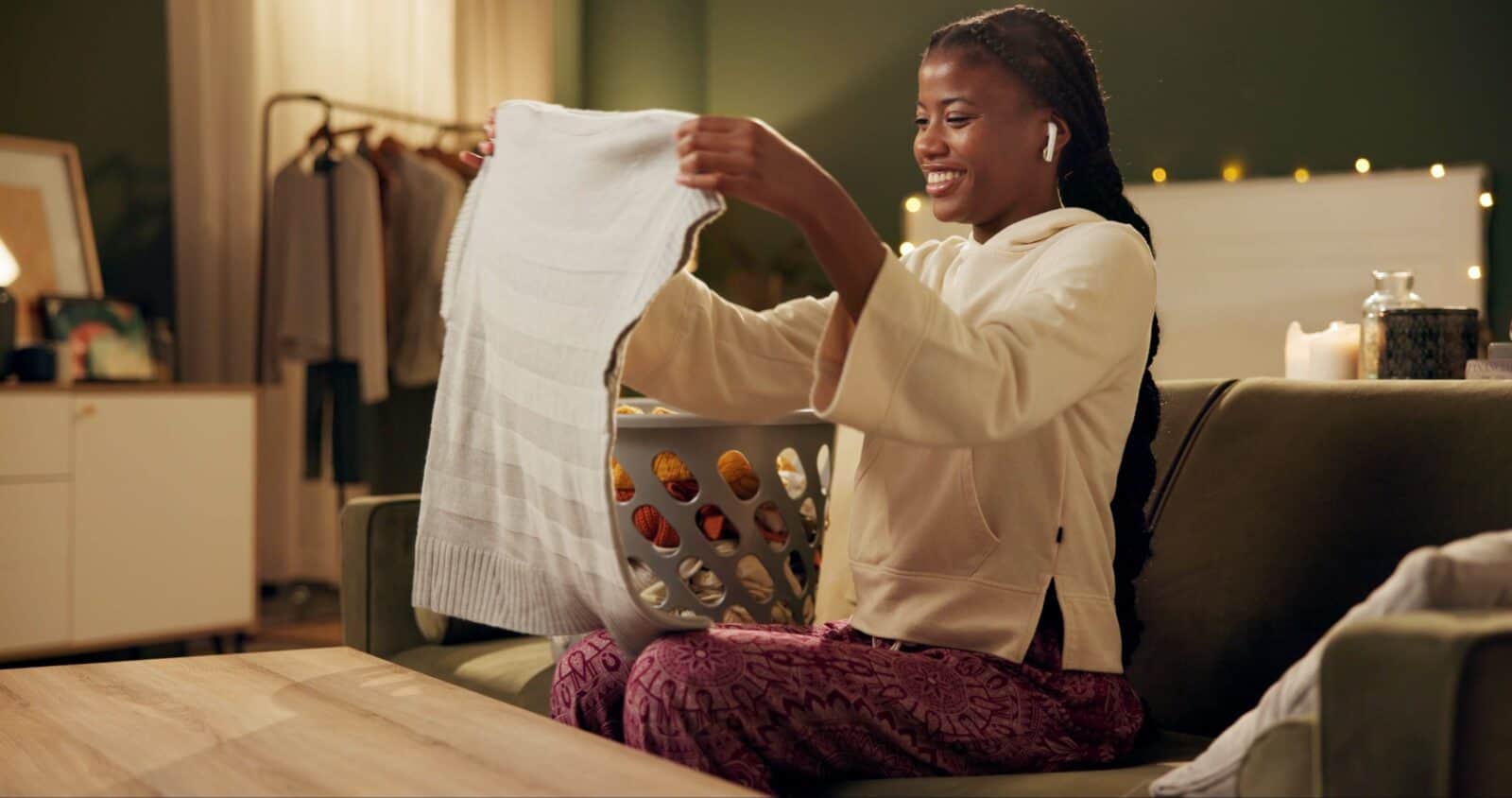
Keeping busy with chores up to bedtime can be a way to avoid closeness. Always being occupied offers a reason to dodge difficult conversations. Chores become a distraction, easier than facing resentment in the marriage.
Research from the Journal of Family Issues on women’s unpaid work and marital satisfaction has found that shouldering a disproportionate share of domestic labour is associated with lower marital satisfaction and more strain, as shown in this longitudinal study on domestic labour, attitudes, and women’s marital satisfaction. If she is always “too busy” for a hug or a talk, the cleaning supplies are likely serving as a barrier between her heart and yours.
Vanishing Social Plans

If she consistently skips family events or begins avoiding your friends, her social habits are shifting in a way that signals a bigger internal change. Pulling away from long-standing traditions shows she is intentionally distancing herself from you and the circle of loved ones you once shared. She may feel increasingly uncomfortable pretending to be happy in public, preferring the safety of staying home to maintaining a unified front.
This social retreat serves as a quiet, steady way to detach from the life you built together over the years. When invitations go unanswered, and the shared social calendar remains empty, it is often because she is already navigating a separate life in her mind. This isolation replaces mutual experiences with a growing sense of independence that no longer requires your presence or approval.
Recipe For Isolation

If a woman who enjoys new recipes starts making simple meals for herself, she may have lost interest in cooking together. Food brings people closer, so this change shows she’s missing something. The kitchen becomes just a place for basic meals.
Relationship surveys by the Marriage Foundation on relationship satisfaction, a theme echoed in this article on why sharing meals can make couples happier. This shift in domestic habits is often a visible sign of an empty heart that no longer finds joy in nourishment. When she stops asking “what’s for dinner?” and starts eating alone over the sink, the connection that fed the relationship is starving.
Car Retreat Habits

Taking extra time in the car after getting home is a way to find quiet time away from a spouse. The car becomes a place to relax, listen to music, and avoid home’s pressures. She may struggle more to leave that space.
Guidance from family counsellors and stress‑management experts indicates that stress brought home from work or other responsibilities can significantly reduce warmth and positive interactions at home, as described by Perth clinicians in this article on managing stress as a family. That small box of metal and glass feels safer than the living room, offering a brief moment of dietary or mental independence before the reality of home sets in.
Beauty Routine Shifts

If she stops caring about her grooming or beauty routine at home, it may mean she no longer wants to impress her partner. Comfort is normal, but making no effort can show she’s lost hope for the relationship and sees no reason to try.
A review of the literature summarized in the Journal of Social and Personal Relationships shows that feeling valued and appreciated by a partner is strongly tied to long‑term relationship satisfaction, a point explained in this article on why perceived partner responsiveness predicts relationship success. This shift isn’t just about makeup; it is about the “always” present effort to remain a priority in the eyes of the person who promised to love her forever.
Pet Priority Over Partner

If she gives all her affection to a pet and is distant with her husband, she may be meeting her need for closeness that way. The pet receives the attention that once went to her partner. Pets offer uncomplicated love and can serve as a stand-in when a relationship feels distant.
Mental‑health and human–animal‑bond work from practitioners and charities highlights that many people lean on pets as a central source of emotional support and comfort during stressful times, as described in this piece on how pets support mental health and wellbeing. She might talk to the pet, sleep near the pet, and find more inspiration in the animal’s company than in yours. This redirection of affection is a shield that allows her to feel connected to something alive without the pain of dealing with a broken marriage.
Separate Room Streaming

When she watches TV in another room, your interests are no longer shared, and she prefers being alone. This habit separates evening routines and makes casual or meaningful conversation unlikely before bed.
Media and relationship commentators in outlets like Scientific American note that couples who share TV series and fictional worlds can strengthen their bond by creating a shared “social world” of stories and characters, as discussed in this article on the hidden relationship benefits of binge‑watching. It is more than just a difference in taste; it is a choice to exist in separate realities while occupying the same house. When the sound of her laughter comes from the bedroom while you sit alone on the couch, the distance between you is measured in miles, not feet.
Travel Talk Silence

If even talking about a trip to the beach feels like a burden, it may mean she is deeply unhappy. When she no longer looks forward to future travel, she may be unable to picture herself enjoying a vacation with her partner. Planning a trip takes excitement and hope for the future, which she may no longer feel in the marriage.
Relationship and travel surveys, including research summarized by Condé Nast Traveler, find that couples who travel together often report greater satisfaction, better communication, and a stronger sense of closeness in their relationship. When the prospect of a sunset on the beach feels like more work than joy, the relationship’s emotional landscape has become a desert.
Dietary Independence

If she suddenly changes her diet without talking to you, it can be a sign she wants more independence. By making choices on her own, she is trying to regain a sense of self. This focus on her own health and habits can be an early sign that she is preparing for a more separate life.
Public‑health and nutrition research referenced by the Harvard T.H. Chan School of Public Health notes that couples who share health‑related routines, including eating patterns, tend to experience better overall relationship functioning and mutual support, as outlined in guidance on the Healthy Eating Plate. If she starts her own health journey without inviting you along, she is signaling that she is ready to grow in a direction that doesn’t include you. It is a quiet revolution happening right at the dinner table, one healthy meal at a time, without any regard for your preferences.
Ignoring Home Repairs

If she no longer mentions things like a leaky faucet or squeaky door, she may have stopped caring about the future of your home. In marriage, apathy can be more serious than anger because it means she no longer wants to fix things. Not caring about your shared space often reflects how she feels about the relationship itself.
Many homeowners feel overwhelmed, confused, or stressed about maintaining their homes. If she no longer bothers to point out what is broken, it is because she is no longer planning to stay and deal with the consequences. The silence about the state of the house is often the precursor to the silence of a house that is half-empty.
Finance Secrecy
If she starts a separate savings account or becomes secretive about her money, it is often a sign she is preparing to be on her own. This change shows a lack of trust and a wish for financial security without you. When the shared budget leads to tension or hidden accounts, it usually means the partnership has broken down.
Research on financial secrecy and “financial infidelity” in couple relationships shows that people who hide accounts or significant spending from their partners report lower relationship quality and greater instability, as outlined in this paper. This habit is often the final step in a mental exit strategy, ensuring she has the means to leave when the time is right. When the finance talk stops, the planning for a new, independent life has almost certainly begun in secret.
Like our content? Be sure to follow us.