5 everyday U.S. behaviors people love and 5 they hate
America reveals itself not through monuments or slogans, but in the small daily rituals that quietly confuse, charm, and overwhelm those seeing them for the first time.
To an outsider landing in the States, the culture hits like a gust of wind, bringing a mix of bright fascination and mild confusion. The energy is distinct, marked by habits that seem totally normal to locals but stand out sharply to anyone from across the pond or south of the border. It is a land where friendliness can feel overwhelming, and the rules of dining out require a calculator, leaving tourists to try to read the social map.
While some quirks are instantly endearing, others require a great deal of patience and cultural understanding to truly understand. Visitors often find themselves oscillating between sheer delight at the conveniences and utter frustration with the unexpected costs. The American way of life is a loud, colorful package that refuses to be ignored, demanding a response from everyone who sets foot on its soil.
They Love the Friendliness

Walking down a street in Ohio or Texas, a foreigner might be startled when strangers offer a smile or a greeting without any prompt or reason. There is a warmth here that makes people feel seen, breaking the icy anonymity often found in other global metropolises.
This openness fosters real connections, making it easier for newcomers to strike up conversations in grocery lines or at bus stops. It turns mundane errands into social mini-events, a stark contrast to places where eye contact is avoided at all costs.
They Love The Infinite Optimism

Visitors often marvel at the sheer positivity that seems to radiate from the American spirit, a belief that anything is possible if you just work hard enough. This can-do attitude is infectious, lifting the mood of cynicism that hangs over many older nations where history weighs heavily.
It is not just a stereotype; data support this sunny outlook on personal control over one’s life and destiny. According to the Pew Research Center, 57% of Americans believe that individuals control their own success, a much higher figure than in many European nations. This belief drives an ambition that is palpable in every coffee shop meeting.
They Love The Convenience Culture

The sheer ease of getting what you want, whenever you want it, spoils visitors for life once they return home to restricted hours. From drive-through pharmacies to 24-hour supermarkets, convenience is structured to fit people’s schedules rather than forcing them to fit a schedule.
This demand for instant gratification drives a massive service economy that operates around the clock. NACS Statistics show that the U.S. convenience store industry saw inside sales reach a record $327 billion recently, underscoring the value placed on saving time.
They Love Free Refills And Ice

Sitting down at a diner and having a glass of soda magically refilled without asking feels like a minor miracle to most non-Americans. It represents a land of plenty where limits are few, and the ice cubes are piled high enough to build a small igloo.
While Europeans often serve drinks at room temperature, Americans love their beverages painfully cold and plentiful. A Department of Energy report finds that 88% of U.S. homes have air conditioning, reflecting a cultural obsession with staying cool inside and out.
They Love The ADA Accessibility

The commitment to making public spaces accessible to everyone is a triumph that many other countries are still chasing but failing to catch up with. Ramps, automatic doors, and wide elevators are standard here, ensuring that mobility issues do not stop anyone from participating in society.
It is a visible dedication to inclusivity that makes navigating cities significantly less stressful for people with disabilities or those with strollers. This infrastructure allows for a level of independence that is often harder to achieve in the narrow, cobblestoned streets of older nations.
They Hate The Tipping Culture

Nothing induces panic in a tourist quite like the arrival of the bill and the mental gymnastics required to calculate the gratuity. The social pressure to add 20% or more can feel like a hidden tax that shifts the employer’s responsibility onto the customer.
The fatigue is real, and it is not just visitors who are tired of the expanding tip jars at every single counter. A Bankrate survey found that 66% of U.S. adults have a negative view of tipping, showing that even locals are wary of the expectation.
They Hate The Hidden Sales Tax
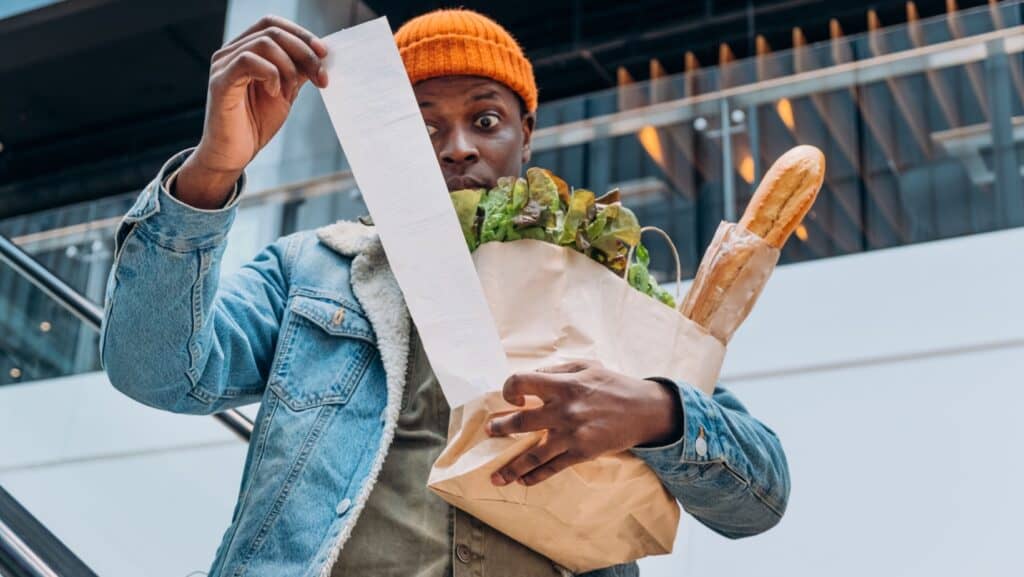
Picking up an item labeled one price and paying a higher amount at the register is a jarring experience for those used to transparent pricing. It feels like a bait-and-switch trick every time, forcing shoppers to do mental math while standing in line.
In most parts of the world, the price you see on the sticker is exactly what leaves your wallet, down to the cent. This American quirk adds a layer of friction to shopping that feels unnecessary and confusing to anyone not raised with it.
They Hate The Measurement System

Trying to visualize distances in feet or temperatures in Fahrenheit feels like learning a dead language to the rest of the world. It creates a barrier to understanding, making simple weather reports or road signs baffling to international guests.
The refusal to switch to the metric system puts the U.S. in a very small, exclusive, and stubborn club. In fact, some countries—the U.S., Liberia, and Myanmar—have not fully adopted the metric system, making them global outliers.
They Hate The Gigantic Portion Sizes

The amount of food served on a single plate in the U.S. is often enough to feed a small family in other parts of the world. It creates a dilemma where you must either waste food or overeat, leaving many visitors feeling sluggish after a simple lunch.
This abundance has had a measurable impact on consumption habits over the last few decades. According to the USDA, the average daily calorie intake for Americans rose consistently from 1970 to 2000.
They Hate The Loudness In Public

The volume of conversations in restaurants and bars can be a shock to the ears for those from quieter cultures. Voices carry across rooms without hesitation, turning intimate dinners into shouting matches just to be heard over the din.
This auditory dominance is often perceived as a lack of spatial awareness by those used to more hushed and private tones. It demands that everyone else in the vicinity participate in your conversation, whether they want to or not.
15 Things Women Only Do With the Men They Love

The 15 Things Women Only Do With the Men They Love
Love is a complex, beautiful emotion that inspires profound behaviors. We express our love in various ways, some universal and others unique to each individual. Among these expressions, there are specific actions women often reserve for the men they deeply love.
This piece explores 15 unique gestures women make when they’re in love. From tiny, almost invisible actions to grand declarations, each tells a story of deep affection and unwavering commitment.