9 common American foods that are actually illegal in other countries
You probably assume the food in your grocery cart is safe, but looking at global standards might make you think twice. While we Americans fill our pantries with convenient snacks and “wholesome” staples, our friends overseas often look at our ingredient lists with sheer horror. It turns out, the US Food and Drug Administration (FDA) operates on a “safe until proven dangerous” philosophy, whereas many other countries, particularly in Europe, follow the “precautionary principle.” This means they ban things before they cause definitive harm, not decades later.
We are talking about chemicals used in yoga mats, hormones that make cows miserable, and dyes made from petroleum. Ready to see what’s actually illegal across the pond? Let’s dive in.
American pork treated with ractopamine
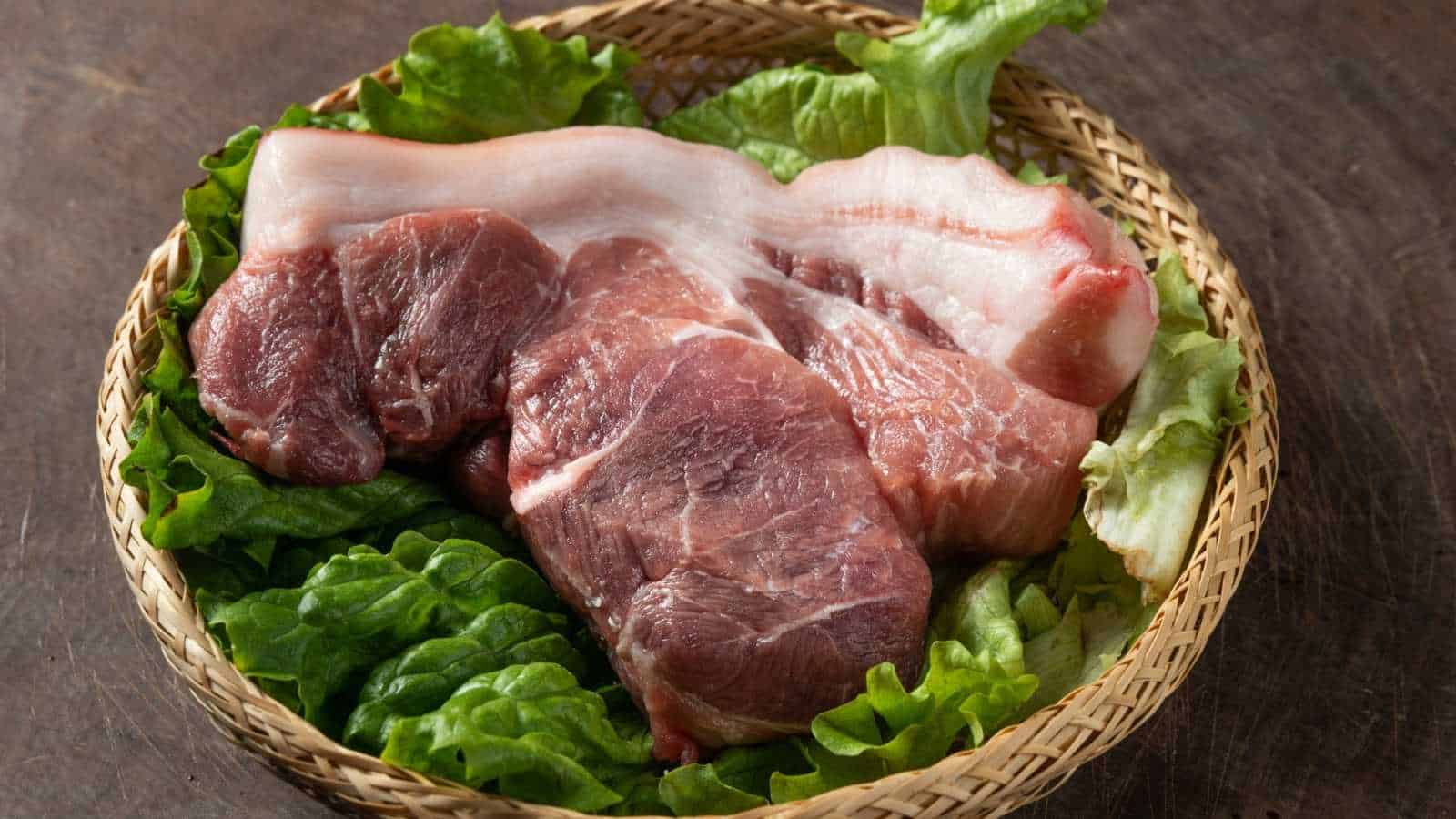
You might love a good pork chop, but did you know that up to 80% of US pigs eat a drug called ractopamine before they hit the slaughterhouse? This drug acts like a stress hormone, revving up the pig’s metabolism to build lean muscle rapidly. While that sounds great for the producer’s bottom line, it’s a nightmare for the animal, often causing trembling, inability to walk, and even broken limbs.
The rest of the world isn’t having it. Ractopamine is currently banned or restricted in at least 160 countries, including the entire European Union, China, and Russia, according to the Animal Legal Defense Fund. These nations cite serious concerns about human cardiovascular health and animal welfare.
While we eat it without a second thought, US meat exporters actually have to certify their pork is “ractopamine-free” just to sell it to Europe. Makes you wonder why it’s good enough for us, right?
Bread made with potassium bromate

We all love fluffy, white bread, but the secret ingredient that helps it rise might ruin your appetite. Commercial bakeries in the US frequently use potassium bromate as a dough conditioner to strengthen the dough and bleach it white. The catch? The International Agency for Research on Cancer (IARC) classifies it as a possible human carcinogen because it causes tumors in rat kidneys and thyroids.
While the FDA urges bakers to voluntarily stop using it, they haven’t issued a ban. Meanwhile, the UK, Canada, Brazil, and the entire EU have outlawed it completely. If you live in California, you might see a Proposition 65 cancer warning on the bread bag, but the rest of us are eating it blind. IMO, I’d rather have slightly less fluffy bread than a side of kidney damage.
Skittles and the titanium dioxide controversy

“Taste the rainbow” takes on a darker meaning when you realize the colors might be messing with your DNA. In 2022, the European Union banned titanium dioxide (E171), a common whitening agent used in candies like Skittles. The European Food Safety Authority (EFSA) concluded they could no longer consider it safe because they couldn’t rule out “genotoxicity,” meaning the particles could potentially damage your genetic material.
Here in the US, Mars Inc. (the maker of Skittles) is still selling the original formula, despite a lawsuit and consumer outcry. While they’ve pledged to phase it out, it remains on shelves today. So, if you grab a pack of Skittles in Paris, you’re getting a reformulated, safe version. Grab one in Peoria? You’re getting the chemical cocktail.
Milk from cows injected with rBST
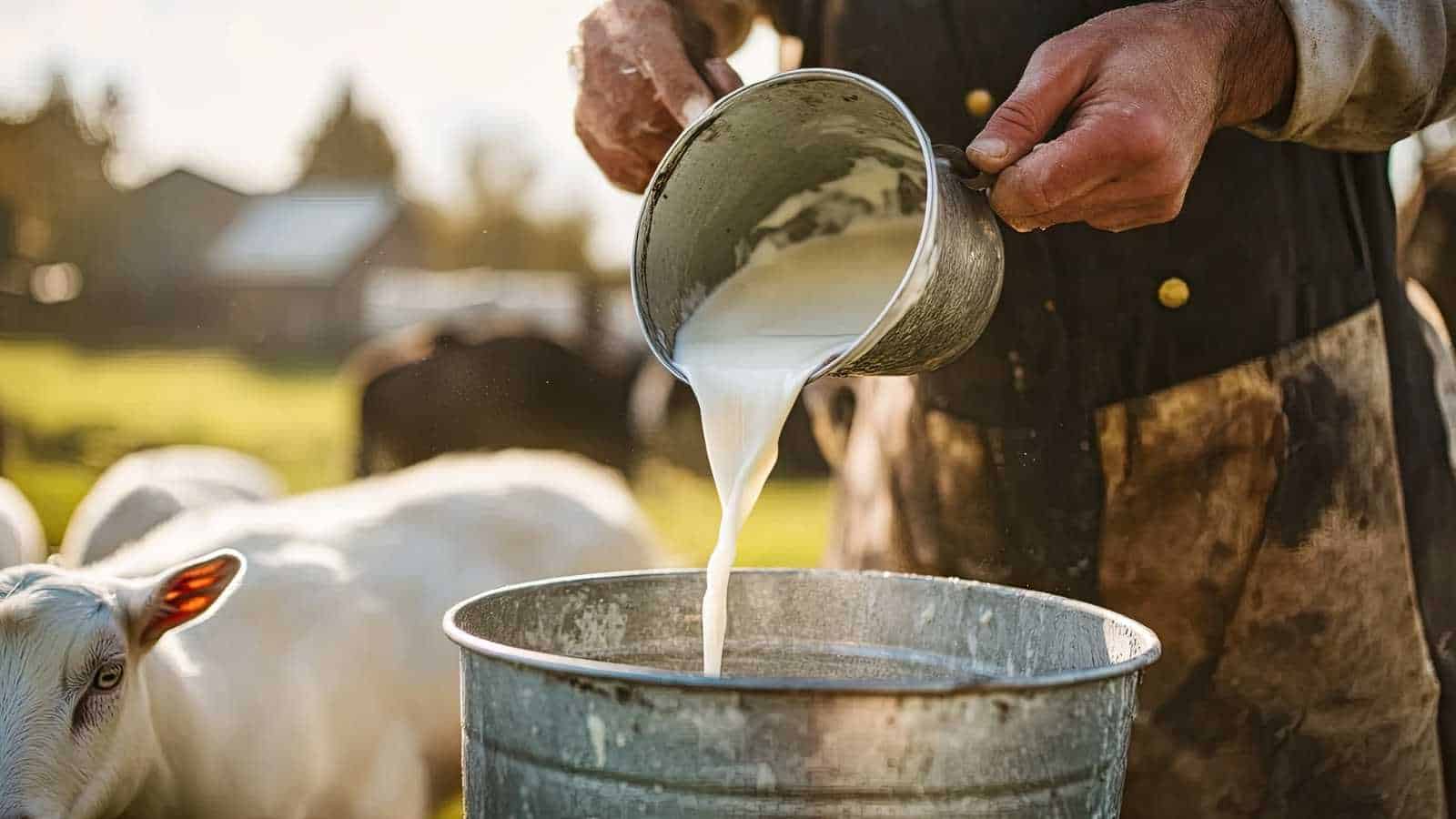
Remember the “Got Milk?” ads? They didn’t mention the synthetic hormones. Recombinant Bovine Somatotropin (rBST) is a genetically engineered hormone injected into dairy cows to force them to produce about 10-15% more milk. While the FDA insists it’s safe for humans, the cows suffer from higher rates of mastitis (painful udder infections), which farmers then treat with more antibiotics.
Canada, Japan, Australia, New Zealand, and the EU have all banned rBST, primarily for animal welfare reasons. But there’s a human twist too: milk from treated cows contains higher levels of IGF-1, a hormone linked in some studies to breast, prostate, and colon cancers in humans. Thankfully, consumer demand is forcing change here; check your labels for “rBST-free” to opt out of this science experiment.
Chlorinated chicken carcasses

This one sounds like a bad internet rumor, but it’s a standard industry practice. In the US, poultry producers often dip chicken carcasses into chlorine dioxide baths to kill bacteria such as Salmonella and Campylobacter. Why? Because birds often live in crowded, unsanitary conditions on factory farms, they arrive at the slaughterhouse covered in pathogens.
The EU banned this “chemical wash” approach way back in 1997. They argue that relying on a chlorine bath disincentivizes farmers from keeping clean hygiene standards during the birds’ lives, a “farm to fork” philosophy versus our “clean it up at the end” approach. The British notoriously refused to accept “chlorinated chicken” as part of post-Brexit trade deals with the US. Expert data suggests chlorine doesn’t work very well; Consumer Reports found concerning levels of bacteria on US chicken despite chemical baths.
Stove Top stuffing with BHA and BHT

Thanksgiving dinner might come with a side of petroleum-derived preservatives. Butylated Hydroxyanisole (BHA) and Butylated Hydroxytoluene (BHT) are waxy solids used to keep fats in processed foods from going rancid. You’ll find them in everything from box stuffing to cereals like Honey Bunches of Oats.
Here is the kicker: The US National Toxicology Program classifies BHA as “reasonably anticipated to be a human carcinogen.” Yet, the FDA categorizes it as “Generally Recognized As Safe” (GRAS). The EU prohibits BHA in infant foods and restricts its use elsewhere, while Japan has banned it entirely. It seems odd that we allow a chemical in our food that our own government admits might cause cancer, doesn’t it?
Bread containing azodicarbonamide

You might know Azodicarbonamide (ADA) better by its nickname: the “yoga mat chemical.” Industrial manufacturers use ADA to create the spongy texture in yoga mats and shoe soles, but US food companies also use it to bleach flour and condition dough. When baked, ADA can break down into semicarbazide, a chemical that causes tumors in mice.
Europe and Australia have completely banned the use of ADA in food. In Singapore, using it can literally land you a 15-year prison sentence and a $450,000 fine. While Subway famously removed it from its bread after a massive public outcry in 2014, the FDA still allows it, and you can still find it in nearly 500 other commercial bakery products. Check your burger buns, folks.
Coffee Mate and trans fats
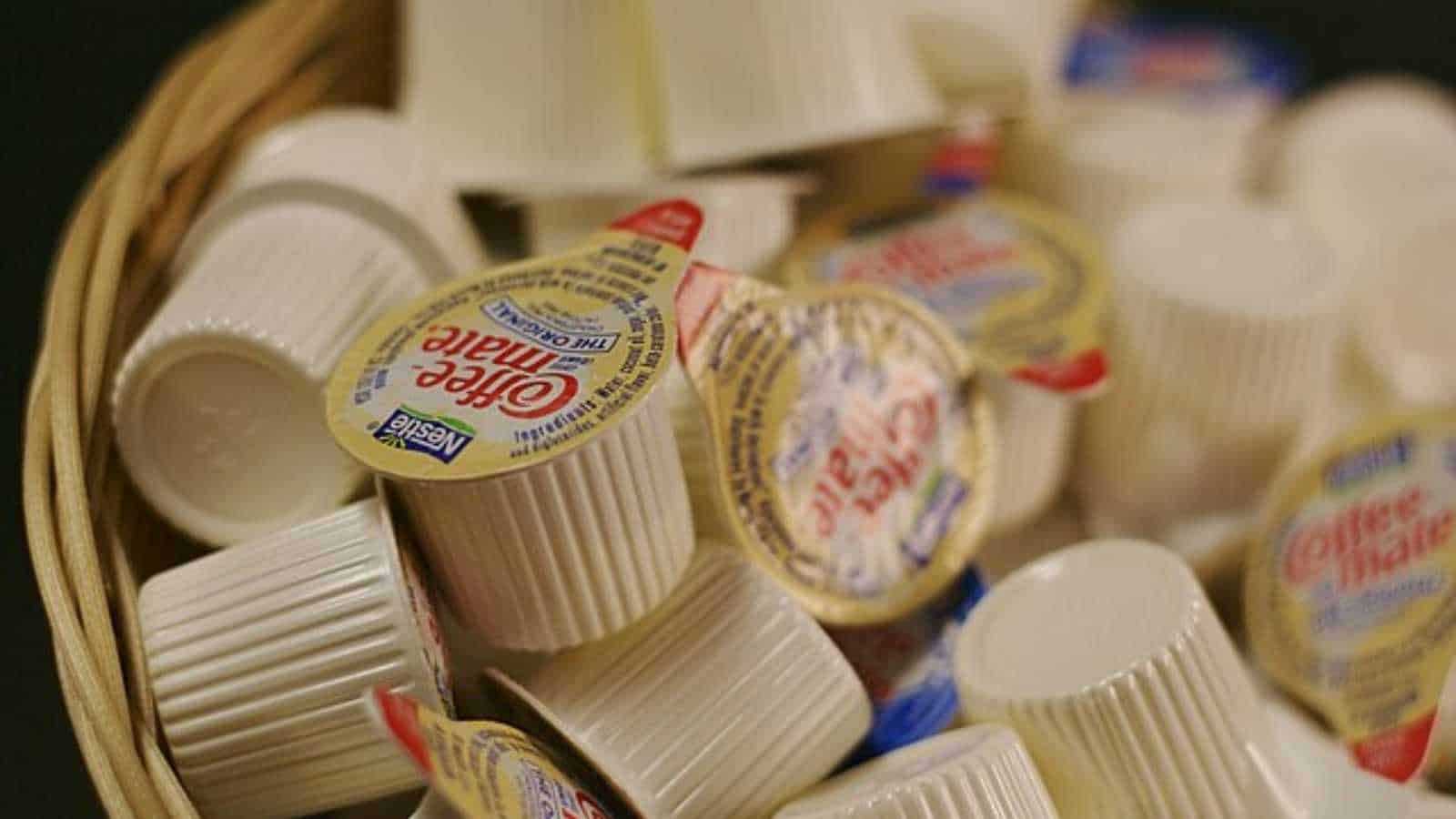
That creamy swirl in your morning joe might be illegal in Scandinavia. The culprit here is partially hydrogenated oil, the primary source of artificial trans fats. While the FDA effectively banned trans fats in 2018, a sneaky loophole allows companies to label products as “0g Trans Fat” if they contain less than 0.5 grams per serving.
Since the serving size for coffee creamer is tiny (one tablespoon), manufacturers can slip these heart-clogging oils into your cup without you knowing. Switzerland, Austria, Hungary, Iceland, Norway, and Denmark enforce stricter limits that effectively ban these products. They also hate titanium dioxide (the whitener we mentioned earlier), which is also often found in US creamers.
Little Debbie Swiss Rolls and yellow 5

We all have a soft spot for nostalgic snacks, but Little Debbie Swiss Rolls contain ingredients that require a warning label in Europe. I’m talking about Yellow 5 and Red 40. In the EU, foods containing these dyes must carry a label stating they “may have an adverse effect on activity and attention in children.”
Because of this “Scarlet Letter,” manufacturers usually reformulate their products for the European market, using natural colors such as beetroot or paprika. But here in the US? We just feed our kids petroleum-based dyes. Norway and Austria have gone a step further and banned some of these dyes entirely.
Key Takeaway
The gap between American and international food safety is startling. While other countries prioritize the “precautionary principle,” banning suspicious chemicals until they are proven safe, the US system often prioritizes shelf life, cost, and corporate convenience, leaving risky additives on our plates. Until regulations catch up, you must be your own advocate: read labels, avoid unpronounceable ingredients, and vote with your wallet.
Disclosure: This article was developed with AI and was subsequently reviewed, revised, and approved by our editorial team.
20 Odd American Traditions That Confuse the Rest of the World
20 Odd American Traditions That Confuse the Rest of the World
It’s no surprise that cultures worldwide have their own unique customs and traditions, but some of America’s most beloved habits can seem downright strange to outsiders.
Many American traditions may seem odd or even bizarre to people from other countries. Here are twenty of the strangest American traditions that confuse the rest of the world.
20 of the Worst American Tourist Attractions, Ranked in Order

20 of the Worst American Tourist Attractions, Ranked in Order
If you’ve found yourself here, it’s likely because you’re on a noble quest for the worst of the worst—the crème de la crème of the most underwhelming and downright disappointing tourist traps America offers. Maybe you’re looking to avoid common pitfalls, or perhaps just a connoisseur of the hilariously bad.
Whatever the reason, here is a list that’s sure to entertain, if not educate. Hold onto the hats and explore the ranking, in sequential order, of the 20 worst American tourist attractions.