Understanding the Relationship Between Endometriosis and IBS
Bloating, abdominal pain, constipation, diarrhea and painful bowel movements can all point toward IBS. But they can also occur with endometriosis—and sometimes, a person can have both conditions at the same time.
That overlap can make figuring out what’s actually causing digestive symptoms surprisingly difficult. Endometriosis can affect areas near the bowel and produce gastrointestinal symptoms, while hormonal changes across the menstrual cycle can also influence the gut. Meanwhile, IBS itself is common and can coexist with gynecological conditions rather than simply being mistaken for one.
One clue may be when symptoms occur. Digestive problems that consistently worsen around menstruation, bowel movements that become particularly painful during a period, pelvic pain, pain during sex, or unusually painful periods can warrant a conversation with a healthcare provider about whether something beyond IBS could be contributing.
So how are IBS and endometriosis connected, how can you tell their symptoms apart, and what happens when you have both? Here’s what you need to know.
Endometriosis: A Brief Overview

Endometriosis is a chronic medical condition that primarily affects people with female reproductive organs. In this condition, tissue similar to the lining of the uterus (endometrium) begins to grow outside the uterus, commonly in the pelvic region. This tissue growth can lead to various symptoms, including pelvic pain, painful menstrual periods, and infertility.
Irritable Bowel Syndrome (IBS): A Quick Introduction

IBS is a gastrointestinal disorder characterized by symptoms such as abdominal pain, bloating, and changes in bowel habits (constipation, diarrhea, or both). While IBS primarily affects the digestive system, it is considered a functional disorder, meaning it does not have a known structural or biochemical cause.
The Overlap: Why Do Endometriosis and IBS Coexist?

- Shared Nervous System: Both endometriosis and IBS involve the intricate network of nerves in the pelvic region. When endometriosis causes inflammation and pain, it can stimulate the nearby nerves, leading to a heightened perception of pain in the abdominal and pelvic areas. This heightened sensitivity can exacerbate IBS symptoms.
- Hormonal Influence: Hormones play a significant role in both conditions. Endometriosis is influenced by hormonal changes, particularly estrogen, which can also affect the gastrointestinal tract. Fluctuations in hormones can lead to changes in bowel habits and worsen IBS symptoms.
- Inflammation: Endometriosis is characterized by chronic inflammation in the pelvic region. Inflammation can trigger and exacerbate IBS symptoms, leading to abdominal discomfort and irregular bowel movements.
- Misdiagnosis: Due to the overlapping symptoms of both conditions, individuals with endometriosis may initially receive a misdiagnosis of IBS, and vice versa. This can delay proper treatment and management.
Managing Endometriosis and IBS Together
If you are one of the many individuals dealing with both endometriosis and IBS, it’s crucial to work closely with healthcare professionals who understand the complex interplay between these conditions. Here are some strategies for managing both conditions simultaneously:
- Medical Consultation: Seek guidance from healthcare providers who specialize in endometriosis and gastrointestinal disorders. They can provide a comprehensive assessment and create a tailored treatment plan.
- Pain Management: Addressing pain is a priority. Options include medication, physical therapy, and lifestyle changes to reduce inflammation and discomfort.
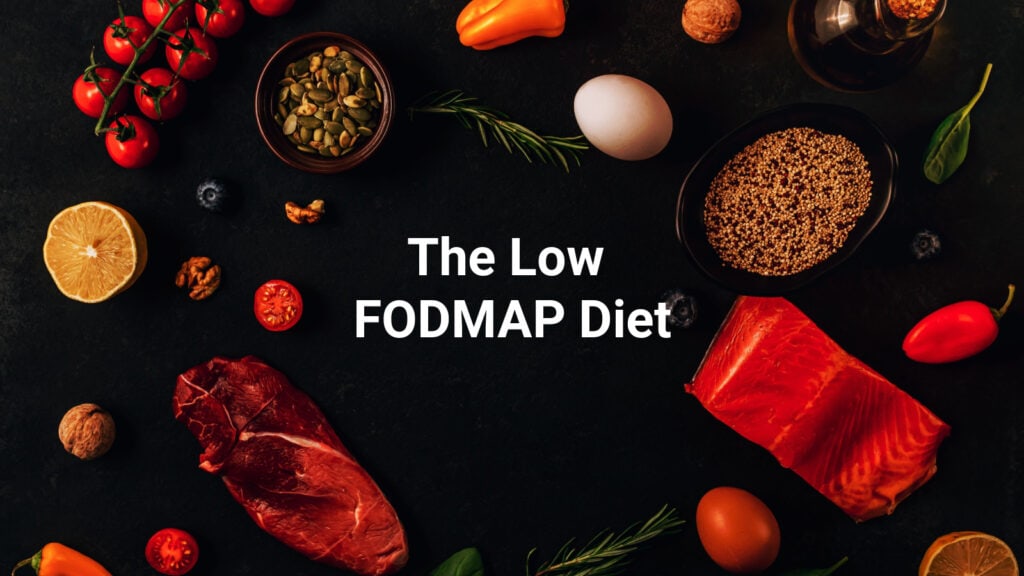
- Dietary Modifications: Some dietary changes, such as reducing trigger foods and incorporating a low FODMAP diet, can help alleviate IBS symptoms.
More Management Options

- Hormone Therapy: Hormone-based treatments may help manage both endometriosis and IBS symptoms. However, these treatments should be carefully considered with your healthcare provider, as they can affect fertility and other aspects of health.
- Stress Management: Stress can exacerbate both endometriosis and IBS symptoms. Practicing relaxation techniques, such as mindfulness and yoga, can be beneficial.
- Support Networks: Joining support groups for individuals with endometriosis and IBS can provide valuable emotional support and coping strategies.
The Takeaway

In conclusion, the relationship between endometriosis and IBS is complex, and managing both conditions simultaneously can be challenging. However, with the right medical guidance and a comprehensive approach, it is possible to improve your quality of life and effectively address the symptoms of both conditions. If you suspect you have both endometriosis and IBS, consult with a healthcare professional for an accurate diagnosis and personalized treatment plan.