

Would you risk your life for a six-figure paycheck? These 10 jobs show why money isn’t everything
Imagine being offered a job that pays $100,000 a year.
No fancy corner office. No endless Zoom meetings. And for some positions, you don’t even need a four-year college degree.
Sounds pretty tempting, doesn’t it?
Now imagine finding out that earning that paycheck means climbing electrical towers during storms, working underwater in freezing darkness, or spending weeks away from your family.
Suddenly, that salary doesn’t seem quite as appealing.
Across America, some of the most demanding jobs offer impressive earning potential. Yet employers in certain industries still struggle to find enough qualified workers.
And it’s not always because people lack the necessary skills.
Sometimes, the working conditions are enough to make even a generous paycheck feel like a bad deal.
Think about an air traffic controller responsible for keeping aircraft safely separated, an elevator mechanic working inside a narrow shaft, or a commercial diver repairing equipment deep beneath the water.
These aren’t jobs where you can simply switch off your computer at five and forget about work.
The physical risks, unpredictable schedules, isolation, and pressure can follow workers long after their shifts end.
And here’s what makes the situation interesting: Some of these careers offer earnings that rival jobs requiring years of expensive higher education.
Of course, not everyone in these fields earns six figures, and the highest salaries often depend on experience, location, overtime, or specialized qualifications.
But the trade-offs can still be substantial.
From dangerous electrical work and underwater repairs to exhausting trucking routes and emotionally difficult cleanup jobs, these 10 careers reveal why some Americans are willing to turn down impressive paychecks—and why others decide the rewards are worth the risks.
Sewage Inspectors
This is the definition of a dirty job: inspecting tanks, sewer lines, and water treatment facilities. It pays surprisingly well because the “ick factor” eliminates 99% of the interested workforce before they even apply. You are literally swimming in waste management, ensuring that cities don’t back up and overflow.
The smell never quite leaves you, and you have to wear full protective gear to start your morning shift. Society relies on these unsung heroes to function, so cities are willing to pay a premium to keep the systems running. It is honest work, but you won’t be bragging about the details at a dinner party.
Elevator Installers And Repairers
If you are not afraid of heights or tight spaces, this might be the solution you have been looking for. The median annual wage for elevator and escalator installers was $106,580 in May 2024, according to the Bureau of Labor Statistics. You spend your days inside shafts, suspended by cables, and working with high-voltage electricity, which immediately scares off most applicants.
The risk here is real, but union benefits and overtime pay can make it highly lucrative for the right person. Most people take one look at the physical risks involved and decide they would rather stay safely on the ground floor. It takes a special kind of nerve to trust your life to a metal box day in and day out.
Long-Haul Truck Drivers
The open road sounds romantic until you realize it means sleeping in a cab and missing every birthday, holiday, and weekend barbecue back home. The American Trucking Associations estimates that the driver shortage reached 78,800 in 2022, prompting companies to significantly increase pay. It is a solitary life that demands total focus for hours on end, which burns people out faster than a cheap tire.
Fleets are offering signing bonuses and salaries that can easily clear six figures for experienced drivers who own their rigs. Despite the cash on the table, the isolation and sedentary lifestyle make it a tough sell for younger generations. You have to truly love the highway to trade your social life for a paycheck.
Air Traffic Controllers
This job consistently ranks among the most stressful careers worldwide because a single mistake can be catastrophic. As of September 2024, over 40% of FAA terminals were understaffed, creating a high-pressure environment for those currently in the tower. You are responsible for thousands of lives every minute, requiring a level of hyper-focus that leaves you mentally drained by the end of a shift.
The mandatory retirement age is 56 because the cognitive load is too heavy for most people to sustain over the long term. The six-figure salary is great, but the burnout rate is so high that the FAA struggles to keep seats filled. It is a young person’s game that pays well if you can handle the crushing responsibility.
Commercial Divers
Forget the tropical fish and coral reefs because this type of diving involves fixing oil rigs or inspecting sewage pipes in pitch-black water. The top 10% of earners in this field make more than $136,990, but they earn every penny by working in terrifying conditions. You often work with heavy welding equipment underwater, where the pressure can quite literally crush you.
The physical toll on the body is immense, and the risk of decompression sickness is a constant shadow hanging over your head. It takes a rare breed to voluntarily jump into freezing, murky water to weld a pipe while breathing through a tube. The compensation is excellent, but hazard pay exists for a very good reason.
Oil Rig Derrick Operators
Working on an oil rig means living on a metal island in the middle of the ocean for weeks at a time, with nowhere to go. You work twelve-hour shifts in brutal weather conditions, handling heavy machinery that can tear a limb off in a split second. The isolation leads to high turnover rates, even though entry-level positions often pay better than college-degree jobs.
You essentially sign away your freedom for weeks, but you return home with a bank account that makes your friends jealous. For many people, the separation from family and the physical exhaustion aren’t worth the high salary. It is a boom-or-bust lifestyle that requires mental toughness most people lack.
Electrical Power Line Installers
When a storm knocks out the grid, these are the folks climbing poles in the rain and wind to get your Netflix back on. Employment for this role is projected to grow 7% from 2024 to 2034, much faster than the average growth rate for all occupations. You are dealing with high-voltage lines that give no second chances, all while hanging forty feet in the air.
The overtime during hurricane season can double your salary, turning a solid middle-class job into a high-income career. Most folks look at a sparking wire in a thunderstorm and run the other way, which is exactly why this job pays so well. It requires physical strength and a calm head under pressure.
Construction Managers
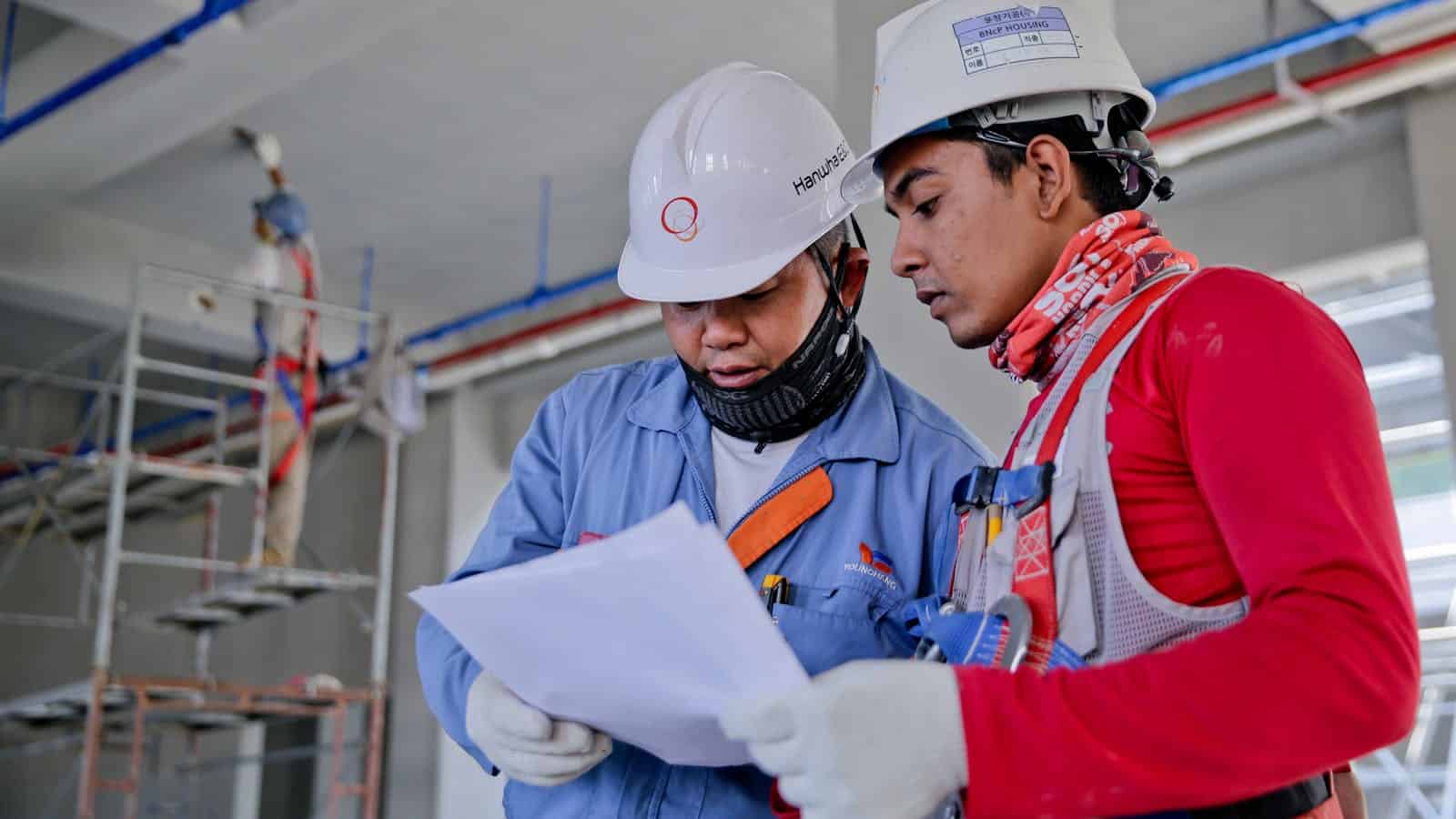
Construction sites are desperate for leaders who can manage crews, control budgets, and keep projects on track. The construction industry needs to attract an estimated 439,000 net new workers in 2025 to meet the current demand. The stress of deadlines and the chaos of a job site scare away many potential candidates who prefer a quiet office.
You are constantly putting out fires and dealing with safety regulations, weather delays, and difficult subcontractors. If you have thick skin and can command a room, you can name your price in this booming market. It is loud, dirty work, but the satisfaction of building a skyline comes with a hefty check.
Locomotive Engineers
Operating a train may sound like a childhood dream, but the reality involves erratic schedules that disrupt your sleep cycle. Railroads are offering substantial hiring incentives because no one wants to be on call 24/7, regardless of pay. You spend days away from home, living out of a bag and sleeping in hotels between runs.
Strict attendance policies and a lack of work-life balance have led to high-profile labor disputes in recent years. Money is good, but the inability to plan a simple dinner with your spouse drives many engineers to quit. You need to be okay with missing life’s milestones if you want to ride the rails.
Crime Scene Cleaners
Someone has to clean up the mess after a tragedy, and it requires a stomach of steel and a compassionate heart. You can make a very comfortable living, but you are dealing with biohazards and emotional trauma every single day. The work is unpredictable, often requiring you to wake up at 3 a.m. to scrub a scene before a business can reopen.
It is a niche industry that pays well because the psychological toll is difficult for most people to handle. You see the worst parts of humanity, yet you perform a vital service that helps families begin to heal. It takes a very specific personality to handle the gore and the grief without breaking down.
More articles you might like:
- 12 Signs America’s Class Divide Is Growing Bigger Than Ever
- Which Grocery Store Helps SNAP Benefits Go The Furthest? Here’s What Experts Suggest
- 12 States That Could Be Hit Hardest By Social Security And Medicaid Cuts