8 things women have stopped enjoying after turning 30
Remember when your biggest weekend dilemma was which party to go to? Yeah, things have changed.
And honestly? It’s for the better. Turning 30 isn’t about getting old; it’s about getting real. It’s a decade where life’s big questions about career, family, and long-term happiness come into sharp focus, forcing us to re-evaluate what truly matters.
This isn’t just a vibe; it’s a well-documented psychological shift. Research by the National Institutes of Health suggests that our personality traits tend to stabilize after the age of 30, providing us with a clearer sense of who we are. We’re no longer just exploring—we’re building. And that means we start shedding the societal “shoulds” we carried in our 20s and start living for ourselves.
The theme of this decade isn’t about losing joy; it’s about redefining it on our own terms. So, let’s get into the things we’ve happily left behind.
Saying ‘yes’ to every social invitation

Remember FOMO, the Fear Of Missing Out? It pretty much ran our 20s. In fact, studies show that up to 70% of millennials have felt FOMO when it comes to events and experiences. We felt like we had to be everywhere, all the time. But in our 30s, something magical happens. FOMO quietly gets replaced by its much calmer, wiser cousin: JOMO, the Joy of Missing Out.
It’s a shift from quantity to quality. Our social circles naturally get smaller and more intentional after 30. It just takes more effort to maintain connections, so we become fiercely protective of our time and energy.
Instead of chasing every social event, we start investing our time in the people and activities that genuinely recharge us.
Tolerating toxic relationships and one-sided friendships
There was a time when we excused bad behavior, overlooked red flags, and tried to fix people who seemed irreparably damaged. Our 20s were often a masterclass in what we don’t want in a relationship. By our 30s, the final exam is over, and we’re done with extra credit. We learn to let go of people who drain our energy, whether it’s a flaky friend, a critical family member, or a romantic partner who thrives on drama.
This isn’t about being cold; it’s about self-preservation. Interestingly, SocialSelf reports that women struggle the most with toxic people after their mid-30s, often because these individuals are embedded in our lives (like in-laws or colleagues). This makes learning to set firm boundaries an essential survival skill.
We finally realize that our peace is more valuable than anyone’s approval.
Chasing fast fashion trends
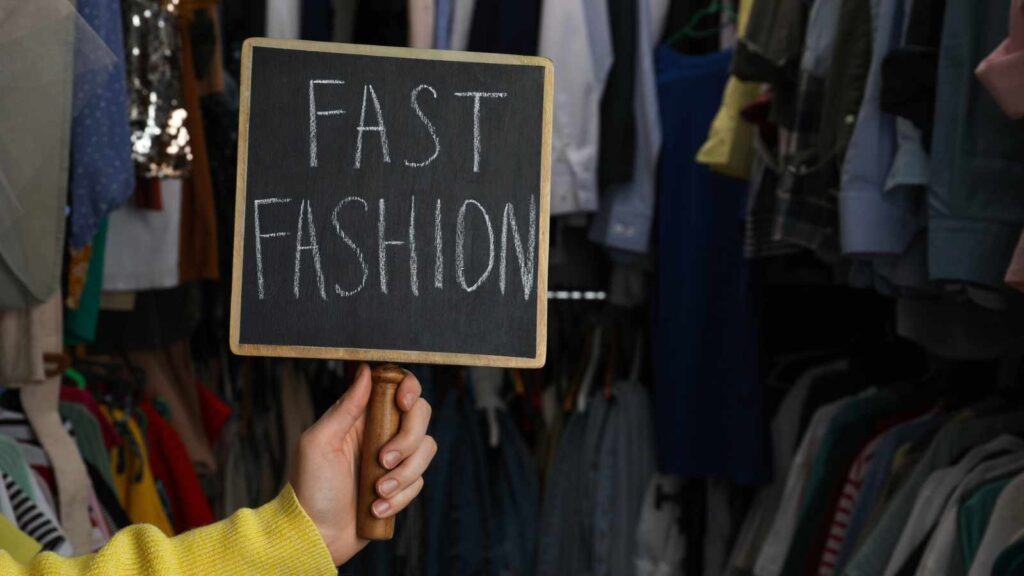
If your 20s were all about experimenting with trends, your 30s are about refining—not reinventing—your personal style. The days of buying a cheap top for a single night out are pretty much over.
In our 30s, our priorities shift. We start thinking about quality over quantity, investing in timeless pieces that will last for years, not just a season. The idea of a “capsule wardrobe”—a curated collection of versatile, high-quality items—suddenly makes so much sense.
It’s also a practical move. Our careers are often more established, requiring a wardrobe to match, and let’s be real, who has time for a closet crisis every morning? We stop letting trends define us and start building a wardrobe that reflects who we’ve become.
Grinding 24/7 in ‘hustle culture’
Many women describe a period of “#girlbossing” from their mid-20s to mid-30s, only to find themselves completely burnt out and disillusioned. That “rise and grind” mentality, which felt so motivating in our 20s, starts to feel like a trap.
“Hustle culture” is defined as the belief that constant work is the key to success, but it often just leads to anxiety, exhaustion, and a total blurring of the lines between work and life.
A Gallup study found that during the pandemic, 34% of women reported they feel burned out “always” or “very often,” compared to 26% of men.
This reality check is why work-life balance becomes non-negotiable in our 30s. We stop seeing burnout as a badge of honor and start seeing rest as a radical act of success.
Weekend benders and heavy drinking
“The whole clubbing and partying scene really dies down as you enter your mid-30s… I did enough in my 20s for the rest of my life,” as one woman on Reddit perfectly put it.
The late-night, booze-fueled weekends of our 20s just don’t hit the same. Nightclub attendance has been on the decline, thanks to high costs and a general shift away from drinking culture.
A recent Gallup poll showed a major drop in alcohol consumption, especially among women, whose drinking rate fell 11 percentage points to 51%.
We’re swapping hangovers for hydration and discovering that a fun weekend doesn’t have to come with a three-day recovery period.
Trying to live up to impossible beauty standards
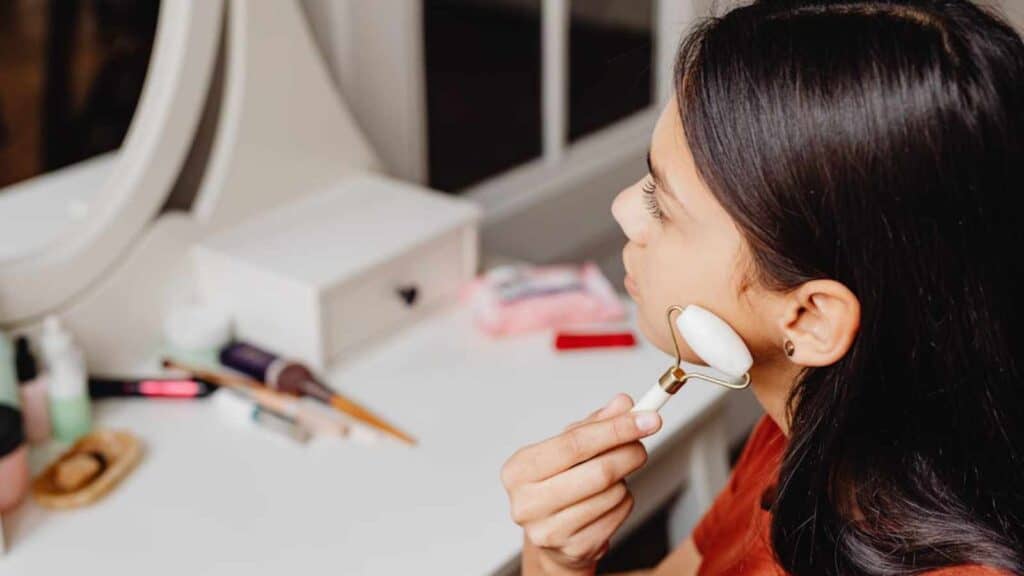
We have stopped buying into the anti-aging rhetoric and have started embracing our natural beauty, graying hair, wrinkles, and other symbols of our beautiful life experience.
Let’s be clear, the pressure is still intense. A survey by the Mental Health Foundation found that 43% of women have felt “down or low” because of their body image. And our 30s are when we start seeing those first real physiological changes, such as a slower metabolism or laugh lines that persist.
But instead of fighting a losing battle, many of us choose to make peace. The focus shifts from what our bodies look like to what they can do. We find validation from within instead of from the mirror or a magazine cover.
We learn that our worth isn’t measured in wrinkles, and confidence is our best accessory.
Mindless spending and financial instability
Your 30s are when your financial decisions really start shaping your future. The carefree spending habits of our 20s, where maybe 80% of our paycheck went to rent and fun, just don’t cut it anymore.
With big goals like buying a home, saving for retirement, or starting a family on the horizon, financial literacy becomes a top priority. We start creating budgets, aggressively paying down high-interest debt, and finally figuring out how to invest.
It’s a necessary change, especially given SmartAsset’s findings that the spending of single millennial women often exceeds their post-tax income, a precarious situation we have become determined to address.
We stop living paycheck to paycheck and start building a life with a solid financial foundation.
Playing dating games
“I don’t want guessing games. I want clear communication. No sitting wondering or being anxious.” This sentiment from a woman in her 30s captures the new dating ethos perfectly. The drama, the ambiguity, the “what are we?” talks that defined our 20s dating life become exhausting. We just don’t have the time or the emotional energy for it anymore.
Licensed marriage and family therapist Dr. Hernando Chaves confirms this, stating, “I find that people have more clarity with what they want and what they need in their 30s as opposed to their 20s.” We’re no longer looking for a “whirlwind romance” but for a genuine partner with shared values and emotional maturity.
Many of us have built happy, fulfilling lives on our own. So we’re not looking for someone to complete us; we’re looking for someone who complements us. This confidence makes us far less likely to settle for the wrong person out of fear of being alone.
Clarity, honesty, and respect become the new currency in our love lives.
Key Takeaway
Turning 30 isn’t an end, but a powerful beginning. It’s the decade women stop asking for permission and start living with intention.
- We trade external validation for internal clarity.
- We curate our lives—from our friendships to our closets—based on what truly serves us.
- We redefine success, prioritizing well-being and peace over burnout and busyness.
- We learn that setting boundaries is the ultimate form of self-care.
16 best jobs for pregnant women

16 Best Jobs for Pregnant Women
Pregnancy is a transformative and joyous period in a woman’s life, but it comes with unique challenges and demands. One of the most crucial aspects during this time is ensuring a healthy work-life balance.
Finding the right job during pregnancy is not just about earning an income; it’s about maintaining your health, well-being, and peace of mind.