12 reasons why more women are choosing trades over office jobs
A significant shift is happening in the workforce.
For decades, the corner office was seen as the pinnacle of success. Yet, a growing number of women are trading keyboards for tool belts, finding fulfillment and opportunity not in cubicles, but on construction sites, in workshops, and as skilled trade professionals. This movement isn’t just about a few individuals; it’s a powerful trend reshaping industries and challenging traditional career paths.
Women now make up a larger portion of the construction industry than ever before. According to the Institute for Women’s Policy Research, between 2017 and 2018 alone, the number of women in construction trades increased by 17.6%. This surge is driven by a combination of economic necessity, personal fulfillment, and a changing perception of what constitutes a “good job.” Let’s explore the 12 key reasons why more women are choosing the trades over office work.
Higher Earning Potential, Sooner

One of the most compelling reasons women are drawn to the trades is the significant earning potential, often without the need for a costly four-year degree. While many office jobs require a bachelor’s degree to even get an interview, skilled trades often pay well during an apprenticeship.
An apprentice electrician, for example, can earn a solid wage while learning, and a licensed journeyman electrician can make an average of $60,000 per year, with top earners exceeding $99,000. This financial head start is a powerful incentive compared to accumulating student loan debt for an entry-level office position.
Lower Barrier to Entry

The trades offer a practical and accessible path to a stable career. Instead of four years of university, many trades require a high school diploma followed by a trade school program or a paid apprenticeship, which can last from two to five years. This “earn while you learn” model is a game-changer.
Tangible and Satisfying Work
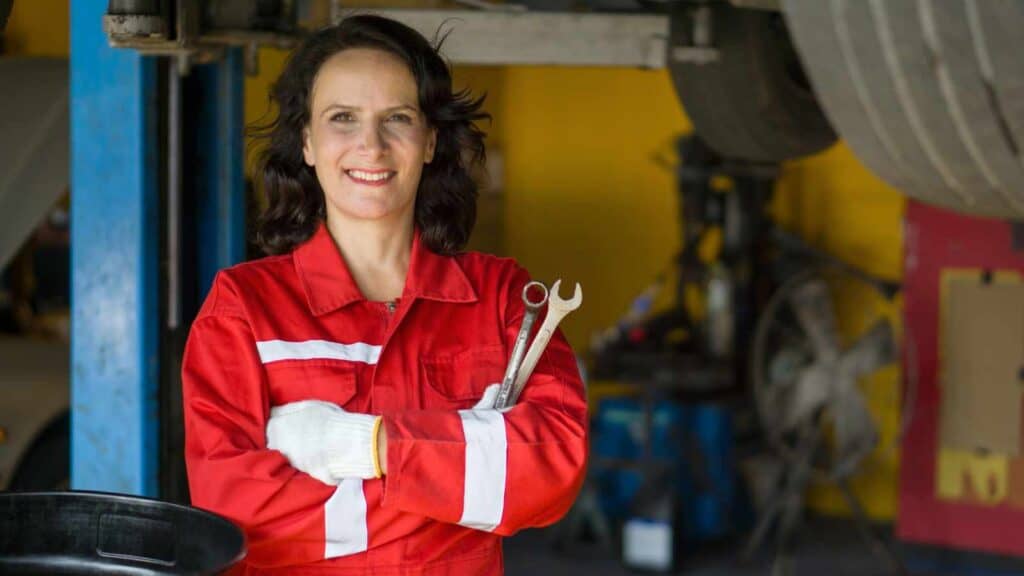
Many office jobs involve abstract tasks, endless emails, and meetings that could have been emails. For many, the work can feel disconnected from any real-world result. In contrast, the trades offer the profound satisfaction of creating, building, and repairing things with your own hands.
Whether it’s wiring a new home, welding a critical component, or restoring a classic car, the result is tangible. You can stand back at the end of the day and see the physical proof of your labor. This sense of accomplishment is a powerful motivator that office work often lacks.
Closing the Gender Pay Gap

While a gender pay gap still exists across most industries, the trades show a much smaller disparity. In construction, for example, women earn approximately 99.1 cents for every dollar a man earns, compared to the national average of about 84 cents.
This near-parity is largely due to unionization and standardized pay scales, where wages are determined by skill level and experience, not by gender. For women seeking equitable pay for their work, the trades present a more level playing field.
High Demand and Job Security

The United States is facing a critical shortage of skilled trade workers. As a generation of baby boomers retires, there are not enough new workers to fill their roles. The Associated Builders and Contractors association estimates the construction industry needs to attract more than 500,000 new workers in 2024 alone to meet demand.
This skills gap translates into incredible job security for those with the right training. A skilled welder, plumber, or mechanic is always in demand, offering a level of stability that can be elusive in corporate environments prone to layoffs and restructuring.
Opportunities for Entrepreneurship

The trades are a natural launchpad for entrepreneurship. After gaining experience and mastering a skill, many tradeswomen go on to start their own businesses. From founding a plumbing company to opening an independent auto-repair shop, the potential to be your own boss is immense.
This path offers autonomy, control over your schedule, and the potential for unlimited income—a level of freedom rarely found in a traditional corporate hierarchy.
Active and Physical Work
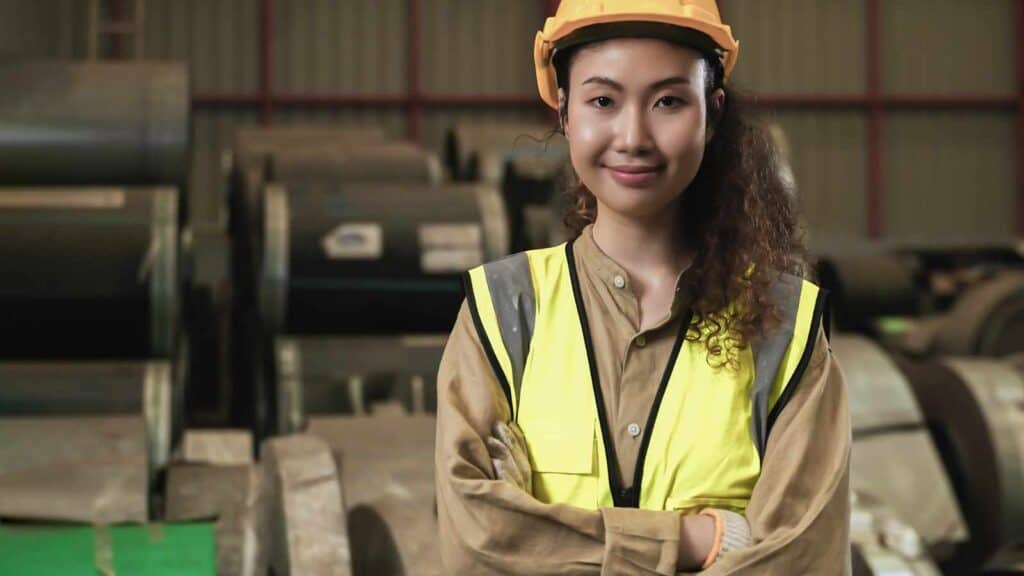
For women who dread the thought of sitting at a desk for eight hours a day, the active nature of the trades is a major draw. The work is physical, engaging, and keeps you on your feet. It’s a career that builds physical strength and stamina, integrating wellness into the workday. This hands-on environment is a healthier and more stimulating alternative to a sedentary office lifestyle.
Less Office Politics, More Teamwork

Corporate environments can sometimes be breeding grounds for office politics, gossip, and unproductive social navigation. The trades, on the other hand, often foster a more straightforward, team-oriented culture.
Success on a job site depends on clear communication, trust, and everyone doing their part. The focus is on getting the job done safely and efficiently. Many women appreciate this direct and collaborative environment, where performance speaks louder than words.
Breaking Stereotypes and Inspiring Others
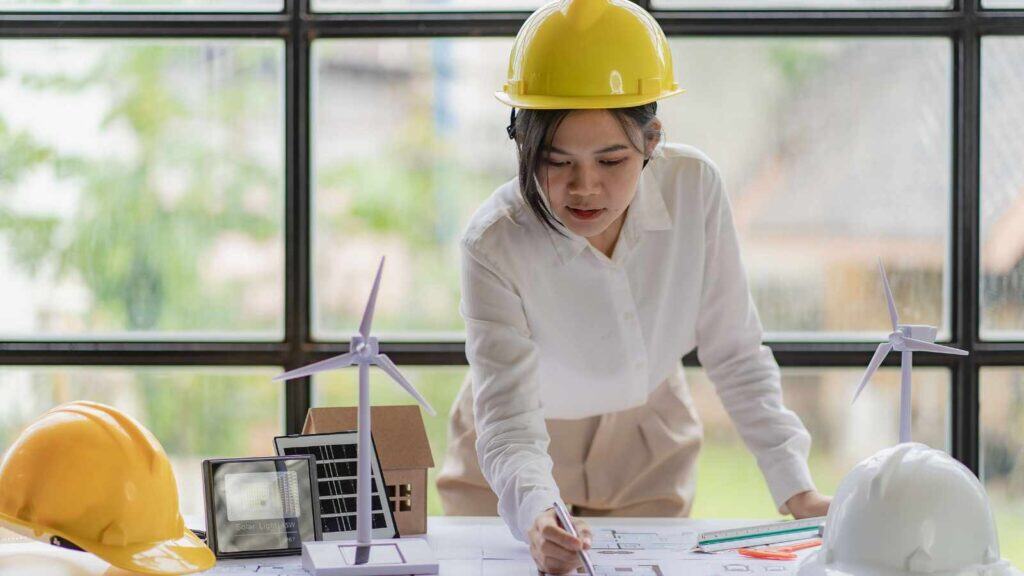
Many women entering the trades are pioneers, motivated by the desire to break down long-standing stereotypes. They are proving that skill, strength, and competence have no gender.
“Every time a woman puts on a hard hat, she’s not just doing a job; she’s changing the face of the industry,” says Alice, a master carpenter from Chicago. “I have young girls come up to me and say they want to be like me when they grow up. That’s a feeling no desk job could ever give me.” These women become role models, inspiring the next generation to consider careers they might have never thought possible.
Focus on Problem-Solving

At its core, trade work is about solving real-world problems. A plumber diagnoses a leak, an HVAC technician figures out why a system isn’t cooling, and a machinist crafts a precise part to make a machine work. This daily intellectual challenge requires critical thinking and creativity. For many, a career spent solving tangible puzzles is far more engaging than managing spreadsheets or answering emails.
Growing Community and Support

As more women enter the trades, support networks and communities have grown stronger. Organizations like Women in Construction (WIC) and the National Association of Women in Construction (NAWIC) provide mentorship, networking opportunities, and advocacy. This sense of sisterhood helps women navigate challenges and thrive in a traditionally male-dominated field.
Flexibility and Project-Based Work
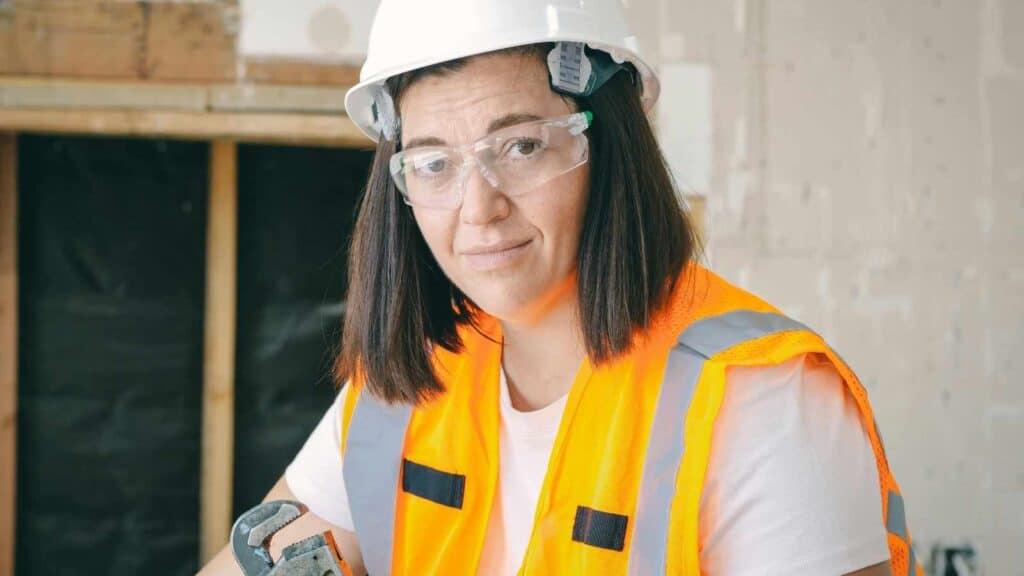
While not always the case, some trade professions offer more flexibility than a standard 9-to-5 office job. Project-based work allows for periods of intense work followed by time off. Some tradespeople work for themselves, giving them complete control over their schedules. This can be particularly appealing for women seeking a better work-life balance than a rigid corporate schedule allows.
A New Blueprint for Success

The movement of women into the skilled trades is more than a trend; it’s a redefinition of career success. It reflects a desire for tangible results, financial independence, and work that is both challenging and fulfilling. As industries continue to face labor shortages, the talent, skill, and determination of women will be essential. By choosing trades over offices, these women are not just building structures—they are building a more inclusive, equitable, and resilient workforce for the future.
Why investing for retirement is so important for women (and how to do it)

Why investing for retirement is so important for women (and how to do it)
Retirement planning can be challenging, especially for women who face unique obstacles such as the wage gap, caregiving responsibilities, and a longer life expectancy. It’s essential for women to educate themselves on financial literacy and overcome the investing gap to achieve a comfortable and secure retirement. So, let’s talk about why investing for retirement is important for women and how to start on this journey towards financial freedom.