14 items you didn’t realize are cluttering your life
Take a quick look around your home.
Does it feel like your space is working for you, or against you? Often, it’s not the big, obvious messes that cause stress, but the small, forgotten items that slowly accumulate. This isn’t just about aesthetics; a study published in the Journal of Environmental Psychology shows a direct link between a cluttered home and our mental well-being. A disorganized environment can increase cortisol, our stress hormone, making it harder to relax and focus.
Professional organizer Regina Lark states that the average American home contains around 300,000 items. It’s no wonder that many of us feel overwhelmed without knowing why. As organizational expert Marie Kondo says, “The question of what you want to own is actually the question of how you want to live your life.”
Let’s explore some of the most common, yet overlooked, culprits that are likely cluttering your space and your mind. Here are 14 items you can probably let go of today.
Outdated Electronics and Cables
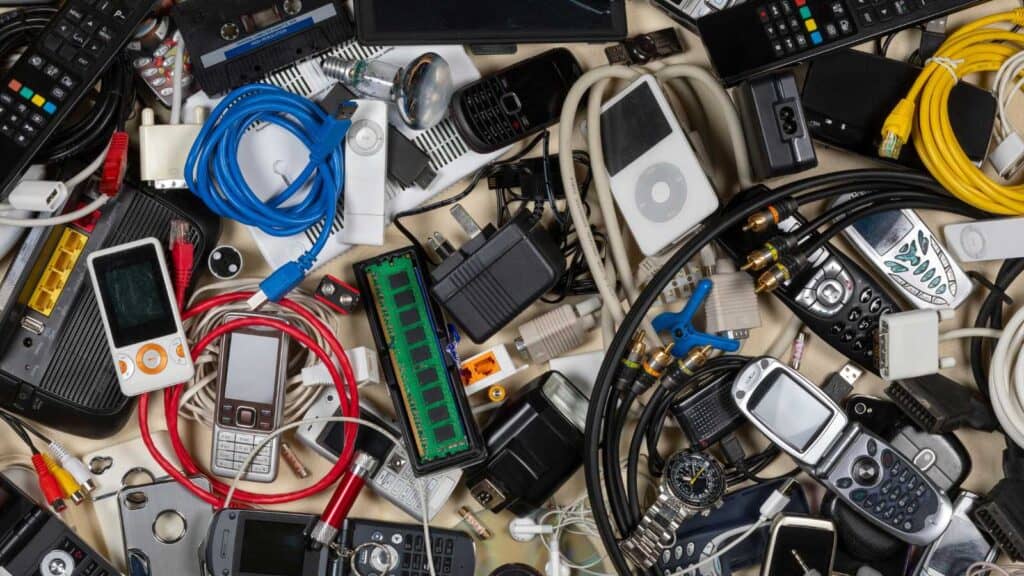
That old flip phone, the first-generation tablet, and that tangled mess of mystery cables are prime examples of digital clutter. We often keep them “just in case,” but they quickly become obsolete.
Action Tip: Most communities have electronic recycling programs. Gather all your old devices and cords, wipe any personal data, and drop them off. You’ll be surprised how much space you reclaim.
Unused Kitchen Gadgets
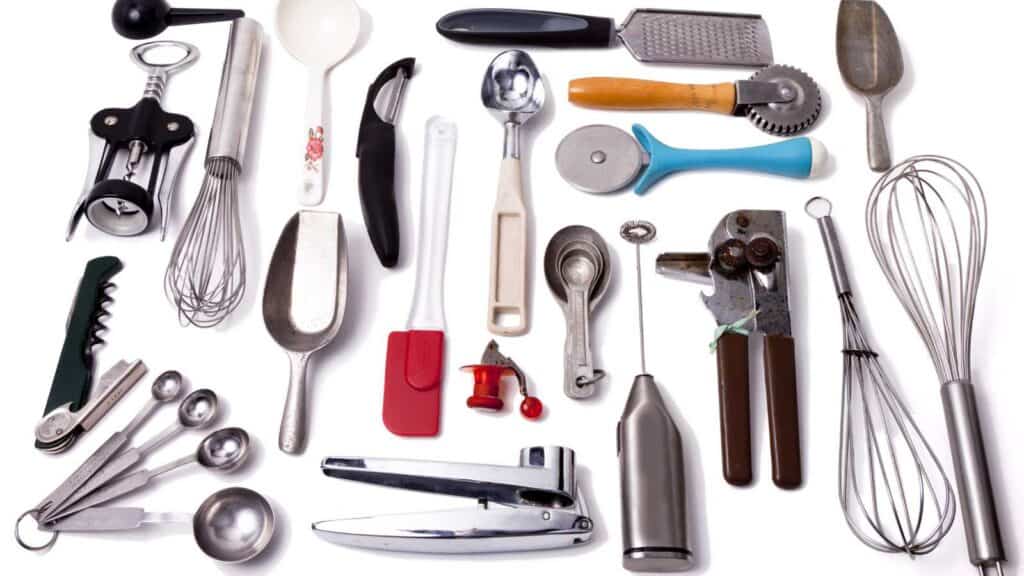
The pasta maker you used once? The spiralizer from that health kick five years ago? Our kitchens are often museums of good intentions. If a gadget hasn’t been used in the last year, it’s taking up valuable counter or cabinet space.
Action Tip: Donate or sell these items. If you’re unsure, box them up and store them in the garage for three months. If you don’t miss them, it’s time for them to go.
Old Receipts and Paperwork
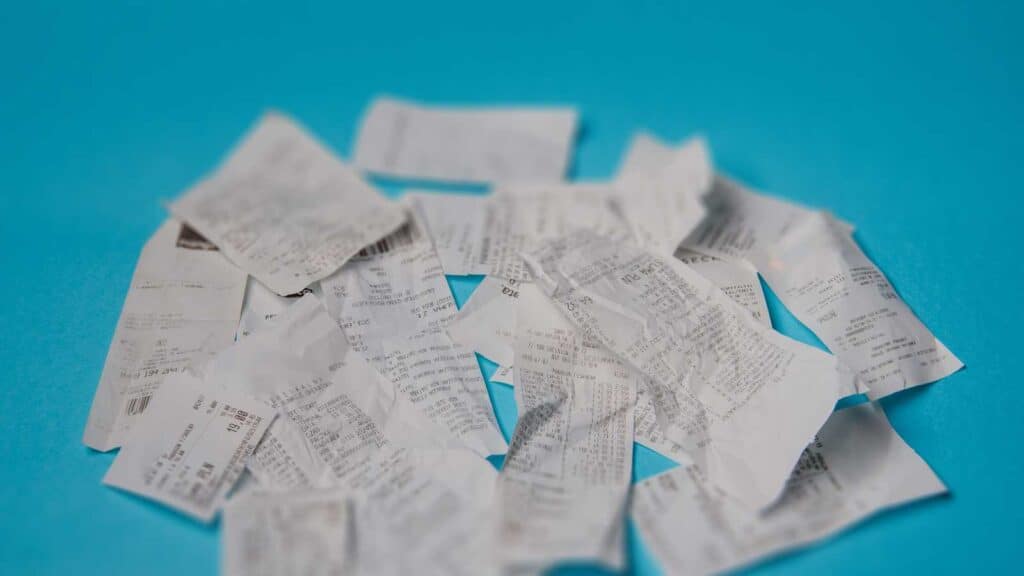
Unless needed for tax purposes or warranties, most receipts are just paper clutter. The same goes for old bills, expired coupons, and junk mail. This paper pile-up can make your workspace feel chaotic and hinder productivity.
Action Tip: Dedicate 15 minutes to sorting through your paper piles. Digitize important documents using a scanner or a simple phone app, and shred the rest.
Promotional Freebies
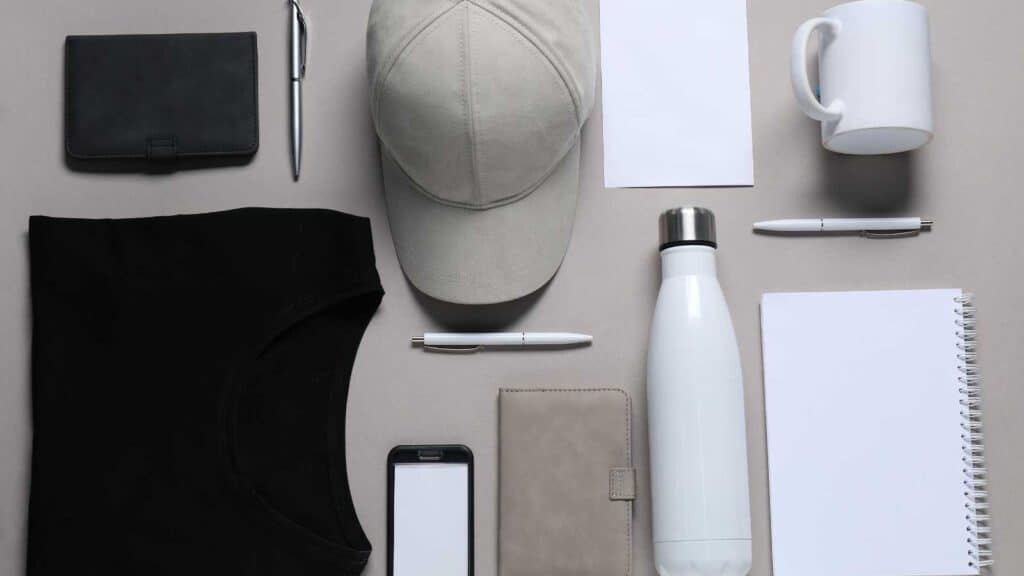
That free t-shirt from a 5k, the branded pen that barely writes, the tote bag from a conference—these items are designed to be memorable, but they often just add to the clutter.
Action Tip: Be selective about what you accept. For the items you already have, use them for messy jobs (like painting) or donate them to a local charity.
Expired Toiletries and Makeup

Your bathroom cabinet can be a treasure trove of clutter. That half-used bottle of sunscreen from three summers ago and that trendy eyeshadow you never wore are likely expired. Most makeup has a shelf life of 6-24 months.
Action Tip: Go through your toiletries and cosmetics. Check for expiration dates and discard anything that’s past its prime or that you no longer use.
Books You Won’t Reread

We love our books, but not every book is a keeper. Textbooks from college, novels you didn’t enjoy, and duplicate copies take up significant shelf space.
Action Tip: Keep only the books that you truly love or reference often. Donate the rest to a local library, school, or a “little free library” in your neighborhood.
Excess Mugs
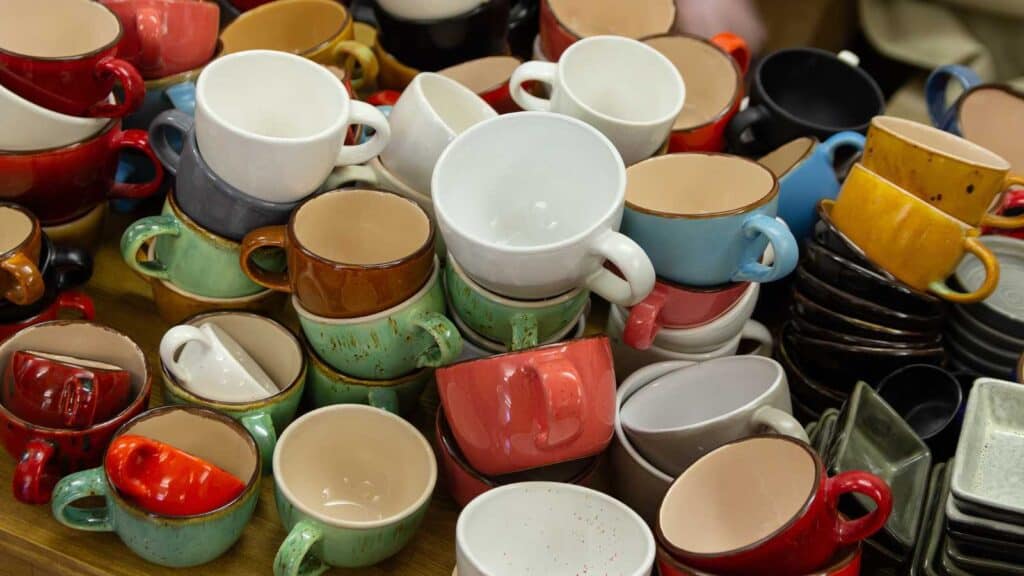
Somehow, mugs multiply. Whether they are gifts, souvenirs, or impulse buys, most of us have far more mugs than we can possibly use.
Action Tip: Pick your favorites—the ones that make your morning coffee feel special. Donate the rest.
Old Magazines and Newspapers

The intention to read them is always there, but stacks of old magazines and newspapers quickly become clutter. The information within them is often outdated within weeks.
Action Tip: Rip out any articles or recipes you genuinely want to keep and put them in a binder. Recycle the rest of the stack.
Unworn Jewelry and Accessories

That broken necklace you meant to fix, the earrings that irritate your skin, the scarf that doesn’t match anything—these small items create significant clutter in our drawers and on our dressers.
Action Tip: Go through your accessories. Be honest about what you will actually wear or repair. Sell valuable pieces or donate the costume jewelry.
Food Storage Containers Without Lids
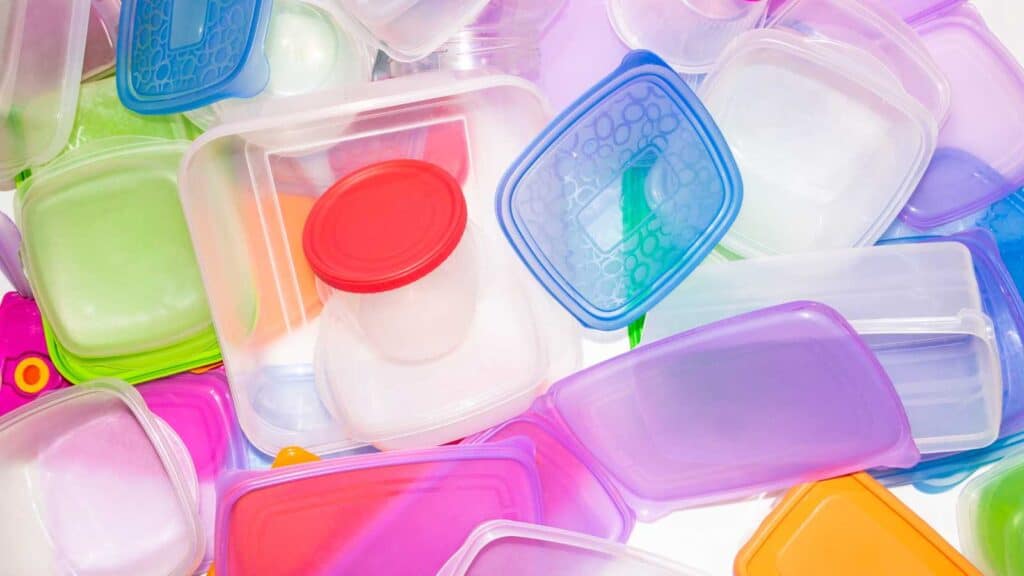
Everyone has a chaotic plastic container drawer. It’s often filled with mismatched lids and bottoms, making it impossible to find a usable set when you need one.
Action Tip: Take everything out. Match every container to its lid. Recycle any pieces that don’t have a partner.
Single Socks

The mystery of the missing sock is a universal one. Keeping a collection of single socks in the hope that their partners will reappear is often a futile effort.
Action Tip: Give yourself a time limit. If the other sock doesn’t turn up in a month, repurpose the single sock as a dusting rag or let it go.
Instruction Manuals
Most appliance and electronics manuals can be found online with a quick search. Keeping the paper versions just adds to your file cabinet clutter.
Action Tip: Take a moment to look up the manual for your TV or microwave online. Once you see how easy it is to find, you’ll feel confident recycling the paper copies.
Old Hobby Supplies

Supplies for hobbies you’ve moved on from—like knitting needles, paint sets, or scrapbooking materials—can take up a lot of room. Holding onto them can sometimes even induce guilt.
Action Tip: If you haven’t touched the supplies in over a year, consider donating them to a school, community center, or selling them to someone who will enjoy the hobby now.
“Just in Case” Items

This is a broad category that includes anything you’re keeping for a hypothetical future scenario. As psychologist Dr. Laura Oliff notes, “Clutter can be a physical manifestation of mental baggage. Holding onto things ‘just in case’ often reflects a fear of scarcity or an inability to let go of the past.”
Action Tip: Evaluate these items with honesty. If the “just in case” scenario is highly unlikely, give yourself permission to release the item and the mental weight that comes with it.
Why investing for retirement is so important for women (and how to do it)

Why investing for retirement is so important for women (and how to do it)
Retirement planning can be challenging, especially for women who face unique obstacles such as the wage gap, caregiving responsibilities, and a longer life expectancy. It’s essential for women to educate themselves on financial literacy and overcome the investing gap to achieve a comfortable and secure retirement. So, let’s talk about why investing for retirement is important for women and how to start on this journey towards financial freedom.