12 Breakfast Foods Americans Have Forgotten About
The Harris Poll reports that 70% of Americans still believe breakfast is the most important meal of the day. While CivicScience data shows that 58% of us have shifted to eating at home more since 2019, convenience is still king.
So how did we get here? How did we go from hearty, sit-down meals to instant everything? Food historian Heather Arndt Anderson puts it perfectly: “Advertising was practically invented to sell cereal… It sort of offered working mothers a chance to let kids take care of themselves in the morning.” That one shift changed everything.
Before avocado toast and drive-thru lattes, our grandparents’ breakfast table told a completely different story—one of thrift, tradition, and hearty meals built for long days, not quick commutes. Let’s take a trip back and rediscover the breakfasts we left behind.
Scrapple: The Mid-Atlantic’s thrifty powerhouse

Scrapple is a true American original, born from the Pennsylvania Dutch philosophy of “waste not, want not.” It’s a loaf made from pork scraps boiled with cornmeal and spices, then sliced and pan-fried until the outside is impossibly crispy and the inside is soft and savory.
This dish traces its roots to 16th-century Germany, where a similar dish called panhas was made. German immigrants brought the tradition to Pennsylvania. As Amy Strauss, author of Pennsylvania Scrapple: A Delectable History, explains, “They mixed cornmeal with all of the leftover scraps from their day’s butchering and voila—scrapple was born.”
But as post-war America grew more prosperous, foods made from scraps and offal got a bad rap as “poverty food.” Scrapple’s popularity faded nationally, though it remains a fiercely beloved regional icon in Pennsylvania, Maryland, and Delaware.
Fried cornmeal mush: America’s original comfort food
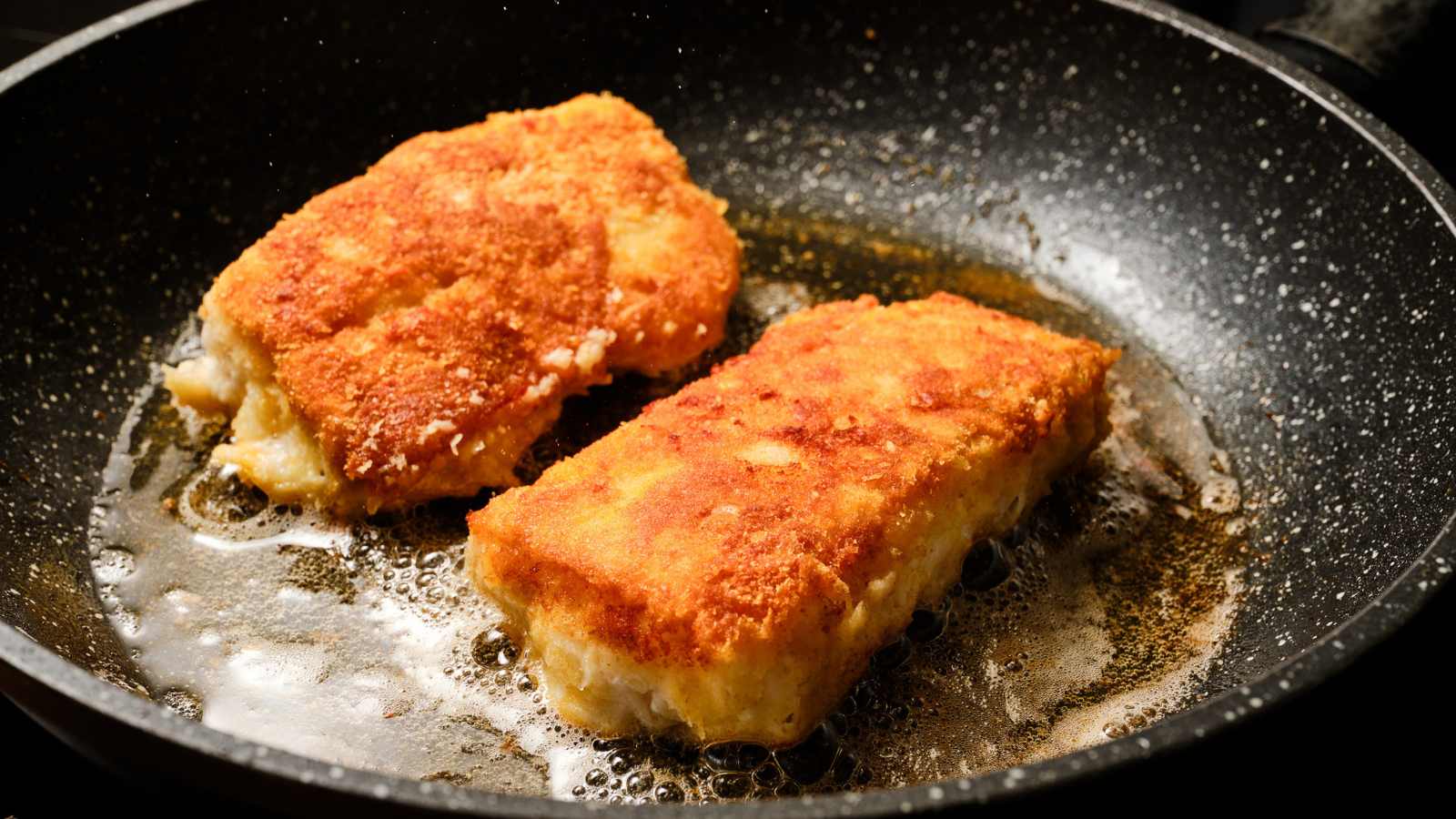
Long before instant oatmeal packets, there was cornmeal mush. It’s a simple porridge made by boiling cornmeal with water or milk. You could eat it hot and creamy for supper, then pour the leftovers into a pan to set overnight. The next morning? You’d slice it up and fry it in butter until golden brown, then drizzle it with syrup.
This dish is as old as America itself, adapted from Native American corn porridge, or sofkee. For early colonists and pioneers, it was a universal staple, sometimes called “hasty pudding” in New England.
So why did we forget it? The answer is sitting in your pantry. The rise of ready-to-eat breakfast cereal in the early 20th century was a marketing tidal wave. With companies like Kellogg’s and Post churning out endless varieties—from around 160 in 1970 to over 5,000 today—the humble, single-ingredient cornmeal mush didn’t stand a chance.
Creamed chipped beef on toast: The dish they called “S.O.S.”
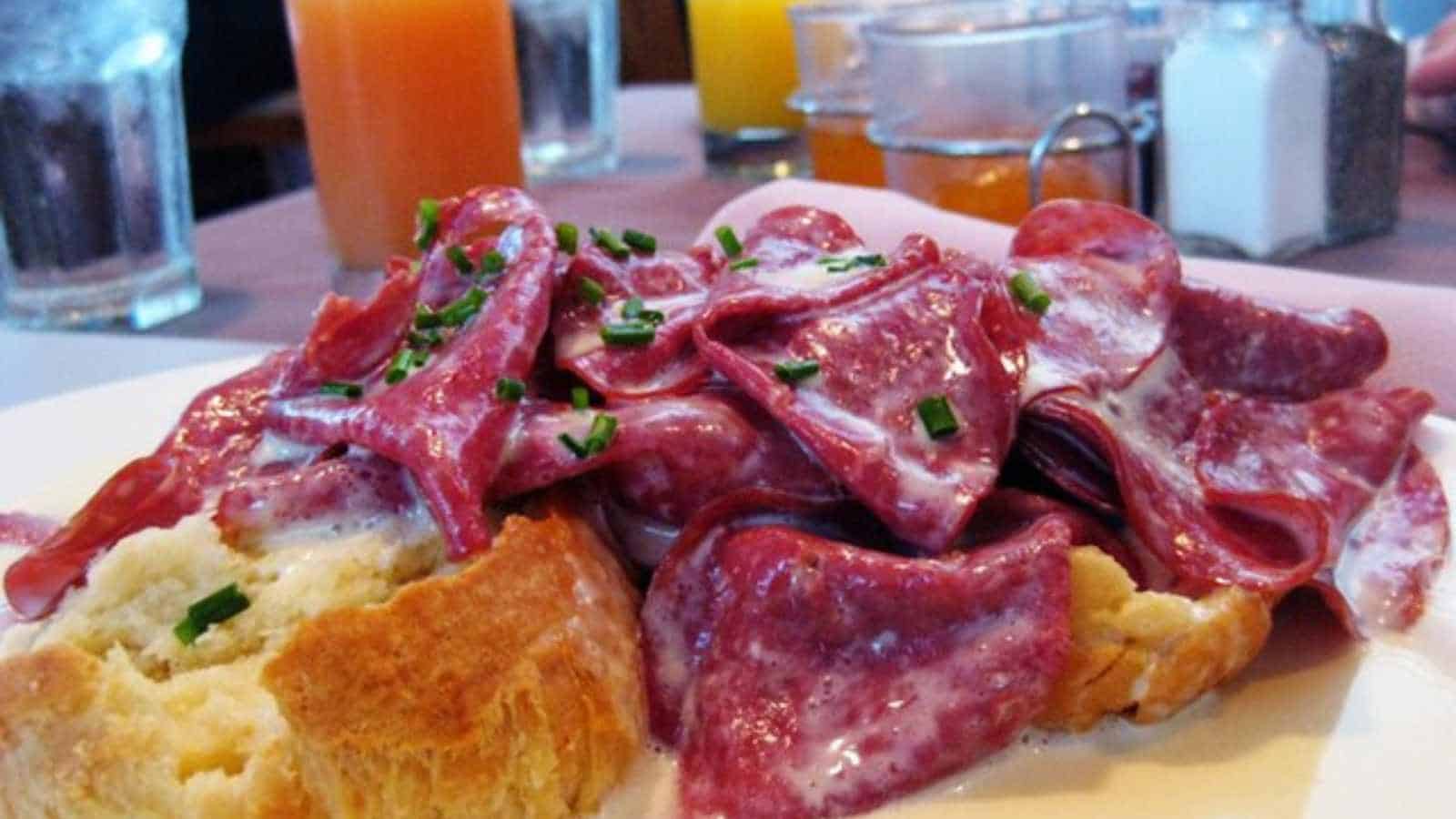
If you had a relative who served in the military, you’ve probably heard of this one, though maybe not by its proper name. Creamed chipped beef on toast is exactly what it sounds like: salty, dried beef simmered in a creamy white gravy and ladled over a couple of slices of toast.
Its story is deeply tied to the U.S. military. Dried beef was shelf-stable and packed with protein, making it a perfect ration, especially during World War II. Soldiers famously gave it a less-than-appetizing nickname: “S.O.S.,” or “Sh*t on a Shingle.”
After the war, GIs brought the recipe home, and it became a cheap, filling staple in American kitchens during the 1940s and ’50s. But that military association created a strange legacy. For some veterans, it was a hated reminder of mess hall food. For others, it was pure comfort food, a nostalgic taste of their time in the service.
Codfish cakes: New England’s salty morning staple
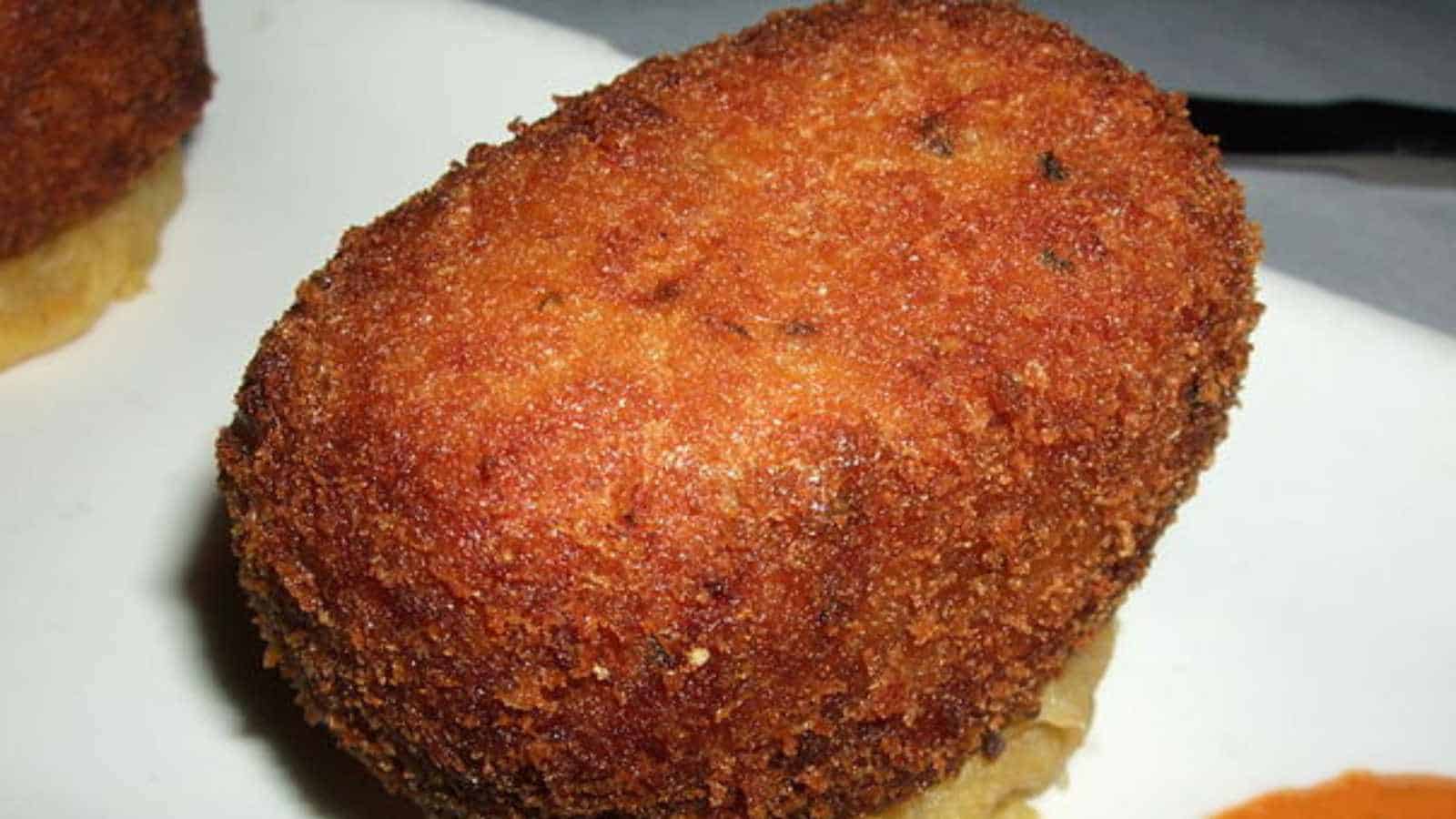
Today, fish for breakfast might sound odd, but it was once the height of fashion. In Colonial New England, where the entire economy was built on cod, families often started their day with codfish cakes—salty, flaky cod mixed with mashed potatoes and fried into crispy patties.
This wasn’t just some rustic meal. President John Adams was a fan, and in 1914, you could find codfish on the breakfast menu at the luxurious Waldorf Astoria hotel in New York City, as reported by FoodRepublic.
So what happened? Tastes changed, and sweeter breakfasts pushed savory fish aside. But there’s a much bigger, more dramatic reason for its disappearance. Decades of industrial overfishing decimated the Atlantic cod population. By 1992, the cod stocks had collapsed, falling to just 1% of their historical levels.
The main ingredient for this classic breakfast literally vanished from the sea.
Johnnycakes: The original American pancake
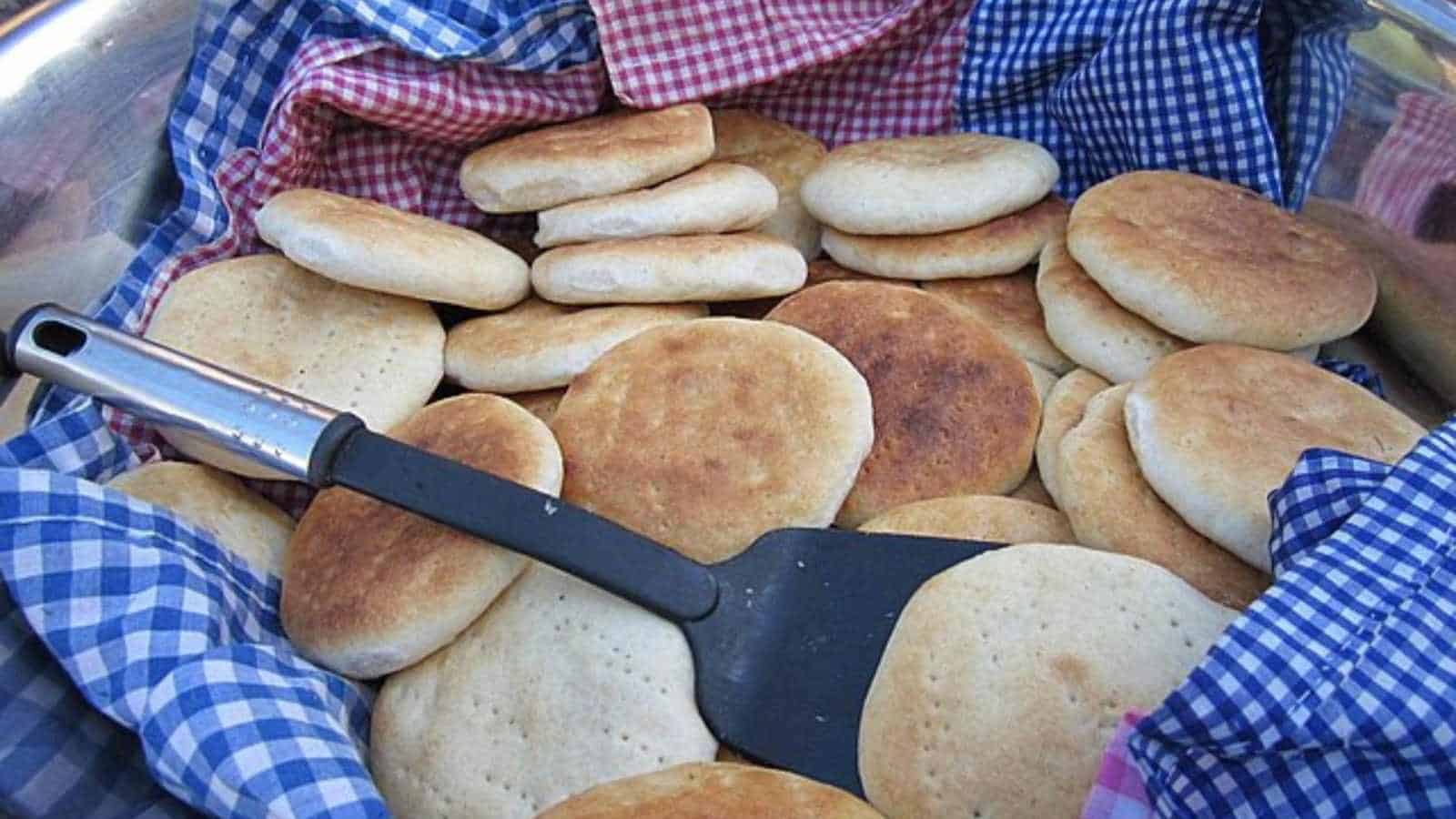
Before fluffy buttermilk pancakes stacked a mile high, there was the johnnycake. Think of it as the pancake’s tougher, heartier ancestor: a simple flatbread made from cornmeal, hot water or milk, and a little salt, fried in a cast-iron skillet.
Its roots go back to the Native American tribes of the Northeast, like the Narragansett, who taught the colonists how to cook with corn. The name itself is a piece of history. Some say it comes from “journey cake” because it was sturdy enough to pack for travel, while others think it’s a version of “Shawnee cake.”
As wheat flour became cheaper and more available, American tastes shifted. We fell in love with the light, airy texture of modern pancakes, and the dense, rustic johnnycake got left behind.
Milk toast: The comfort food that became an insult
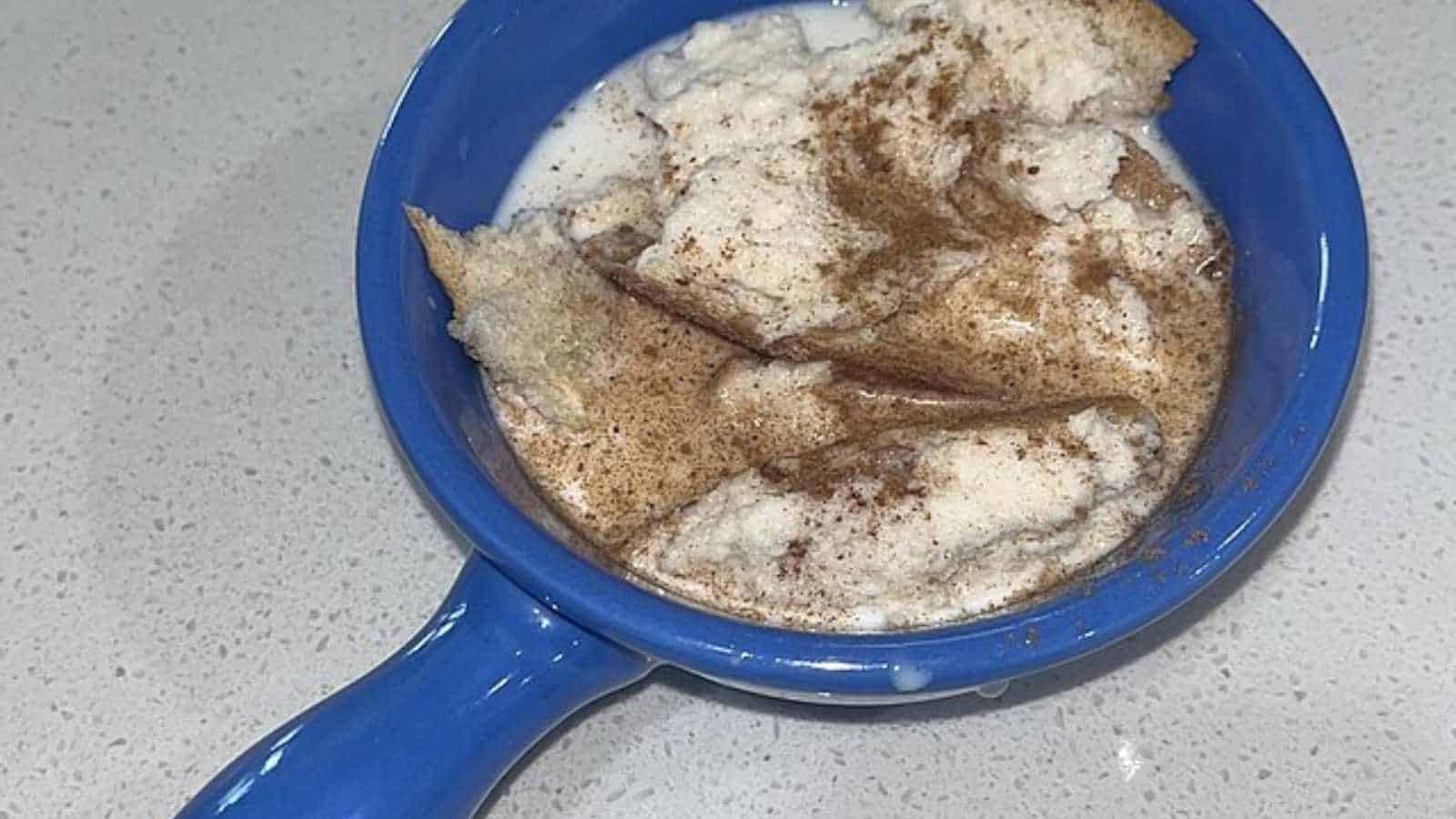
Milk toast is comfort in a bowl: pieces of toasted bread, often stale, soaked in warm milk and sprinkled with a little salt or cinnamon sugar. For much of the 19th and early 20th centuries, it was the go-to food for kids or anyone feeling under the weather because it was bland and easy to digest.
The celebrated food writer M.F.K. Fisher once called it a “warm, mild, soothing thing, full of innocent strength.” But its reputation as “sickroom food” and a cheap meal eventually hurt its appeal as people’s incomes grew.
But the real nail in the coffin was a comic strip. According to Columbia Journalism Review, in 1924, a character named Caspar Milquetoast debuted, named after the dish because he was timid and bland. The character was so popular that “milquetoast” became a common insult for a weak, feeble person. The food’s name became synonymous with weakness, a PR disaster from which it never recovered. It’s one of the only dishes in history to be killed by a metaphor.
Fried apples and biscuits: The South’s sweet start
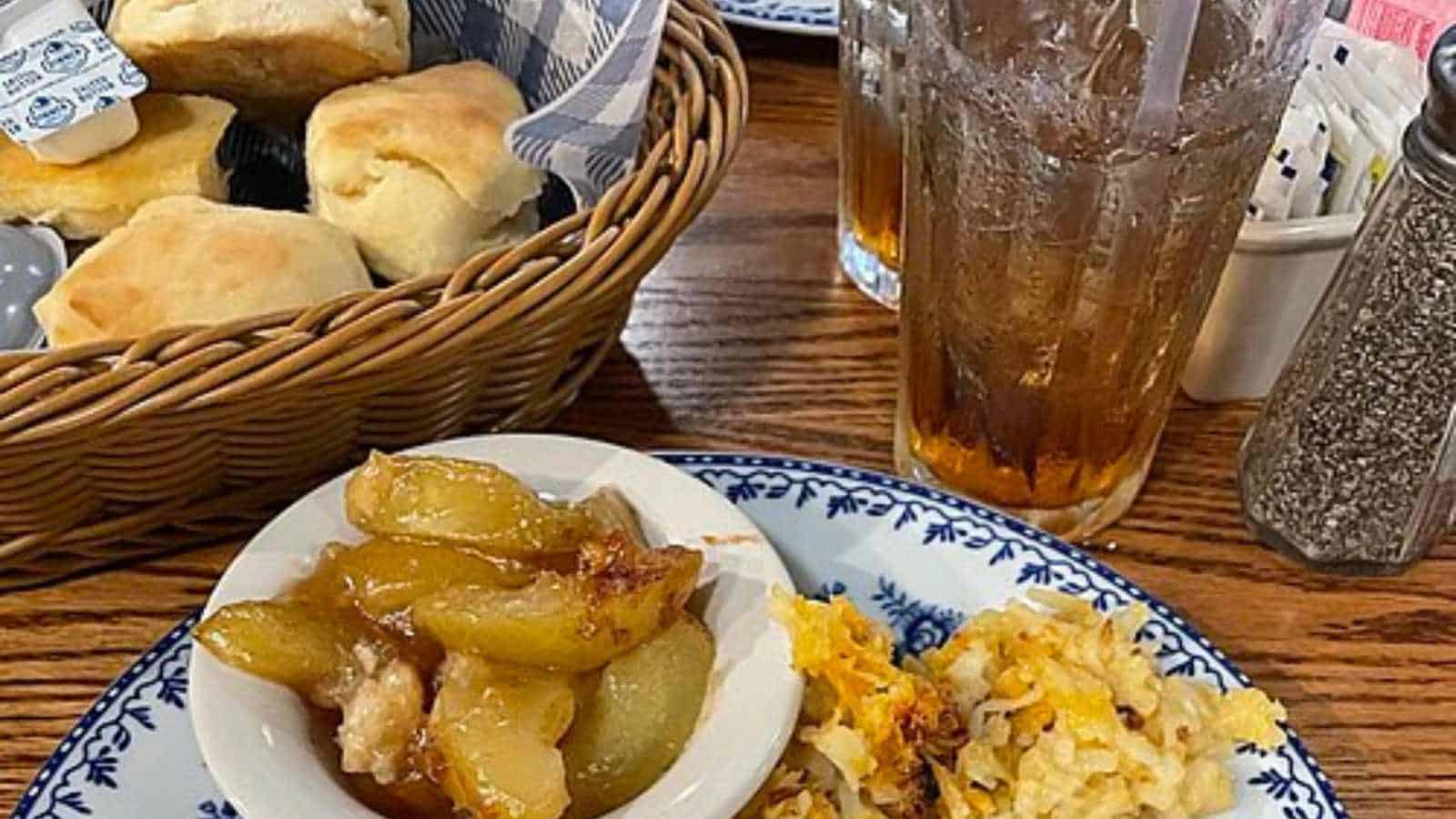
Imagine the warm, gooey filling of an apple pie, but served over a hot, flaky biscuit for breakfast. That’s fried apples and biscuits, a Southern and Appalachian classic that was popular long before sugary cereals took over. Apples were sliced and slowly caramelized in a skillet with butter, sugar, and cinnamon.
It was a thrifty dish, born from the need to use up plentiful local apples in the 1800s. What made it truly special was that the apples were often cooked in the same skillet used for the morning’s bacon or country ham. The savory pork drippings would mix with the sweet, caramelized apples, creating an incredible salty-sweet flavor.
That unique flavor profile is part of why it faded away. The modern American breakfast palate tends to keep sweet and savory separate—you have your pancakes over here, and your bacon and eggs over there. A dish that beautifully blurred that line started to feel “old-fashioned” as our tastes became more defined by the one-note flavors of processed foods.
Scrambled brains and eggs: The ultimate nose-to-tail breakfast
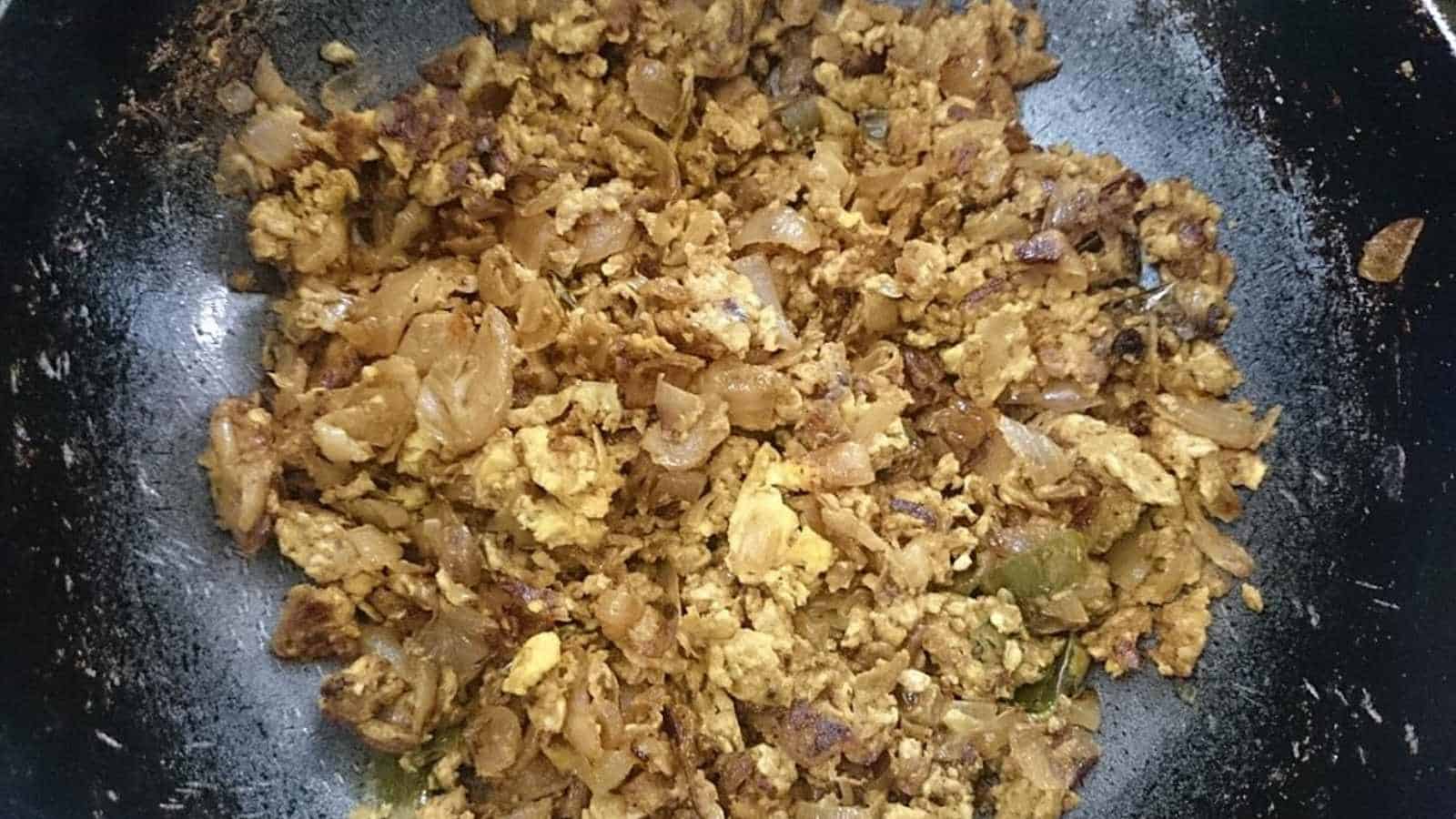
Yes, you read that right. Scrambled brains and eggs was once a common breakfast, especially in the South and Midwest. The dish, often made with canned pork brains in milk gravy, was a staple of rural life, where no part of a butchered animal went to waste.
It was cheap, high in protein, and particularly popular during the Great Depression and WWII, when other meats were scarce. But its downfall was swift and total, thanks to a perfect storm of bad news.
First came the health warnings. Taste states that in the 1950s, doctors began linking high cholesterol to heart disease. A single serving of canned pork brains contains a shocking 1,170% of your daily recommended cholesterol. Then, in the 1990s, the “mad cow disease” scare created a widespread and lasting fear of eating animal brains of any kind.
Between the cholesterol risk and the disease panic, this dish was completely wiped off the American breakfast map.
Shirred eggs: The simple baked dish we left behind
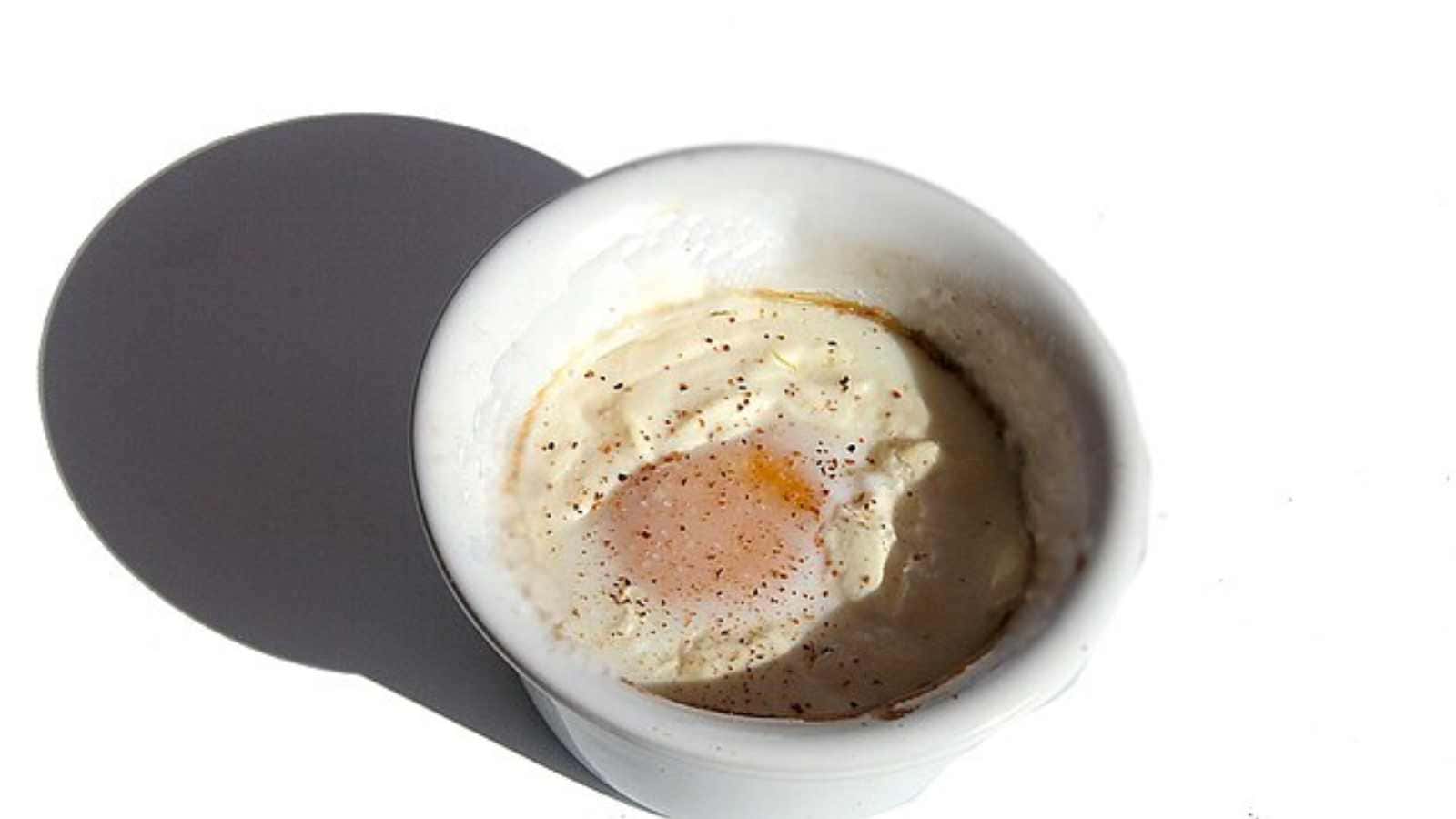
Shirred eggs are deceptively simple: eggs baked in a small, flat-bottomed dish with a little butter or cream until the whites are just set and the yolks are still runny and perfect for dipping toast into.
Appearing in famous late-19th-century cookbooks, this was once an elegant and popular way to prepare eggs. You could top them with breadcrumbs, cheese, or fresh herbs for a fancy touch without much effort.
So why did we stop making them? It wasn’t about taste; it was about time. Shirred eggs need about 10 to 15 minutes in the oven. In the frantic pace of modern mornings, that feels like an eternity compared to the two minutes it takes to scramble eggs on the stovetop or the 30 seconds for a bowl of cereal.
Deviled ham pancakes: A bizarre mid-century mashup
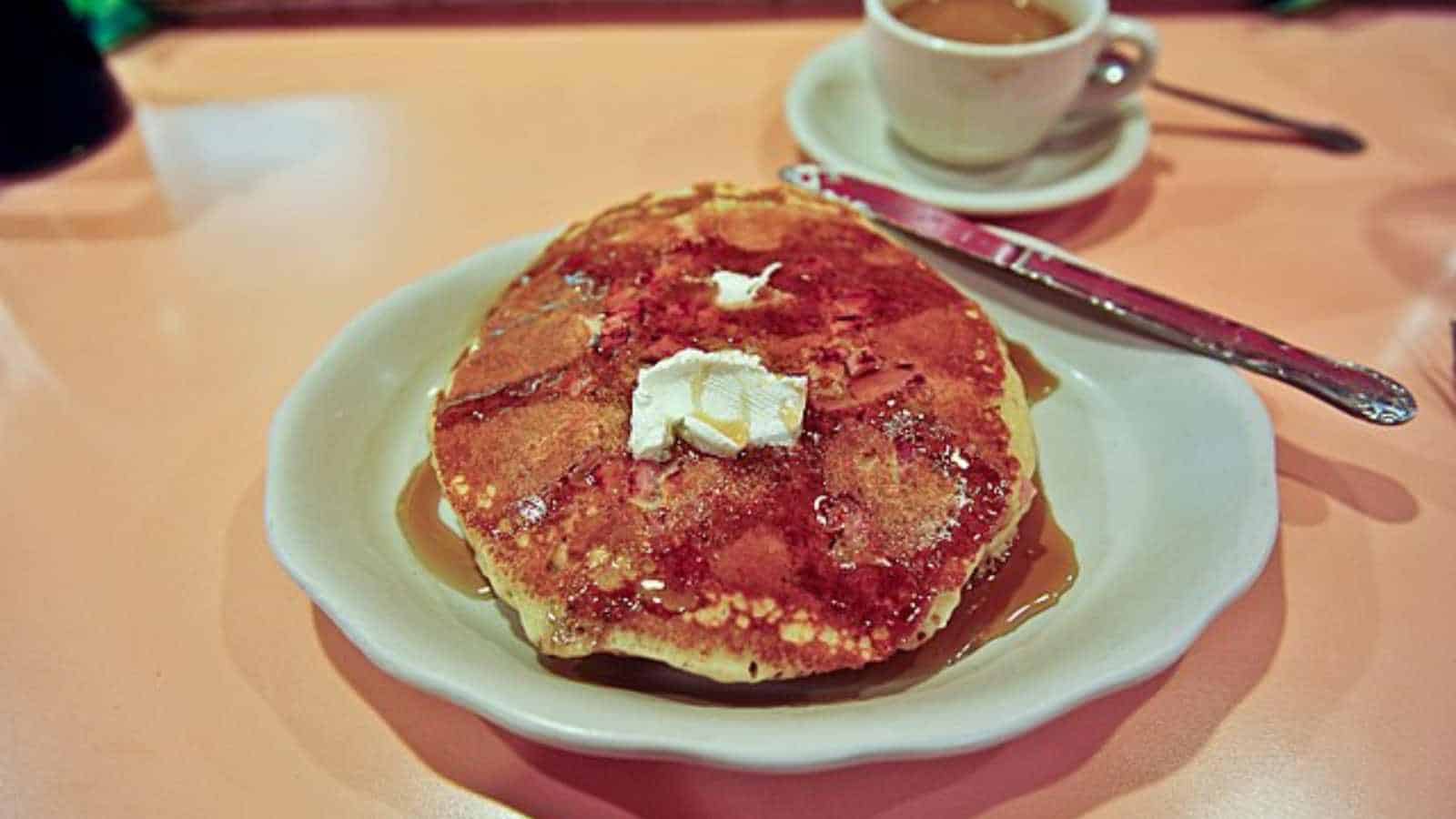
Get ready for a weird one. In the 1950s and ’60s, someone had the bright idea to mix canned deviled ham directly into pancake batter. This culinary Frankenstein was the brainchild of corporate marketing departments. Underwood, the maker of deviled ham since 1868, was always looking for new ways to sell its salty, savory spread.
They teamed up with brands like Aunt Jemima, promoting the concoction as an innovative way to get your sweet-and-savory fix in one bite—sort of like bacon and pancakes, but all mixed together.
It was a fad that, thankfully, died quickly. Turns out, most people weren’t thrilled by the idea of “chomping through batter studded with gloopy ham spread,” as The Daily Meal states.
Quiche: The brunch star that sparked a backlash
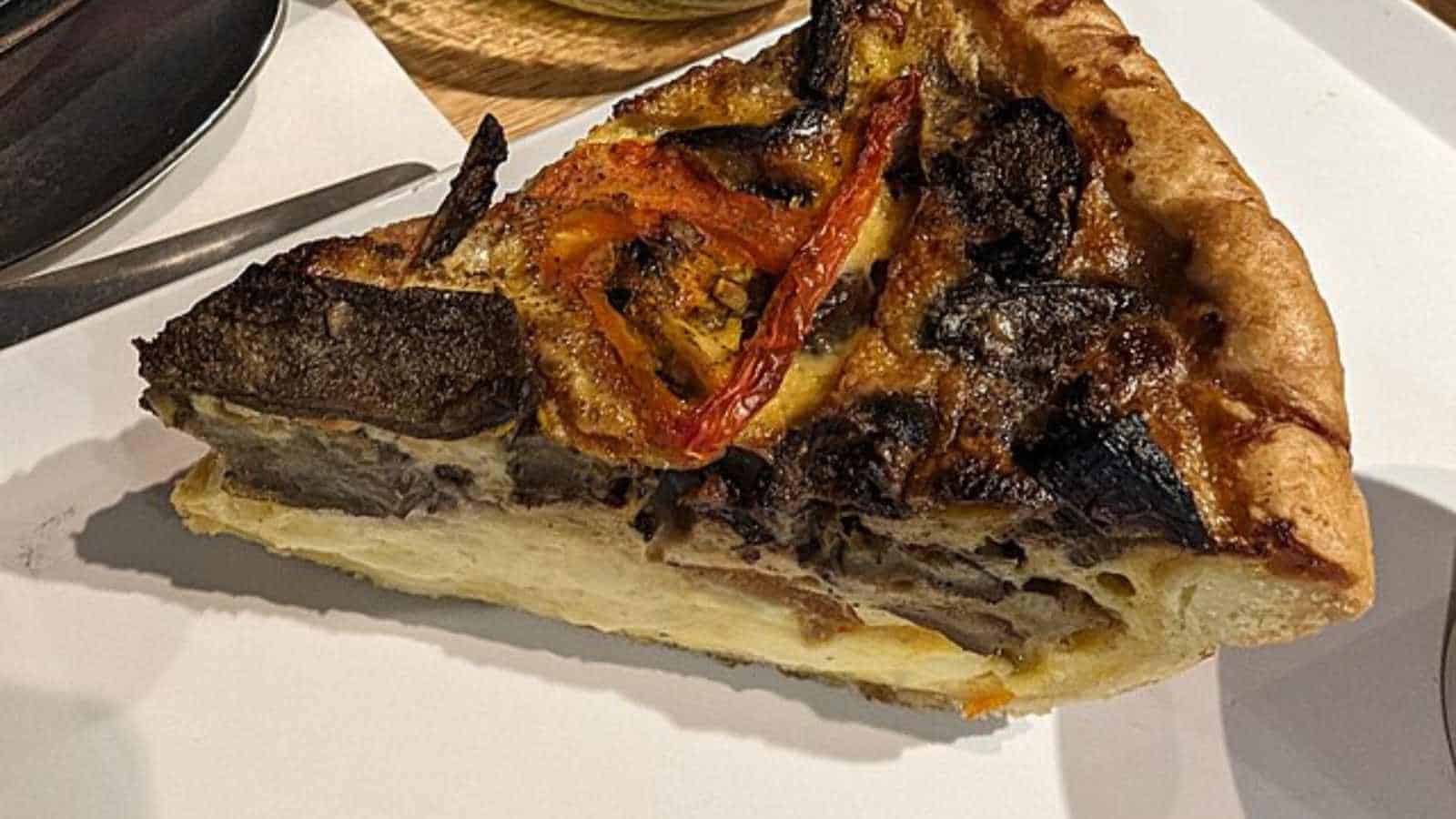
In the 1970s and ’80s, quiche was everywhere. This savory French egg-and-cream pie, especially the classic Quiche Lorraine with bacon and cheese, was the definition of a sophisticated brunch.
But its popularity led to its downfall. It became so trendy that it sparked a cultural backlash, perfectly captured by the 1982 bestselling satirical book, Real Men Don’t Eat Quiche. The book humorously portrayed the dish as flimsy and effeminate, and the term “quiche-eater” became a popular insult for a man deemed not traditionally masculine.
This is the exact opposite of what happened with bacon, which was successfully marketed in the 1920s as a hearty, “manly” breakfast. Quiche became a cultural symbol, and for a generation of men, ordering it felt like a threat to their masculinity, a blow from which its popularity never fully recovered.
Carnation Instant Breakfast: The original grab-and-go meal
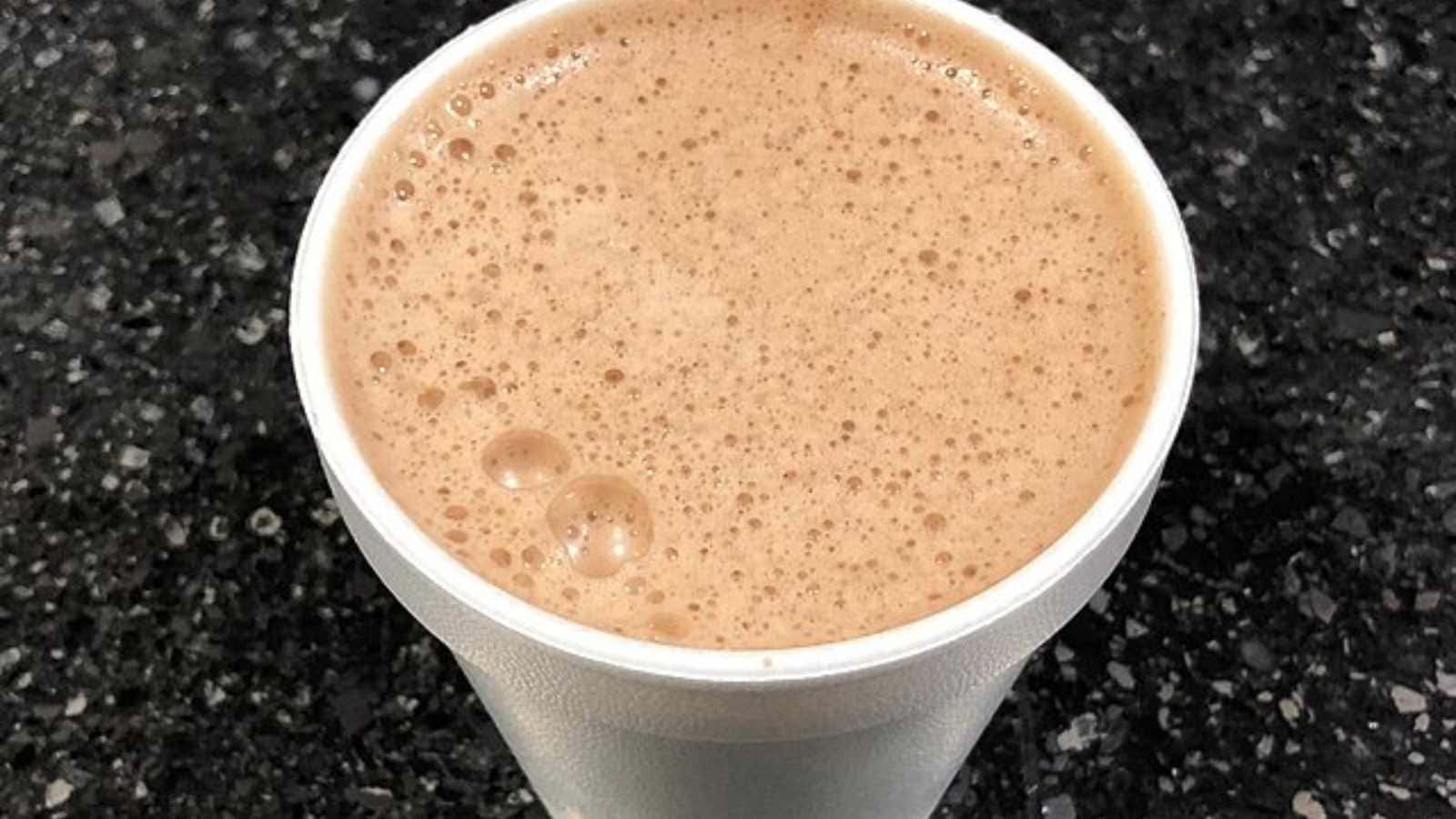
Long before protein shakes and breakfast bars became a multi-billion-dollar industry, there was Carnation Instant Breakfast. Introduced in 1964, this powdered mix that you stirred into a glass of milk was revolutionary—a complete, “nutritious” meal you could drink in seconds.
It was the perfect solution for busy 1960s families and paved the way for the entire convenience breakfast market. Its sibling, the Carnation Breakfast Bar, launched in 1975 and was one of the very first energy bars on the market.
But here’s the irony: Carnation was a victim of its own success. It proved there was a massive appetite for quick, portable breakfasts, and soon the market was flooded with competitors offering granola bars, protein bars, and meal-replacement shakes.
The pioneer got lost in the crowd it helped create. Newer brands offered cleaner ingredients and less sugar, making the original look dated until it was eventually discontinued in some markets.
Key Takeaway
Our breakfast plates are like historical documents. The foods we’ve forgotten—born from thrift, military rations, and regional pride—tell the story of a very different America. The shift to today’s world of protein bars and five-minute meals shows just how much our lives, and our mornings, have changed.
Disclosure line: This article was developed with the assistance of AI and was subsequently reviewed, revised, and approved by our editorial team.
Why investing for retirement is so important for women (and how to do it)

Why investing for retirement is so important for women (and how to do it)
Retirement planning can be challenging, especially for women who face unique obstacles such as the wage gap, caregiving responsibilities, and a longer life expectancy. It’s essential for women to educate themselves on financial literacy and overcome the investing gap to achieve a comfortable and secure retirement. So, let’s talk about why investing for retirement is important for women and how to start on this journey towards financial freedom.
Why Supersonic Flights Vanished From Our Skies

Why Supersonic Flights Vanished From Our Skies
Every year on August 19th, National Aviation Day celebrates the marvels of flight and the pioneers who made it possible. But as we look to the skies, one question lingers. If we could fly from New York to London in under three and a half hours back in the 1970s, why are we still taking nearly seven today? Supersonic travel was once a thrilling reality. So, what grounded it?