National Nachos Day: How a handful of tortilla chips became global art form
What began as three ingredients has become a worldwide test case in how culture, chemistry, and creativity can transform a snack into an art form.
Nachos may be simple in form, but they are one of the most ingenious food creations ever assembled. A handful of tortilla chips, a sprinkle of cheese, and a few fiery jalapeños were all it took to start a movement that now spans the globe. Today, nachos appear in forms that range from traditional to gourmet, vegan, and even dessert-style. Their versatility has turned them into a blank canvas for creativity.
The Building Blocks of Bliss
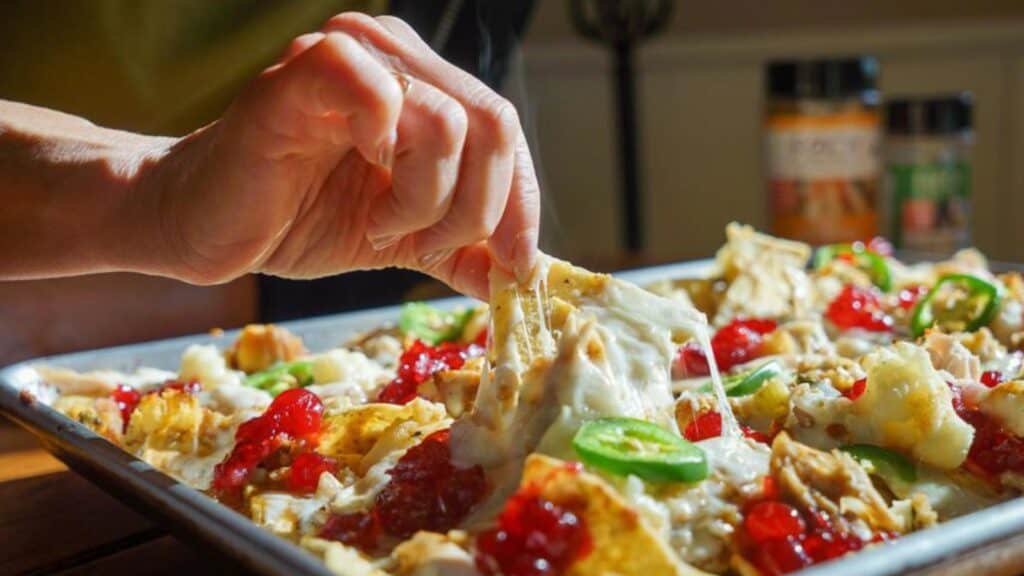
The best nachos start with good chips. The ideal tortilla chip should be thick enough to hold toppings without going soggy, but crisp enough to shatter slightly on the first bite. Lightly salted chips made from stone-ground corn tend to hold up best.
Next comes the cheese. Meltability is key. Classic nachos use cheddar, Monterey Jack, or a mix. True Mexican versions often rely on Oaxaca or Chihuahua cheese, both prized for their stretchy texture and mild flavor. The perfect melt should coat chips evenly while still letting them retain crunch.
Then there are the toppings—where rules give way to imagination. Beans, seasoned beef, grilled chicken, or carnitas are traditional, but roasted vegetables, tofu, or even pulled jackfruit can be just as satisfying. The real secret is layering, ensuring every chip gets a little of everything.
The Science of Melted Cheese
Cheese behaves differently under heat depending on its fat and moisture content. When melted properly, proteins realign into long, smooth strands. This gives nachos that irresistible stretch. Overheat the cheese and it seizes, turning greasy. Melt it slowly, and you get that silky, creamy texture that holds toppings in place.
Some cooks swear by adding a little evaporated milk or sodium citrate to shredded cheese to keep it smooth and prevent separation. Others rely on broiling for just a minute or two, watching closely to avoid burning.
Modern Twists and Flavor Fusions
In the 21st century, nachos have become a platform for fusion cooking. Korean barbecue nachos top chips with bulgogi beef, kimchi, and spicy mayo. Mediterranean nachos use pita crisps, feta, and tzatziki. In Hawaii, poke nachos with raw tuna and seaweed have become a sensation. There are even dessert nachos with cinnamon-sugar chips and melted chocolate or caramel drizzle.
These creative versions show that nachos are less a recipe than an idea: a combination of crunch, warmth, and flavor contrast that can travel across cuisines.
Healthier Nachos, Same Satisfaction
While classic nachos are indulgent, there are ways to make them lighter without losing pleasure. Baking or air-frying chips instead of deep-frying reduces fat. Using shredded rotisserie chicken or black beans provides lean protein. Fresh salsa, diced tomatoes, and avocado add nutrients and color.
Cheese can be used sparingly by mixing in flavorful varieties like sharp cheddar or cotija. The goal is not to eliminate decadence, but to balance it.
Nachos for Every Occasion
Part of what makes nachos so popular is their flexibility. A small plate works as an appetizer or movie-night snack. A large tray becomes the centerpiece of a game-day spread. Restaurants even serve breakfast nachos with eggs, bacon, and hash browns. There is simply no wrong time for them.
Because nachos are inherently shareable, they also fit perfectly with the social aspect of dining. Everyone digs in, conversations flow, and no one needs to worry about formal presentation.
From Bar Snack to Culinary Star
Chefs have taken nachos into unexpected territory. In upscale restaurants, you might find lobster nachos topped with béchamel and microgreens. Some use handmade blue-corn chips and heirloom beans to highlight regional Mexican ingredients. Even fast-casual chains now experiment with global flavors, proving that nachos have entered a new era of culinary respect.
Food historians often point out that nachos represent a blend of necessity and creativity—humble ingredients transformed into something memorable. That combination has always been the hallmark of great food.
Nachos and Pop Culture
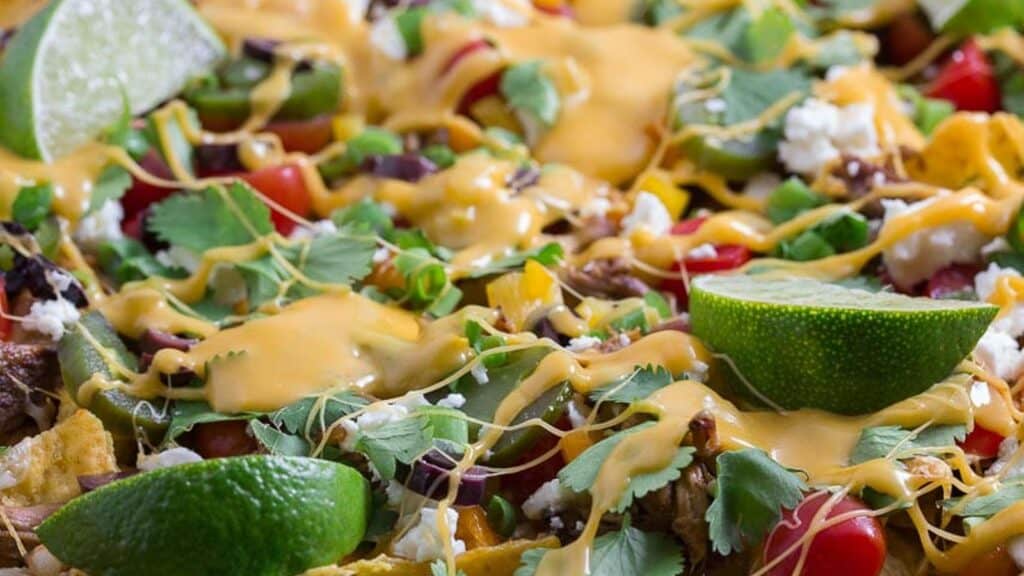
From Super Bowl commercials to sitcom jokes, nachos have become a pop-culture staple. They symbolize fun, indulgence, and togetherness. Few dishes carry such an easygoing reputation. You don’t need utensils, and you don’t need rules. You just need good company and a napkin.
Even national holidays have joined the party. “National Nachos Day,” celebrated each November 6, honors Ignacio Anaya’s original creation. Restaurants mark the occasion with contests, specials, and over-the-top versions that stack ingredients sky-high.
The Future of Nachos
As tastes evolve, so will nachos. Expect to see more plant-based and globally inspired varieties. Technology might even join in, with air fryers, dehydrated vegetable chips, and precision melting tools redefining how people prepare them at home.
Still, the core appeal will remain the same: a handful of chips brought to life by warmth, flavor, and imagination. Nachos will always be about joy and spontaneity, two qualities that never go out of style.
The Takeaway
Nachos began as an improvised snack and became a worldwide comfort food. Their success lies in their adaptability and their universal appeal. Whether you’re scooping up spicy beef and melted cheddar or experimenting with ahi tuna and avocado crema, the goal is always the same: that perfect mix of crunch and gooey satisfaction.
So next time you share a plate of nachos, remember the story behind them and the creativity they continue to inspire. One humble invention in a border-town kitchen gave rise to one of the most beloved foods on earth. And with every chip you lift, that legacy lives on.
22 Easy Recipes For Kids To Make: Learn, Cook, And Have Fun!
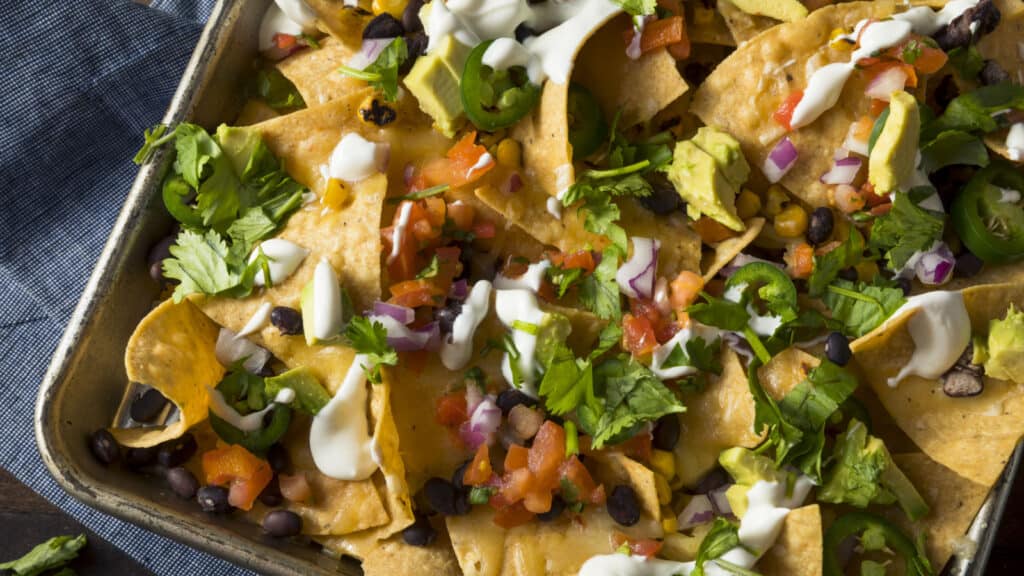
Convenience often reigns supreme, so teaching kids to cook might seem like a lost art. However, the benefits are practically countless: it fosters a sense of accomplishment, teaches essential life skills, offers opportunities for them to learn math and basic nutrition, ensures that everyone gets to enjoy delicious meals together – and it’s fun! Here are 22 recipes that are not only easy for kids to make on their own, but also promote independence and culinary creativity. Of course, have an adult determine which recipes are age appropriate for the young’uns in question. Learn more.