The making of Grace Kelly: When poise met power
In just three decades, Grace Kelly transformed from Philadelphia debutante to global icon, shaping fashion, film, and royalty alike.
Grace Kelly lived a story that most people would not believe if it were fiction. Born on November 12, 1929, she moved from the stages of Broadway to the heights of Hollywood, and finally to the throne room of a European principality. Along the way, she became an enduring icon of beauty and refinement whose influence continues long after her death.
Early Life and Aspirations
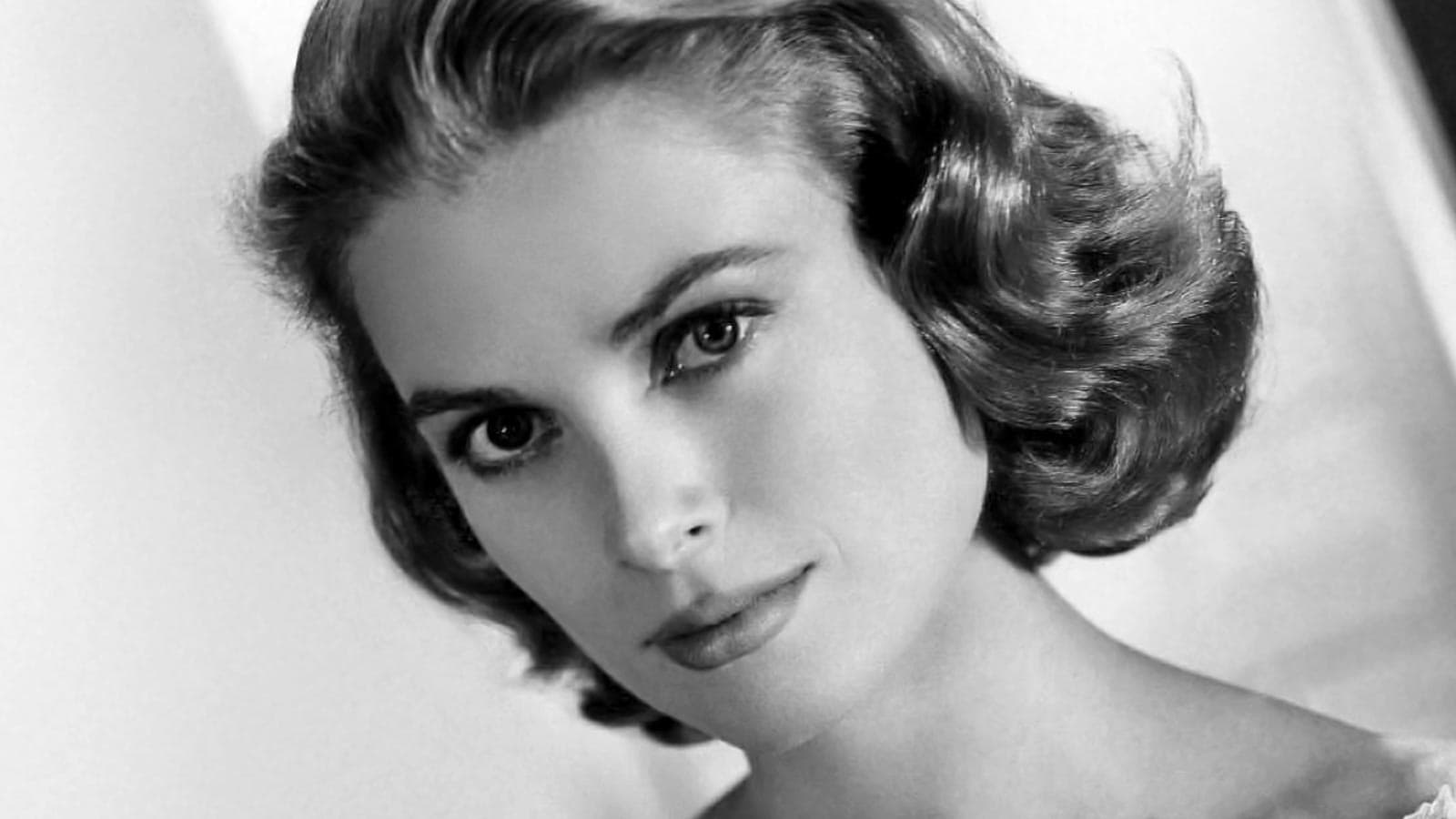
Growing up in a prominent Philadelphia family, Grace Kelly’s life seemed destined for comfort rather than celebrity. Her father was an Olympic champion and successful businessman, while her mother was a teacher and community leader. Grace, however, felt drawn to the performing arts. Against her parents’ wishes, she pursued acting, enrolling at the American Academy of Dramatic Arts in New York.
Her first steps into the public eye came as a model for magazines and advertisements. Those experiences taught her how to move, pose, and project emotion through stillness—skills that would later define her screen presence. She appeared in early live television dramas and soon caught the attention of casting directors.
The Hollywood Breakthrough
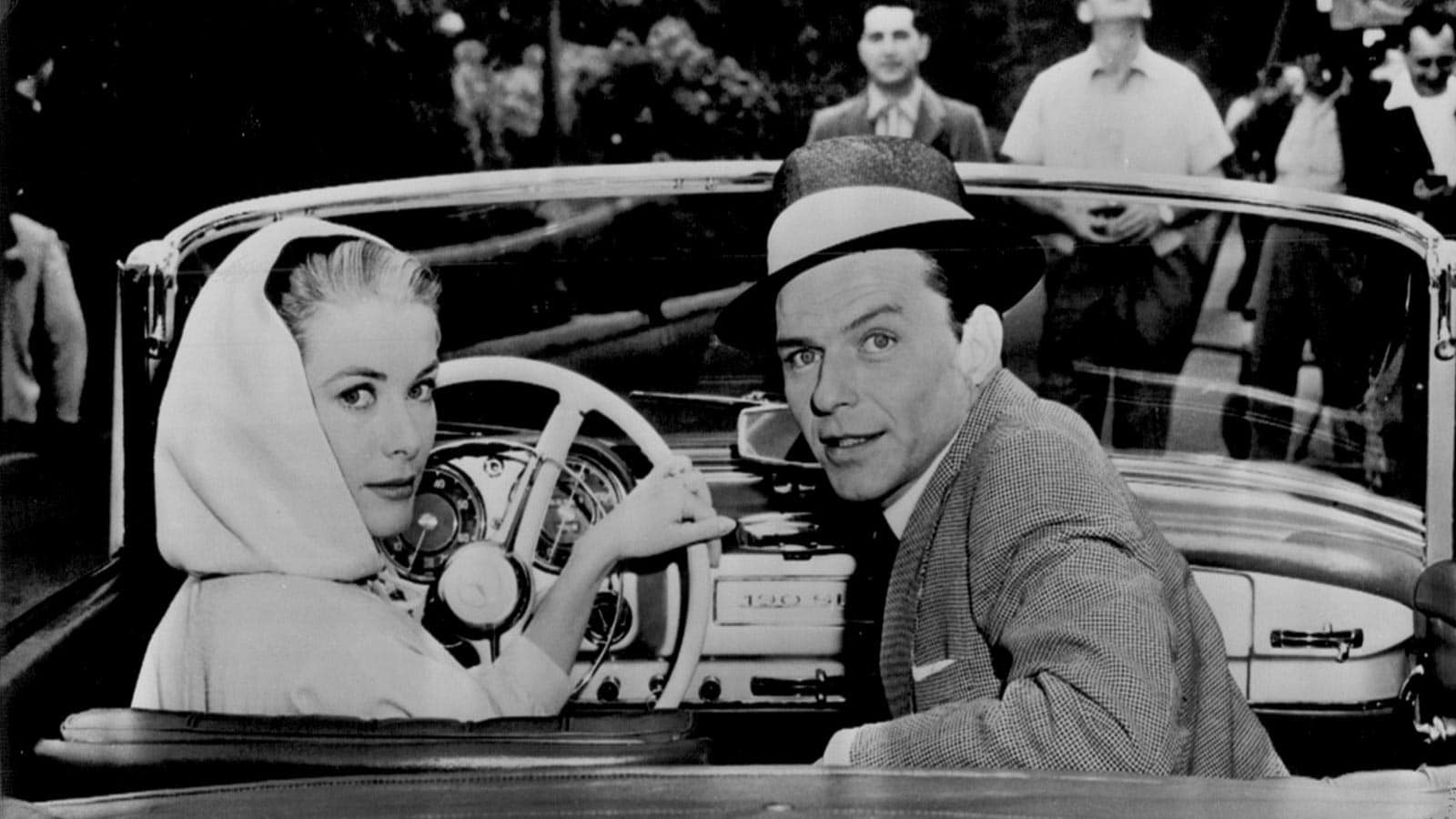
Hollywood in the early 1950s was a world of glamour, and Grace Kelly entered it like a quiet revolution. Her first major role in “High Noon” set her apart from other actresses of the time. She was graceful yet strong, reserved yet expressive. Audiences sensed that she was different from the typical studio starlet.
Her work with Alfred Hitchcock sealed her place in film history. As the cool blonde heroine of “Rear Window,” she played Lisa Fremont, a fashion model whose elegance and wit contrasted with the tension around her. In “Dial M for Murder,” she became the focus of a deadly plot, balancing fear and composure with remarkable skill. And in “To Catch a Thief,” she appeared opposite Cary Grant in scenes that defined cinematic sophistication.
Grace’s versatility was evident in other roles too, such as “Mogambo” and “The Country Girl,” for which she won an Academy Award. Her ability to bring depth to complex women made her one of the most respected performers of her era.
A Real-Life Fairy Tale
In 1955, Grace met Prince Rainier III of Monaco. Their meeting was orchestrated by journalists but led to genuine affection. When the engagement was announced, the world erupted in fascination. Hollywood royalty was about to become actual royalty.
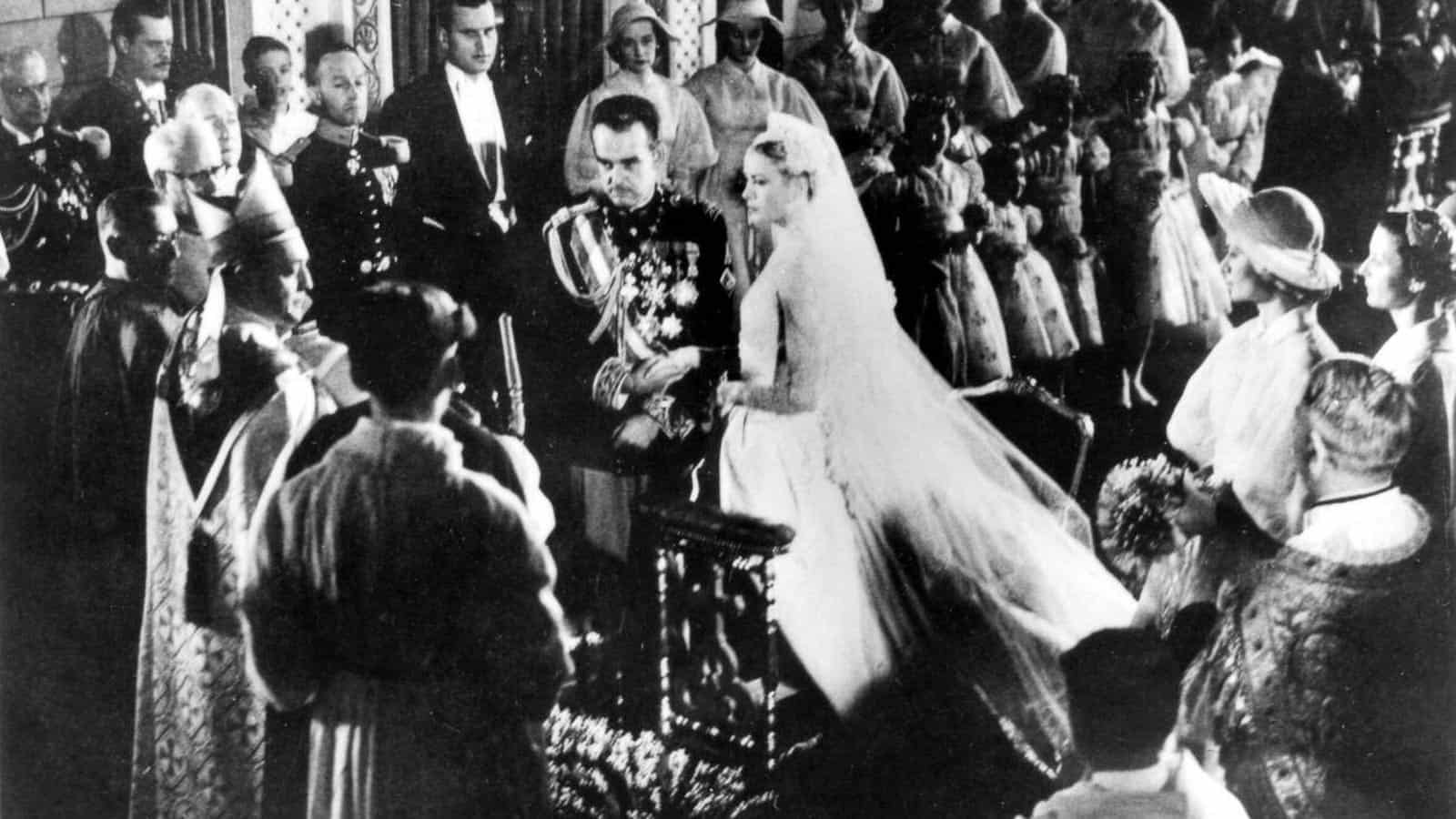
The wedding in April 1956 was a spectacle of grandeur and emotion. Grace’s wedding dress, made of silk, lace, and pearls, became one of the most admired gowns in history. The ceremony blended American optimism with European tradition, and the entire event symbolized the merging of two worlds. For Grace, it also meant leaving behind her film career. She said farewell to Hollywood with both sadness and grace, knowing she was stepping into a new role of service and responsibility.
Life as Princess Grace
Monaco became Grace’s stage, and she brought to it the same sense of poise she once gave to the screen. Her royal duties included public appearances, charity work, and the modernization of Monaco’s cultural image. She took a particular interest in the arts, founding the Princess Grace Foundation to support young artists and performers.
Her warmth endeared her to the people of Monaco. Despite her royal title, she remained approachable and deeply compassionate. Visitors often remarked on her humility and genuine concern for others. Her influence helped strengthen Monaco’s identity as a place of glamour balanced by generosity.
The Power of Style
Grace Kelly’s fashion sense continues to influence designers decades later. She favored simple, structured silhouettes that emphasized refinement over extravagance. Her partnership with Hermès led to the naming of the “Kelly bag,” which remains a symbol of luxury and understated power. Her preference for neutral tones, pearls, and scarves created a look that remains timeless.
What set Grace apart was that her style reflected her inner character. She was never ostentatious. Whether attending a royal gala or walking with her children, she carried herself with natural confidence and calm.
A Life Cut Short
Tragedy struck in 1982 when Princess Grace suffered a stroke while driving with her daughter Princess Stéphanie. The resulting car crash took her life, leaving the world in mourning. Her passing was a shock, not only because she died so young but because she had come to symbolize serenity and continuity.
Monaco and Hollywood both grieved. Her funeral drew dignitaries, film stars, and admirers from around the world. Prince Rainier never remarried and was buried beside her in 2005. Their love story remains one of the most romantic in modern history.
Lasting Influence
Grace Kelly’s legacy continues through her children and the foundation that bears her name. Princess Caroline, Prince Albert, and Princess Stéphanie have each carried aspects of her humanitarian and cultural mission. Prince Albert, now the reigning monarch, has ensured that Monaco continues its commitment to the arts and environmental stewardship.
In the broader world, Grace Kelly remains an emblem of poise and compassion. Her films continue to captivate new audiences, and her image appears regularly in fashion retrospectives. She represents the rare balance between discipline and dreaminess, between glamour and humanity.
Why Grace Still Matters
More than four decades after her death, Grace Kelly’s appeal remains undiminished. She was proof that elegance can be modern, that kindness can be powerful, and that beauty is most meaningful when it serves a higher purpose. Her life, though short, was rich with impact.
As admirers celebrate her birthday, they honor a woman who bridged continents, mediums, and ideals. Grace Kelly’s story is not merely about fame or royalty. It is about integrity, courage, and the art of living with purpose. Her grace was not only in her name but in her every gesture, word, and act of compassion.
How Hollywood Treats Older Women: The Good, The Bad, And The Ugly

Hollywood, as an industry, has long been a reflection of societal norms, shaping and being shaped by culture. Its portrayal and treatment of older women, however, often highlights some glaring disparities. While some advancements have been made, there remain deeply ingrained challenges. The treatment of older women in Hollywood can be summed up in three categories: the good, the bad, and the ugly. Read more.