From 2008 to Now: How the Financial Crisis Keeps Affecting You
When Lehman Brothers collapsed in 2008, it felt like the world was ending. But for most people, the real fallout never ended; it just quietly rewrote the rules. While the headlines moved on, the Federal Reserve kept the federal funds rate pinned near zero from late 2008 to late 2015, a prolonged era of ultra-low rates that reshaped the economy in ways we still feel in every deposit statement, mortgage application, and retirement plan.
A McKinsey analysis finds that ultra‑low rates from 2007 to 2012 shifted over $600 billion away from ordinary households, particularly older savers, toward entities better equipped to capitalize on the easy-money environment.
That legacy is still haunting us. It just exposed how deep it ran.
Your Savings Account is a Scapegoat
The prolonged “zero-rate era” from late 2008 to December 2015 eroded decades of interest and compounding. The effective federal funds rate remained near 0% for nearly 7 years, rarely exceeding 0.25%, while inflation quietly eroded purchasing power.
With real returns effectively negative, savers were incentivized to move into equities, real estate, or credit, fueling riskier, leveraged behavior and amplifying wealth inequality. Macrotrends’ historical charts show how unusual this stretch was: prior to 2008, rates were much higher, then collapsed and stayed near zero for years.
The Banks Got Bigger, Not Smaller
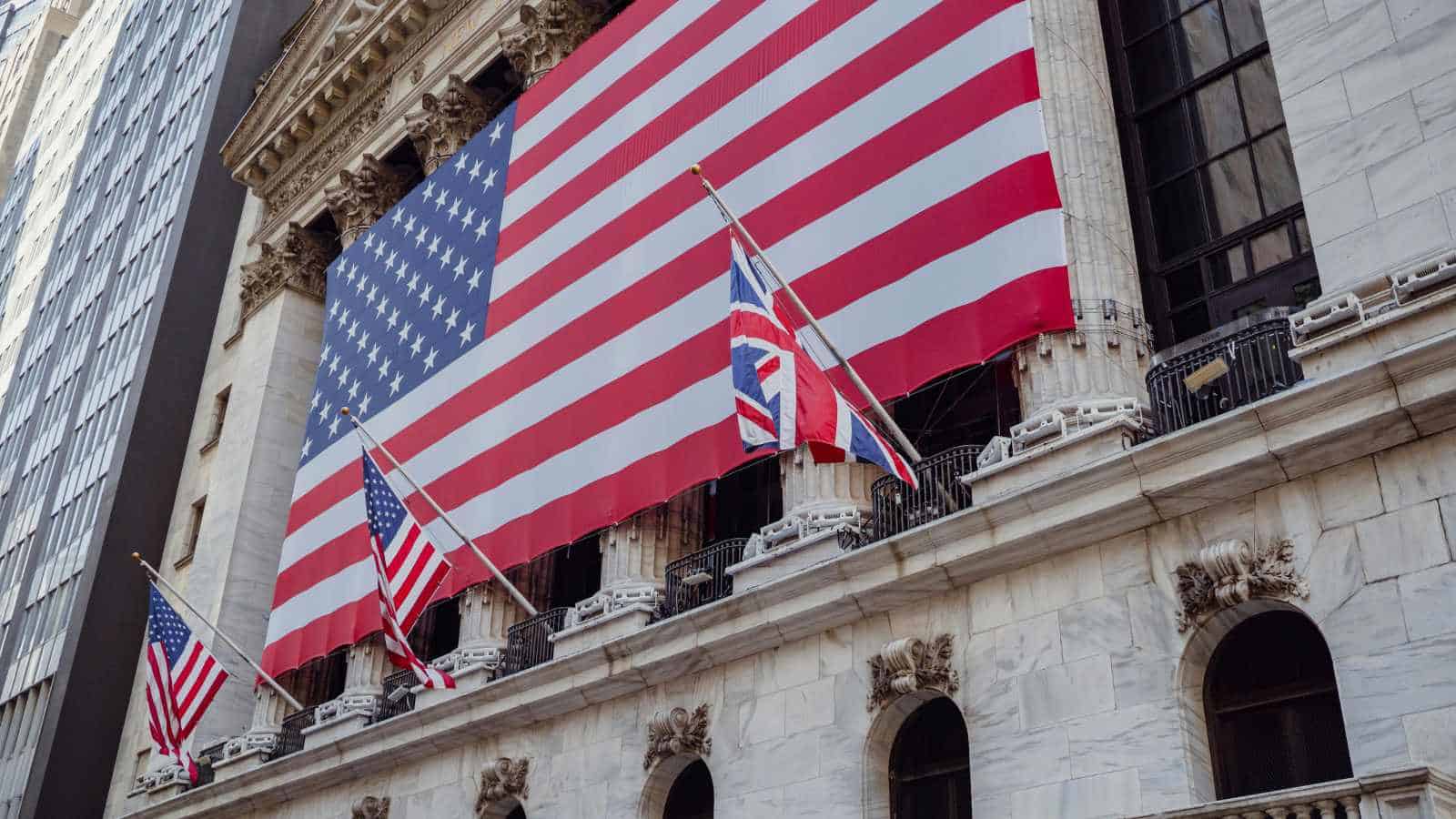
Post-2008, the largest U.S. banks — JPMorgan Chase, Bank of America, Citi, and Wells Fargo — increased their share of total banking assets to roughly 50–57% by the early 2010s. Consolidation concentrated interest-rate and credit risk in these institutions.
Low rates reduced their funding costs, enabling expansion through mergers and acquisitions. While smaller banks shrank, systemic risk persisted, simply shifting to fewer, larger players, making “too big to fail” a structural reality. NBER research highlights both the asset growth and increased risk concentration at the top banks.
The Mortgage Maze You Must Navigate
Post-2008, the CFPB’s ATR (Ability-to-Repay) and QM (Qualified Mortgage) rules required lenders to ensure borrowers could realistically repay loans. High-debt-to-income (DTI) non-conforming loans dropped by about 60% once these rules took effect, and remaining borrowers faced interest-rate premiums of 30–40 basis points.
While aggregate HMDA data show the overall lending drop in 2014 was modest, first-time and marginal buyers saw credit tighten or become costlier. Federal Reserve research highlights that lenders increasingly favored “safe harbor” loans, shaping a more cautious mortgage market without causing an immediate collapse.
The Student Debt Bomb’s Hidden Connection

State funding cuts after 2008—averaging 16% per student—pushed tuition up 20–60% at public four-year colleges. As costs rose, students borrowed more, and federal aid, like Pell Grants, only partially offset the gap. The New York Fed found that states with the deepest cuts saw tuition rise by ~3.4% per year.
By 2014, 48 states were still spending less per student than in 2008, leaving a generation increasingly reliant on student loans before entering the workforce. Data from CBPP and Demos confirm the persistent funding gap and debt burden.
Retirement Accounts
The 2008–2009 crash wiped out decades of compounding for many near-retirees, delaying retirement by 2–3 years on average. Behavioral responses—pulling back from equities or shifting to low-yield assets—limited recovery potential. Market rebounds weren’t equally accessible, leaving lower- and middle-income savers underinvested and scarred for years.
Renters Trapped in a Vicious Cycle

Affordable housing supply has lagged for years: entry-level single-family starts fell from 12.1% in 2004 to 8.7% in 2023. High rental demand combined with under-building pushed rents up, trapping many in a cycle where saving for a down payment is difficult. Even as multifamily construction rises, much is high-end, leaving affordability constrained. Pew Research highlights this persistent structural challenge.
A Crisis of Trust and Anger
Few executives faced accountability after the crash, while taxpayer bailouts fueled resentment. Public confidence in banks remains low—post-crisis polls show only ~25% of Americans expressing strong trust. Distrust drives alternative financial behaviors, demands for stricter regulation, and fuels populist movements, linking economic sentiment to political polarization.
Wealth Inequality
The K-shaped recovery favored asset holders; cheap credit and QE boosted asset valuations, while wage earners stagnated. Concentrated wealth allowed greater leverage and investment opportunities for the already affluent, deepening opportunity gaps and intergenerational inequality. Fed and economic research confirm rising top-1% wealth shares and the disproportionate benefits of post-crisis monetary policy.
Also In MSN: 13 Reasons a Wealth Tax Will Never Work in America
The Gig Economy’s Financial Roots
Mass layoffs, stagnant wages, and fewer stable jobs post-crisis propelled the rise of gig work. Between 2005 and 2015, nearly all net employment growth came from alternative arrangements. While offering autonomy, gig work exposes workers to income volatility, limited benefits, and no retirement security—turning necessity into a normalized labor-market reality.
The Global Financial Fortress
Post-2008 reforms strengthened bank capital ratios, stress testing, and oversight, yet new risks emerged: shadow banking, fintech lending, large-scale derivatives, and crypto. Regulators face challenges posed by non-bank entities that lack traditional safeguards. Macroprudential tools and resolution mechanisms are stronger, but systemic shocks could still propagate globally, showing the system is safer—but not invulnerable.
Key Takeaway
Zero-Rate Era Eroded Savings: Near-zero interest rates (2008–2015) wiped out decades of compounding, pushing savers toward riskier assets.
Bank Consolidation: Largest U.S. banks grew, concentrating risk and entrenching the “too big to fail” problem.
Wealth Inequality Widened: Post-crisis policies disproportionately benefited asset holders, deepening opportunity gaps.
Housing Affordability Crisis: Limited entry-level housing and high rents trap renters in long-term cycles of financial insecurity.
Gig Economy Expansion: Job instability and stagnant wages drove the growth of precarious gig work.
Disclosure line: This article was developed with the assistance of AI and was subsequently reviewed, revised, and approved by our editorial team.
20 Odd American Traditions That Confuse the Rest of the World

20 Odd American Traditions That Confuse the Rest of the World
It’s no surprise that cultures worldwide have their own unique customs and traditions, but some of America’s most beloved habits can seem downright strange to outsiders.
Many American traditions may seem odd or even bizarre to people from other countries. Here are twenty of the strangest American traditions that confuse the rest of the world.
20 of the Worst American Tourist Attractions, Ranked in Order

20 of the Worst American Tourist Attractions, Ranked in Order
If you’ve found yourself here, it’s likely because you’re on a noble quest for the worst of the worst—the crème de la crème of the most underwhelming and downright disappointing tourist traps America offers. Maybe you’re looking to avoid common pitfalls, or perhaps just a connoisseur of the hilariously bad.
Whatever the reason, here is a list that’s sure to entertain, if not educate. Hold onto the hats and explore the ranking, in sequential order, of the 20 worst American tourist attractions.