12 Types of Misogyny No Woman Should Ever Ignore
Love often creates a pair of rose-colored glasses that makes red flags look just like flags, but we need to take those glasses off for a second. I’ve been there, and I know how easy it is to brush off “minor” comments when you think you’ve found The One. However, ignoring subtle misogyny doesn’t save a relationship; it slowly erodes your self-worth.
According to the United Nations, nearly 90% of people hold some bias against women, proving that these attitudes are deeply ingrained in our culture. You need to spot these behaviors early, even if he buys you flowers every Friday.
A study published in the Journal of Personality and Social Psychology reveals that “benevolent sexism”, which looks like protection or affection, can be just as harmful as hostile sexism. It conditions women to accept a lower status under the guise of being cherished. IMO, knowing the difference between a quirky personality trait and systemic disrespect saves you years of heartache. Let’s look at the 12 types of misogyny you absolutely cannot ignore.
Hostile Misogyny: The “I Actually Hate Women” Version

Hostile misogyny is the classic villain. We’re talking the kind of outright hatred that involves threats, insults, or even physical aggression. Think gender-based insults, public harassment, and anger when women break traditional molds. And no, it’s not just a thing of the past.
A good number of women in the U.S. have faced severe partner violence, which is just one example of hostile misogyny at work. That’s not just an uncomfortable statistic; it’s a call to action.
Benevolent Misogyny: The “I’m Just Trying to Protect You” Syndrome

Sounds harmless, right? Think again. Benevolent misogyny shows up when people praise women but only for playing traditional roles like being nurturing or dependent. It might look like compliments, but underneath that layer is a deep-rooted belief that women can’t function independently.
It’s a sly tactic that subtly discourages independence by making women feel obligated to fulfill outdated gender roles. So when someone says, “Oh, you’re too pretty to worry about real stuff,” you know it’s time to roll your eyes.
Everyday/Interpersonal Misogyny: The Subtle Art of Not Listening

You know the drill: being interrupted mid-sentence, your ideas brushed aside, or, worse, assuming that men should always take charge in conversations or decision-making. This is a massive problem in workplaces, with women constantly being dismissed or ignored by their male colleagues. If you’ve ever been talked over in a meeting, you know exactly what I mean.
Institutional Misogyny: Built Into the System

This one is a tough pill to swallow, but it’s necessary. Institutional misogyny is the systemic discrimination women face in legal systems, healthcare, politics, and workplaces. For instance, 41% of women expect to face gender discrimination in their careers, particularly when it comes to promotions and pay gaps.
This isn’t just about attitudes; it’s woven into the fabric of our society and needs to be confronted head-on.
Online and Digital Misogyny: The Cyberbullying You Can’t Escape
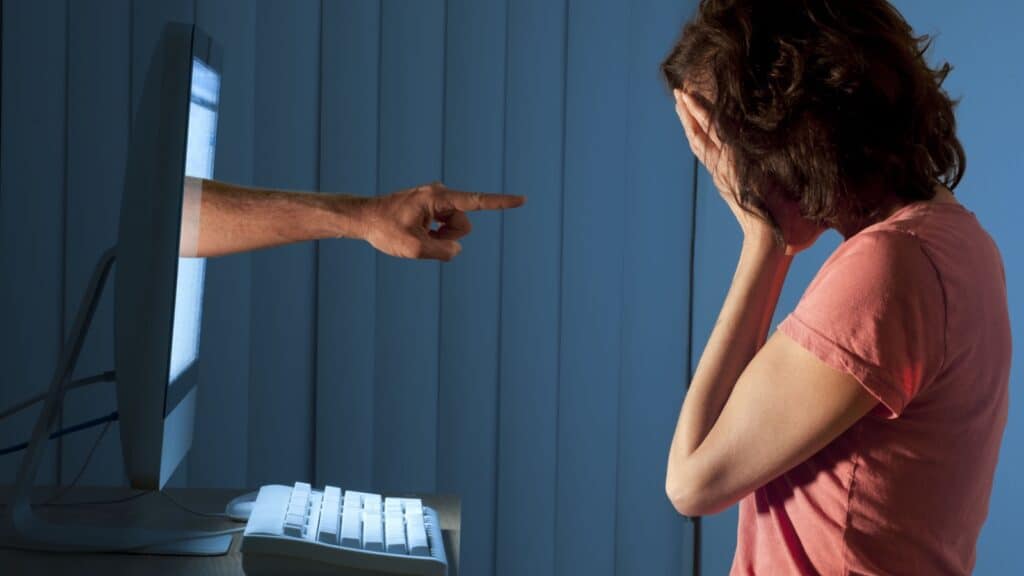
If you think misogyny is confined to the real world, think again. Online harassment has skyrocketed. Women are frequently targeted with abuse or degrading content on social media and forums.
A lot of women in the U.S. have reported experiencing online abuse, from sexist posts to downright threats. It’s not just annoying, it’s harmful and can leave women feeling isolated and unsafe in digital spaces.
Internalized Misogyny: The Enemy Within

Sometimes, the worst misogyny is the one we internalize. When women believe the sexist stereotypes society throws at them, it leads to self-doubt and shame. Whether it’s feeling like you don’t measure up to impossible standards or undervaluing your own talents, internalized misogyny can hold us back more than we realize. It’s sneaky, but it’s something we need to challenge within ourselves.
Misogynoir: Double Trouble for Black Women
Misogynoir is the heartbreaking intersection of racism and misogyny. It disproportionately affects Black women, exposing them to higher rates of violence, discrimination, and institutional bias. In fact, Indigenous and Black women in the U.S. face much higher rates of femicide than their white counterparts. This is a form of oppression that demands attention.
Transmisogyny: Discrimination Against Trans Women

Trans women, particularly women of color, face a unique blend of transphobia and misogyny, otherwise known as transmisogyny. They’re more vulnerable to hate crimes and violence, often because of the complex, intersecting biases against both their gender identity and their womanhood. This particular brand of hate is still a major issue, and we can’t ignore it.
Cultural and Media Misogyny: Not Just on the Big Screen

Media and culture are huge players in perpetuating misogyny. Stereotypes in advertising, film, and news can make women seem less capable, sexualize them unnecessarily, or just flat-out demean them.
It’s frustrating, especially when we see misogynistic portrayals of women becoming normalized, even glorified in pop culture. We need better representation, plain and simple.
Legislative and Policy Misogyny: When Laws Control Women’s Bodies

Laws and policies that restrict women’s choices are yet another form of misogyny, whether it’s limiting reproductive rights or access to healthcare. Restrictive abortion bans and setbacks in sexual education are just a few examples of how society still tries to control women’s bodies. This fight isn’t over, and we need to continue advocating for women’s autonomy.
Backlash Against Feminism: The “It’s Too Much” Argument
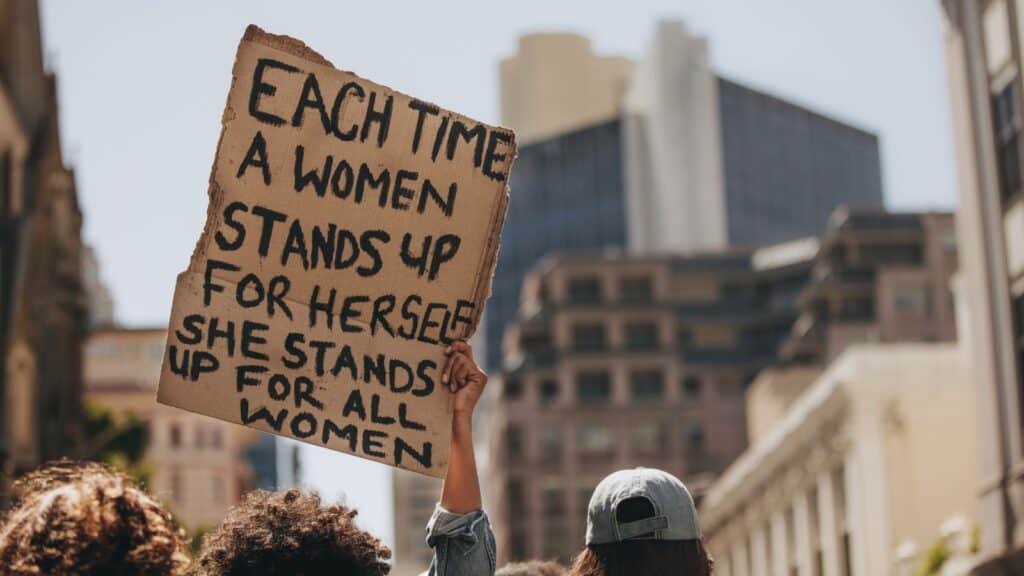
In recent years, there’s been a significant rise in backlash against feminism and gender equality. Public figures and online communities are actively denouncing feminist values, normalizing anti-gender rhetoric, and pushing sexist narratives.
A good number of men in the U.S. believe feminism “does more harm than good,” and that’s a real problem. Feminism is about equality, not an attack on men.
Gender-Based Violence and Femicide: The Ultimate Form of Hate
This is the most extreme form of misogyny: gender-based violence and femicide. We’re talking murder, often by intimate partners, simply because the victim is a woman. Femicide rates in the U.S. are among the highest in the developed world, and they’re especially higher among Indigenous women. This should never be normalized, and it’s time we demand action.
Disclosure: This article was developed with the assistance of AI and was subsequently reviewed, revised, and approved by our editorial team.
20 Odd American Traditions That Confuse the Rest of the World
20 Odd American Traditions That Confuse the Rest of the World
It’s no surprise that cultures worldwide have their own unique customs and traditions, but some of America’s most beloved habits can seem downright strange to outsiders.
Many American traditions may seem odd or even bizarre to people from other countries. Here are twenty of the strangest American traditions that confuse the rest of the world.
20 of the Worst American Tourist Attractions, Ranked in Order

20 of the Worst American Tourist Attractions, Ranked in Order
If you’ve found yourself here, it’s likely because you’re on a noble quest for the worst of the worst—the crème de la crème of the most underwhelming and downright disappointing tourist traps America offers. Maybe you’re looking to avoid common pitfalls, or perhaps just a connoisseur of the hilariously bad.
Whatever the reason, here is a list that’s sure to entertain, if not educate. Hold onto the hats and explore the ranking, in sequential order, of the 20 worst American tourist attractions.