People who slip into comfy clothes as soon as they get home usually have these 11 traits
You know that euphoric feeling when the lock clicks shut behind you and your immediate mission is to shed every restrictively tight garment you own? If you are the type of person who physically cannot relax until the “outside clothes” are off and the sweatpants are on, you are not lazy. You are actually tapping into a fascinating psychological phenomenon that says a lot about your personality and how your brain functions.
For years, I felt a twinge of guilt about my rapid transformation from “Business Professional” to “Human Burrito” the second I walked through the door. But then I looked into the data. It turns out that this habit is not just about comfort; it is a ritual of boundary-setting, sensory regulation, and authenticity.
In fact, our collective hatred of stiff clothing is so strong that a Randstad US survey found that 33% of workers would rather quit than wear formal business attire every day. We don’t just dislike hard pants; we despise them.
They Are Highly Sensory-Aware

Have you ever been bothered by a scratchy tag or a waistband that digs in? If so, you’re likely someone who’s more sensitive to physical stimuli. People who love comfy clothes often feel relief the moment they switch into soft, stretchy fabrics.
People are more aware of the source of these sensations, making comfort clothing a must for their mental well-being. For them, it’s not just about looking good; it’s about feeling good.
They See Comfort As Self-Care

Changing into comfy clothes isn’t just about relaxation; it’s a form of self-care. When you slip into sweats or pajamas after a hectic day, you’re signaling to your brain that it’s time to unwind. This simple act can help reduce stress hormones and activate your “rest and digest” nervous system, helping you relax faster.
Experts actually recommend comfort dressing as a way to reduce anxiety and boost overall well-being. So if that outfit change feels like a little therapy session, it’s because it kind of is!
They Are Clear About Boundaries

For some, that switch from “real clothes” to cozy wear is a clear line between work time and personal time. Hajo Adam and Adam D. Galinsky call this idea “enclothed cognition,” the idea that the clothes you wear can influence your feelings.
When you get home and immediately change into something comfortable, it signals to your brain that it’s time to relax and leave work behind. This physical boundary is key to maintaining personal time and protecting mental health.
They Value Practicality Over Performance

People who rush to put on comfy clothes aren’t trying to impress anyone. They’re all about comfort and functionality. Whether they’re cooking dinner, hanging out with family, or just lounging on the couch, they want clothes that let them move freely. As the popularity of loungewear grows, we see more people choosing fabrics that stretch and breathe, allowing them to live their lives without being restricted by their clothing.
They Are Early Adopters Of Comfort Trends
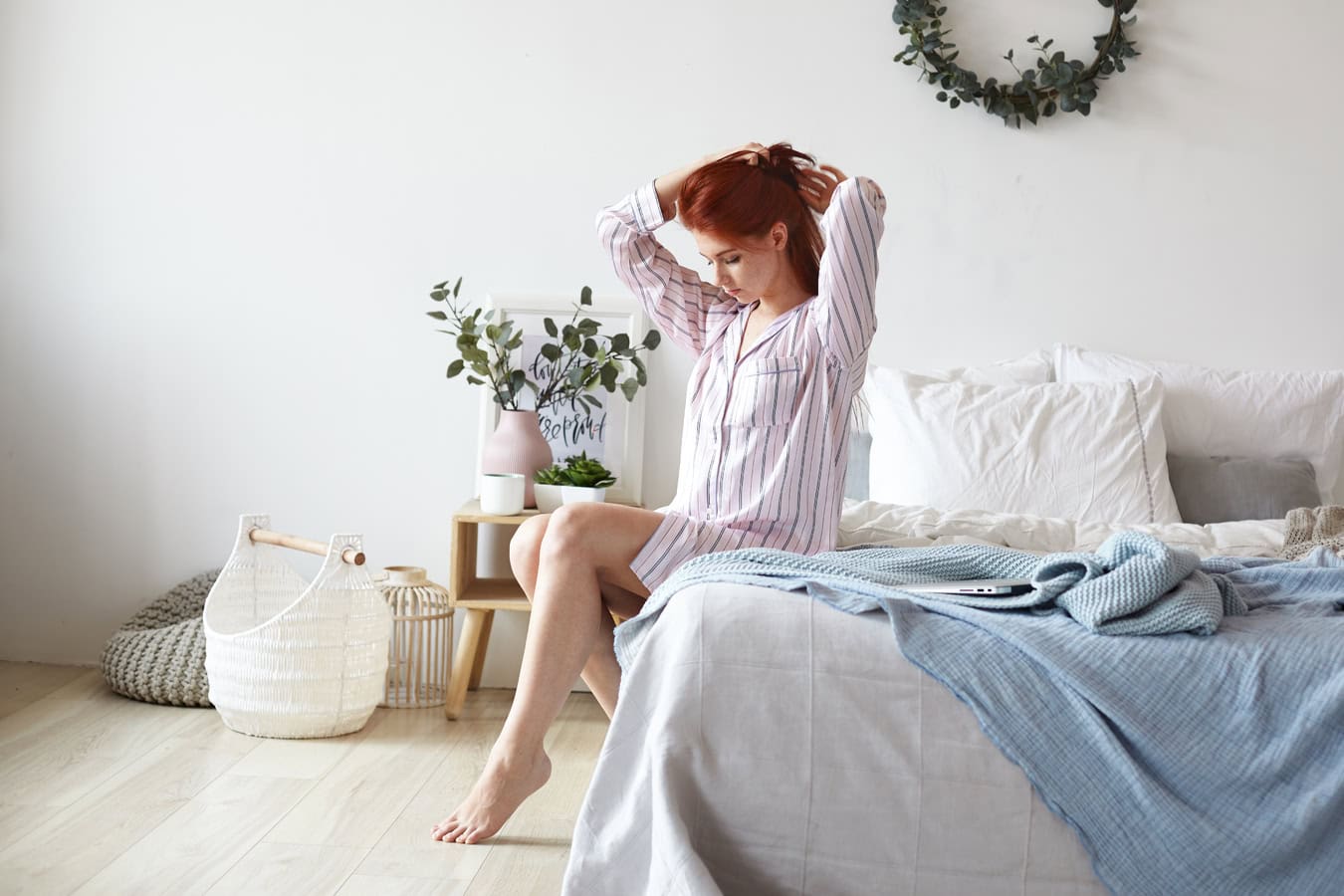
Some people were ahead of the curve when it came to comfort-first fashion. Whether it’s leggings-as-pants or the rise of work-from-home loungewear, these folks were rocking comfy clothes before it was mainstream.
And it turns out they were onto something big: global sales of sleepwear and loungewear are projected to surge in the coming years, with billions in additional sales expected through 2028. If you’ve been enjoying comfort for years, you’re definitely part of the trendsetting crowd.
Also on MSN: 12 valuable home items you should never let go
They Use Clothing To Regulate Mood

Ever felt a mood shift when you changed into your favorite hoodie or joggers? People who prioritize comfort clothing know that it’s more than just a physical change; it’s an emotional reset.
What we wear can influence our emotions, with most people saying their mood shifts depending on their outfit. For comfort lovers, those cozy clothes are like a mood-boosting switch.
They Tend To Be Emotionally Honest

Choosing comfort clothes often reflects a willingness to be authentic. Instead of dressing to impress, these individuals dress to match their real selves. Experts say that when clothing aligns with your identity, you feel more emotionally at ease.
If you’re someone who doesn’t mind ditching the dress code for comfort, it might mean you’re more emotionally grounded and honest with yourself and others.
They Are Efficiency-Oriented

Changing into comfy clothes isn’t just about comfort; it’s about maximizing your time. No one wants to waste precious minutes dealing with uncomfortable outfits when they get home.
People who love comfy clothes are efficiency-oriented, choosing simple, easy-to-wear garments that let them get straight to the things they enjoy. Workers saved time by adopting simpler, more comfortable outfits, making it easier to relax without a long routine.
They Are Quietly Health-Conscious

While they might not talk about it, people who prioritize comfort clothing are often health-conscious in subtle ways. Constantly wearing tight, constrictive clothes can lead to bloating, discomfort, and even tension.
As health trends continue to emphasize breathable, flexible clothing, it’s clear that comfortable clothing is more than just a fashion choice. They’re a smart way to support overall health and well-being.
They Prefer Home As A Sanctuary

Slipping into comfortable shoes and clothes helps transform your home into a personal sanctuary. This small act signals that it’s time to relax and escape from the outside world.
Comfortable clothes help create a peaceful, secure environment, offering a sense of control and calm in a chaotic world. It’s like saying, “I’m off the clock now,” and giving yourself the space to unwind and recharge.
They Are Driving A Bigger Cultural Shift

Individually, it may look like just another person in sweatpants, but collectively, comfort lovers are reshaping the fashion industry. The loungewear and sleepwear markets are among the fastest-growing segments in apparel, and forecasts predict massive growth through the late 2020s and early 2030s. This comfort-first mindset is pushing fashion forward, making it more about ease and well-being than ever before.
Disclosure: This article was developed with the assistance of AI and was subsequently reviewed, revised, and approved by our editorial team.
Like our content? Be sure to follow us