The Top Causes of Nightmares and Tips to Sleep Peacefully Again
Waking up with your heart pounding because you just missed a final exam for a class you haven’t taken in a decade is the absolute worst. Seriously, why does my brain think I need to stress about Geometry at 3:00 AM? You might think nightmares are something we leave behind in childhood, along with imaginary friends and awkward haircuts, but they definitely stick around. In fact, the Sleep Education notes that anywhere from 50% to 85% of adults report having occasional nightmares.
I’ve spent way too much time staring at the ceiling, wondering why a giant marshmallow was chasing me, so I dug into the research to find a solution. We need to figure out why this happens and, more importantly, how we fix it. Let’s look at the top culprits and get you back to peaceful dreaming.
Stress and Anxiety: The Usual Suspects

Stress and anxiety are major triggers for nightmares. Studies show that people who experience higher levels of stress and negative emotions tend to have more frequent nightmares and lower-quality sleep. This makes sense because when you’re stressed, your brain struggles to relax, and that tension often carries over into your dreams.
Tip: Incorporating mindfulness or relaxation techniques into your daily routine can help reduce the anxiety that fuels those troubling dreams.
Trauma and PTSD: Replaying the Worst Moments
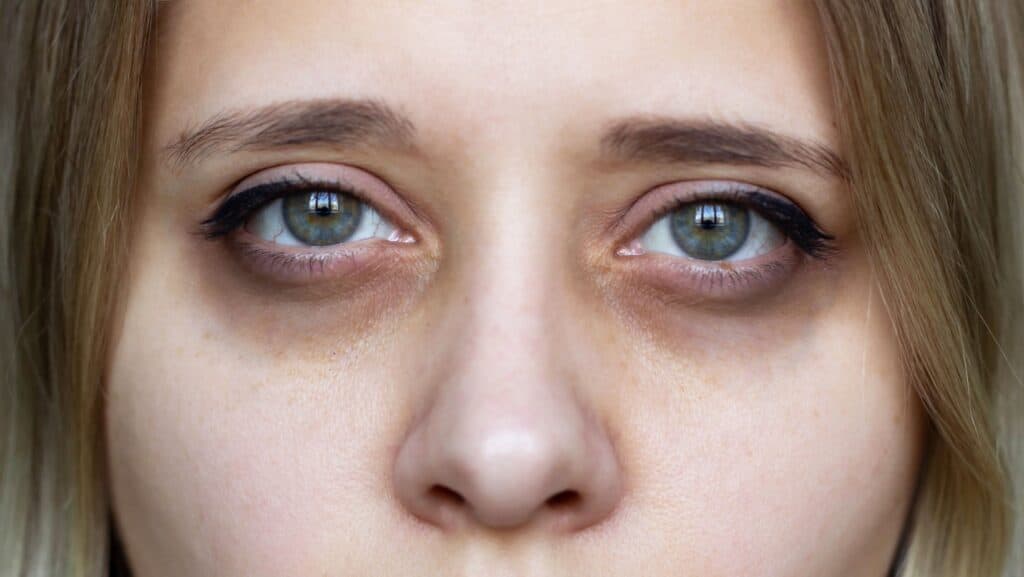
Trauma-related nightmares are common for those suffering from PTSD (post-traumatic stress disorder), a condition that can follow experiencing or witnessing a traumatic event. PTSD sufferers experience recurrent nightmares tied to their traumatic experiences. These distressing dreams can make it feel like the trauma is happening all over again, even while you’re asleep.
Tip: Therapy, especially trauma-focused cognitive behavioral therapy (CBT), is a proven approach to reducing the frequency and intensity of these nightmares.
Mood Disorders: When Emotions Make Everything Worse

Mood disorders like depression and anxiety often go hand-in-hand with nightmares. When your emotions are out of balance, your sleep is likely to be just as disrupted. Nightmares and mental health issues feed into each other, creating a cycle where poor sleep worsens emotional distress, and vice versa.
Tip: Addressing the root mental health issues through therapy or medication can help reduce nightmare frequency and improve overall well-being.
Pandemic and Global Stress: Thanks, 2020

Global events like the COVID-19 pandemic left many feeling anxious, and this stress manifested in nightmares. Anxiety around the pandemic led to increased nightmare frequency, especially for those already dealing with sleep issues or trauma-like symptoms. It’s not just the pandemic itself, but the stress around it, that tends to show up in our dreams.
Tip: Managing stress and finding ways to unwind in the evenings can help calm the nerves and reduce nightmares tied to global stressors.
Doomscrolling and Late-Night Screen Time

Late-night screen time can disrupt your sleep and contribute to nightmares. The blue light from phones and tablets suppresses melatonin, a hormone that helps you fall asleep. On top of that, emotionally charged content like news, social media, or even horror movies can heighten stress levels, making it harder for your mind to unwind.
Tip: Aim to put your phone down 1-2 hours before bedtime, or use blue-light filters to protect your sleep cycle.
Nightmare Disorder: It’s Not Just a Bad Dream
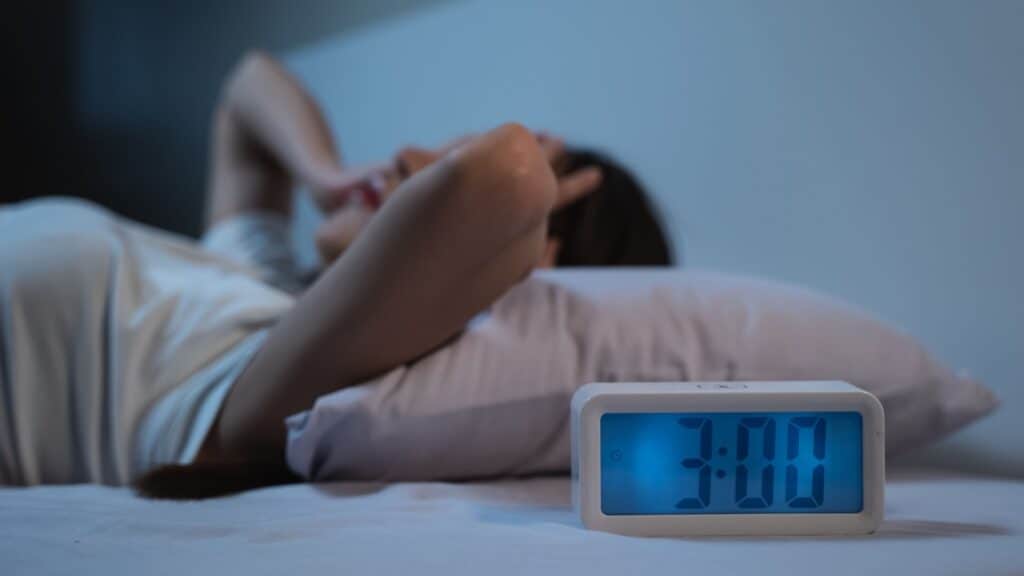
Nightmare disorder is an actual condition where people experience recurring, vivid, and distressing dreams that significantly impact their sleep. Nightmare disorder can even lead to insomnia (difficulty falling or staying asleep) as sufferers become fearful of falling asleep.
Tip: Imagery Rehearsal Therapy (IRT) is a treatment that helps rewrite nightmares into less distressing versions and significantly reduces their occurrence.
Sleep Disorders: Insomnia and Apnea Join the Party
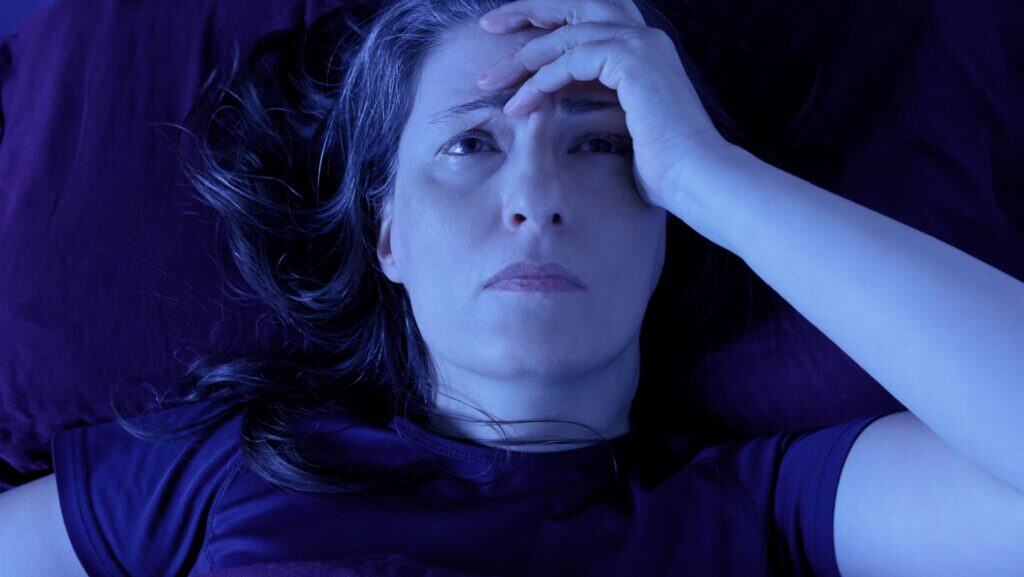
Sleep disorders like insomnia (difficulty falling or staying asleep) or sleep apnea (periodic pauses in breathing during sleep) can increase the frequency of nightmares. These conditions cause sleep fragmentation, meaning you’re more likely to wake up during a REM (rapid eye movement) cycle, the stage of sleep where vivid dreams (and nightmares) happen most often.
Tip: Treating sleep disorders with CPAP therapy or cognitive behavioral therapy for insomnia (CBT-I) can improve sleep quality and reduce nightmares.
Medications and Substances: The Dream Disturbers

Certain medications, especially antidepressants and drugs affecting neurotransmitters, can lead to vivid dreams and nightmares. Similarly, alcohol and substance withdrawal can trigger nightmares, especially in the initial days or weeks after stopping.
Tip: If your nightmares start or worsen after beginning a new medication, speak to your doctor about adjusting the dosage or exploring alternative treatments.
Childhood Factors: Nightmares Are A Rite of Passage

Nightmares are common in childhood, with 10-50% of children experiencing them, especially between the ages of 3 and 5. While nightmares in childhood are often part of normal development, some early trauma or stress can set the stage for recurring nightmares later in life.
Tip: Building healthy sleep habits early on and managing stressors in childhood can help reduce the chances of nightmares continuing into adulthood.
Physical Illness and Pain: The Unseen Culprits

Chronic illnesses, particularly those that cause pain or inflammation, can cause insomnia and increase nightmares. Physical discomfort at night can cause awakenings during REM sleep, when vivid dreams are more likely, making nightmares easier to remember.
Tip: Managing physical conditions and optimizing your sleep environment, such as using cooling pillows or blackout curtains, can reduce nightmares caused by pain or discomfort.
Disclosure: This article was developed with the assistance of AI and was subsequently reviewed, revised, and approved by our editorial team.
20 Odd American Traditions That Confuse the Rest of the World

20 Odd American Traditions That Confuse the Rest of the World
It’s no surprise that cultures worldwide have their own unique customs and traditions, but some of America’s most beloved habits can seem downright strange to outsiders.
Many American traditions may seem odd or even bizarre to people from other countries. Here are twenty of the strangest American traditions that confuse the rest of the world.
20 of the Worst American Tourist Attractions, Ranked in Order

20 of the Worst American Tourist Attractions, Ranked in Order
If you’ve found yourself here, it’s likely because you’re on a noble quest for the worst of the worst—the crème de la crème of the most underwhelming and downright disappointing tourist traps America offers. Maybe you’re looking to avoid common pitfalls, or perhaps just a connoisseur of the hilariously bad.
Whatever the reason, here is a list that’s sure to entertain, if not educate. Hold onto the hats and explore the ranking, in sequential order, of the 20 worst American tourist attractions.