12 Types of Wood Known for Releasing Toxic Smoke When Burned
You’re getting ready for a perfect night by the fire: hot cocoa in hand, a cozy blanket, and the gentle crackle of wood in your fireplace. But what if I told you that the wood you’re burning could actually harm your health?
A 2023 EPA report found that certain types of wood can release toxic chemicals when burned, including carcinogenic compounds. What should be a relaxing evening could leave you at risk of respiratory issues. Ready to make sure your next fire is as safe as it is cozy? Here are 12 woods you should absolutely avoid, so your fire never gets a chance to turn toxic.
Oleander

You’ve seen it before: those lovely pink flowers of oleander lining garden paths or streets. Pretty, right? But here’s the kicker, when you burn oleander wood, it releases toxic cardiac glycosides that can mess with your heart, and I mean seriously mess with it. A puff of that smoke, and you could be dealing with dizziness, nausea, or worse, heart failure. You’re here for warmth, not for a medical emergency, so steer clear of this one if you want to keep things heart-healthy.
Even if it’s just a small branch you’re tempted to toss in the firepit, trust me: it’s not worth the risk. Keep oleander in your garden, where it can stay pretty and harmless. But once that wood touches flames? It’s a whole different story, and it’s not one you want to live through.
The Yew Tree
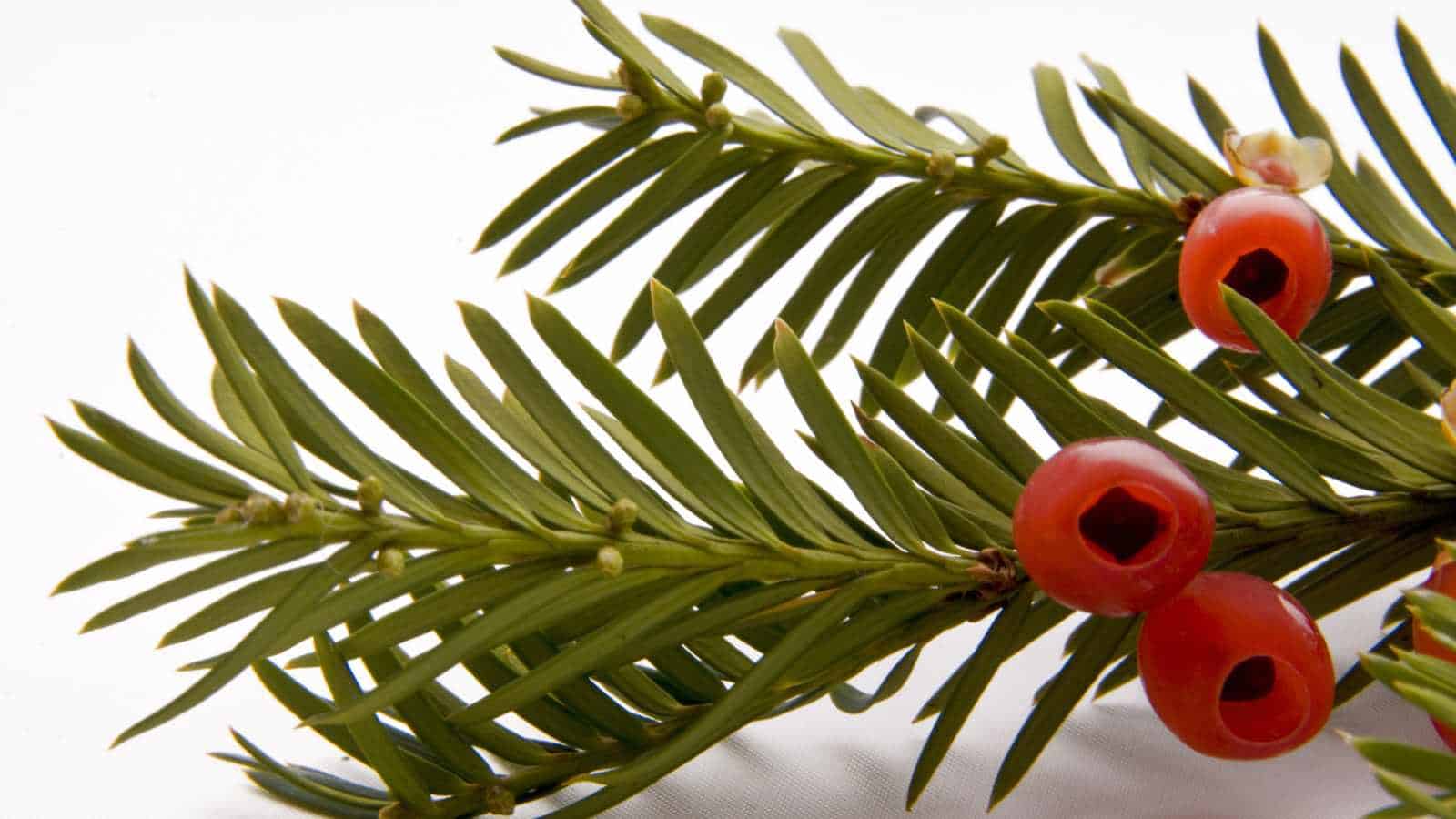
Yew trees are often associated with ancient cemeteries, standing tall and proud as symbols of life and death. According to the Pennsylvania State University, yew wood is among the most poisonous woody plants. A deep breath of that smoke can cause dizziness, shortness of breath, or even life-threatening effects if you’re unlucky enough. So, even though it might look stunning in your backyard, it’s better admired from a distance.
Here’s the thing: the risk of burning yew is far from worth the aesthetic it brings. This ancient tree might symbolize longevity, but with that dangerous smoke, longevity is the last thing you’ll get from it. So, unless you want to breathe in a cocktail of toxins, leave the yew tree out of your firewood pile.
Pressure-Treated Lumber
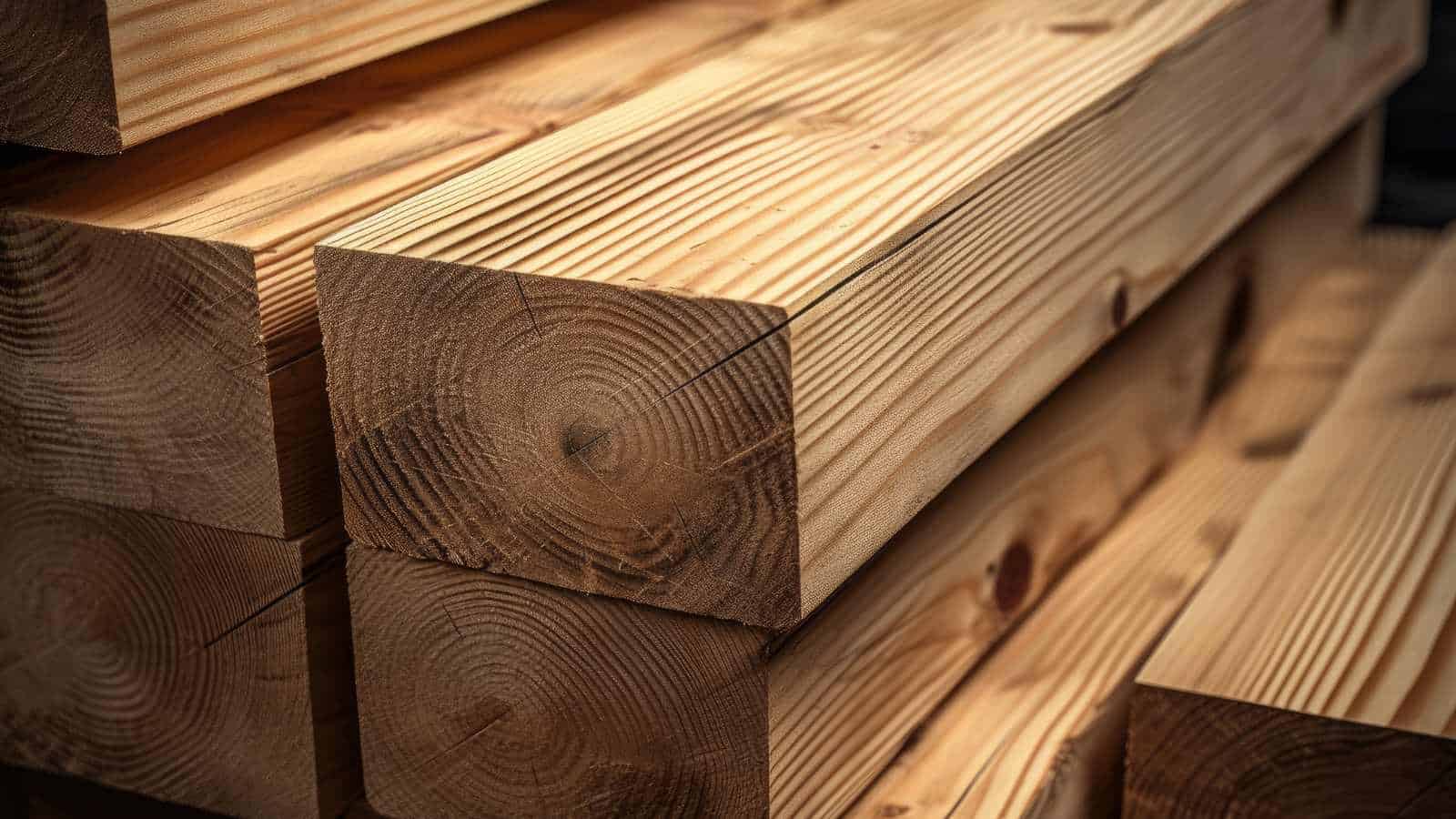
You might have some leftover pressure-treated wood from a recent DIY project, but think twice before tossing it into the fire. Pressure-treated wood, especially older varieties treated with chromated copper arsenate (CCA), contains harmful chemicals, including arsenic, chromium, and copper. When burned, these chemicals are released into the air as toxic smoke and ash, which pose long-term health risks, including cancer and organ damage. So, no matter how tempting, never burn this wood; it’s better to dispose of it safely, according to EPA guidelines.
Pressure-treated lumber might look like a good way to dispose of leftover material, but the health consequences just aren’t worth it. Burning this wood is like inviting toxic fumes into your home; it’s just not a risk worth taking. Keep your fire safe by choosing untreated, natural wood instead.
Railroad Ties and Utility Poles

If you’ve ever come across old railroad ties or utility poles, you might think they’re great for a rustic fire. However, these are often treated with coal-tar creosote, as noted by Tukes. When burned, these chemicals create highly toxic smoke that can irritate your respiratory system and cause long-term health issues. In fact, authorities classify creosote-treated wood as hazardous waste, not fuel, for a very good reason.
What seems like a sturdy, seasoned piece of wood is actually a toxic fire hazard in disguise. Burning railroad ties or utility poles will release a cloud of carcinogens into your home, so it’s best to dispose of them properly. Keep your fire clean and healthy by choosing untreated wood.
Plywood and Particleboard

Plywood, particleboard, and MDF (medium-density fiberboard) may seem like harmless building materials, but they release toxic chemicals when burned. These chemicals not only make the smoke unpleasant but can also pose significant health risks, such as eye irritation, respiratory issues, and long-term exposure to carcinogens. Both industrial and indoor air quality guidelines strongly recommend against burning these engineered wood products.
Next time you think about throwing leftover plywood or MDF into the fire, remember that it adds toxic compounds to the air. Even though it may burn, the resulting smoke is far worse than you might expect. Skip the engineered wood and stick with natural, untreated firewood to keep your air clean.
Painted or Varnished Wood

If the wood you’re burning is painted, stained, or varnished, be careful. As the coating decomposes, it releases dangerous VOCs and heavy metals into the air. Health agencies specifically warn against burning painted or treated wood because of the toxic fumes it produces, which can lead to respiratory issues and even neurological damage over time.
It might look appealing with that fresh coat of paint, but burning treated or painted wood is a health hazard. Instead of burning it, find a safe way to dispose of or recycle it. Your lungs, and your neighbors, will appreciate it.
Poison Ivy, Poison Oak, and Poison Sumac

Poison ivy, poison oak, and poison sumac might be annoying in your yard, but burning them is downright dangerous. These plants contain urushiol, an oil that causes allergic reactions when it comes into contact with the skin, and it remains active in smoke when burned. Inhaling smoke from these plants can cause severe respiratory inflammation and even lead to life-threatening airway problems. Medical and land-management experts universally warn against burning brush containing these plants due to the toxic effects.
If you’ve got poison ivy, poison oak, or poison sumac in your yard, the best advice is to get rid of them safely. The smoke will carry the toxic oils into the air, putting your health at serious risk.
Driftwood

Driftwood might seem like a natural and eco-friendly choice for your fire, but burning marine driftwood is a big mistake. Salt from the sea and chemicals in the wood can react during combustion to produce hydrogen chloride and even dioxins, both of which are highly toxic. Burning driftwood in your fireplace or firepit can lead to corrosive smoke that irritates your eyes, throat, and lungs. Also, avoid burning driftwood indoors due to its harmful effects on indoor air quality.
While driftwood may add to the aesthetic of a beach-themed fire pit, it’s far more trouble than it’s worth when it comes to health risks. Skip the driftwood and choose firewood that won’t produce toxic gases when burned.
Green or Resin-Rich Softwoods

Burning green or resin-rich softwoods like pine, spruce, and fir produces thick, smoky fires that release harmful particulate matter (PM2.5), according to the Environmental Protection Agency. The resin makes these woods burn inefficiently, generating large amounts of smoke that irritate your respiratory system. Even though these woods are common and easy to find, their smoke is harmful—especially in enclosed spaces like stoves or poorly ventilated rooms.
If you want a fire that’s clean and healthy, steer clear of these resin-heavy woods. Instead, opt for hardwoods like oak or maple, which burn cleaner and produce less smoke.
Moldy Wood
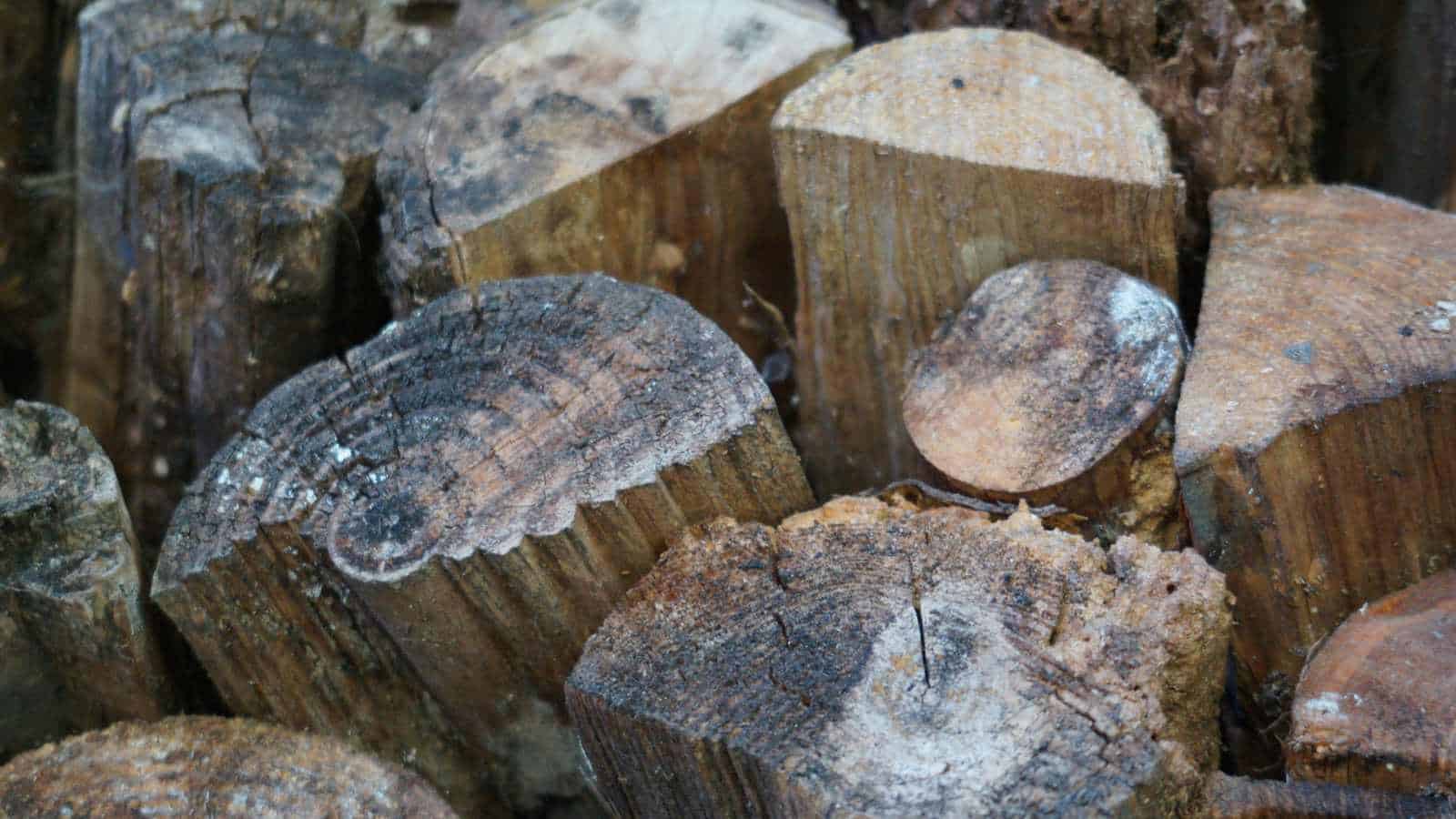
If wood has been sitting in a damp or humid environment, it’s likely picked up some mold. When burned, moldy wood can release fungal spores and fragments into the air, triggering allergic reactions, worsening asthma, and aggravating other respiratory conditions. Experts recommend discarding heavily mold-contaminated wood rather than burning it indoors to prevent exposure to harmful particles.
Burning might seem like an easy fix, but it’s far better for your health to throw it out. Save yourself the risk of breathing in mold spores by choosing clean, dry wood instead.
Black Walnut

Black walnut wood is gorgeous and often used in furniture, but burning it can release juglone, a chemical that can irritate your lungs. Inhaling its smoke can leave you feeling unwell, causing headaches and difficulty breathing. Although it’s tempting to burn, it’s better to keep black walnut out of your fireplace for the sake of your health.
Aromatic Hardwoods with High Irritant Oils

Some tropical hardwoods, known for their strong scents, can be a source of woodworker’s disease, a condition caused by inhaling dust from the wood. When burned, the irritant oils in these woods can cause respiratory irritation and trigger allergic reactions, as noted by CCHOS. Health experts recommend avoiding burning these woods, especially if you’re sensitive to allergens or irritants.
While these hardwoods may be great for furniture or flooring, burning them can introduce harmful irritants into the air. For a safer, cleaner fire, stick to non-aromatic hardwoods that won’t agitate your respiratory system.
Key Takeaways
Burning wood can be hazardous if the wrong materials are used. Pressure-treated wood, such as that treated with chromated copper arsenate (CCA) or creosote-treated railroad ties, releases toxic chemicals like arsenic, PAHs, and carcinogens when burned. These chemicals can cause serious health problems, including respiratory issues and cancer. Similarly, painted or varnished wood and plywood products contain harmful chemicals like formaldehyde and phenols that release toxic fumes when burned, making them unsuitable for use in your fireplace.
Certain natural materials can also be dangerous when burned. Oleander, poison ivy, and driftwood can release toxic compounds that cause serious health risks. For example, oleander contains cardiac glycosides, which can lead to life-threatening heart problems, while burning poison ivy produces smoke containing an irritant oil that can cause severe respiratory distress. Even moldy wood should be avoided, as it can release fungal spores that aggravate allergies and asthma when burned.
To enjoy a safer, healthier fire, stick to natural, untreated hardwoods like oak, maple, and birch. These woods burn cleanly and produce minimal harmful smoke. Additionally, burning wood in a well-maintained, efficient stove or fireplace . By choosing the right wood and ensuring proper combustion, you can create a cozy, safe fire without exposing yourself or your family to dangerous toxins.
Disclosure line: This article was developed with the assistance of AI and was subsequently reviewed, revised, and approved by our editorial team.
Coffee and Kidney Health: Risks, Benefits, and What Studies Say

Coffee and Kidney Health: Risks, Benefits, and What Studies Say
The evidence shows that moderate coffee consumption is safe and may even protect kidney health. Problems arise from excessive caffeine, inadequate hydration, and the presence of sugary additives.
The Superfoods That Boost Energy and Mood

The Surprising Superfoods That Boost Energy and Mood
We all have those days when our energy feels low and our mood takes a dip. Instead of reaching for another cup of sugary coffee or an energy drink, the answer might be sitting right on your plate.
Some people are turning to wellness-focused blends that offer a smoother, longer-lasting boost.