12 Questions Christians Often Face That Might Be Offensive
Christianity, like many religions, is often a topic of both deep conversation and sometimes uninvited questioning. Whether with friends, coworkers, or even strangers on social media, Christians usually face difficult questions about their beliefs.
These questions may seem straightforward, but many of them can feel deeply personal or even offensive, challenging core convictions in ways that can be hard to articulate. In fact, a Pew Research Centre found that 14% of Americans say evangelical Christians face “a lot” of discrimination. But with the right approach, these tough conversations can turn into opportunities for deeper understanding and connection.
Let’s look into 12 common questions Christians face that might be offensive, and explore how to respond with grace and clarity.
“How Can You Believe in a Book That’s So Outdated and Full of Contradictions?”

For many non-Christians, the Bible often seems like an ancient, unreliable text that has been disproven by modern science and history. Critics argue that it contains contradictions and outdated ideas that no longer apply to today’s world. While there are differences in translation and interpretation, much of the perceived contradiction can be resolved by understanding the text’s context, genre, and historical background.
A great response would be to acknowledge that the Bible may have complex narratives, but the timeless message of love, redemption, and grace still resonates across centuries.
“Why Does God Allow So Much Suffering in the World?”

This is one of the most emotionally charged questions Christians face. If God is all-loving and all-powerful, why does He allow suffering, pain, and tragedy to occur in the world? A Pew Research Centre report found that only 14% of Americans expressed doubts about the compatibility of an all-powerful God with the existence of suffering.
Christians often respond by explaining that God gave humanity free will, including the ability to choose both good and evil. Suffering, then, is not caused by God’s will but by the misuse of that freedom. But Christians believe God is with us in suffering, providing comfort and strength, primarily through the life and sacrifice of Jesus.
“How Can You Say Jesus is ‘The Only Way’ to God? Isn’t That Arrogant?”

Many people, especially in pluralistic societies, find the Christian claim that Jesus is “the way, the truth, and the life” (John 14:6) to be narrow and intolerant. A Pew Research Center report shows that 58% of Americans believe that “many religions can lead to eternal life,” showing that Christian exclusivity is increasingly seen as controversial. Christians, however, believe that this claim comes from a deep conviction that Jesus’ life and teachings reveal the whole truth about God’s love for humanity.
Instead of arrogance, many Christians see this belief as a gift and a call to share that love with the world, rather than as an act of exclusion.
Also in MSN: 12 Common Misunderstandings About Heaven
“How Do You Reconcile the Idea of a Loving God with the Violence in the Old Testament?”

The Old Testament contains stories of violence, war, and judgment, which can be challenging for modern readers to reconcile with the idea of a loving God. These events occurred in a specific historical and cultural context where Israel was fighting for survival in a hostile environment. Christians often respond by acknowledging the difficulty of these passages while emphasizing that the New Testament offers a fuller understanding of God’s love and mercy, particularly through the life and teachings of Jesus Christ.
“Why Do Christians Judge Others So Much?”

The accusation that Christians are judgmental is one that often stings, especially when it comes from non-believers. In fact, a Barna Group report found that 87% of non-Christians see Christians as judgmental and out of touch with modern life. However, many Christians argue that Jesus’ message is one of love and acceptance, not judgment (Matthew 7:1-5).
A helpful response is to clarify that while some Christians may fall short of living out their faith perfectly, the core message of Christianity calls for love, compassion, and grace, rather than judgment.
“If God Is All-Loving, Why Does He Send People to Hell?”

Hell is a concept that can be especially difficult to understand. The idea of eternal punishment seems to contradict the Christian belief in a loving, merciful God. A study by The Pew Research Center 62% of U.S. adults believe in Hell; their views on its nature vary: roughly half of believers view it as a place of psychological suffering or separation from God, rather than just physical torment.”
Christians who affirm the doctrine of Hell often explain that it is not about God desiring to punish people, but about human choice and rejection of God’s love. The existence of Hell, for many, underscores the importance of free will. God desires for all to come to Him, but He respects the freedom to choose otherwise.
“Aren’t Christians Just Using Religion as a Crutch?”

This question often implies that faith is a psychological coping mechanism, rather than a sincere belief system. Research from the Pew Research Center shows that Americans are unique among wealthy nations in finding purpose in faith, with religion ranking as a top source of meaning for highly religious adults, often providing a sense of purpose that secular alternatives do not.
Rather than being a crutch, Christianity offers believers a worldview grounded in the belief that they are deeply loved by God, with a call to serve others and make a positive difference in the world. Christians can respond by pointing out that their faith is not about escaping hardship but about living with hope, love, and purpose, even in the face of life’s challenges.
“Why Do Christians Oppose Things Like Abortion or Same-Sex Marriage?”

Social issues like abortion and same-sex marriage often lead to heated debates between Christians and non-Christians. There is a noticeable divide on these topics, with many Christians opposing abortion and same-sex marriage based on their interpretation of biblical teachings regarding the sanctity of life( Psalm 139:13-16) and the definition of marriage.
Matthew 19:4-6 – “Haven’t you read,” he replied, “that at the beginning the Creator ‘made them male and female,’ and said, ‘For this reason a man will leave his father and mother and be united to his wife, and the two will become one flesh’? So they are no longer two, but one flesh. Therefore what God has joined together, let no one separate.” While these issues are deeply sensitive, Christians can approach these discussions by emphasizing their commitment to loving others, even amid disagreements over moral or ethical matters.
This focus on love can provide a foundation for respectful dialogue and understanding, even when viewpoints differ.
“Why Are There So Many Denominations If Christianity Is the ‘True’ Religion?”
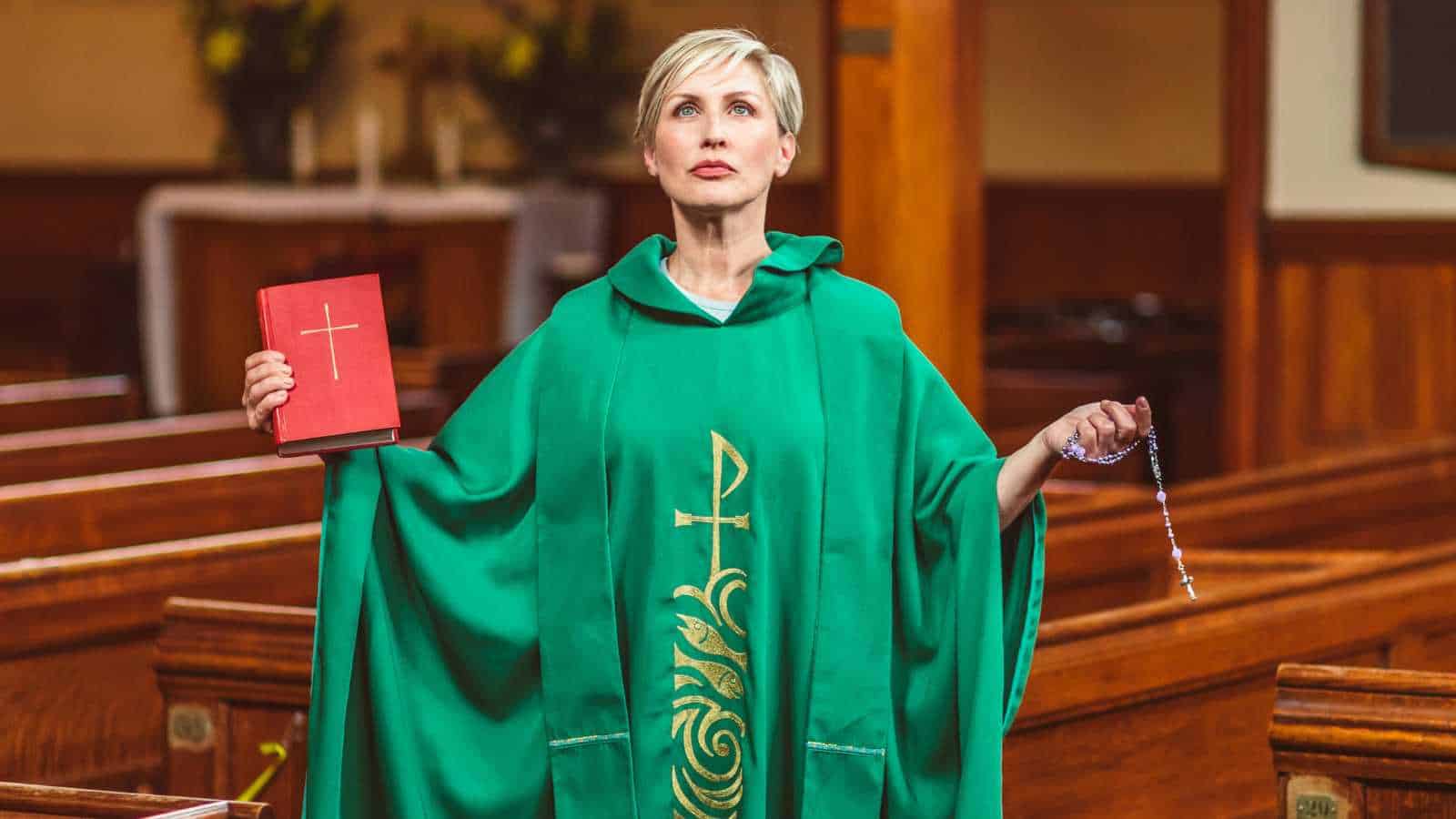
The existence of thousands of Christian denominations can be confusing and even seen as contradictory to the idea of one true faith. According to the Overseas Ministries Study Center, there are over 47,000 denominations worldwide, each with its own interpretation of scripture. However, most Christian denominations share the central belief in Jesus Christ as Lord and Savior, even if their practices and doctrines differ.
Christians respond by acknowledging these differences while also highlighting that the core of Christianity, the life, death, and resurrection of Jesus Christ, remains the same across all denominations.
“Why Do Christians Think Their Religion Is the One True Religion?”
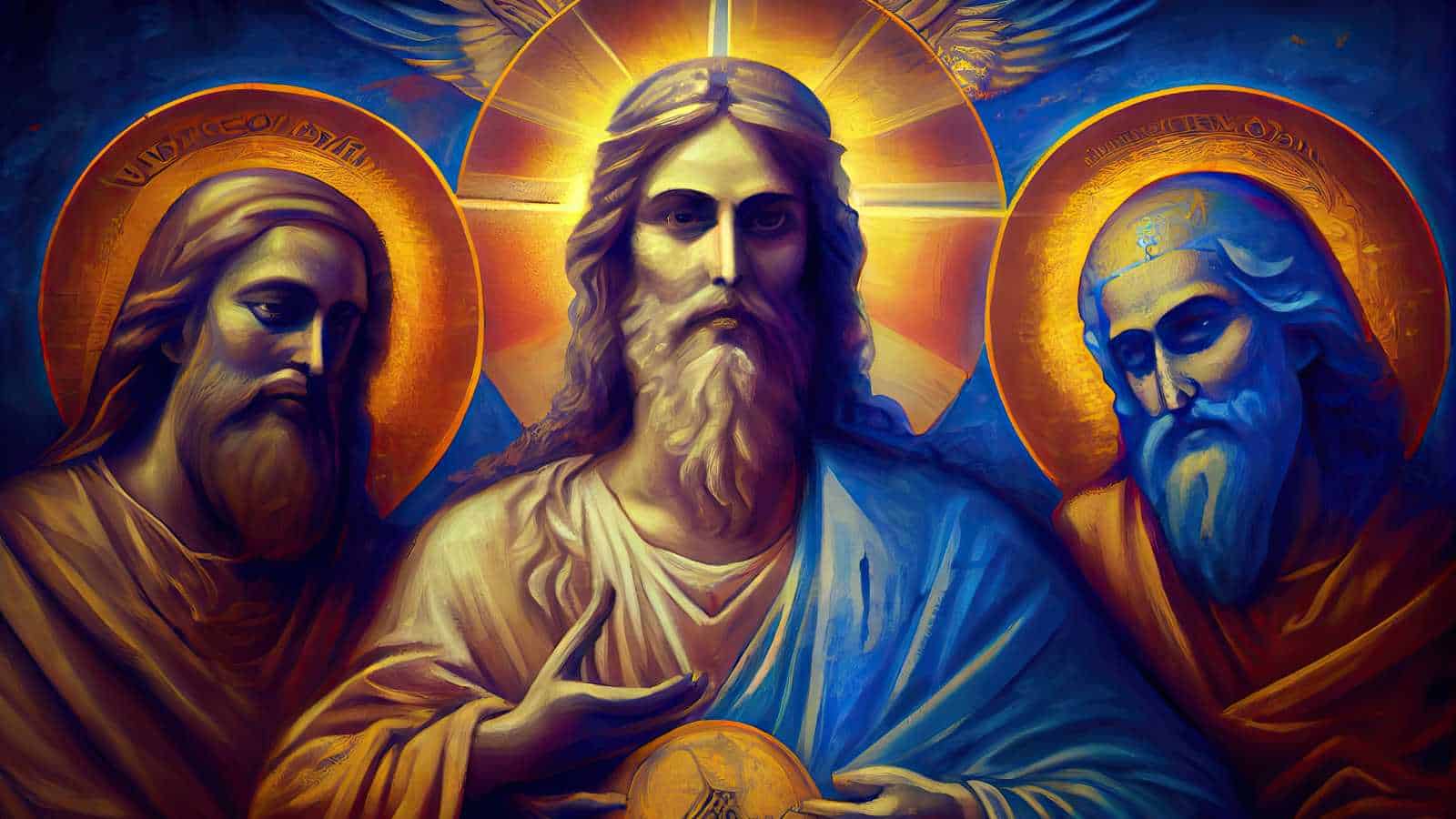
This question often arises from a misunderstanding of why Christians believe their faith is the “only way” to salvation. Christians believe in the exclusivity of faith in Jesus Christ, not as a means of condemnation, but because they hold the conviction that Jesus offers the most whole revelation of God’s love and the way to salvation. As noted in John 14:6 – “Jesus answered, ‘I am the way and the truth and the life. No one comes to the Father except through me.’
While Christians respect other religions, they view Christ’s teachings as the most straightforward and most direct path to eternal life, believing that through Him, people can experience the fullness of God’s grace and mercy.
“Why Do Christians Talk About Love but Often Seem So Hateful?”

Accusations of hypocrisy often arise when Christians fail to demonstrate love and kindness to those with whom they disagree, especially toward groups who may feel marginalized. Many Christians believe they are called to show love to all people, yet at times, they may be perceived as unwelcoming or judgmental. They acknowledge that intolerance has occurred, but they can also emphasize that the heart of the message is love, compassion, and service to others.
It’s important to remember that while individuals may fall short, the Bible’s message consistently calls Christians to love and care for everyone, regardless of differences.
“If God Is Real, Why Doesn’t He Show Himself More Clearly?”

This is one of the most common questions Christians encounter: the struggle with the “hiddenness of God.” If God is real, why doesn’t He make His presence more evident to everyone? Christians believe that God has revealed Himself through creation, scripture, and, most fully, through the person of Jesus Christ.
They also believe that God invites people into a relationship of faith rather than overwhelming them with undeniable proof. For Christians, God’s desire for a genuine relationship involves trust, built on faith rather than on visible evidence.
Key Takeaways

Many of the questions Christians face challenge the core aspects of their faith, such as the Bible’s relevance, the exclusivity of salvation through Jesus, and complex concepts like suffering and Hell. Responding with compassion and context is key. Christians can emphasize that their faith is not about condemnation but about love, grace, and the choice to follow God’s teachings. While the Bible can be complex, its core message remains one of hope, redemption, and salvation.
Questions about controversial topics, such as judgmentalism or social issues, are often posed with the assumption that Christians are out of touch or hypocritical. It’s important to acknowledge that Christians, like all people, can fall short of their ideals. However, the true heart of Christianity lies in the love and compassion Jesus modeled. Responding to these challenges with humility and a focus on the core teachings of love, service, and forgiveness can help foster mutual understanding.
When questioned about the problem of evil or the existence of Hell, the answer often lies in the concept of free will. Christianity teaches that God allows people the freedom to choose their path, and that suffering and evil arise from the misuse of that freedom. At the same time, Christians believe that God’s love and mercy are freely available to all, offering hope amid life’s difficulties. Ultimately, it’s important to communicate that faith is about building a relationship with God, not simply having all the answers, and that everyone is invited to experience His love and grace.
Disclosure line: This article was developed with the assistance of AI and was subsequently reviewed, revised, and approved by our editorial team.
7 Morning Rituals Women Swear By for More Energy and Confidence

7 Morning Rituals Women Swear By for More Energy and Confidence
Morning rituals don’t have to be complicated. A glass of water, a quick stretch, five minutes with your journal — these small things stack up to create significant change. Women who build these habits aren’t just “morning people”; they’re people who decided to take charge of their first hour of the day.
Why Your Daily Coffee Could Be the Secret to Better Wellness

Why Your Daily Coffee Could Be the Secret to Better Wellness
Coffee is more than a pick-me-up. It’s a beverage linked to improved brain health, metabolic strength, heart resilience, and even a longer life. With antioxidants and plant compounds working alongside caffeine, it’s no wonder researchers call it one of the most powerful wellness drinks available.