12 ways the economy shapes your financial outcomes
Economic shifts influence nearly every aspect of your financial well-being, from how much you pay for everyday items to the health of your investments.
For example, according to the U.S. Bureau of Labor Statistics, the U.S. inflation rate stood at 3.0% for the 12 months ending in September 2025, which has been impacting the cost of goods such as food, gas, and housing. Additionally, the U.S. unemployment rate rose to 4.4% in September 2025, signaling a potential cooling in the job market.
These shifts are shaping everything from your borrowing costs to your purchasing power. By understanding these connections, you can make more informed financial decisions to help you navigate the ups and downs of the economy.
Here are 12 key ways the economy shapes your finances, and more importantly, what you can do about it.
Interest Rates Affect Borrowing Costs
Interest rates, largely determined by the Federal Reserve, set the cost of borrowing money. If you’re applying for a mortgage, auto loan, or using a credit card, the interest rate plays a huge role in how much you’ll pay over time.
In a low-interest-rate environment, borrowing becomes cheaper, making it a great time to take out loans for big purchases, such as a home or car. However, during periods of high interest rates, the cost of borrowing increases.
If you’re planning to borrow, try to lock in lower rates when possible. If you’re carrying high-interest debt, like credit card balances, consider paying it down quickly to avoid accruing more expensive interest.
Inflation Erodes Your Purchasing Power

Inflation refers to the general increase in prices of goods and services over time. It can affect everything you buy—gas, groceries, or even rent. As prices rise, the money you have today buys less than it did a year ago.
To combat inflation, it’s essential to invest in assets that tend to outpace inflation, such as stocks or real estate. A 2023 report from the U.S. Department of Agriculture shows that food and energy inflation has been higher than the overall inflation rate. Keeping a diversified portfolio and focusing on assets that maintain or grow in value over time is a good strategy.
Additionally, look for ways to cut back on discretionary spending when inflation is high. Adjusting your budget to accommodate higher costs for necessities can help you weather inflationary pressures.
Unemployment Affects Job Security
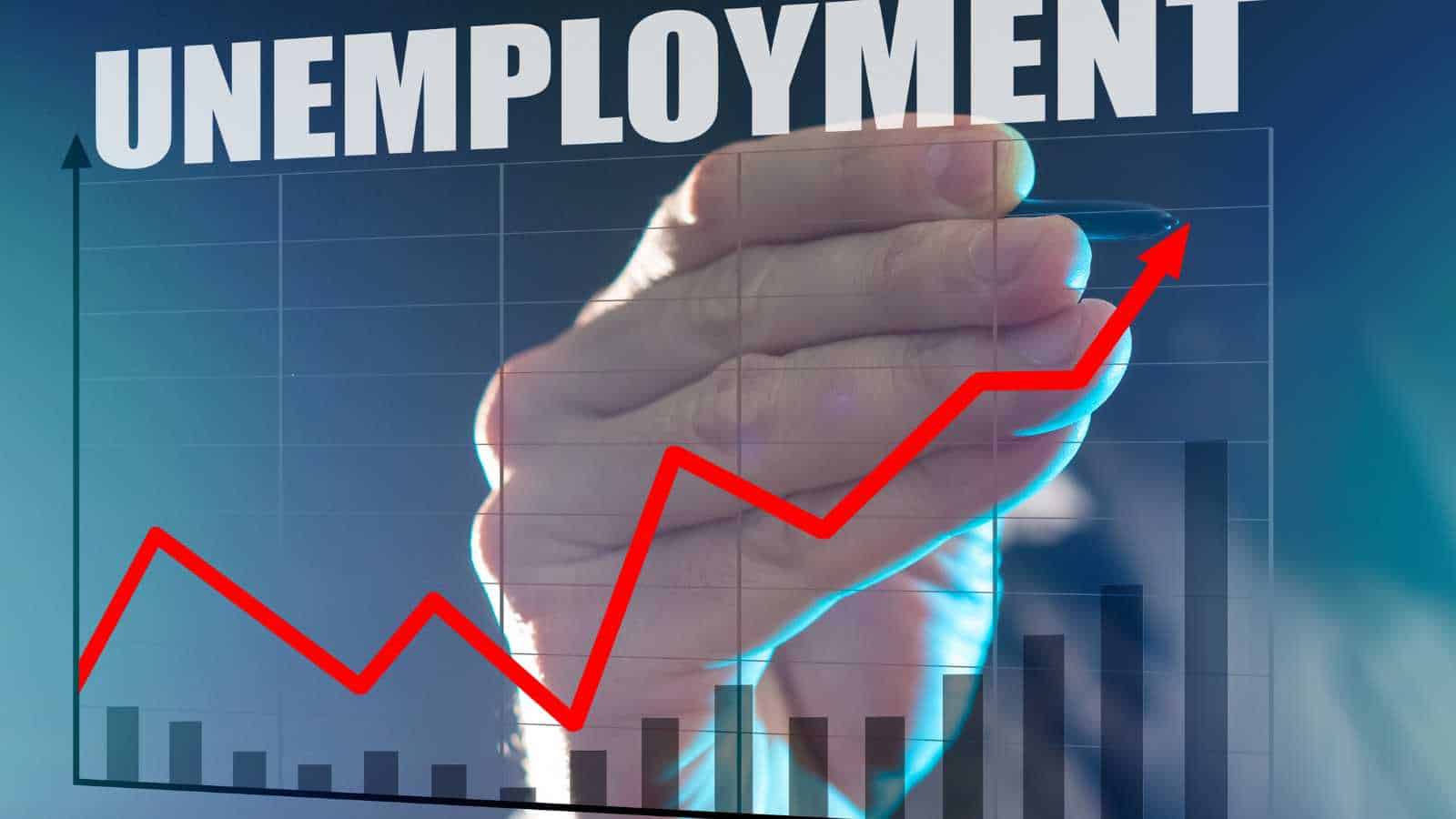
Economic downturns often lead to job losses, hiring freezes, or lower wages. A higher unemployment rate can signal that businesses are struggling and that job security may be at risk.
Keep your resume up to date and be prepared to pivot. A 2022 report by the Federal Reserve Bank found that unemployment rates in specific sectors increased during recessions. To protect yourself, consider having a financial safety net. A well-funded emergency savings account can help you stay afloat during periods of job insecurity.
Also, developing new skills or seeking professional certifications can improve your marketability. Diversifying your skill set can open up new job opportunities, even in tougher economic times.
Wages Don’t Always Keep Up With Costs

Even in a growing economy, wages may not always increase at the same rate as the cost of living. According to a 2025 report from the Economic Policy Institute, while overall productivity has increased in the U.S., wages have stagnated for many workers over the last few decades, especially for those in lower-income brackets.
If your wages are not keeping pace with rising costs, consider looking for ways to increase your income. This could mean asking for a raise, taking on additional work, or even starting a side hustle. Research from the Pew Research Center found that side gigs are increasingly popular for supplementing household incomes, especially in urban areas.
Investing in your education and career development can also lead to long-term wage growth. In times of economic uncertainty, consider courses or training that may improve your employability and make you eligible for higher-paying roles.
Tax Changes Can Affect Your Bottom Line

The tax landscape is influenced by the economy and government policies. Changes in tax rates, deductions, or credits can significantly affect your finances. For example, during economic growth, tax cuts may be implemented to encourage spending, while in recessions, tax increases may be implemented to fund government programs.
Stay informed about tax policy changes. Boston University states that recent changes in federal tax policy have provided tax relief for lower-income individuals, primarily by increasing the standard deduction and expanding benefits such as the Earned Income Tax Credit (EITC).
If you’re unsure how tax changes affect you, consider consulting with a financial advisor or tax professional. Strategizing your finances in advance can help reduce your tax burden and increase savings over time.
Stock Market Volatility Means Unpredictable Returns

Economic fluctuations often result in stock market volatility. A healthy economy tends to drive up stock prices, while recessions can cause market downturns. During these fluctuations, your investment portfolio may see significant ups and downs.
If you’re invested in the stock market, diversification is key. A 2022 study by Vanguard showed that well-diversified portfolios typically perform better in the long term, minimizing the impact of short-term volatility.
If you’re not comfortable with market swings, consider more stable investment options, such as bonds or real estate. It’s also important to stay focused on your long-term financial goals and avoid panic selling during downturns, which can lock in losses.
The Real Estate Market Can Make or Break You

The economy plays a major role in shaping the housing market. Low interest rates typically lead to rising home prices, while a recession or economic downturn can cause home prices to fall.
Keep an eye on mortgage rates and real estate trends. If you’re in the market for a home, it may be wise to wait for conditions that align better with your financial goals, such as lower mortgage rates or more affordable property prices.
For homeowners, staying informed about the local real estate market can help you make better decisions regarding buying, selling, or refinancing your home.
Government Stimulus Can Provide Short-Term Relief

In times of economic crisis, governments often introduce stimulus measures to stimulate economic growth and assist citizens. During the COVID-19 pandemic, for example, the U.S. government issued stimulus checks and enhanced unemployment benefits to help people cope with job losses.
Stay aware of any government assistance programs available to you. A 2021 report by the U.S. Department of the Treasury showed that stimulus checks helped to reduce financial stress for many households. If stimulus measures are enacted during economic downturns, they can provide a temporary boost to your finances.
Also in MSN: How to stay afloat when the economy falls apart
Global Events Can Have Local Consequences
The global economy is closely linked, meaning that events happening in other parts of the world can affect your local economy. Trade disruptions or economic downturns in other countries can lead to higher prices or job losses in the U.S.
It’s important to stay adaptable and keep up with international news. For instance, the COVID-19 pandemic had a widespread economic impact, disrupting supply chains and causing shortages and price increases in the U.S. Being aware of global events and understanding how they might affect your finances can help you make quick and informed adjustments.
Access to Credit Can Make a Big Difference

Economic conditions affect the availability of credit. In a strong economy, it’s easier to get loans with favorable terms. During recessions, credit becomes harder to obtain as lenders become more cautious.
Maintaining a good credit score is essential for accessing affordable loans when needed. According to CNBC, credit scores above 700 are generally seen as “good” and open up better borrowing opportunities. If the economy turns sour, lenders may be more stringent with credit approval, so it’s important to stay ahead of your debts.
Consumer Confidence Affects Spending Habits

When people feel confident about the economy, they’re more likely to spend money, which boosts economic growth. However, when confidence drops, people tend to save more and cut back on spending, which can slow down economic activity.
It’s important to monitor consumer confidence, which reflects how people feel about the economy. Shifts in this sentiment can signal changes in spending behavior. Understanding these trends can help you adjust your financial strategies.
That means being more cautious with your spending or focusing on increasing your savings.
Entrepreneurial Opportunities Rise and Fall

Economic conditions play a crucial role in shaping opportunities for entrepreneurs. A strong economy often creates a favorable environment for new businesses, while a weak one can present significant challenges.
Timing is key if you’re considering starting a business. Launching during an economic upswing can help you capitalize on higher consumer spending. However, it’s essential to have a well-thought-out business plan that also prepares you for potential downturns.
Key Takeaways

The economy influences your finances in numerous ways, from inflation eroding purchasing power to interest rates affecting borrowing costs. Staying informed and adaptable is key to managing these economic shifts. Strategies like diversifying investments, maintaining a strong credit score, and building an emergency savings fund can help you weather job insecurity or economic downturns.
Monitoring tax changes and adjusting to market trends, such as real estate or consumer confidence, helps you make smarter financial decisions. Ultimately, understanding the economy’s impact empowers you to take proactive steps, increase income, reduce expenses, and protect your wealth, no matter the financial climate.
Disclosure line: This article was developed with the assistance of AI and was subsequently reviewed, revised, and approved by our editorial team.
Why investing for retirement is so important for women (and how to do it)

Why investing for retirement is so important for women (and how to do it)
Retirement planning can be challenging, especially for women who face unique obstacles such as the wage gap, caregiving responsibilities, and a longer life expectancy. It’s essential for women to educate themselves on financial literacy and overcome the investing gap to achieve a comfortable and secure retirement. So, let’s talk about why investing for retirement is important for women and how to start on this journey towards financial freedom.
why Your Daily Coffee Could Be the Secret to Better Wellness

Why Your Daily Coffee Could Be the Secret to Better Wellness
Coffee is more than a pick-me-up. It’s a beverage linked to improved brain health, metabolic strength, heart resilience, and even a longer life. With antioxidants and plant compounds working alongside caffeine, it’s no wonder researchers call it one of the most powerful wellness drinks available.