Who really profits from clean energy right now
As clean energy investment accelerates into the trillions, its profits are concentrating among utilities, corporations, and investors long before most households see relief.
Clean energy is often presented as a collective good, something society invests in together for long-term stability, lower emissions, and a more resilient future. That framing is not wrong, but it is incomplete. When people hear that clean energy is booming while their own costs rise or their circumstances stay the same, a quieter question starts to form. If this transition is so successful, who is actually benefiting from it right now?
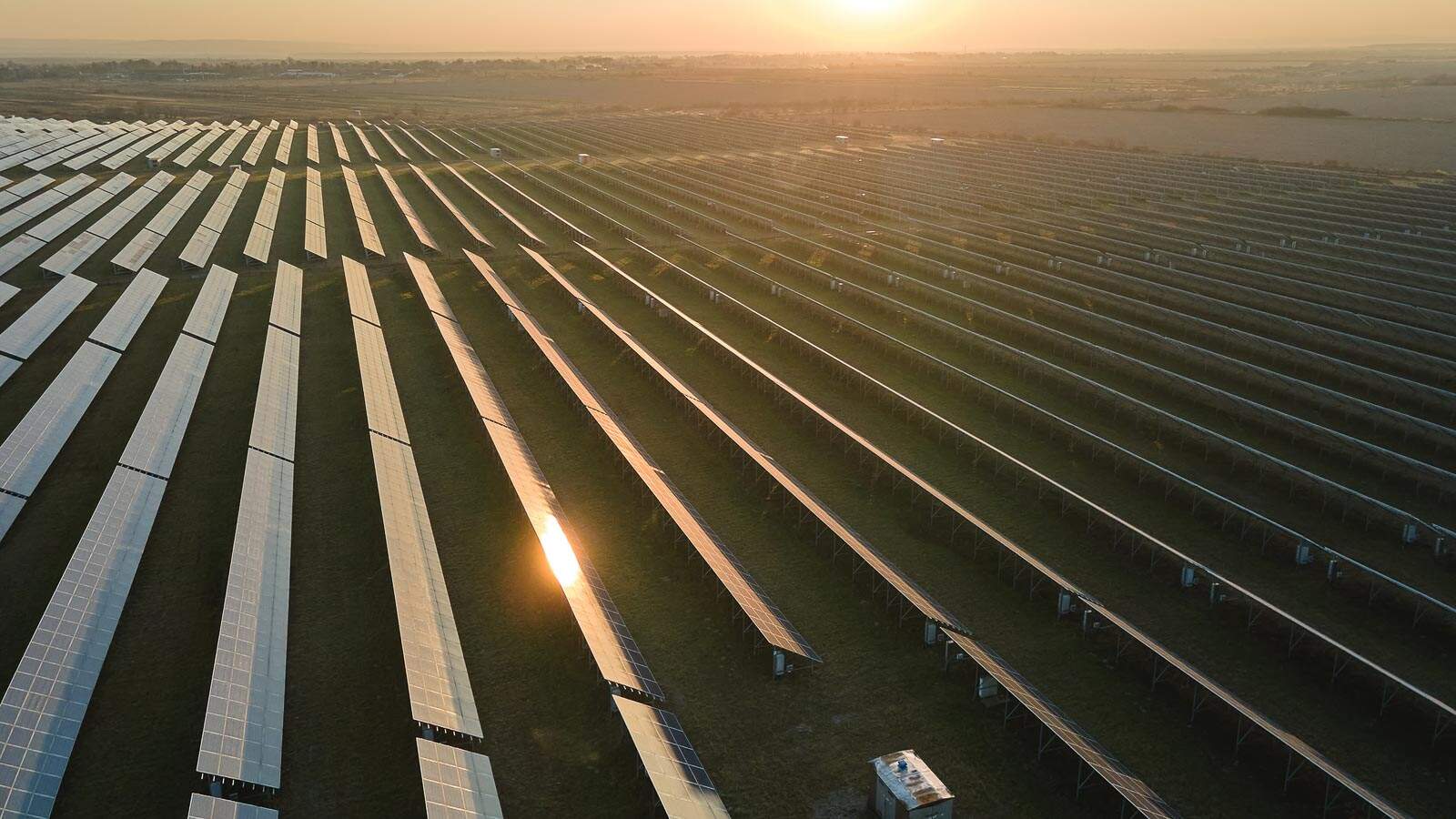
That question does not come from cynicism alone. It comes from lived experience. People can see solar farms spreading across fields, wind turbines dotting the horizon, and electric vehicles multiplying on roads, yet many do not feel more secure, more empowered, or more financially comfortable. The disconnect between visible growth and personal benefit fuels suspicion, and suspicion thrives when answers are vague.
The truth is that clean energy is profitable, but those profits are not evenly distributed. Some groups benefit early and significantly, while others are positioned to benefit much later or only indirectly. Understanding that imbalance helps explain why public enthusiasm is uneven and why support often fractures along economic rather than ideological lines.
Utilities Are Often the First Winners

Electric utilities sit at the center of the clean energy transition, and they are structured to benefit from large capital investments. Unlike competitive businesses, many utilities operate as regulated monopolies. Their profits are tied not just to how much electricity they sell, but to how much infrastructure they are allowed to build and recover costs on over time.
When utilities invest in renewable projects, transmission upgrades, grid modernization, and resilience measures, those investments become part of their regulated asset base. Regulators typically allow utilities to earn a guaranteed return on these assets. That means building more infrastructure can translate into stable, predictable profits, even if customer bills rise in the process.
From a system perspective, this model ensures utilities remain financially healthy enough to maintain reliability. From a consumer perspective, it can feel like utilities are protected while households absorb the impact. Both views can be true at the same time, which makes the dynamic uncomfortable but important to acknowledge.
Large Corporations Capture Early Advantages
Major corporations with access to capital, tax expertise, and long planning horizons are well positioned to benefit from clean energy incentives. Federal and state tax credits, depreciation rules, and grant programs often reward those who can invest large sums upfront and wait years for returns.
Tech companies, manufacturers, and logistics firms increasingly power facilities with renewable energy through long-term contracts that lock in predictable prices. These arrangements help stabilize operating costs and bolster sustainability credentials. Smaller businesses and individuals rarely have access to similar deals.
This imbalance does not mean incentives are corrupt or misguided. It means they are structured around scale and complexity, which favors those already positioned to navigate them. For people watching from the outside, it can feel like clean energy is another system where benefits flow upward before they trickle outward.
Homeowners With Capital See Disproportionate Gains
Individual homeowners who can afford solar panels, battery systems, heat pumps, and electric vehicles often experience real benefits. Lower long-term energy costs, tax credits, increased property values, and greater energy independence can all result from early adoption.
The problem is not that these benefits exist. The problem is that they are out of reach for many. Renters, lower-income households, and people living in multifamily housing often cannot make these investments even if they want to. As a result, they help pay for grid upgrades through their bills while watching others reduce their dependence on the system.
This dynamic creates a quiet but powerful divide. Clean energy begins to look like a privilege rather than a shared public good. That perception, whether fair or not, undermines trust and weakens collective momentum.
States and Regions That Moved Early Are Pulling Ahead
Geography plays a major role in who profits from clean energy. States that invested early in renewable infrastructure, workforce training, and grid upgrades are now seeing returns in the form of jobs, tax revenue, and economic diversification.
Rural areas with abundant wind and solar resources sometimes benefit from land leases and local investment. Regions that built manufacturing capacity for turbines, panels, or batteries capture additional value. These gains can be substantial, but they are unevenly distributed across the country.
Meanwhile, regions that rely heavily on legacy energy systems or lack political consensus often lag behind. Their residents may experience higher costs without seeing comparable local benefits, reinforcing a sense of being left behind by national trends.
Financial Institutions and Investors Gain Quietly
Banks, private equity firms, and institutional investors play a significant role in financing clean energy projects. Renewable energy has become an attractive asset class because it offers long-term, stable returns backed by contracts and government support.
These profits are rarely visible to the public. They appear on balance sheets rather than rooftops. For people struggling with rising bills, it can feel abstract and remote, which feeds the belief that clean energy is more about financial engineering than everyday improvement.
Again, this does not mean investment is inherently bad. Large projects require capital. But when profits are concentrated far from the communities bearing the costs, resentment grows.
Workers Benefit, But Not Always Where They Expect
Clean energy does create jobs, often more than traditional fossil fuel industries. These jobs range from construction and maintenance to engineering and project management. However, they are not always located where job losses occur, and they often require different skills.
Workers who successfully transition can experience stable, well-paying employment. Others face displacement, retraining challenges, or geographic disruption. The promise of job creation feels hollow to those who cannot access it directly.
This mismatch between job growth headlines and individual opportunity contributes to skepticism, even among people who support clean energy in principle.
Why Uneven Profit Slows Public Buy-In
People are remarkably tolerant of change when they believe it is fair. They are far less tolerant when they suspect others are benefiting at their expense. The clean energy transition asks for patience, investment, and adaptation, but it often fails to address perceived inequities head-on.
When bills rise before savings appear, when incentives favor those with capital, and when explanations are thin, people fill the gaps with distrust. That distrust does not require misinformation to grow. It can arise from silence alone.
Public support erodes not because people oppose cleaner energy, but because they feel excluded from its benefits.
What Broader Benefit Could Look Like
A more inclusive clean energy transition would prioritize access alongside innovation. Community solar programs that serve renters, targeted rebates for lower-income households, transparent billing that explains infrastructure costs, and workforce programs tied directly to affected regions all help spread benefits more evenly.
Equally important is honesty. Acknowledging who benefits first and why builds credibility. Pretending that everyone wins at the same time invites backlash when reality intervenes.
The Deeper Issue Is Trust, Not Technology
At its core, the question of who profits from clean energy is really a question about trust. People want to know whether the system is designed for collective resilience or selective gain. They want to feel that sacrifice is shared and progress is genuine.
Clean energy can deliver real long-term benefits. But those benefits will not carry social legitimacy unless people see themselves reflected in the story. Technology alone cannot accomplish that. Transparency, equity, and communication matter just as much.
The Bottom Line
Right now, clean energy profits are real, but they are uneven. Utilities, corporations, investors, and well-capitalized homeowners often benefit first. Others contribute quietly through higher costs and delayed rewards. Recognizing that imbalance is not an attack on clean energy. It is a necessary step toward making it sustainable in both economic and social terms.
The transition will succeed not when profits exist, but when people believe those profits are earned fairly and shared broadly. Until then, skepticism will persist, not because people reject progress, but because they want to trust it.
Fuel Or Electric? Tips For Picking The Right Rental Car (And Not Getting Stuck With The Wrong One!)

Renting a car can seem overwhelming, especially with all the different deals, fuel options, and policies rental companies have. Whether you’re on a business trip, vacation, or need a temporary vehicle, here’s a complete guide to help you navigate the best ways to rent a car, get the best deal, and choose the right fuel type for your needs. Learn more.