12 vegetables that may not be ideal for your health, according to nutritionists
So you’ve decided to eat healthier, loaded up on vegetables, and feel pretty great about your choices. But then, after that big salad or green smoothie, your stomach decides to send you a very clear “oops.” Yeah, turns out some veggies aren’t as innocent as they seem.
I used to believe that vegetables were the perfect, guilt-free food. You eat them, feel great, and assume your body is sending you a thank-you note. But then, after eating a healthy salad or green smoothie, I’d find myself bloated or feeling off, and that’s when I started questioning everything.
But not all vegetables play nice with everyone’s body. For example, according to a Healthline report, high‑FODMAP veggies can trigger bloating, gas, and cramps in people with irritable bowel syndrome or carbohydrate intolerance. Let’s explore these veggies that might leave you feeling less than stellar, and why nutritionists suggest you think twice before overdoing them.
Spinach

You know that green smoothie that’s supposed to make you feel like a wellness queen? Well, spinach might be pulling a sneaky move on you. Raw spinach is high in oxalates, which, if consumed too often, can lead to kidney stones. Ugh, no thank you, right? But here’s the good news: cooking spinach helps reduce those oxalates, making it way easier on your system. So, next time you toss it into your salad, try cooking it up instead. Your kidneys will be grateful!
And hey, don’t feel bad about mixing up your greens! Eating the same thing every day, even something healthy, can get old. Variety is not just the spice of life, it’s good for your body too!
Potatoes

Oh, potatoes. Who can resist a big plate of mashed potatoes or crispy fries? But here’s the catch: if your potato starts turning green or sprouting little “hairs,” it could cause you more trouble than comfort. According to Michigan State University, green potatoes contain solanine, which can cause nausea and stomach issues.
And even if they look good, big portions can spike your blood sugar and leave you feeling sluggish. So, when in doubt, toss those questionable spuds and enjoy them in moderation. You deserve the comfort without the consequences!
Remember, potatoes are great, just don’t go overboard. A little goes a long way, and your energy will thank you for it later!
Tomatoes
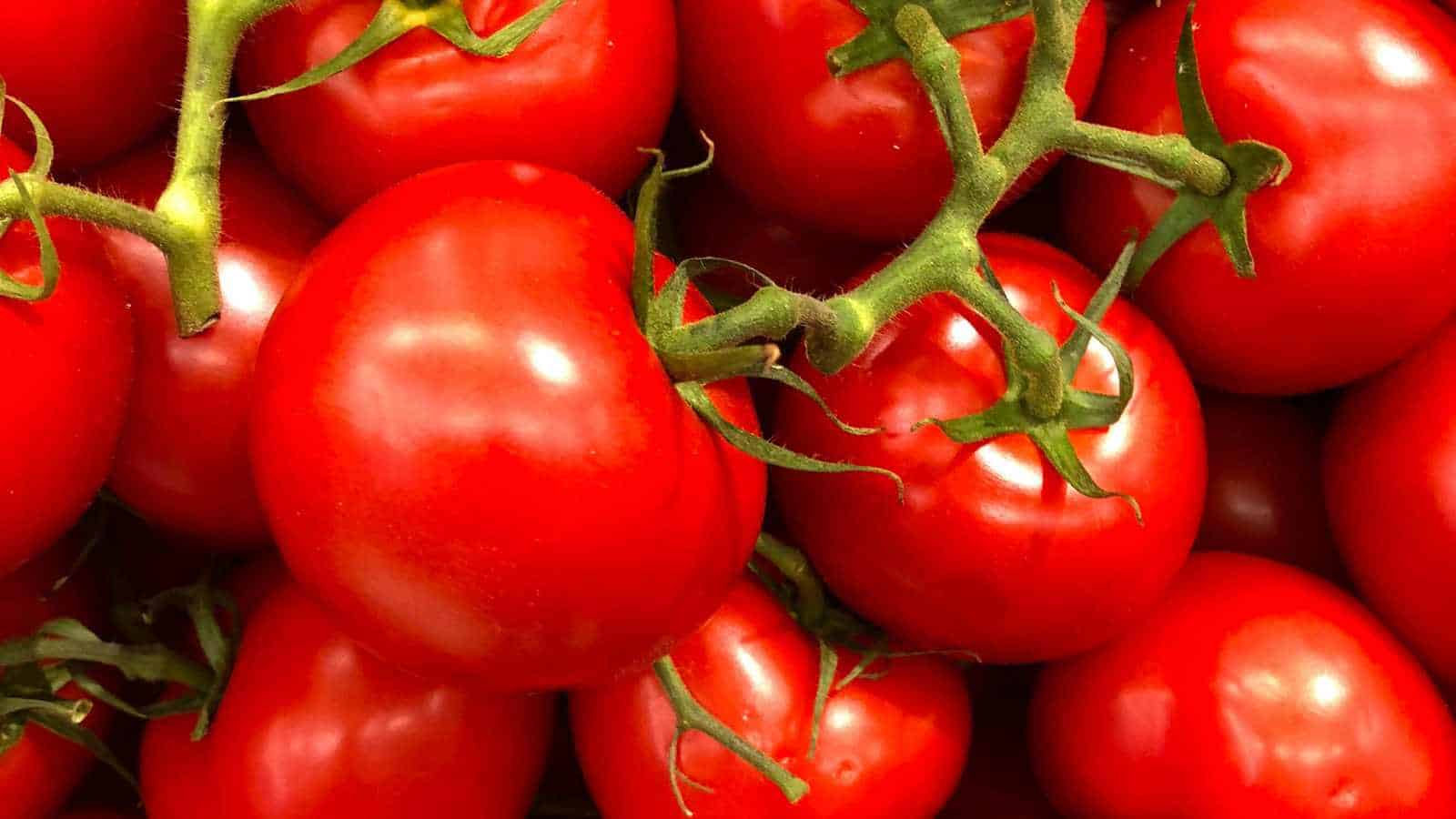
Tomatoes are basically the MVP of the food world, right? They’re in everything from your favorite pasta sauce to fresh salads. But here’s the thing: tomatoes are highly acidic, which can trigger heartburn or acid reflux for some people.
If you’re feeling that uncomfortable burn after a bite of raw tomato, it’s because your stomach isn’t loving all that acidity. The good news? Cooking tomatoes helps mellow out that acidity, making them way gentler on your tummy.
So, if you’ve ever sworn off tomatoes because they hurt your stomach, don’t give up on them just yet! Try roasting them or adding them to a sauce, and you might just find a whole new way to enjoy them without the discomfort.
Eggplant

This might not be the first veggie you reach for, but if it’s giving you digestive trouble, it’s time to pay attention. This purple beauty belongs to the nightshade family, which can cause inflammation and joint pain in some people. If you’ve noticed feeling bloated or achy after eating eggplant, it could be your body saying, “Hey, take it easy on me!” But don’t worry, many people feel the same way.
What’s tricky is that some folks have zero issues with eggplant, while others feel awful afterward. If you’re in the second camp, maybe skip it next time and see how your body feels. Listening to your stomach is always a good idea!
Kale
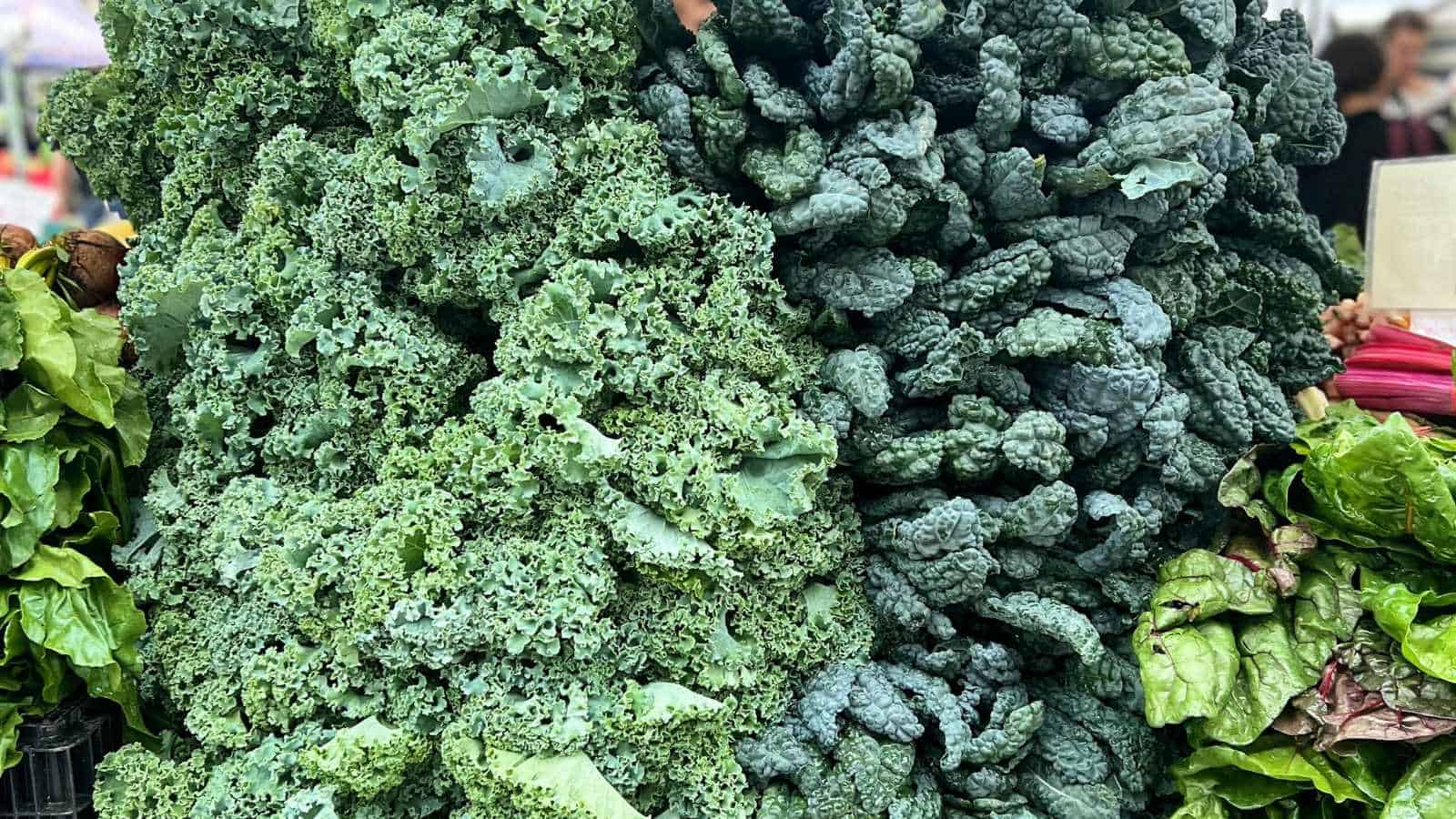
I get it, kale’s a superfood, and everyone’s talking about it. But here’s the thing: if you’re eating raw kale every day (hello, kale smoothies!), you could be messing with your thyroid. Kale contains goitrogens, which can interfere with thyroid function when eaten too often, according to Healthline. But don’t panic! Cooking kale helps break down those goitrogens, so it’s much easier on your body. You can still enjoy it, just maybe not every single day.
Remember, even the healthiest habits need a little balance. Cook up that kale for a healthy, thyroid-friendly boost!
Bell Peppers

Bell peppers are like a burst of sunshine on your plate, so colorful and full of crunch! But for some, these beauties can cause bloating or inflammation due to their nightshade family. If you’ve ever felt gassy or uncomfortable after eating them, your stomach is trying to tell you something. But don’t worry! Roasting or peeling bell peppers can make them much easier to digest.
So, don’t give up on them just yet! A little heat or peeling can work wonders, making bell peppers a happy addition to your meal again.
Mushrooms

These are those mysterious little fungi that sneak into everything from soups to salads. But did you know they can cause bloating and discomfort for some when consumed in large amounts, especially raw? Digestion can take up to 5 hours. Cooking mushrooms can help a little, but if they still make you uncomfortable, it’s okay to take a break from them. Your gut’s not being picky, it’s just doing its job.
If mushrooms are always leaving you bloated, it might be time to find another veggie to take their place. Your tummy will be much happier!
Brussels Sprouts
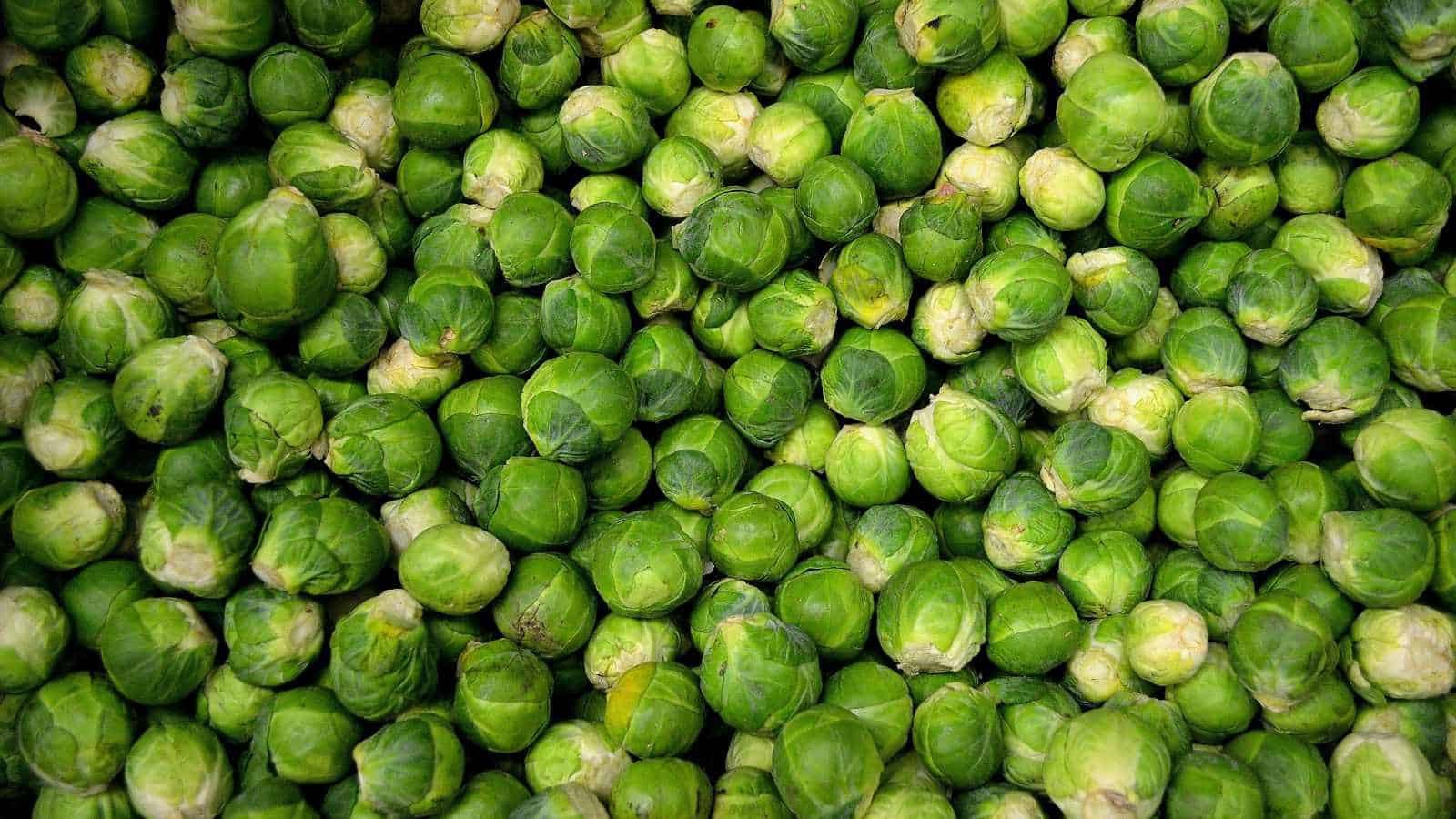
Brussels sprouts have earned a bit of a reputation, and not just because they’re tiny but mighty. If they’ve left you feeling gassy or bloated, it’s because of raffinose, a sugar that ferments in your gut and causes all that discomfort. But don’t give up on them! Cooking Brussels sprouts thoroughly can help reduce those symptoms. And if you’re still feeling iffy, smaller portions can make a huge difference.
Timing is important, too. If you’ve got a big meeting or dinner ahead, maybe skip the Brussels sprouts for now. Trust us, your stomach will appreciate the break!
Cabbage

Cabbage, if you love it or not, can be a little hard on your digestive system. Eating large amounts, especially raw, can cause unwanted side effects such as gas and bloating, and can interfere with iodine uptake and thyroid hormone production. But here’s a tasty solution: fermented cabbage, like sauerkraut, is much easier on your gut. It’s the same veggie but with a gut-friendly twist!
If raw cabbage isn’t sitting well with you, try fermenting it! Your stomach will thank you for making this simple swap.
Onions
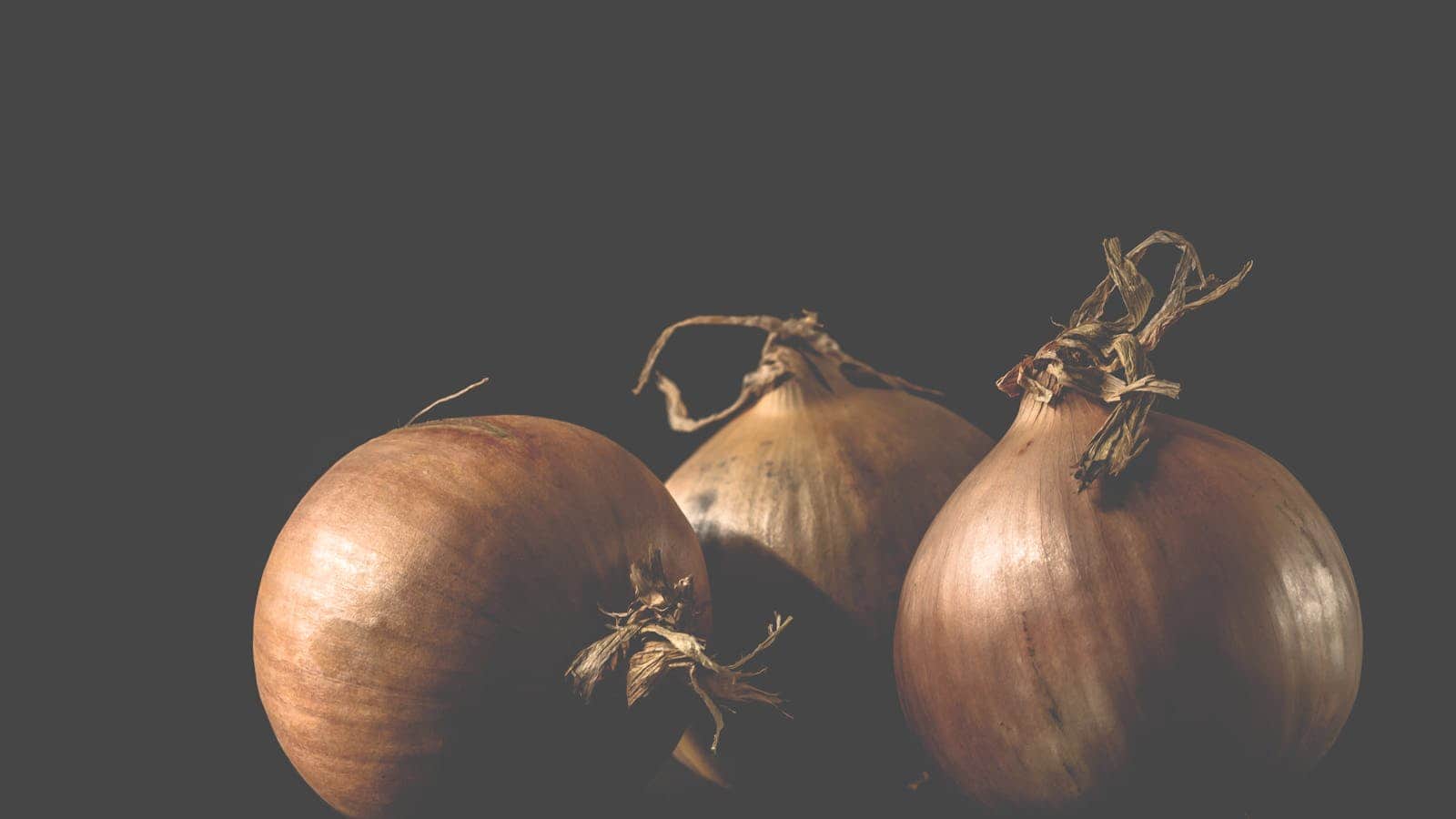
They bring so much flavor to your meals, but they might also bring some unwanted digestive drama. They contain fructans, a fiber that ferments quickly in your gut, causing gas and cramps. Raw onions are especially tough on your stomach, but even cooked ones can cause trouble for some.
If onions are making you bloated, try cooking them longer or swapping them for something else. You don’t have to sacrifice flavor for comfort!
Cauliflower
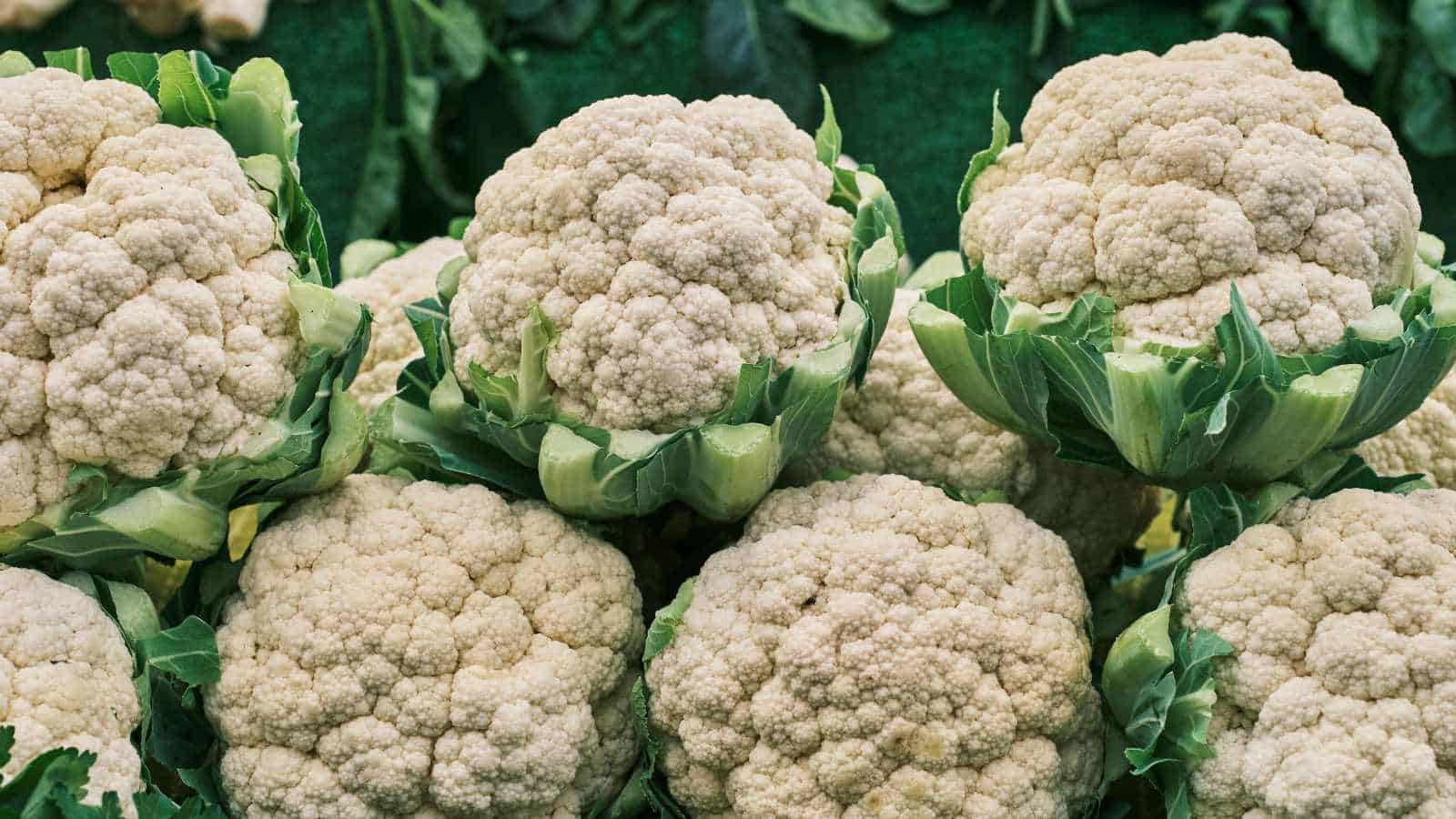
Cauliflower might be all the rage in food trends, but for some, it’s a bloating disaster. It’s high in FODMAPs, which can cause digestive distress. According to a Healthline report, high‑FODMAP veggies can trigger bloating, gas, and cramps in people with irritable bowel syndrome or carbohydrate intolerance. While cooking helps, cauliflower can still be a tough one for some people.
Trends come and go, but your comfort should always come first. If cauliflower’s not your friend, it’s okay to move on!
Celery
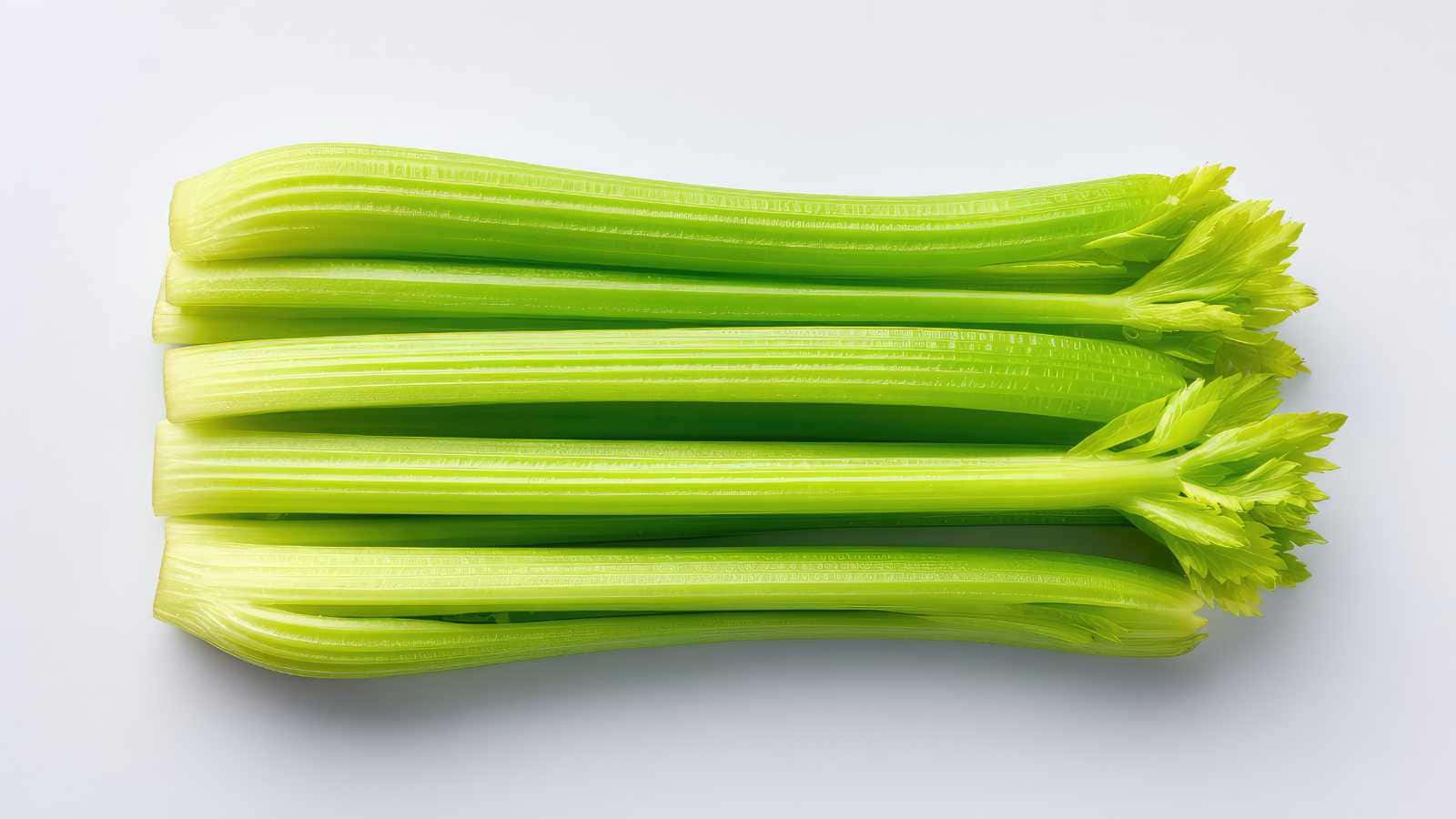
Celery might be mostly water with just a touch of fiber, so it doesn’t exactly pack a nutritional punch. Yes, it’s low in calories and has that satisfying crunch, making it perfect for dipping into hummus or peanut butter. But once you take away the fun dips, you’re left with a vegetable that’s low in vitamins and minerals.
Nutritionists often refer to celery as “filler food,” as it fills you up without offering much in terms of essential nutrients. If you’re a fan of celery’s crunch, enjoy it! Just pair it with nutrient-rich dips or toppings to ensure your snack does more than just take up space on your plate.
Key Takeaways

When it comes to vegetables, not every veggie is a fit for everyone. Nutritionists emphasize the importance of listening to your body; what works for one person may not work for another. Some vegetables, despite their health halo, can cause discomfort or digestive issues for certain individuals, so it’s crucial to pay attention to how your body reacts.
While some veggies may cause temporary bloating or irritation, that doesn’t mean you have to give them up entirely. With the right cooking methods, portion control, or pairing them with other foods, you can still enjoy their benefits without the unwanted side effects. Moderation is key; sometimes it’s about finding the right balance rather than eliminating a veggie altogether.
Finally, healthy eating should feel good. Don’t stress over strict rules or feel guilty for needing to adjust your diet to suit your body’s needs. Experiment with different vegetables, cooking techniques, and combinations to make sure you’re getting the most nutritional value while feeling your best.
Disclosure line: This article was written with the assistance of AI and was subsequently reviewed, revised, and approved by our editorial team.
Coffee and Kidney Health: Risks, Benefits, and What Studies Say

Coffee and Kidney Health: Risks, Benefits, and What Studies Say
The evidence shows that moderate coffee consumption is safe and may even protect kidney health. Problems arise from excessive caffeine, inadequate hydration, and the presence of sugary additives.
The Superfoods That Boost Energy and Mood

The Surprising Superfoods That Boost Energy and Mood
We all have those days when our energy feels low and our mood takes a dip. Instead of reaching for another cup of sugary coffee or an energy drink, the answer might be sitting right on your plate.
Some people are turning to wellness-focused blends that offer a smoother, longer-lasting boost.