12 myths people continue to believe, for some reason
There’s something unsettling about how repetition can turn falsehoods into “common knowledge,” even in an age drowning in information.
It’s wild how some myths just won’t die, right? You’ve probably heard someone confidently declare that the Earth is flat or that tequila turns them into a different person. Despite all the evidence, some of these “facts” refuse to budge, and they’re passed around as gospel truth. The weird part? These myths often survive on nothing more than repetition and a little trust in authority figures, not on actual science.
Let’s set the record straight about these persistent myths. Here are 12 common myths that many people still believe, ranging from historical misconceptions to health-related misunderstandings. You might be surprised how repetition and misplaced trust keep them alive, but we’re here to break the cycle with real facts.
“People in the Middle Ages thought Earth was flat.”

Surprise! The idea that everyone in the Middle Ages believed the Earth was flat is a myth. Historians have long noted that by the early Middle Ages, educated Europeans had already accepted that the Earth was round.
The flat-Earth tale wasn’t popularized until the 1800s, during heated debates over evolution and religion. If you’ve heard otherwise, blame 19th-century writers like Washington Irving, not medieval scholars. (Yep, history was more accurate than some modern memes!)
“Your blood is blue until it gets oxygen.”
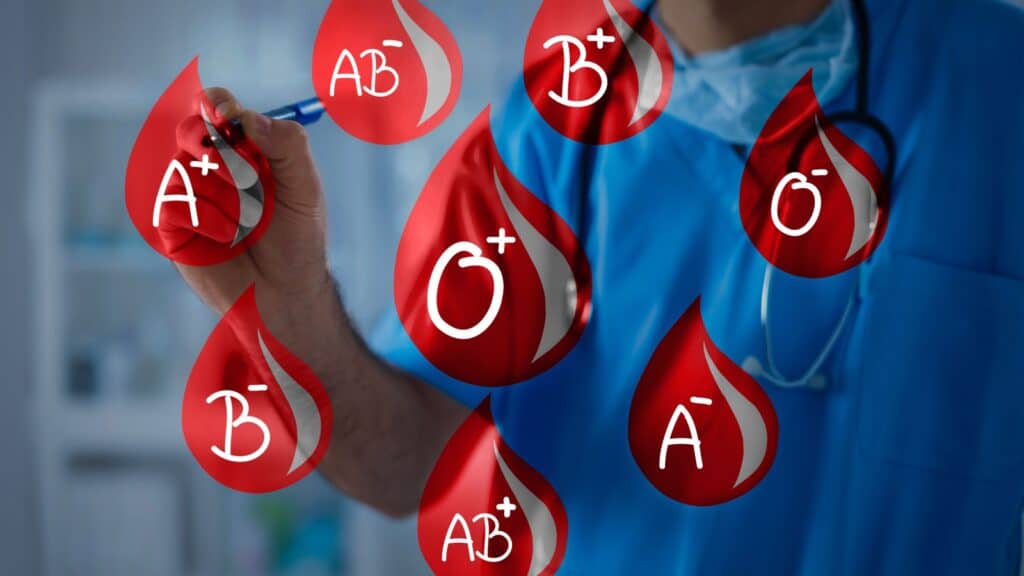
Let’s clear up this popular misconception once and for all: Your blood is always red, folks. The idea that blood is blue until oxygen hits it is just a trick of the light, literally. Veins appear blue because of the way light is filtered through your skin, but blood itself is bright red when oxygenated and darker red when deoxygenated.
So, next time you’re tempted to believe the “blue blood” myth, just remember: science says otherwise!
“Flu shots give you the flu.”

Ever heard someone say, “I don’t want a flu shot because it’ll give me the flu”? Well, that’s definitely not true. Inactivated flu vaccines can’t give you influenza, no matter how hard you try to convince yourself otherwise.
Any side effects, like soreness or a mild fever, are just your immune system doing its thing, not you catching the flu. flu. So, don’t let this myth scare you off your flu shot!
“Vaccines cause autism.”

This one is definitely a myth, and we’ve got studies to back it up. The original study that claimed vaccines caused autism was retracted and debunked as fraudulent. Big, population-based studies have repeatedly found no link between vaccines and autism.
So, why does this myth still exist? It’s a combination of misinformation, bad correlation (autism diagnoses often happen after vaccinations), and a healthy dose of distrust in pharma. But don’t let fear dictate your beliefs, vaccines are safe!
Also on MSN: The Black history Americans think they know vs. lived truth
“The Earth might actually be flat.”

Hold up, yes, some people still believe this. In fact, a 2024 U.S. survey found that around 10% of people agreed the Earth is flat and that NASA faked the Moon landing. How is this still a thing? Beliefs like this stem from a broader “conspiracy mindset.” It’s not about being “gullible,” but about how people process information, especially when they distrust mainstream sources.
“Everything causes cancer.”

Ever feel like every time you read the news, there’s a new thing linked to cancer? You’re not alone. A 2022 study found that almost half of people think everything causes cancer. While it’s true that certain lifestyle factors can increase cancer risk, the overwhelming volume of headlines can cause people to freak out.
And interestingly, those who buy into conspiracy theories are often worse at distinguishing real cancer risks from fake ones. So, it’s not everything; it’s just a lot of noise.
“Tequila (or one drink) changes your personality.”

This one’s a classic. Have you ever had someone say, “I can’t drink tequila because turn into a different person”? The truth? Alcohol doesn’t change your personality; it’s all in your head.
Different drinks, such as tequila, vodka, or wine, don’t create distinct “moods.” The way people behave toward different drinks is largely learned behavior. So, don’t blame the tequila, blame your expectations.
“Cracking your knuckles causes arthritis.”

This myth has been around for generations. But here’s the truth: Cracking your knuckles doesn’t cause arthritis. Studies, including a famous self-experiment, have shown no increased risk of arthritis from cracking your joints.
It’s just one of those myths that stuck because authority figures (mostly parents) repeated it over and over. But hey, if it feels good, crack away!
“Glass is a liquid that flows in old windows.”

If you’ve ever heard the idea that old glass windows are thicker at the bottom because glass is a slow-moving liquid, you’ve been misled. In fact, glass is an amorphous solid, not a liquid.
The unevenness in ancient windows is due to old manufacturing methods. It’s a classic case of seeing is believing, even when what you’re seeing is wrong.
“We only have three states of matter.”
Remember learning in school that there are three states of matter: solid, liquid, and gas? Well, you’ve been taught half the story.
Scientists recognize several other states, such as plasma and Bose–Einstein condensates, especially under extreme conditions. So, yeah, science has updated since middle school!
“Smart people don’t fall for misinformation.”

Spoiler alert: Everyone, no matter how smart, is susceptible to misinformation. Even the brightest people can fall for false information due to confirmation bias. In today’s polarized world, it’s easier to stick to info that fits your beliefs, regardless of its truth. So, don’t assume that being “smart” automatically protects you from misinformation.
“If a myth is everywhere, people must ‘just be gullible’”

Think people who believe in myths are just naïve? Not exactly. Myths spread because they resonate with people emotionally. Myths are comforting; they offer simple answers, reduce anxiety, and protect group identity. The more people hear them, the more they start to feel true, even without solid evidence.
Disclosure: This article was developed with the assistance of AI and was subsequently reviewed, revised, and approved by our editorial team.
Like our content? Be sure to follow us