What happens when AI starts doing things once reserved for God?
When circuits claim the power to bless or condemn, we’re forced to reconsider what it truly means to be human.
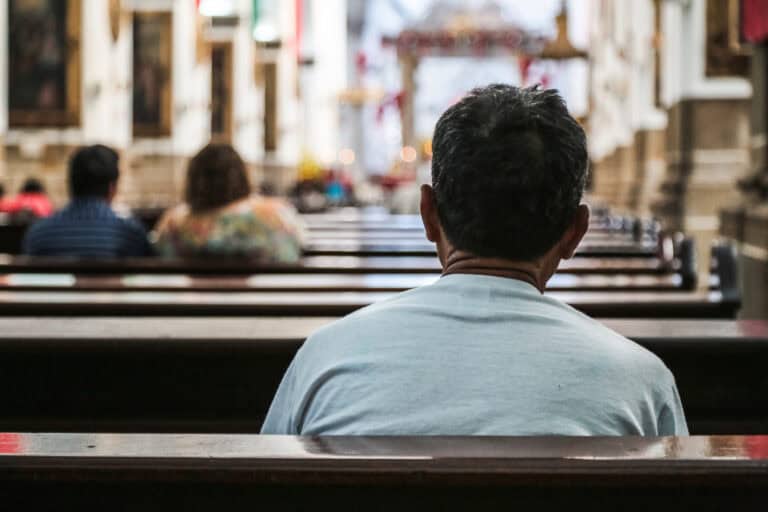
Picture walking into a quiet confessional booth only to hear the monotone buzz of a server rack instead of the voice of a priest. It sounds like science fiction, but we are seeing technology move fast enough to make the Pope pause and think about the soul. While silicon chips are smart, they lack the messy and beautiful spirit that defines our deepest beliefs.
This friction creates some awkward moments where code meets commandment, forcing us to ask if algorithms can ever truly understand the divine. We have to wonder if efficiency is worth trading away the human connection that makes faith so powerful. It is a strange time when we must decide if a chatbot can offer the same grace as a living person.
Robotic Clergy And The Human Touch
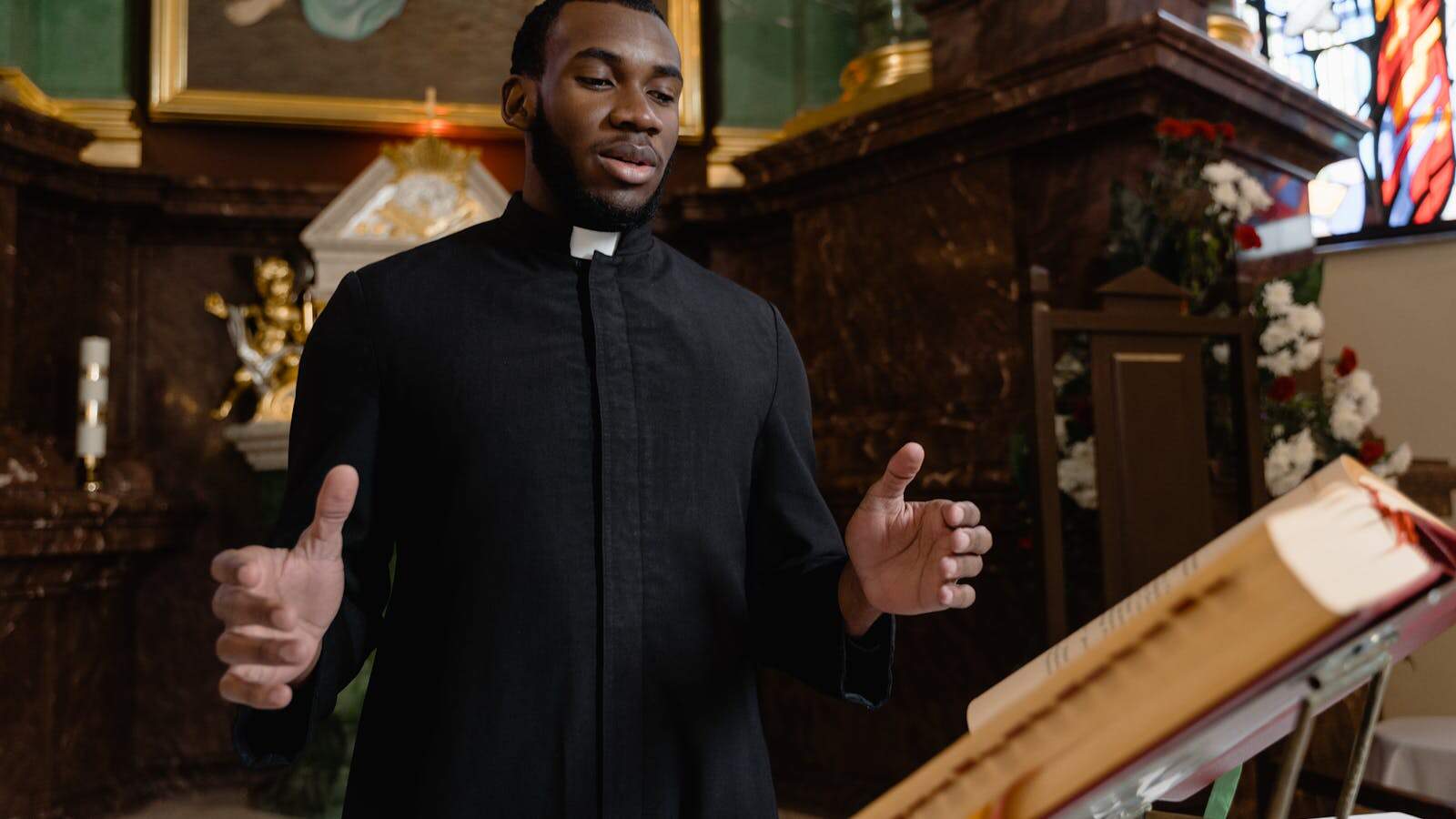
Some churches are testing robot priests to deliver sermons or offer blessings to the faithful who are looking for guidance. It feels a bit cold to receive spiritual advice from a machine that has never felt joy or pain.
A 2023 Pew Research Center survey found that 52% of Americans remain skeptical, as they are more concerned than excited about the role of AI in daily life. However, using automation for sacred rituals still makes many churchgoers feel uneasy and disconnected from the process.
Playing God With Artificial Life
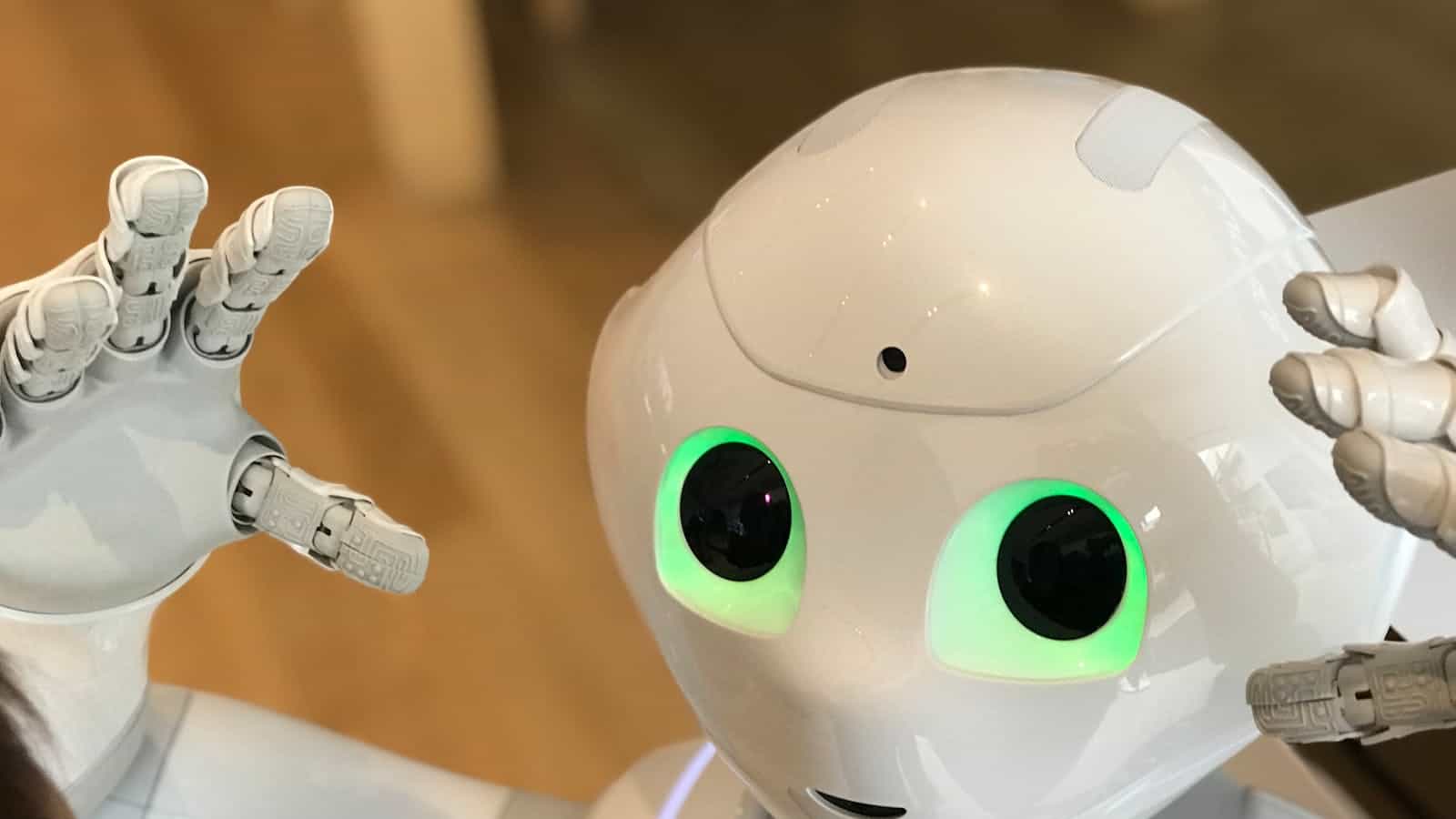
There has always been the belief that creating life is a power reserved strictly for the divine creator and not for engineers. Building sentient intelligence crosses a line that theologians have guarded for thousands of years.
If a computer program eventually gains consciousness, we have to decide if it has a soul or basic rights like us. This scenario forces us to rethink the very definition of life and our place in the universe.
The Risk Of Biased Scripture

Large language models learn from the internet, which is full of human errors and deep prejudices that can twist meaning. This means an AI might accidentally rewrite sacred verses or interpret them in offensive ways.
The New York Times reports that research shows that chatbots can hallucinate or invent false information anywhere from 3% to 27% of the time. Asking a chatbot for religious guidance can lead to warped answers that do not align with scripture.
Digital Immortality Versus Heaven

Tech companies now offer services to upload your personality so you can chat with loved ones after death. This concept messes with the traditional idea of passing on to a spiritual afterlife or heaven.
Grieving families might cling to a digital ghost instead of finding closure through faith and prayer. It creates a strange limbo where the dead are not truly gone but are just processed data.
Confessionals And Data Privacy
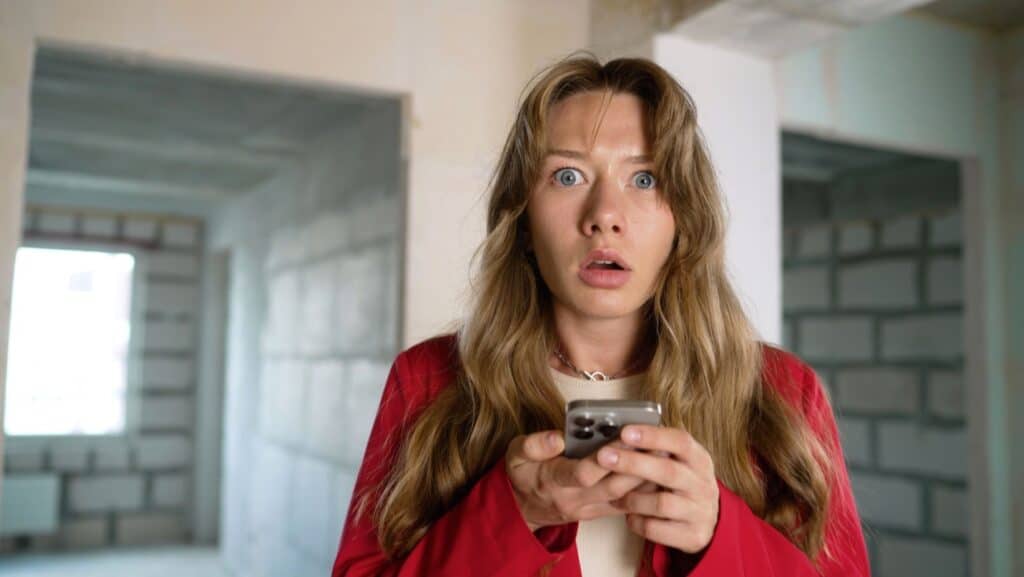
Confessing sins requires total secrecy, but an app stores your data on a server farm somewhere in the cloud. You cannot guarantee that a hacker or a corporation won’t read your deepest and darkest secrets.
Trust is the foundation of seeking forgiveness, and technology breaks that bond of silence we expect. There is no digital equivalent to the absolute seal of the confessional in the Catholic tradition.
Idolatry In The Modern Age

People are spending hours talking to AI companions, sometimes treating them with a reverence usually saved for deities. This weird devotion risks turning advanced technology into a modern form of a golden calf.
A report from Forbes revealed that users of top AI companion apps engage with them for an average of two hours daily. Replacing prayer with a chatbot session shifts our focus from the eternal to the artificial.
Outsourcing Moral Judgments

Religious frameworks have clear rules on morality that a computer simply cannot grasp or replicate fully. An algorithm decides what is right based on math rather than conscience or spiritual law.
Slashdot reports that only 39% of adults believe AI technology is safe and secure for consumer use. Calculated efficiency is often the enemy of mercy and compassion in ethical decision-making.
Automated Giving And Spirit

Giving to the poor is meant to be a sacrificial act that changes the heart of the giver for the better. Automating donations removes the intentional spirit behind the act of charity and kindness.
It turns a spiritual discipline into just another monthly bill like your streaming subscription or rent. The act of physically giving helps us connect with the needs of the community.
Copyrighting The Divine Image
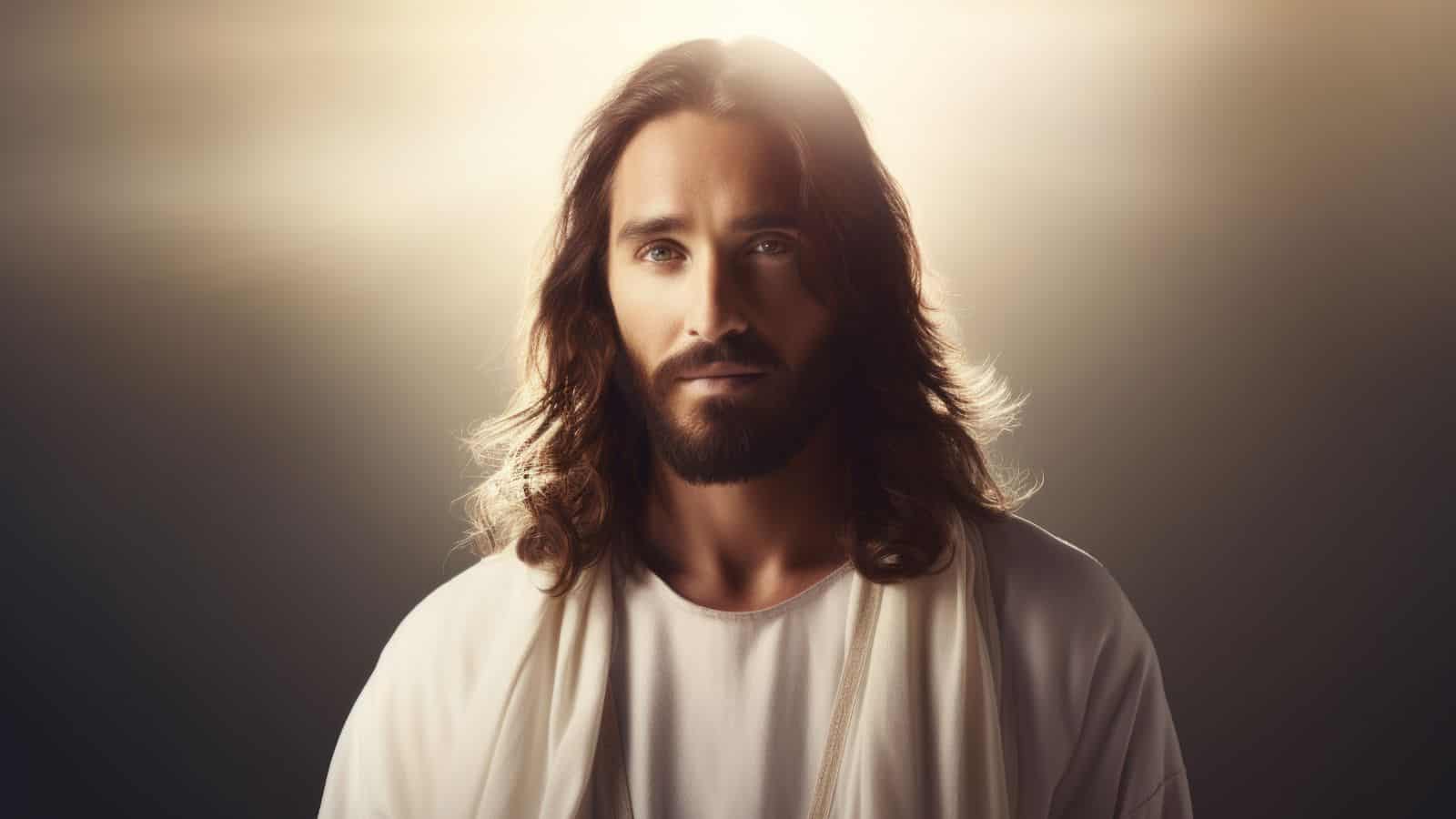
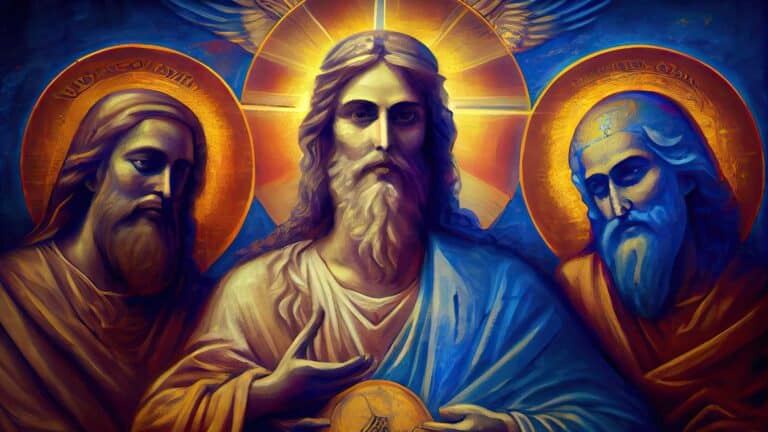
AI generators are churning out religious imagery by scraping the work of human artists without asking for permission. This feels like theft rather than inspiration, which goes against the commandment not to steal.
Sacred art is usually born from prayer and devotion rather than a prompt typed into a browser. Mass production of holy images cheapens the spiritual value and effort behind the masterpieces.
The Battle For The Sabbath
Most faiths set aside a day of rest to unplug and focus on family or worship without distractions. AI tools are designed to keep us hooked and working every single hour of the day.
Data from Yahoo Finance shows that consumers spent over 5.3 trillion hours on apps in 2025, representing a massive jump in screen time. This constant digital noise makes it nearly impossible to find the silence needed for spiritual reflection.
Merging Man And Machine

Merging our bodies with AI hardware challenges the belief that we are made in the image of God. Many believers see this as defacing a sacred vessel just to get a few upgrades.
A Pew Research study noted that 56% of Americans think using computer chip implants to improve brain function is a bad idea. Altering our biology with tech creates a clash between divine design and human ambition.
READER QUESTION: Would you take spiritual advice from AI?
You may want to also read:
- 11 ethical dilemmas found in the Old Testament
- Does being smarter make you less likely to believe in God?
- Why church pews are emptying while tarot, crystals and astrology are booming