12 common money moves that can backfire big time
The habits that feel safest with money are often the very ones that slowly pull the ground out from under you.
Watching the United States economy from across the Atlantic always gives a fascinating perspective on how people handle their cash. Americans have access to so many financial tools, yet it is incredibly easy to make a small mistake that snowballs into a massive headache. You may want to stretch your dollars and build a comfortable life, but sometimes the strategies you think are helping are actually hurting you.
Whether you are trying to score points on a credit card or financing a flashy new ride, the fine print can turn a brilliant idea into a total disaster. These are the sneaky little decisions that can drain your bank account and leave you scratching your head in frustration. Let us look into these common blunders and figure out how to keep your hard-earned money exactly where it belongs.
Paying Only the Minimum Balance on Credit Cards

Tossing the minimum payment on your credit card bill feels like a harmless way to free up cash for the weekend. The reality is that compound interest will quietly transform that small shopping spree into a mountain of debt. Credit card companies love this habit because it keeps you paying them for years on end.
It is incredibly easy to lose track of how much those interest charges add up over time. The average American credit card balance hit $6,523 in the third quarter of 2025, which makes carrying a balance incredibly expensive. You are practically giving away your money to the bank instead of funding your own future.
Leaning Too Hard on Buy Now and Pay Later

Splitting a purchase into four easy payments sounds like a brilliant hack for managing your monthly budget. People often use these services to buy clothes or electronics without feeling the immediate sting of the full price. Unfortunately, juggling multiple payment plans at once can quickly overwhelm your bank account and trigger overdraft fees.
The convenience of these apps creates a false sense of affordability that leads to impulsive spending. A 2025 Motley Fool report revealed that 26 percent of Americans who used these services regretted the decision after realizing the true costs. If you cannot afford the item today, breaking it into chunks usually just delays the financial pain.
Tapping Into Your Retirement Account Early
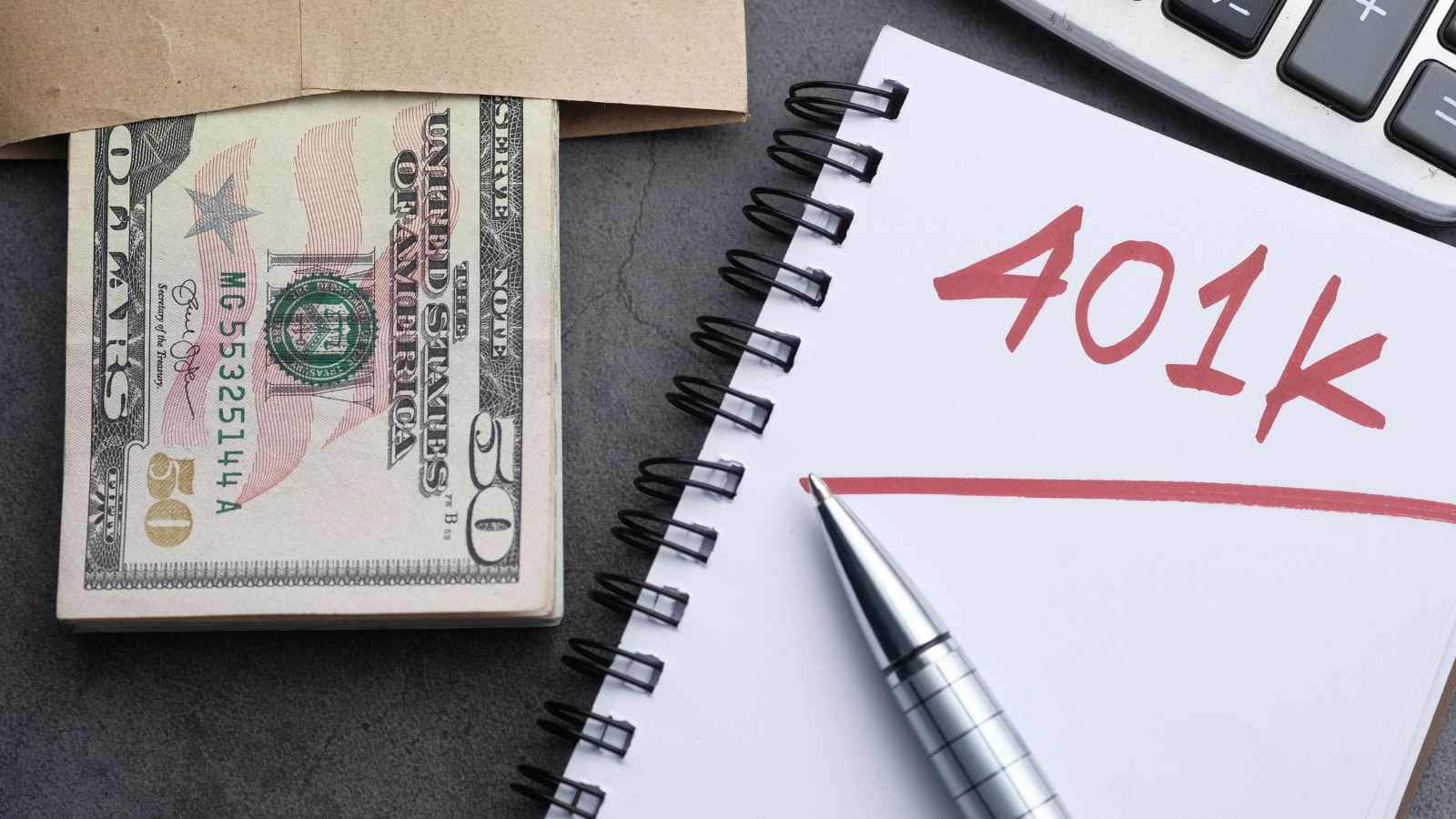
Borrowing from your future self might seem like a lifesaver during a tight spot or an emergency. You might think that taking a little bit of cash out now will not hurt your long-term goals. Pulling money from your retirement funds triggers hefty penalties and leaves you with a massive tax bill.
You are robbing your money of the chance to grow through compound interest over the next few decades. According to a 2025 Vanguard report based on 2024 data, 4.8 percent of participants took hardship withdrawals, marking a steady increase from 1.7 percent in 2020. Leave that nest egg alone so you can actually enjoy your golden years without stressing over pennies.
Trading in a Car With Negative Equity

Upgrading to a fresh set of wheels is tempting when your current car starts to feel a bit old. Many dealerships will happily let you roll the remaining balance of your old loan into a brand new one. This move instantly traps you in a cycle of debt where you are paying for a car you no longer even drive.
You will end up with monthly payments that are completely disproportionate to the actual value of your new vehicle. A Q3 2024 survey 403 by CarEdge found that 31 percent of American drivers who financed their vehicles are currently underwater, meaning they owe more than the car is worth. Stick with your current ride until you actually own it outright to protect your financial health.
Ignoring the Need for an Emergency Fund
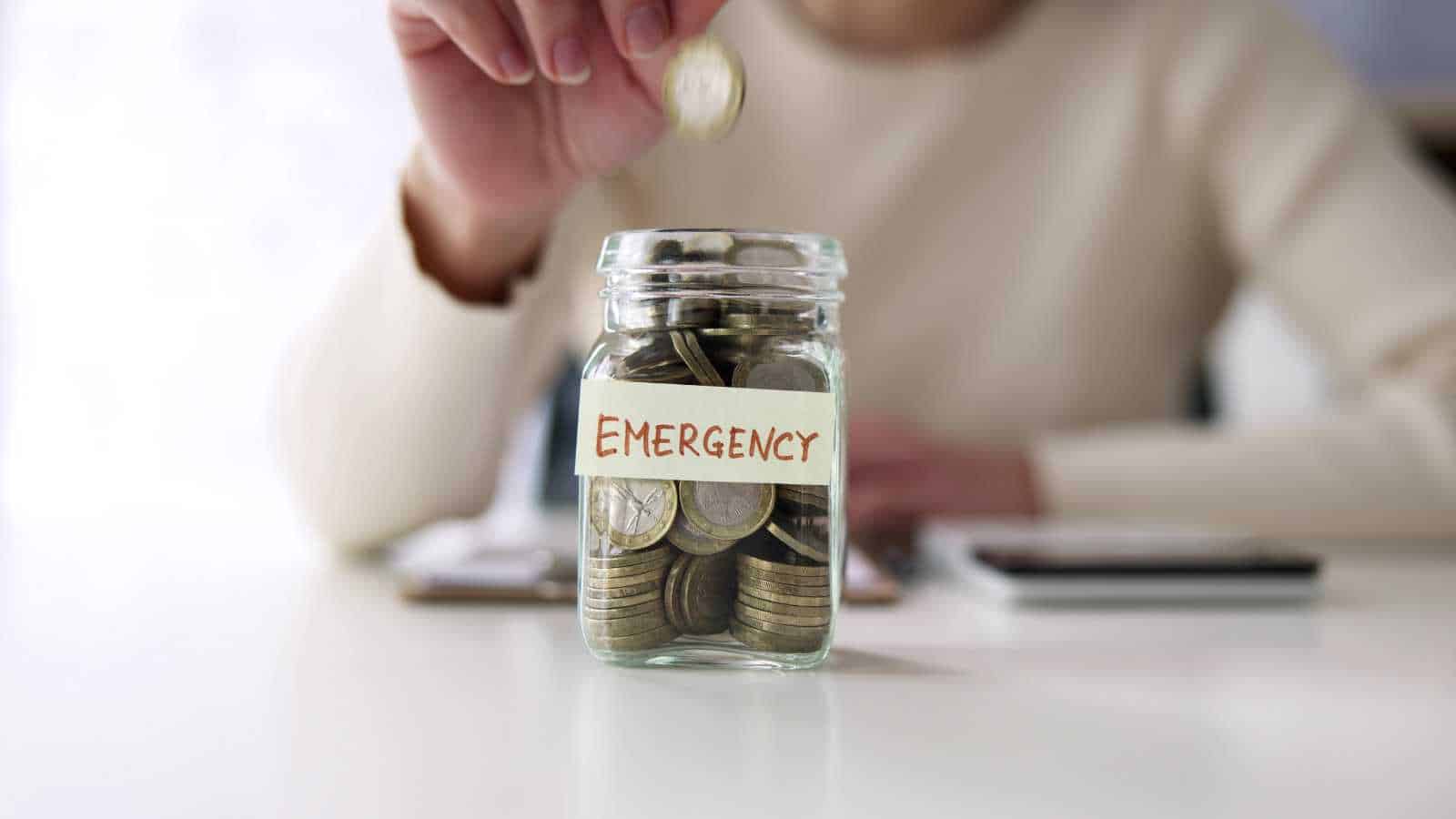
Skipping the emergency fund is a gamble that leaves you totally exposed to random curveballs. You might prefer to put all your extra cash into investments or use it to pay down debt. Without a cash buffer, a sudden medical bill or an unexpected car repair will force you straight into expensive loans.
Building a safety net might feel boring, but it provides incredible peace of mind when things go sideways. Federal Reserve data shows that 37 percent of American adults still lack enough cash on hand to cover a basic $400 emergency expense. Having liquid cash ready to go is the ultimate defense against complete financial disaster.
Cosigning a Loan for a Friend or Family Member

Helping out someone you love feels like the right thing to do when they cannot qualify for a loan themselves. You might believe that your signature is just a simple formality to help them get on their feet. The truth is that you are taking on total legal responsibility if they miss a single payment.
Your own credit score will take a massive hit the moment they fall behind on their obligations. This arrangement frequently destroys relationships because money issues create heavy resentment between friends and family members. It is always safer to gift them cash if you can afford it rather than putting your own reputation on the line.
Overcomplicating Your Monthly Cash Flow

Spreading your purchases across too many payment platforms makes it impossible to know how much money you actually have. You might have cash in checking, bills on automatic payments, and three different installment plans running simultaneously. This fragmented approach obscures your actual financial picture and makes overspending incredibly easy.
Keeping track of multiple due dates often leads to missed payments and damaged credit scores. Empower data revealed that by June 2025, the average monthly spending per user on deferred payment options jumped to nearly $244. Consolidating your spending into one or two main accounts will give you the clarity you desperately need.
Buying Too Much House for Your Budget

Getting preapproved for a massive mortgage feels like winning the lottery until you actually have to make the payments. Many buyers max out their budget on the purchase price while forgetting about property taxes and maintenance. Becoming house poor means you will have a gorgeous living room but no cash left over to actually enjoy your life.
Homeownership is full of hidden expenses that pop up at the most inconvenient times imaginable. A broken water heater or a leaking roof can completely derail your budget if your mortgage is already stretching you thin. You should always aim to buy a home well below your maximum approval limit to leave room for surprises.
Ignoring Employer Matching Contributions

Passing up the matching funds in your workplace retirement plan is literally turning away free money. Some younger workers prefer to keep their entire paycheck for current expenses instead of planning for decades down the road. Failing to contribute enough to get the full match means you are leaving a massive part of your compensation on the table.
This small mistake compounds over time and can cost you hundreds of thousands of dollars by the time you retire. Even if the budget is tight, prioritizing this investment is one of the smartest financial choices you can make. Adjust your lifestyle slightly so you can capture every single cent your employer is willing to give you.
Paying Unnecessary Bank Fees and Subscriptions

Letting random fees nibble away at your checking account is a completely avoidable drain on your resources. We often sign up for free trials and forget to cancel them before the heavy monthly charges kick in. Those five-dollar charges might seem insignificant, but they add up to a sizable sum over the course of a year.
Banks love customers who ignore monthly maintenance fees or out-of-network ATM charges. A quick audit of your statements will reveal all the silent vampires sucking the life out of your wallet. Taking ten minutes a month to cancel unused services will put cash straight back into your pocket.
Delaying Debt Repayment to Invest in the Stock Market

Putting money into the stock market while carrying high-interest consumer debt is a mathematical illusion. You might feel like a savvy investor by buying trending stocks or cryptocurrency on your phone. Earning a seven percent return on stocks means nothing if you are paying twenty percent interest on a credit card.
The stock market carries risk, while paying off consumer debt offers a guaranteed and immediate return on your money. Eliminating the financial anchor of debt will free up your cash flow for real wealth building later. Wipe the slate clean with your creditors first before you try to become the next big day trader.
Skimping on Proper Insurance Coverage

Opting for the absolute bare minimum insurance coverage saves you a few bucks today but exposes you to catastrophic risk tomorrow. People often assume that serious accidents or health crises only happen to other people. A single major incident without adequate coverage can entirely wipe out a lifetime of careful saving.
Whether it is renters insurance or a solid health plan, protecting your downside is a nonnegotiable part of adulthood. Do not wait for a disaster to strike before you read the fine print on your policies. Paying for comprehensive coverage brings true peace of mind that no amount of wishful thinking can replace.
Like our content? Be sure to follow us.