Kids in the 1970s could do these 11 things, but modern parents have stopped them
A generation ago, American kids had freedoms now erased by laws, statistics, and a culture of constant supervision.
Childhood in the 1970s looked vastly different from the way kids grow up today. Back then, young Americans experienced a level of freedom that would shock most modern families. Kids spent their afternoons running wild through neighborhoods without a tracking device in sight. It was a golden age of scraped knees, unstructured play, and minimal adult supervision.
Today, parenting styles have shifted dramatically to prioritize safety above almost everything else. Mothers and fathers now monitor every aspect of a child’s day to prevent potential harm. While these changes undeniably protect children from serious dangers, they also eliminate some classic childhood experiences. Looking back at those bell-bottom days reveals a fascinating contrast in how society views childhood.
Riding In The Back Of Pickup Trucks

During the 1970s, jumping into the open bed of a pickup truck was a standard way to catch a ride. Kids would sit on the metal floor with the wind whipping through their hair on the way to baseball practice. Nobody worried about seat belts or safety restraints back then.
Modern safety standards eliminated this breezy tradition. According to a 2024 report by the Insurance Institute for Highway Safety, most states now strictly prohibit children from riding in the cargo area of pickup trucks. Parents today shudder at the thought of their precious cargo bouncing around without a five-point harness.
Leaving First Thing In The Morning And Returning At Dusk

Kids used to scarf down a bowl of sugary cereal and vanish out the back door until the streetlights flickered on. Parents had no cell phones to check their location or text them to come home for lunch. They simply trusted that their children would figure out how to entertain themselves and stay relatively safe.
Today, such unsupervised freedom is virtually extinct. A 2023 study by the Pew Research Center found that 46 percent of U.S. parents are highly anxious about their children’s physical safety when out of sight. Modern kids usually have playdates scheduled weeks in advance rather than roaming the neighborhood looking for friends.
Walking To School Alone At A Young Age

First graders routinely walked several blocks to their elementary schools, clutching their metal lunchboxes. Older siblings held the hands of the younger ones as they crossed busy intersections without adult crossing guards. It was simply expected that children could handle the morning commute on their own two feet.
The classic image of children walking to school together has largely faded into history. According to a 2022 report by Rutgers University, only 11 percent of children now walk or bike to school regularly. Observers will mostly see massive lines of idling minivans dropping students right at the front doors instead.
Playing On Dangerous Playground Equipment

Neighborhood parks featured towering metal slides that burned bare legs in the summer sun. Children spun wildly on heavy steel merry-go-rounds that could launch a small kid into the dirt. There was no soft rubber flooring to break a fall from the monkey bars.
City planners eventually replaced those hazardous metal structures with soft plastics and heavily padded ground cover. About 200,000 children still visit emergency rooms annually for playground injuries. Parents clearly recognized that the old equipment caused entirely too many broken bones and chipped teeth.
Staying Home Alone As A Young Child

Latchkey kids were a massive cultural phenomenon during the late seventies as more mothers entered the workforce. Seven-year-old children regularly carried house keys on strings around their necks. They let themselves into empty houses and watched television for hours before their parents finished their shifts.
Society now views leaving a small child unattended as a serious parental failure. Child protective services often get called if neighbors spot a seven-year-old left totally alone for an afternoon. Parents hire expensive sitters or enroll their kids in supervised programs to avoid any accusations of neglect.
Riding Bicycles Without Helmets

A banana seat bicycle was the ultimate symbol of independence for a seventies kid. Nobody wore foam helmets while popping wheelies or racing down steep suburban hills. Safety gear was virtually nonexistent for casual neighborhood bike riders.
Medical professionals pushed hard to change this reckless cultural norm. The CDC reports that bicycle helmet laws have reduced child head injuries since the 1970s. Letting a kid ride down the block without a helmet today invites angry stares from neighbors.
Drinking Water Straight From The Garden Hose

Taking a water break during an intense game of neighborhood tag meant turning on the outside spigot. Kids slurped warm water straight from a rubber hose without a second thought about bacteria. That distinct metallic taste is forever burned into the memory of anyone who grew up back then.
Neighbors will rarely see a modern child drinking from anything other than a filtered reusable bottle. Parents worry constantly about lead contamination and dangerous chemicals leaching from sunbaked garden hoses. Bottled water and specialized hydration packs have completely replaced the humble backyard spigot.
Watching Unrestricted Saturday Morning Cartoons

Weekend mornings consisted of sitting inches away from the television screen for hours on end. Children absorbed endless streams of advertisements for sugary cereals and plastic toys. Parents usually slept in while their kids zoned out to colorful animated violence.
Contemporary parents strictly police what their children watch on streaming services. The average American child spends under seven minutes a day 415 in unstructured outdoor play, leading parents to tightly control indoor screen time. Content filters and parental settings guarantee that kids only consume educational or age-appropriate shows.
Trick Or Treating Unchaperoned

Packs of children roamed the streets on Halloween night dressed in cheap plastic masks that blocked their vision. They knocked on the doors of strangers for miles around their neighborhoods. Moms and dads stayed home to pass out candy rather than following their kids around with flashlights.
The modern Halloween experience is a highly supervised and organized affair. Parents hover closely behind their children or opt for safe events in well-lit church parking lots. The idea of letting an eight-year-old wander the streets alone at night is entirely unimaginable now.
Babysitting Siblings While Still A Child
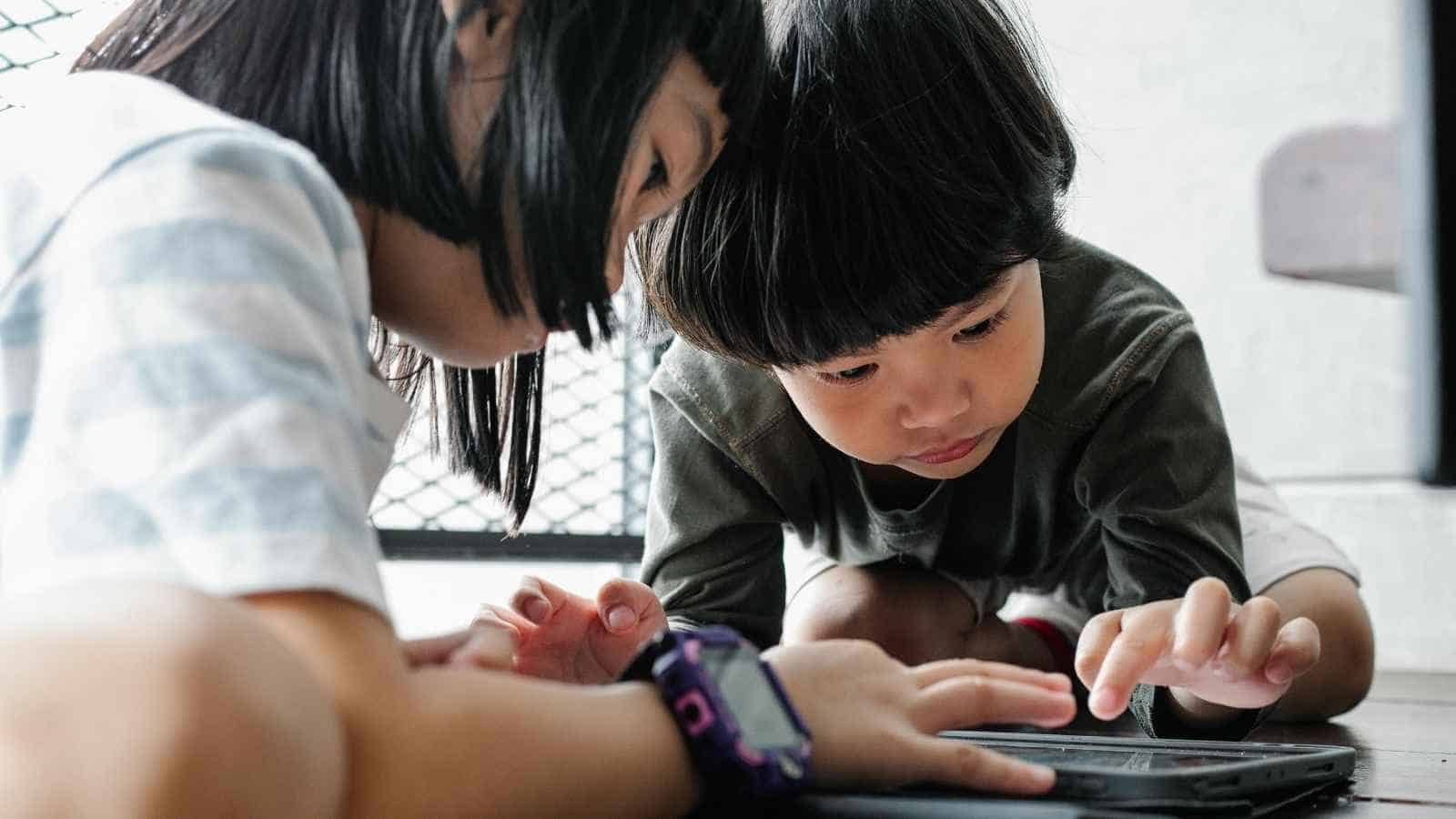
Ten-year-old kids frequently found themselves in charge of babies and toddlers while parents went out for dinner. The older sibling was expected to warm up bottles, change diapers, and put the little ones to bed. It was considered excellent training for adulthood rather than an unreasonable burden.
Today, hiring an actual adult or a certified teenager is the standard protocol for a night out. Mothers would never dream of leaving an infant in the care of a child who is still learning fractions. Professional babysitters now come equipped with infant CPR certifications and strict background checks.
Buying Cigarettes For Parents

It sounds completely illegal today, but kids regularly walked down to the corner store to buy tobacco for their parents. A child would simply hand the cashier a note from their mother along with a few crumpled dollar bills. The clerk would hand over the pack without batting an eye.
Strict federal laws and age verification systems have destroyed this weird errand. Stores face massive fines and the loss of their licenses if they sell tobacco products to anyone under twenty-one. Sending a kid to pick up a pack of smokes is a surefire way to get a visit from the police.
Like our content? Be sure to follow us.