Data reveals the 12 cities where kindness is lowest—and how women are affected
A stranger bumps your shoulder on a crowded sidewalk and keeps walking. No apology, no eye contact. That quiet moment of disregard happens more often than many people realize. For example, in a 2025 study by Kylian AI, Miami scored a striking 9.88 out of 10 on the rudeness scale, the highest recorded among major U.S. cities.
Kindness in cities often manifests in small gestures. A door held open, a quick smile on the train, a moment when someone notices you need help. When those gestures fade, the tone of a place changes. Streets feel colder, and people move through them with more caution.
For women, the effect runs deeper. Public space already carries layers of calculation about safety and comfort. When civility drops, and strangers become less attentive, everyday life can feel less accessible.
Surveys and safety reports from 2025 and 2026 show a clear pattern. Cities with lower kindness scores often produce environments where women report higher stress, more harassment, and a growing sense of distance from the spaces around them.
Miami

Warm ocean air mixes with the sound of traffic as you step onto a packed Miami sidewalk. Tourists hurry between cafés while cars crawl through tight intersections. People brush past without slowing, each person focused on their own path through the crowd.
Data suggests this rush comes with a cost. The Kylian AI Rudest Cities 2025 report ranked Miami highest on its rudeness scale, with a score of 9.88 out of 10. In the same research, 92 percent of residents said a lack of spatial awareness was the most common rude behavior they encountered. In dense tourist zones, personal space becomes fragile.
For women, that disregard can feel more serious than simple impatience. A crowded walkway where people ignore one another creates opportunities for unwanted contact or harassment. When courtesy fades, safety cues disappear as well, turning everyday mobility into a calculation rather than a simple walk.
Philadelphia

Cold wind slides between tall brick buildings as you wait at a crosswalk in Philadelphia. People cross the street quickly with little chatter. The rhythm of the city feels efficient but distant, as if everyone has somewhere urgent to be.
A 2025 resident survey analyzed by Kylian AI found that Philadelphia ranked lowest for friendliness, scoring just 5.08 out of 10 among 1,258 Americans surveyed. Researchers linked these scores to everyday behaviors such as holding doors or offering directions. In the same research, about 80 percent of respondents said people were more likely to help locals than strangers.
For women navigating unfamiliar streets, that difference matters. A place where strangers hesitate to assist can make public transit, late commutes, or travel feel more isolating. When kindness becomes selective, public space begins to feel less shared.
Seattle
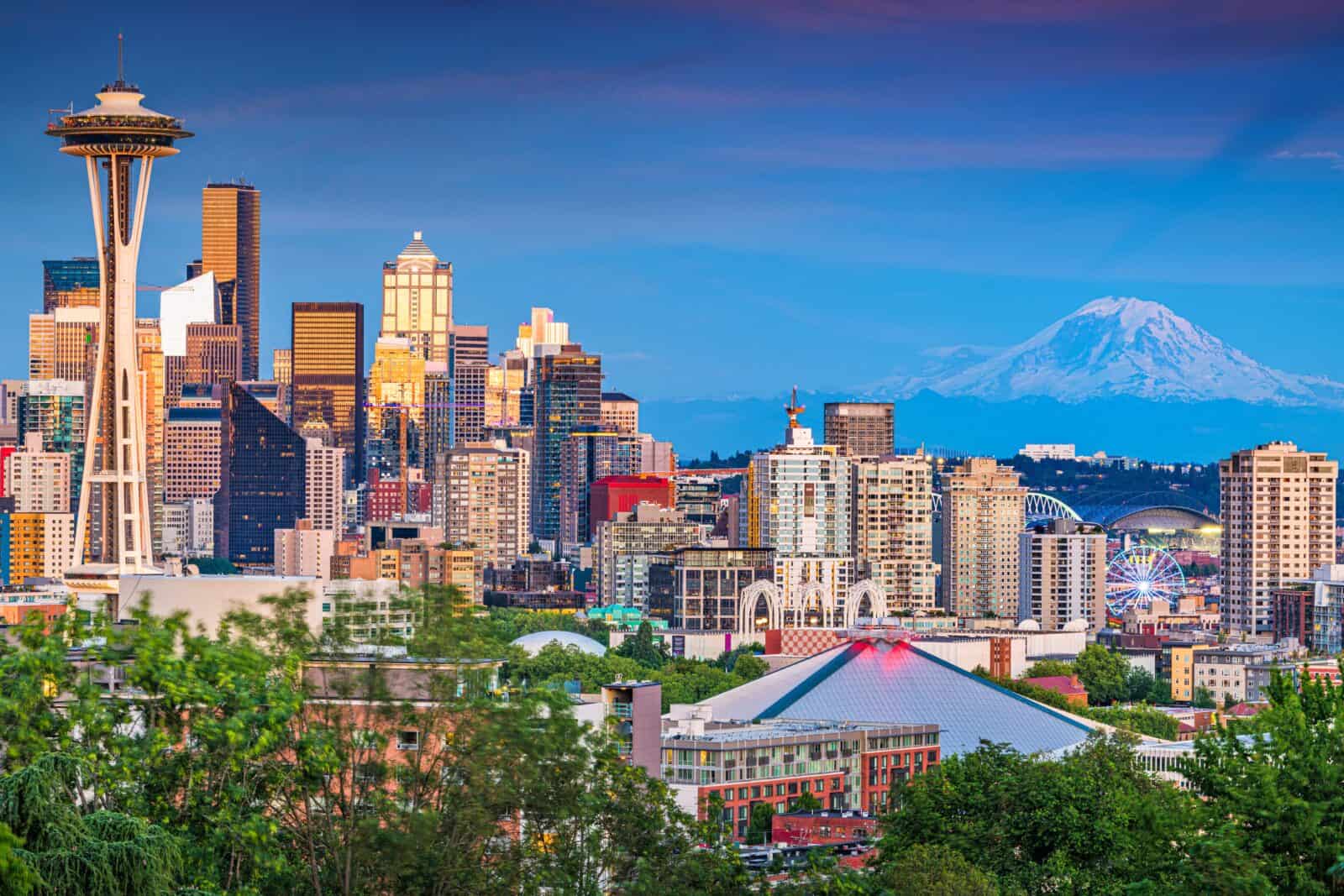
A drizzle coats the sidewalks as you step into a Seattle coffee shop. The smell of roasted beans fills the air, but conversations remain low and brief. People keep their distance, headphones on, eyes down.
The same Kylian AI friendliness survey placed Seattle near the bottom, with a score of 5.16 out of 10. The ranking came from a national poll measuring how often residents perform simple social gestures such as greeting strangers or offering help.
For women moving through public areas, those small acts can shape how safe a place feels. When strangers rarely acknowledge each other, it becomes harder to gauge support in uncertain moments. Silence may feel polite on the surface, yet it can also signal a lack of community presence.
Boston

Sharp footsteps echo along narrow sidewalks in Boston’s historic districts. Commuters flow past brownstone buildings with a quiet urgency, coats pulled tight against the cold harbor wind.
The Kylian AI survey recorded Boston’s friendliness score as 5.60 out of 10 in 2025. Researchers noted that the city ranked low in behaviors such as holding doors open or offering directions to strangers, habits often used to measure public kindness.
For women, those missing gestures carry meaning beyond manners. Small moments of awareness signal that people are paying attention to each other. When they vanish, shared spaces can feel less supportive, especially during evening commutes or crowded transit rides.
New York City

Subway brakes screech as crowds surge onto a Manhattan platform. Voices echo off tiled walls while people rush past without pause. The city moves fast, and the pace rarely slows.
A 2026 national survey reported by Your Mileage May Vary found that 34.3 percent of respondents voted New York City as the rudest city in America. The perception reflects the constant friction of dense crowds and tight public spaces.
For women, that intensity can amplify daily stress. When thousands of strangers pass within inches of each other, even small acts of disrespect stand out. Over time, those moments shape how comfortable people feel as they move freely through the city.
Los Angeles
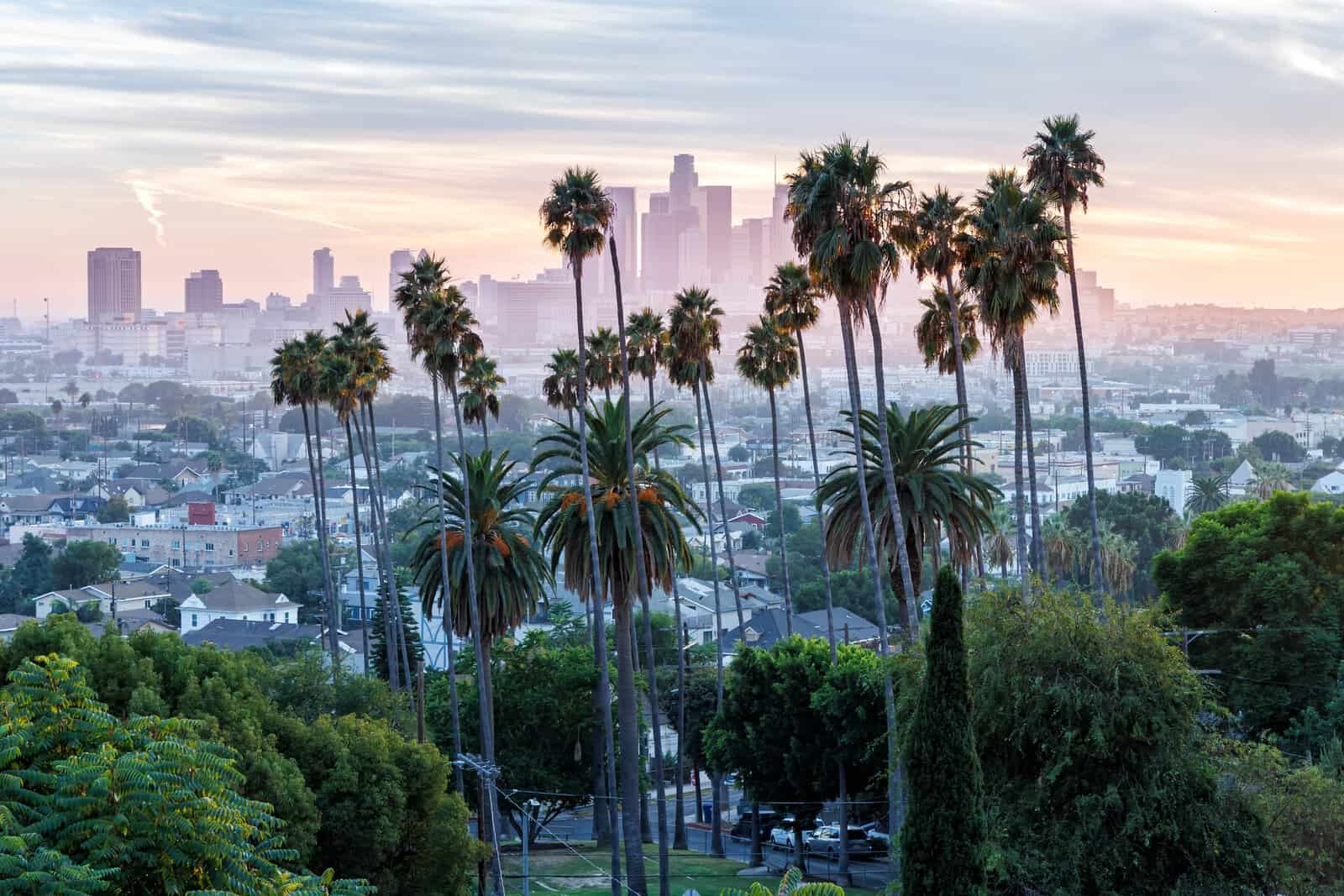
Sunlight reflects off long boulevards as traffic crawls through Los Angeles. The city spreads wide, yet the social atmosphere can still feel tense, especially in crowded districts.
The same 2026 survey placed Los Angeles second for perceived rudeness, with 19.7 percent of respondents naming it among the least courteous cities. Researchers linked the perception partly to congestion and the stress of long commutes.
For women, those pressures can change how public areas feel. When frustration spills into everyday interactions, strangers may become less attentive or patient. The result is a public setting where small conflicts happen more easily.
Tampa
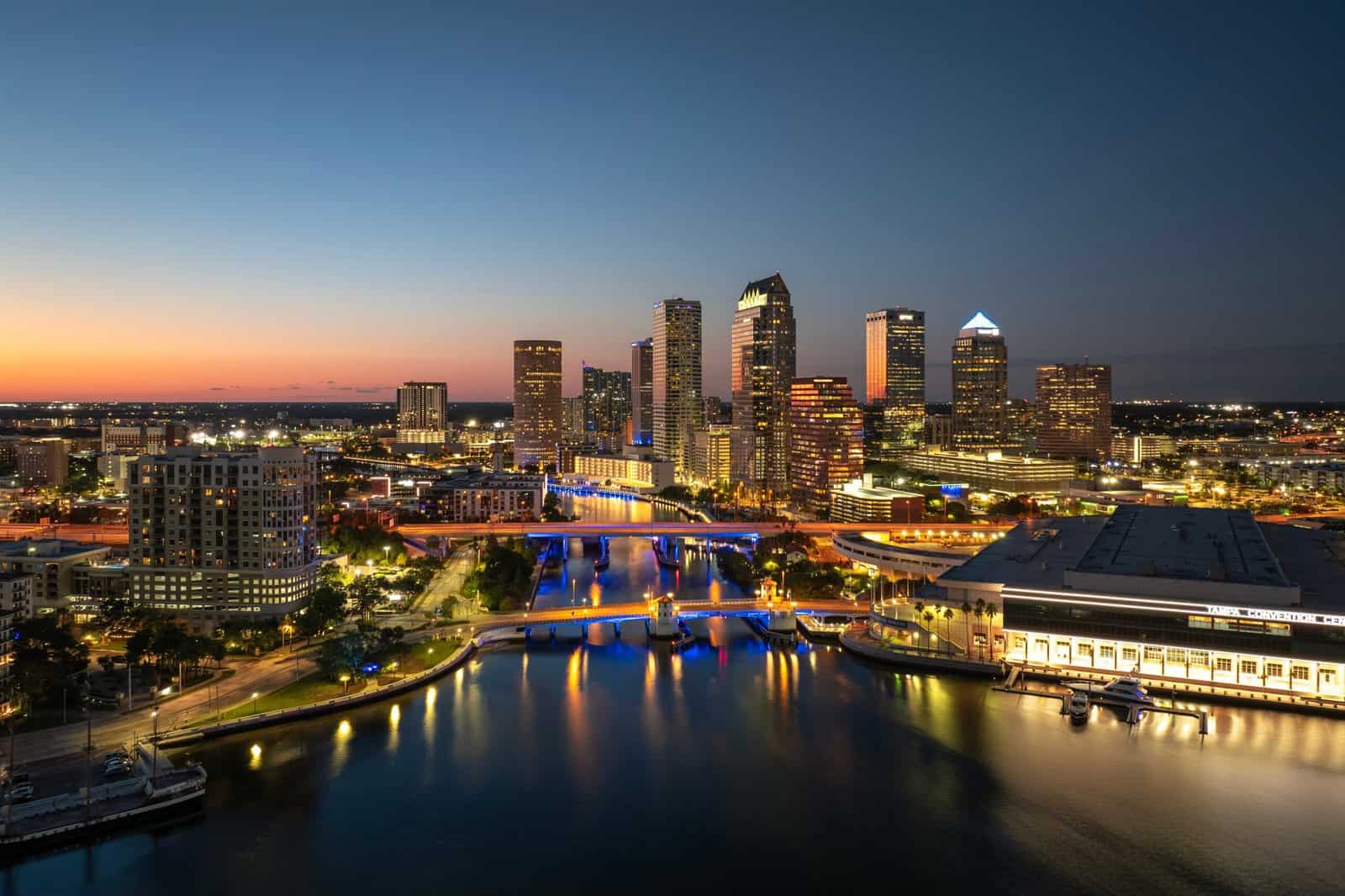
Warm air carries the scent of saltwater as people gather along Tampa’s busy waterfront. The setting feels relaxed at first glance, yet daily interactions sometimes tell a different story.
The Kylian AI Rudest Cities 2025 report gave Tampa a rudeness score of 8.88 out of 10. Researchers also found that 88 percent of Americans say they ignore rude behavior, while only 11 percent confront it.
That silence shapes the tone of a city. When discourtesy goes unchecked, it becomes normal. For women facing unwanted remarks or intrusive behavior, the lack of public response can deepen the sense of vulnerability.
Louisville
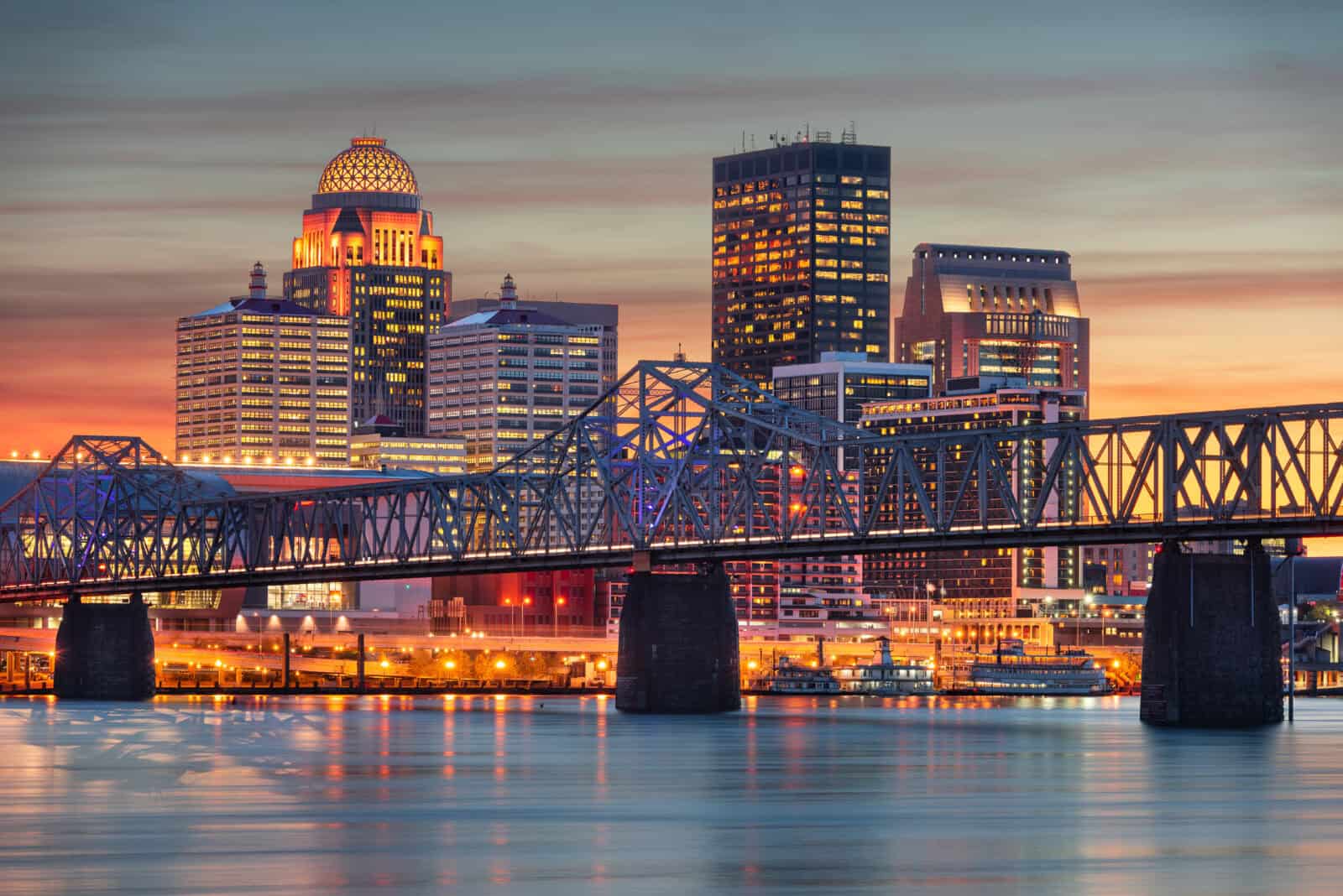
You step into a lively Louisville street where new apartments rise beside long-standing buildings. Construction noise blends with music from nearby bars. The city is expanding quickly.
According to the Kylian AI 2025 study, Louisville recorded a rudeness score of 8.72 out of 10, reflecting one of the largest increases in discourteous behavior compared with earlier studies. Rapid population growth often strains social bonds.
For women, these transitions can affect daily routines. When neighborhoods change quickly, community familiarity fades. Without that shared awareness, public spaces can feel less predictable and less supportive.
Charlotte
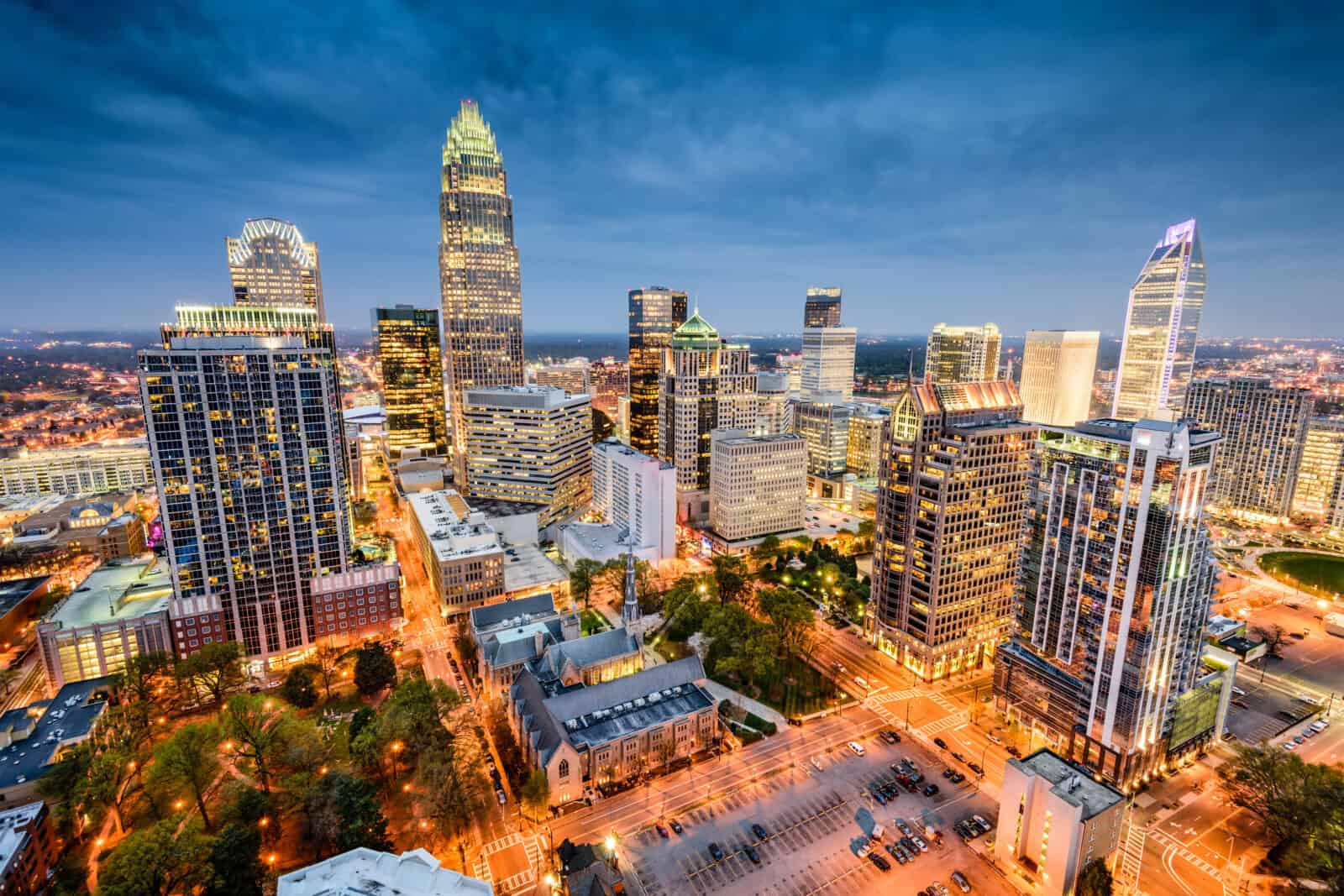
Car horns echo across Charlotte’s expanding skyline as new towers rise over busy roads. The energy of growth is clear, yet the pace can create tension.
Research from the Kylian AI Rudest Cities report shows that Charlotte has experienced a noticeable rise in rudeness levels in recent years. Analysts tied the shift partly to population growth and crowded infrastructure.
When social patience thins, small acts of courtesy often disappear first. Women commuting through busy districts may notice fewer people stepping aside or helping, small signals that once made shared spaces feel safer and easier to navigate each day.
Austin
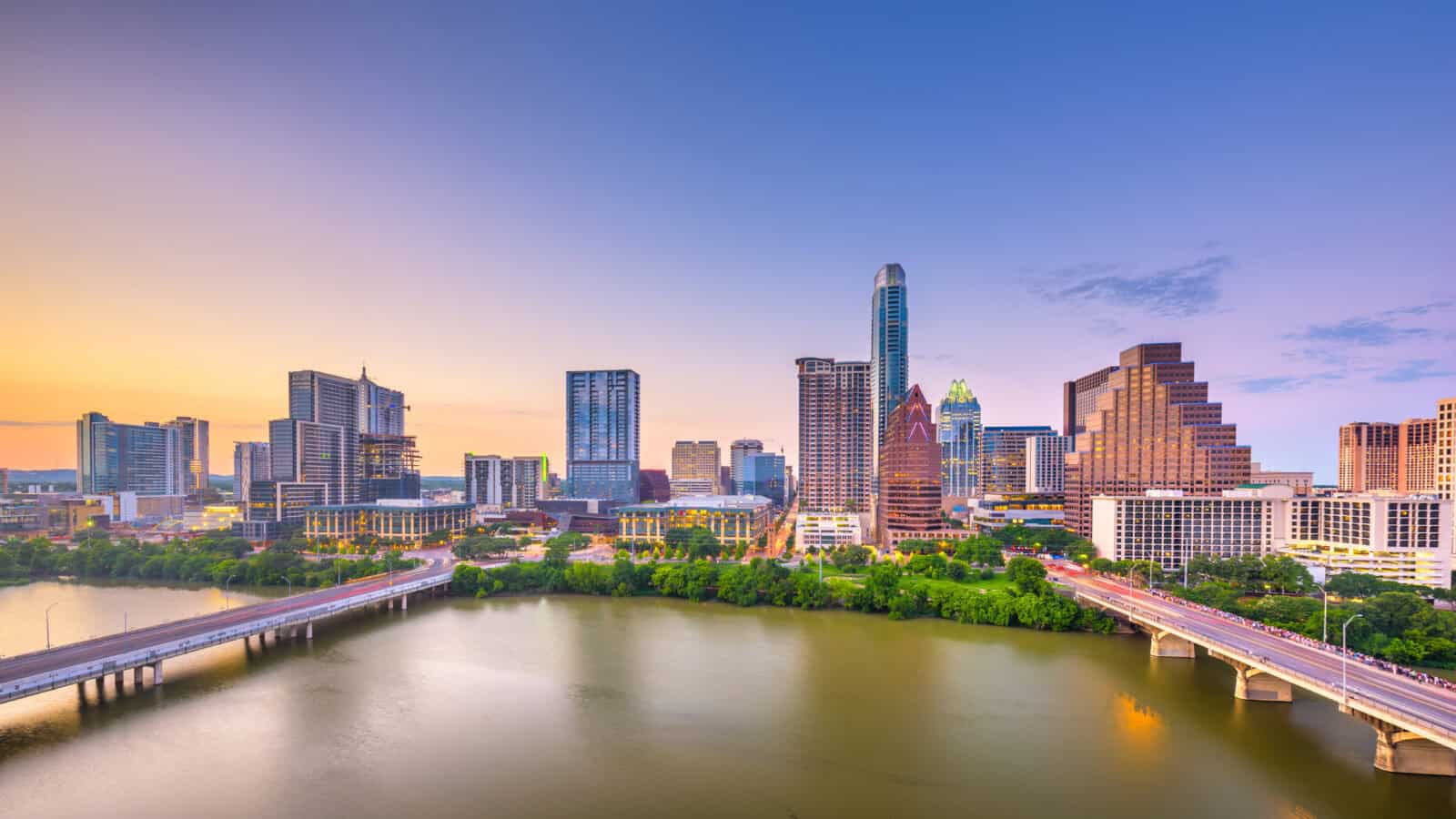
Music drifts from open doors along Austin’s lively streets. At first glance, the city still feels relaxed and welcoming, a place where strangers once struck up easy conversations.
Yet the same Kylian AI research identified Austin as another city where rudeness levels have climbed alongside rapid growth. Expanding populations often shift social habits as longtime residents and newcomers adjust.
For women, the change can feel subtle but real. A city known for warmth can feel different when everyday courtesy declines, making public life less predictable and, at times, slightly harder to navigate.
Delhi

The smell of street food fills the air as traffic hums through Delhi’s busy roads. Markets buzz with activity, yet the pace can feel overwhelming.
The National Annual Report and Index on Women’s Safety, known as the NARI 2025 report, ranked Delhi among the lowest cities for women’s safety due to weak institutional responses to harassment. The same report found that 7 percent of women reported public harassment in 2024, with the rate doubling to 14 percent among women under 24.
These numbers reveal how declining kindness can overlap with deeper social issues. When institutions fail to respond quickly, public spaces become harder for women to use freely.
Jaipur

Dust swirls through Jaipur’s colorful streets as scooters weave between market stalls. The city remains vibrant, yet some women describe daily travel as cautious.
The NARI 2025 Women’s Safety Index also placed Jaipur among the lowest-ranked cities for women’s safety. Researchers linked the result to weak response systems and persistent harassment in busy transit areas.
In cities where courtesy fades and accountability is weak, everyday life changes shape. Women begin adjusting routes, schedules, and habits. Over time, kindness stops being a social extra and becomes a key part of how safe a city feels to live in.
Like our content? Be sure to follow us