Is looksmaxxing reshaping teen boys’ self-image? 12 trends experts are watching
Teen boys are growing up in a strange cultural moment. In many countries, girls now outperform boys in school, dominate university enrollment, and enter professional careers at rising rates. This creates an imbalance: boys are stepping back from institutions while girls are stepping forward to hold them together.
For some boys, the response is not renewed engagement but retreat into a different arena of competition: appearance. The promise is simple: if you optimize your online communities now, treat the male face like a statistical project, measuring jaw angles, eye tilts, and skin texture with forensic intensity, because research shows that dating sites use algorithms, then loneliness will disappear. But the deeper many teens fall into the world of looksmaxxing, the more their self-worth becomes trapped in a brutal hierarchy of genetic rankings and algorithmic beauty standards.
Experts are beginning to watch this shift closely. What started as grooming advice has evolved into something far more obsessive, and in some cases, dangerous. From skincare routines to facial measurements and steroid cycles, these trends reveal how a generation of boys is learning to evaluate itself.
Softmaxxing

Grooming used to be a matter of soap and a comb. Today, teen boys treat their bathroom mirrors like quality control labs. This shift starts with ‘softmaxxing’, a term for non-invasive fixes like skincare, dental hygiene, and eyebrow shaping.
It sounds healthy, but the intent differs from basic self-respect. These boys perform a technical audit of every pore. Market research firm Mordor Intelligence recently valued the men’s grooming market at $60 billion. They predict it will hit $81 billion by 2029. This growth is visible in high school hallways.
Boys who once ignored moisturizer now debate the benefits of retinol and chemical exfoliants. They aren’t just trying to look clean. They want to eliminate imperfections that most people never notice.
Once a boy optimizes his skin, he starts looking for the next stat to boost. He moves from soap to serums, then to more obsessive physical metrics.
The Mewing Myth and the Hyper-Fixation on the Angles

Jawlines have become the primary currency of male facial value. Enter mewing. This technique involves flattening the tongue against the roof of the mouth to define the jaw. Dr. John Mew, a British orthodontist, pioneered the theory behind it.
His son, Mike Mew, turned it into a viral phenomenon. TikTok videos tagged with ‘mewing’ have billions of views. These boys spend hours checking their side profiles in phone cameras. They believe they can reshape their bone structure solely through tongue posture.
The American Association of Orthodontists disputes these claims. They state that tongue position cannot move the jawbones in adults or older teens. Still, the trend persists because it offers a sense of control. It turns the face into a project. Some argue that it encourages better posture and nasal breathing.
However, it fosters a state of hyper-vigilance. Boys become trapped in a loop of checking their reflection for structural changes that will likely never happen.
Hunter Eyes and the Canthal Tilt
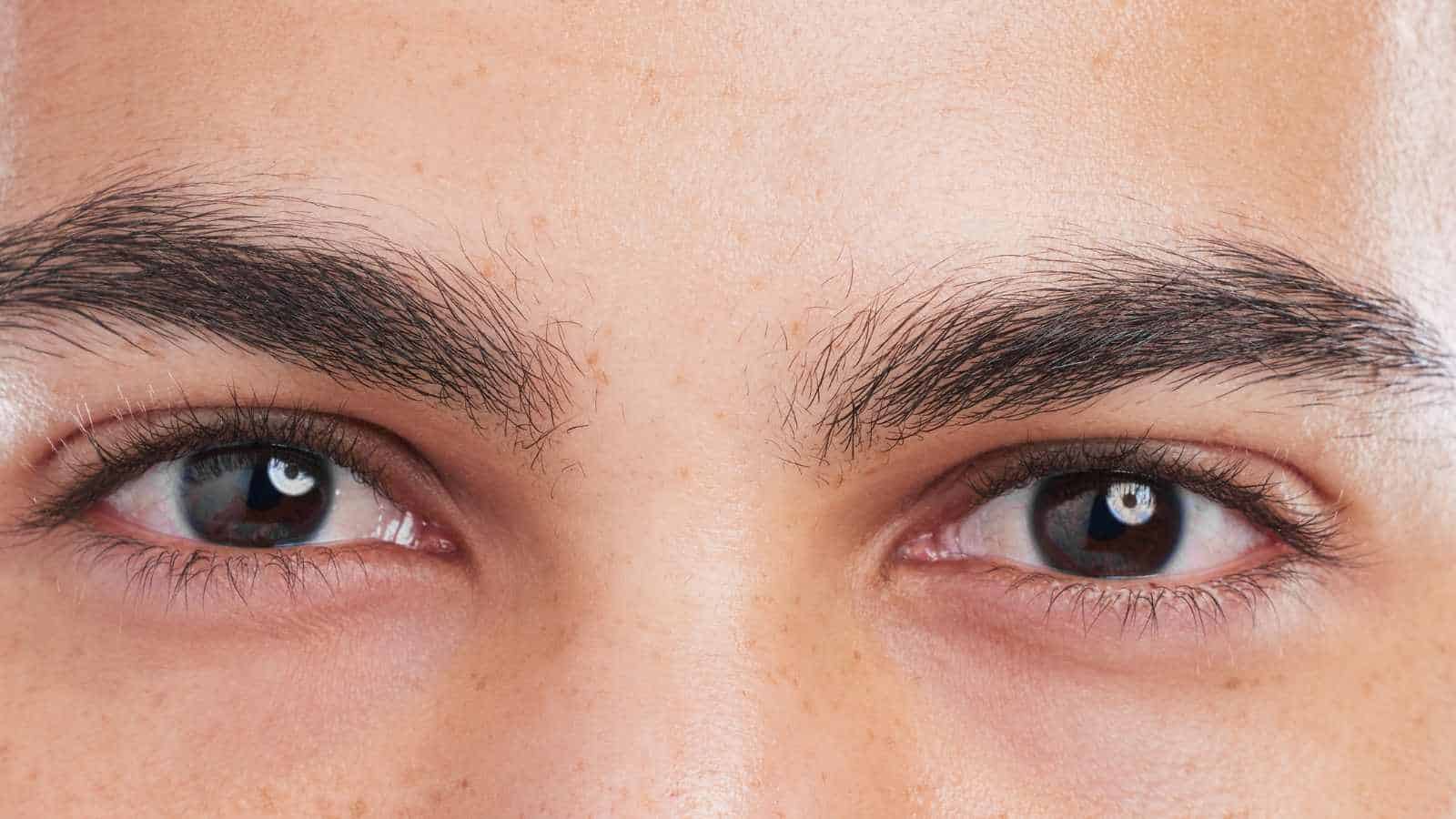
The ‘looksmaxxing’ community has its own anatomical dictionary. ‘Hunter eyes’ sit at the top of the hierarchy. These are deep-set eyes with a positive ‘canthal tilt’, where the outer corner of the eye is higher than the inner corner. Boys use digital protractors to measure the angle of their eyelids.
A negative tilt is viewed as a genetic failure. This terminology stems from the blackpill corners of the internet. It treats the human face like a set of blueprints. You will find thousands of ‘rating’ threads where strangers analyze orbital floor support.
This obsession ignores the reality of human diversity. Most people don’t look at eyes and see degrees or tilts. They see expression and personality. But for a teen boy in these forums, a few millimeters define his future.
Even a conventionally handsome boy feels ugly if his tilt is neutral. It is a rigid, unforgiving standard that leaves no room for character.
Bone Smashing

At the darkest edge of this subculture lies bone smashing. This practice involves hitting the face with blunt objects or hammers. The logic follows Wolff’s Law. This law states that bones adapt to the loads they are subjected to.
Practitioners hope to create micro-fractures that heal into thicker, more prominent facial bones. Medical professionals are horrified by this.
You don’t get a chiseled jaw; you get nerve damage and uneven scar tissue. Bone smashing is the ultimate sign of desperation. It shows a complete break from reality. Most users in these communities claim to be joking about it.
However, the sheer volume of posts suggests some take it seriously. It is a physical manifestation of the self-hate these forums breed. This is no longer about looking better. It is about punishing a body that doesn’t meet an impossible, digital standard.
Gamifying the Human Face for a Numerical Score

In the digital dungeon of looksmaxxing forums, boys submit photos for a true rate. This is a score from 1 to 10 based on strict aesthetic rules. A 5 is average, but in these spaces, anything below an 8 is often mocked.
This gamification turns social interaction into a series of status checks. Boys use the term ‘mogging’ to describe being physically superior to others. If you have a better jawline, you ‘mog’ the person next to you.
It replaces friendship with competition. Data from the U.S. Surgeon General show that boys who spend more than three hours daily on appearance-focused platforms face double the risk, twice the likelihood of experiencing poor mental health outcomes, including body dissatisfaction and depressive symptoms.
They view life as an RPG where they lack the legendary gear. This mindset makes every social outing a source of stress. They aren’t looking for friends. They are looking for people they can out-rank.
The ‘Cosmo’ for Men

Looksmaxxing is a business. It functions exactly like the flaw-and-fix cycle of 90s women’s magazines. Influencers create a problem, like low-set eyebrows, and then sell the solution. They promote expensive skin care, jaw exercisers, and aesthetic supplements.
You are watching a $100 billion attention-economy target male insecurity for the first time on this scale. These creators aren’t experts in biology. They are experts in the algorithm. They use before-and-after photos that are often edited or taken under different lighting conditions.
The tips are overcomplicated to make them seem elite. If a boy fails to see results, the influencer tells him he just isn’t ‘maxxing’ hard enough. This keeps the engagement high and the money flowing.
It’s a predatory loop. They don’t want you to feel good. If you feel good, you stop buying their products.
From Gymbro to Bigorexia

The ‘gymbro’ culture often hides a darker struggle called Muscle Dysmorphia, or ‘Bigorexia’, as further explained in NEDA. Boys feel small and weak despite being muscular. This leads many toward ‘hardmaxxing’ with steroids and peptides.
They want the superhero look popularized by Marvel movies and fitness influencers. This look is often impossible without chemical help. The side effects are devastating. We are talking about infertility, heart issues, and severe acne. These forums normalize cycles and stacks as if they were vitamins.
They ignore the classical reference to the Adonis Complex. This term describes the obsessive pursuit of the perfect body. For these teens, a workout isn’t about health.
It is a desperate attempt to fill a psychological void. They are lifting weights to carry the heavy burden of their own insecurity.
Why Ascending Won’t Fix a Hollow Social Life

Many boys start looksmaxxing because they feel lonely. They believe ascending to a higher rating will magically grant them a romantic life. This is a hollow promise. You can have a perfect face and still be a social ghost.
A boy spends ten hours a day on forums instead of talking to real people. He learns how to measure his philtrum but forgets how to hold a conversation. He becomes an expert on canthal tilts and a novice in empathy. When he eventually goes on a date, his lack of social skills leads to failure.
He then blames his looks, returning to the forums to max even harder. It is a self-fulfilling prophecy. People of substance look for character, not just symmetry. No amount of jawline exercise can replace the work of becoming an interesting, kind, and stable person.
Why Genetic Destiny is a Recipe for Stagnation

The BlackPill is a nihilistic philosophy that rules these communities. It teaches that your life is decided at birth by your genes. If you have ‘bad’ features, the Blackpill says you are doomed to be alone. This is a toxic lie. It rejects the power of personality and effort.
It tells boys to give up before they even try. This mindset leads to total stagnation. Why study? Why work on your social skills? If your face is a 4, the Blackpill says none of it matters.
If the game is rigged, you don’t have to feel bad about losing. But life isn’t a rigged game.
History is full of men who weren’t aesthetic gods, but changed the world through intelligence and charisma. The Blackpill takes the most important years of a boy’s development and fills them with a sense of hopelessness.
AI Filters and Statistical Fantasies
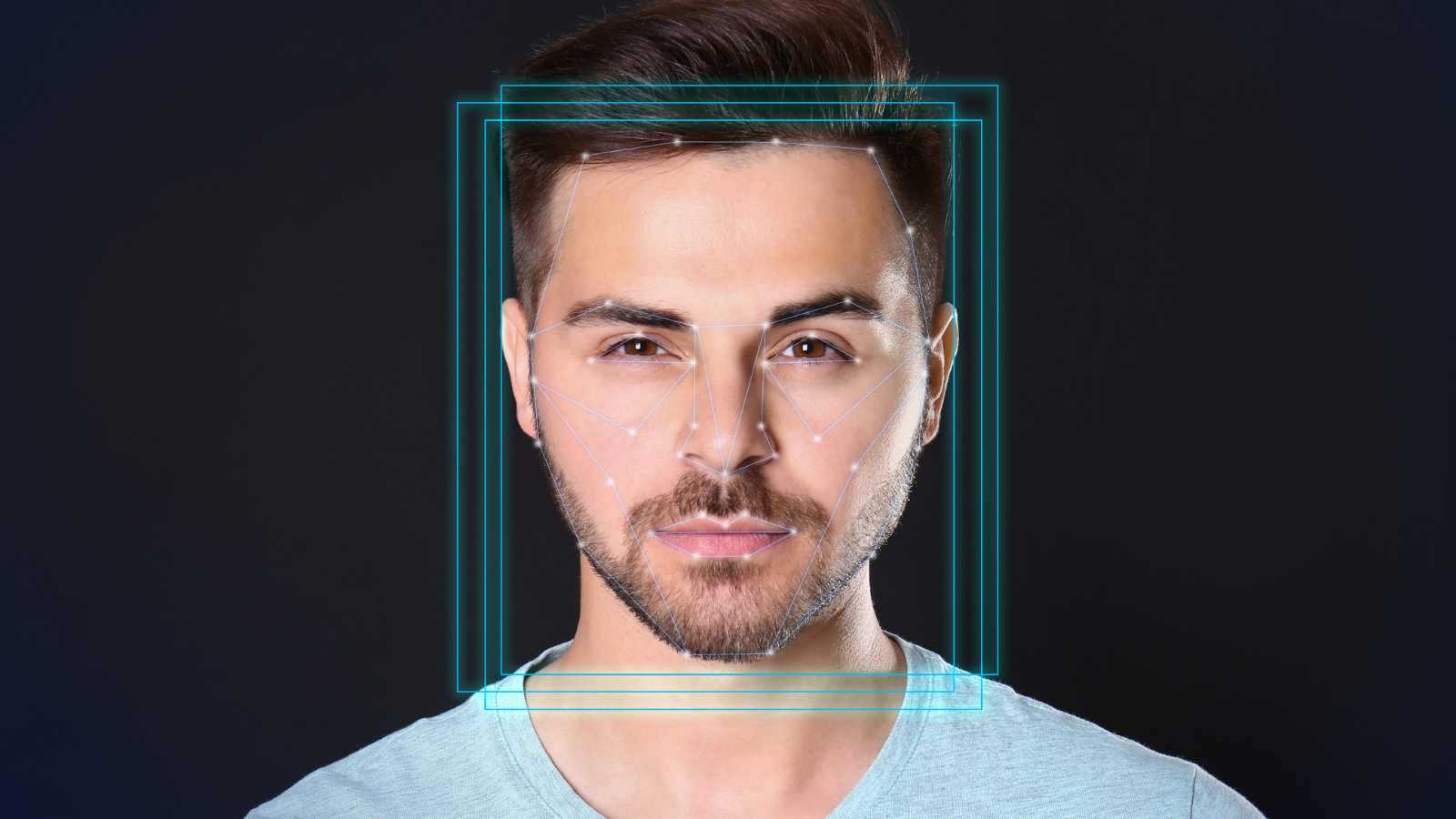
AI has created a new standard: the statistical fantasy. This is a face that incorporates the most popular features of thousands of celebrities into a single image. It is mathematically perfect, but biologically impossible.
Teen boys compare their 3D, moving faces to these 2D, static AI images. This leads to profound facial dysmorphia. Evidence from a 2024 study published in the journal Body Image by researchers at the University of the West of England and City, University of London, confirms that just 10 minutes of exposure to idealized social media images significantly lowers body appreciation and state self-esteem. These boys are fighting a war against their own reflections.
They want the smooth skin and sharp contrast of an Instagram filter. Real human skin has texture. Real human faces have asymmetry.
When a boy sees his natural face in a mirror, he feels like a failure. He doesn’t realize he is comparing himself to an algorithm, not a person. This war is unwinnable. It turns a boy’s own body into his primary enemy.
The Eurocentric Blueprint and the Erasure of the Natural Self

Looksmaxxing often promotes a racist, Eurocentric beauty standard. The ideal features, thin noses, light eyes, and specific skull shapes, are often traits common to Northern Europeans. For non-white boys, maxxing can become a form of self-erasure.
Boys get these ideas from content that prizes Western features. This is a modern form of colorism. It tells dark-skinned boys to avoid the sun and seek lightening treatments.
It tells boys with wide noses that their heritage is a flaw to be corrected. It sells self-hate as self-improvement. It encourages a boy to delete the very features his ancestors passed down to him.
A world where everyone looks like a slightly different version of a white ideal is a boring, diminished world. True beauty is found in the diversity of the human map, not in a single blueprint.
De-centering the Gaze to Reclaim Masculinity

True liberation for teen boys looks like the ending of the Barbie movie. Ken had to realize he was Kenough’ without Barbie’s approval. The ‘maxxing’ communities center women as the only judges of male worth. This is a hostage crisis.
A man’s happiness shouldn’t be a byproduct of his market value. He should build a life that he enjoys, regardless of who is watching. This means filling his house with more than just posters of his own face. It means plants, hobbies, and a sense of purpose.
A healthy masculinity is self-referential. It is about being a man of integrity, strength, and kindness for your own sake. When a boy stops obsessing over his rolls and starts focusing on his build, he regains his power.
He realizes he is a person, not a character sheet. He is enough as he is, and any modifiers he adds should be for his own satisfaction, not to win a rigged digital game.
Key Takeaway

- Appearance has become a substitute arena for status. As boys fall behind girls in education and institutional participation, some redirect their competitive energy toward optimizing their physical appearance, treating their faces and bodies as measurable performance metrics.
- Online communities are turning self-care into obsessive self-surveillance. Trends like skincare “softmaxxing,” mewing, and facial angle measurements push teens to constantly audit their bodies, often chasing changes that science says are unlikely or impossible.
- Algorithmic culture intensifies insecurity. Forums that rate faces numerically, AI-generated beauty ideals, and influencer marketing loops create unrealistic benchmarks that trap boys in cycles of comparison, consumption, and dissatisfaction.
- Extreme practices are emerging at the edges. From steroid-driven “hardmaxxing” tied to muscle dysmorphia to dangerous ideas like bone smashing, some teens escalate from grooming into harmful attempts to forcibly reshape their bodies.
- The bigger risk is psychological and social, not cosmetic. When identity becomes tied to genetic rankings and beauty hierarchies, boys may withdraw further from real relationships, skills, and purpose, reinforcing loneliness rather than solving it.
Like our content? Be sure to follow us