Inflation is bringing these 12 classic groceries back to the grocery list
Your grocery cart just turned into a time machine. When inflation keeps nudging families to rethink dinner, old-school staples stop looking boring and start looking brilliant. The latest BLS data shows food at home rose 2.4% year over year in February 2026, and eating out rose even faster at 3.9%, while the USDA expects grocery prices to climb another 2.5% in 2026.
That pressure has changed how Americans shop. Purdue’s Consumer Food Insights team found that 82% of consumers changed their grocery habits in 2025, and the most common moves included hunting for discounts, switching to cheaper brands, and cutting nonessential items. I honestly get it. When a few flashy “treat yourself” items start acting like rent, the classics suddenly feel like the smartest people in the room.
Flour is pulling people back to scratch cooking
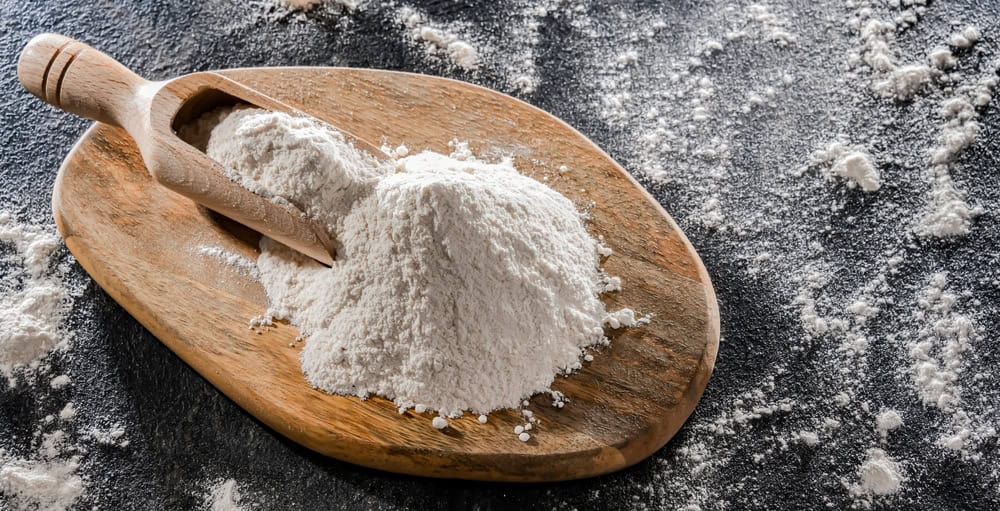
Flour does not look glamorous, and that might be its greatest strength. In February 2026, BLS put white all-purpose flour at $0.549 per pound, down 2.1% from a year earlier, making it one of the quiet heroes of inflation-era grocery shopping. Why buy pricey bakery extras every week when flour lets you knock out pancakes, biscuits, muffins, tortillas, and quick breads from one cheap bag?
I keep coming back to the same thought here: when ground chuck hit $6.703 a pound, flour started looking less like a pantry extra and more like a financial coping mechanism with measuring cups.
Rice keeps winning the side dish battle

Rice has always understood the assignment. BLS priced white long-grain rice at $1.074 a pound in February 2026, up 4.3% from a year earlier, but it still stretches farther than most trendy convenience foods and still helps families build full meals around leftovers, beans, eggs, or chicken. Ever notice how one pot of rice can turn a random assortment of fridge odds and ends into something that looks intentional?
With restaurant prices still rising faster than grocery prices, rice keeps earning its spot because it delivers volume, flexibility, and almost no drama, which feels rare in this economy.
Spaghetti still saves weeknights
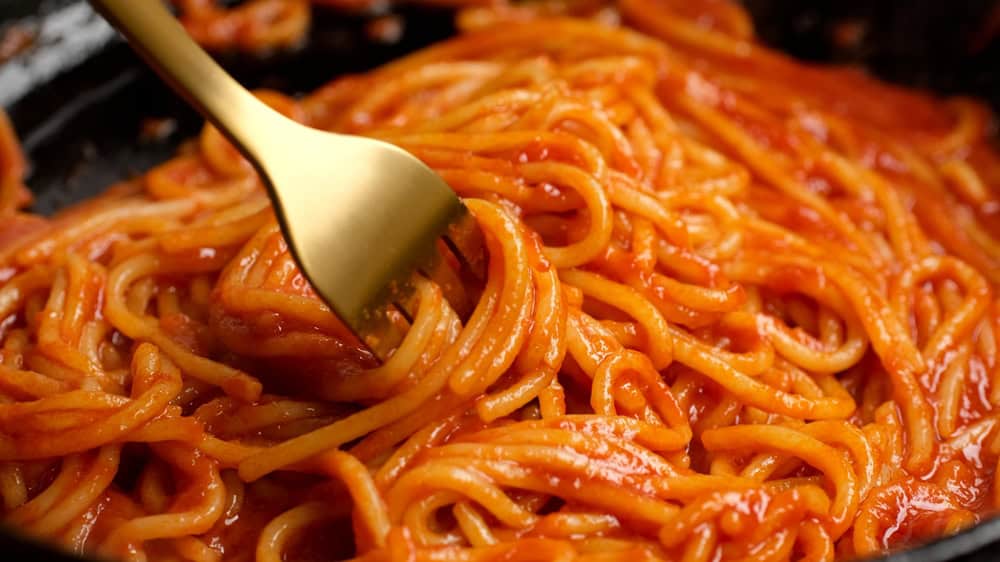
Spaghetti and macaroni never left, but inflation has definitely made them look cooler again. BLS showed spaghetti and macaroni at $1.323 per pound in February 2026, marking a 4.2% drop from February 2025, and that kind of stability matters when other proteins and prepared foods keep pushing budgets around. Campbell’s CEO said shoppers have focused on products that help them stretch their food budgets.
Pasta fits that mood perfectly because it feeds a crowd, reheats well, and plays nicely with cheap sauces, beans, or a little bit of meat instead of a lot. Why fight the grocery bill on a Tuesday when a pot of pasta can do the job for less and still feel like dinner?
White bread keeps earning its place

White bread has started to feel practical again, and practicality wins plenty of grocery arguments. BLS put white pan bread at $1.850 a pound in February 2026, down 3.9% from a year earlier, which helps explain why sandwiches, toast dinners, grilled cheese nights, and humble packed lunches keep returning to the weekly plan. This is the part where bread looks almost annoyingly sensible.
When eating out still runs hotter than grocery inflation, a loaf that supports breakfast, lunch, emergency toast, and late-night “I refuse to cook” meals feels less like a compromise and more like a soft-crusted survival tool.
Dried beans feel like smart money now
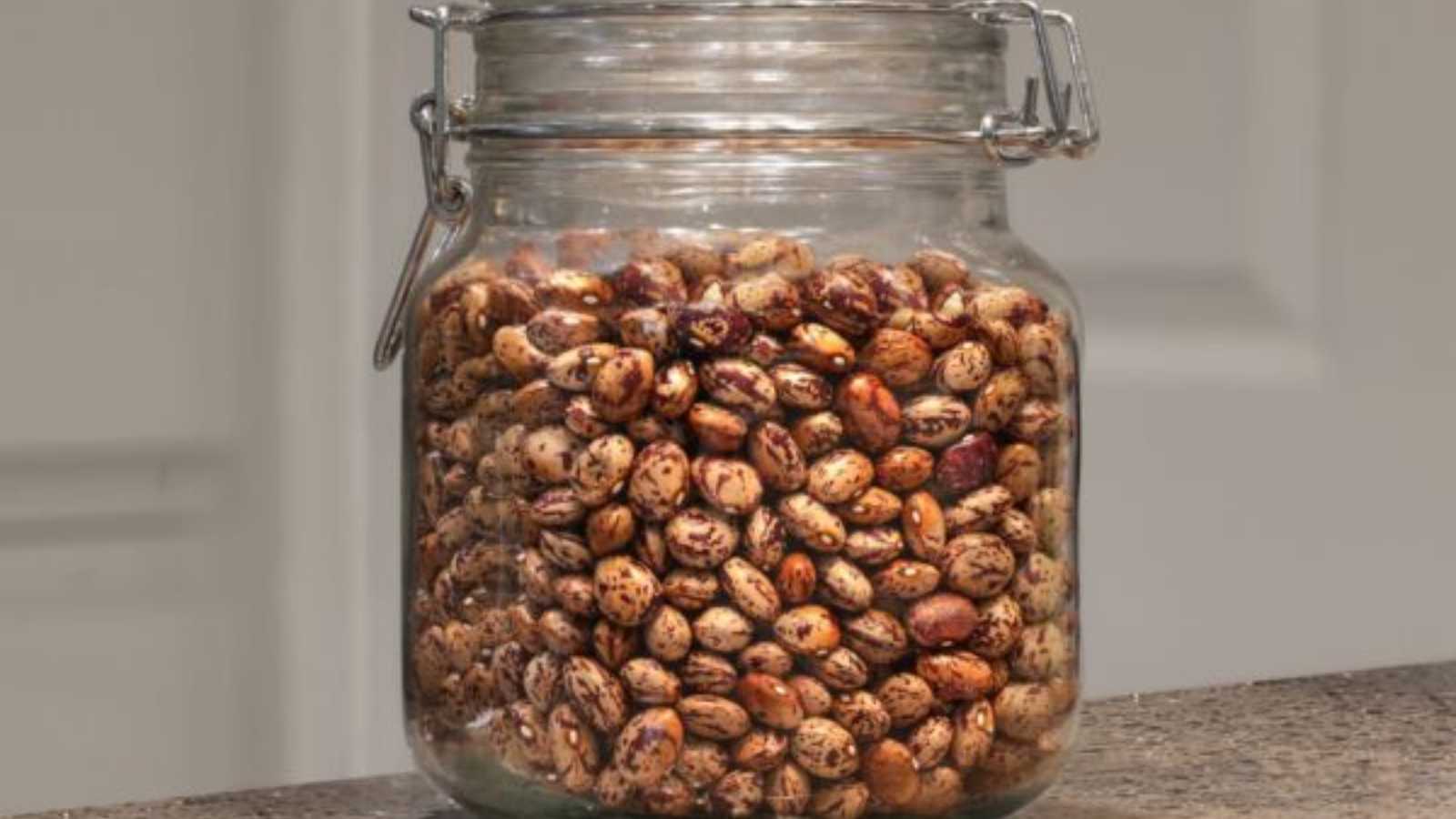
Dried beans have moved from “grandma pantry item” to “budget strategy,” and honestly, good for them. BLS listed dried beans at $1.704 a pound in February 2026, up 4.5% year over year, but that price still looks tiny next to beef prices. The payoff includes protein, fiber, and serious meal-stretching power.
Purdue’s Joseph Balagtas said shoppers most often changed behavior by chasing deals, switching to cheaper brands, and trimming nonessentials, and beans fit that exact value-first mindset. If one bag can turn into chili, soup, rice bowls, tacos, and side dishes, why would families ignore it just because it lacks flashy packaging and a lifestyle influencer?
Potatoes still do the most for the least
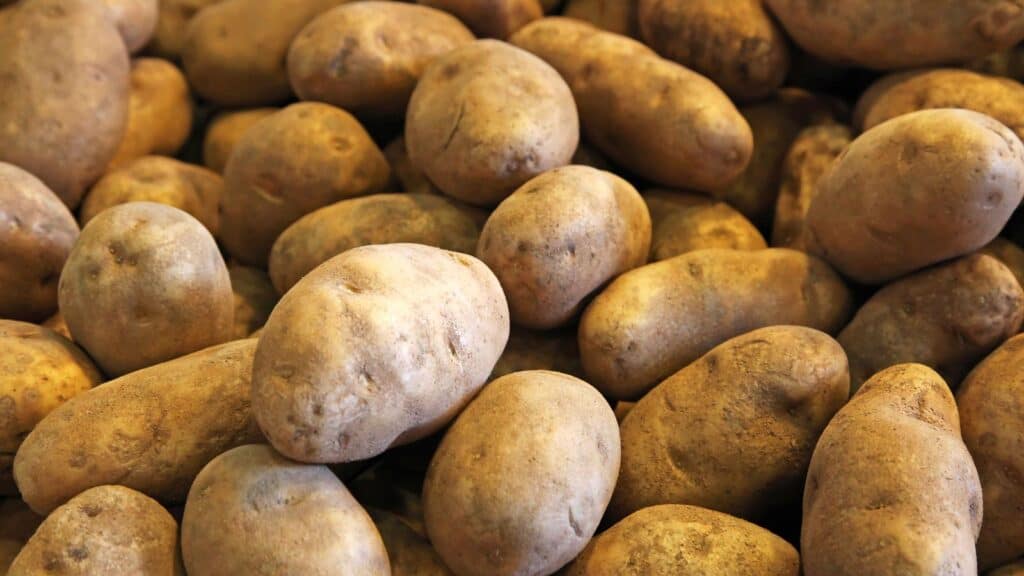
Potatoes have quietly re-emerged as the ultimate grocery bargain in 2026, and honestly, it’s hard to deny their magic. Priced at just $0.866 per pound, potatoes are nearly 10% cheaper than a year ago, and they’re playing a starring role in kitchens all across the U.S. Whether mashed, roasted, or fried, potatoes fill up plates and stomachs without emptying your wallet. They can transform leftovers into hearty meals and serve as the foundation for a variety of dishes, making them a great choice when you’re stretching your grocery budget.
When other fresh produce gets pricey, potatoes still offer the most versatility at the lowest cost. So, why not stock up? A humble potato is more than capable of holding its own in today’s inflationary economy.
Bananas still beat pricey snacks

Bananas have always offered cheap convenience, and inflation makes that advantage stand out even more. BLS put bananas at $0.653 a pound in February 2026, up 5.5% from a year earlier, but they still undercut plenty of packaged snacks, desserts, and grab-and-go breakfast items by a mile.
USDA says sugar and sweets prices rose 5.7% in January 2026 from a year earlier and expects that category to climb 6.7% in 2026, so swapping a few processed treats for bananas starts looking less old-fashioned and more financially awake. Why pay premium snack prices for less nutrition and more packaging when bananas already show up ready to work?
Eggs have made a real comeback.
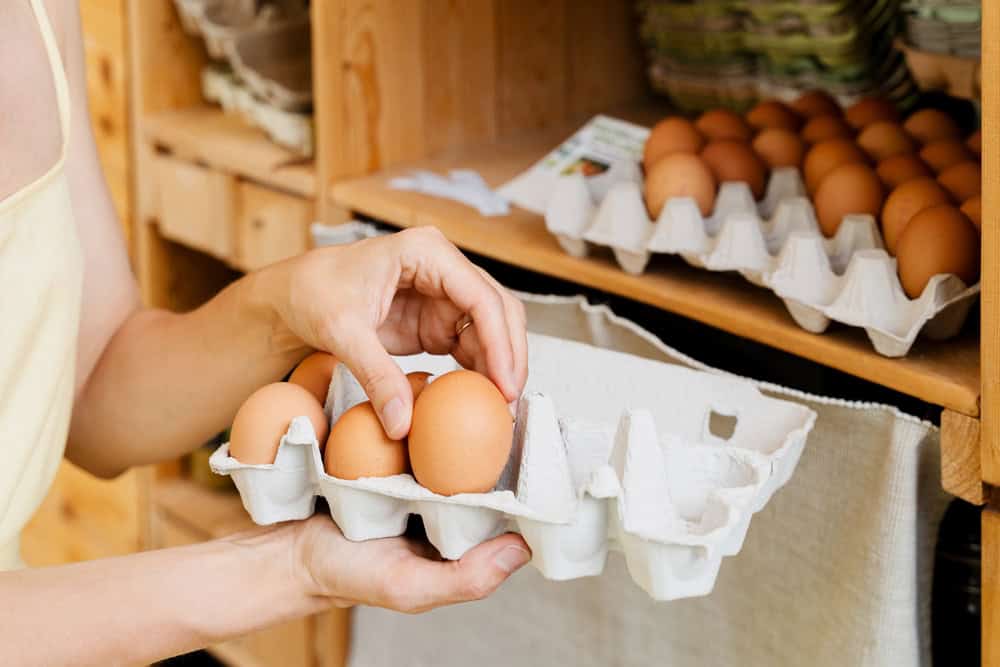
After skyrocketing in price during the height of the avian flu crisis, eggs have returned to being a staple that families can actually afford again. With prices dropping nearly 58% from last year, eggs are back in the breakfast rotation, and let’s be honest, it feels like a win. They’re now around $2.50 per dozen, making them the go-to choice for a quick, affordable meal.
Eggs offer incredible versatility: they can be used in scrambles, sandwiches, salads, or even baked into delicious pastries. They’re a protein powerhouse that keeps prices down without skimping on nutrition. The availability and steady price of eggs are a huge relief to budget-conscious shoppers who need easy, affordable meals. Eggs are back, and they’ve never felt more like a bargain.
Whole milk stays steady when other basics wobble
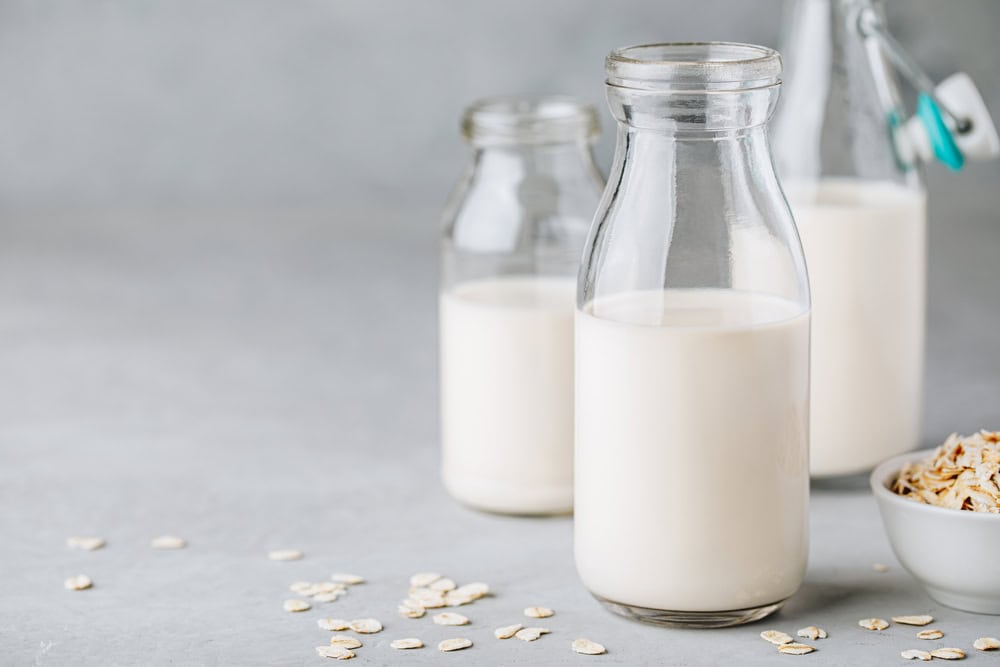
In a world where prices are flying up faster than a kite in a storm, whole milk stands as a surprisingly stable figure on the grocery shelf. Despite inflation pushing many prices higher, whole milk has stayed at $4.03 per gallon, holding steady over the last year. That consistency is a win when you’re faced with fluctuating grocery bills everywhere else.
Milk still offers unmatched value, adding nourishment to everything from cereal to smoothies to coffee. Plus, it’s still an essential ingredient for cooking, from sauces to baked goods. When your weekly shopping list looks like a battlefield of rising costs, it’s comforting to know that whole milk is there, offering dependable, affordable options for families. So, keep pouring it, it’s not just for breakfast!
Whole chicken looks better every time beef gets pricier
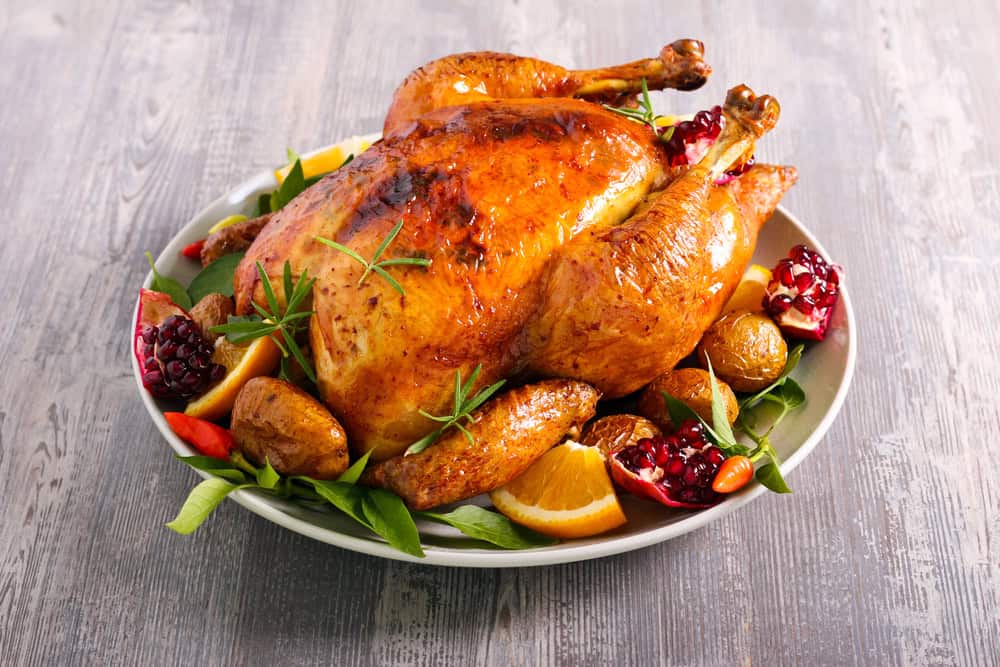
As beef prices climb, whole chicken has managed to stay in a more comfortable price range, according to the Bureau of Labor Statistics, making it a better option for families who want to eat well without breaking the bank. At just $2.05 per pound, whole chicken remains an affordable and versatile source of protein that can stretch across multiple meals. You can roast it, make broth, or turn it into chicken salad, sandwiches, and even tacos.
When beef prices rise as high as $6.70 per pound for ground chuck, whole chicken becomes an absolute steal. It’s a great way to feed a family without sacrificing nutrition or flavor. As we all search for more affordable ways to eat, chicken stands out as a smart, budget-friendly alternative, and it’s never looked better as an option.
Frozen vegetables have become meal-planning staples
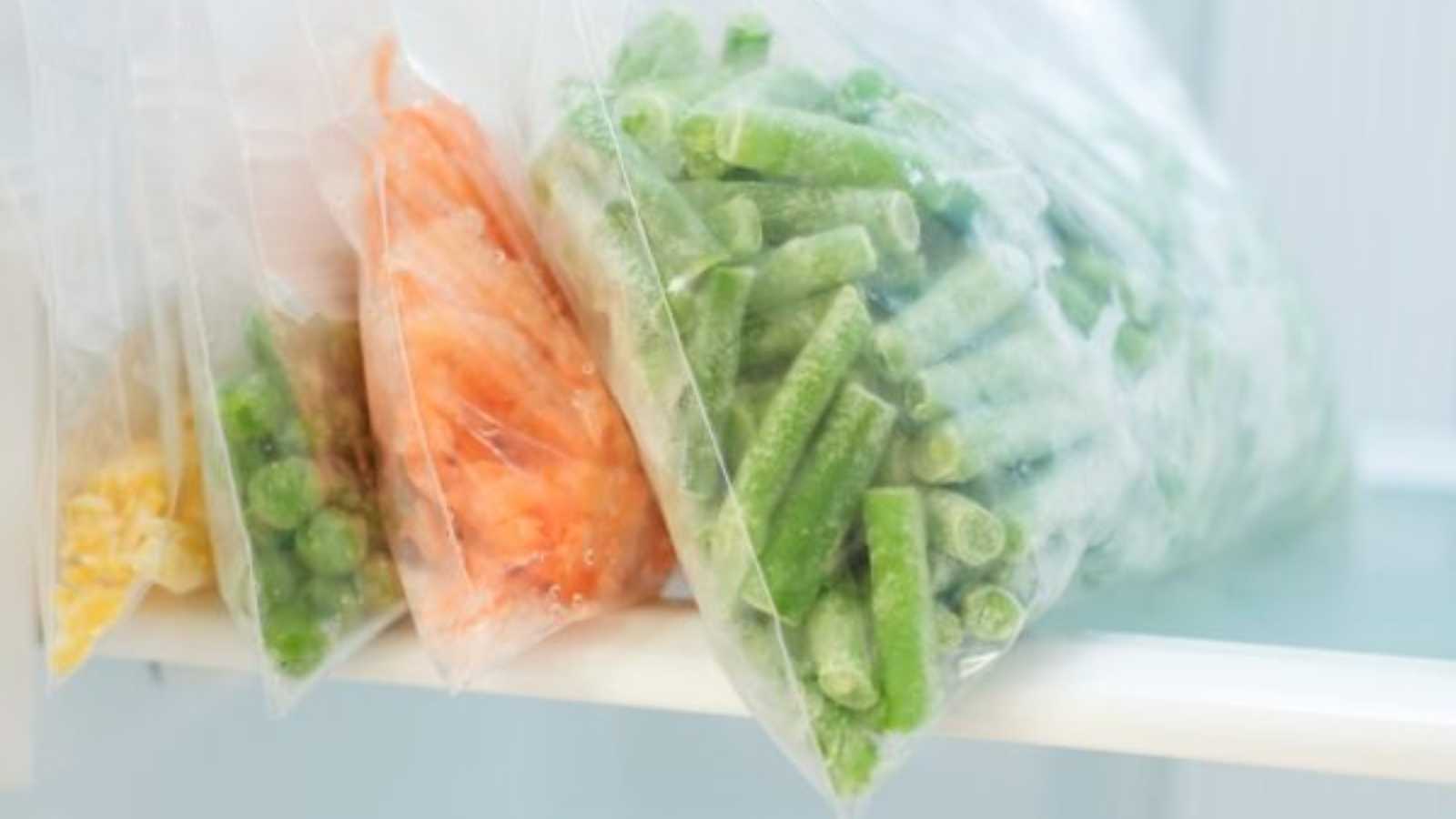
Frozen vegetables used to get treated like backup singers, but now they headline the budget concert. AFFI and FMI report that 40% of consumers use frozen foods daily or every few days, up from 35% in 2019, and 77% buy frozen with a specific meal or day in mind, up from 71% in 2023. AFFI also says shoppers value frozen for at-home cooking, meal planning, and waste reduction.
That tracks with reality because frozen vegetables wait patiently, portion easily, and rarely rot in the crisper while you pretend you’ll cook something ambitious on Thursday. Inflation loves to punish waste, so frozen vegetables fight back by keeping dinner practical and the trash lighter.
Store-brand pantry basics keep stealing the spotlight
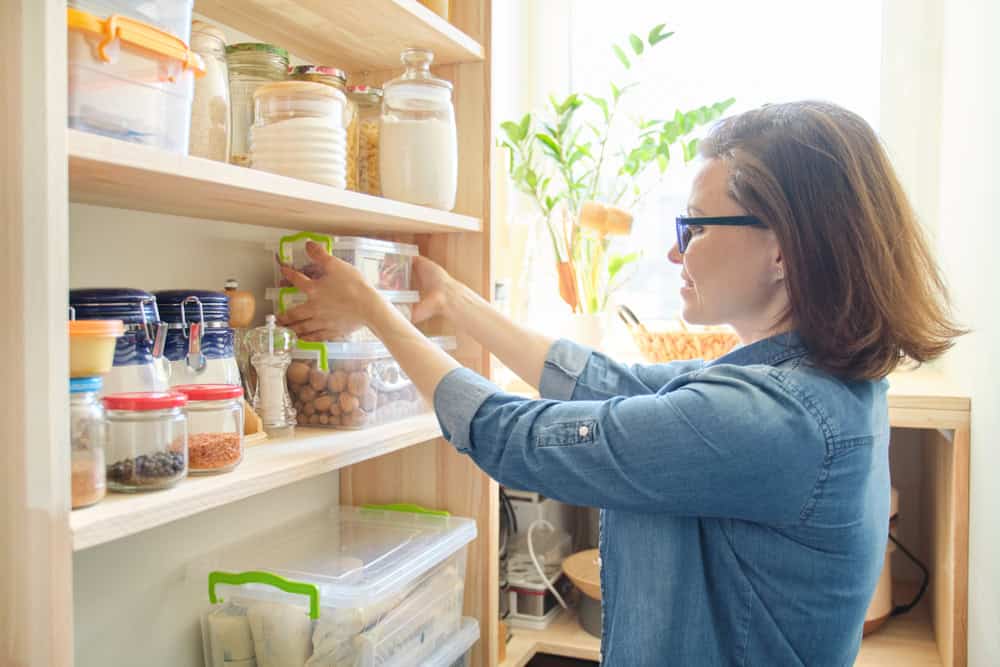
Store brands have stopped being the “backup plan” and started becoming the actual plan. PLMA says U.S. store-brand sales reached a record $282.8 billion in 2025, with 3.3% growth versus 1.2% for national brands, and dollar share climbed to 21.3% while unit share reached a record 23.5%. Peggy Davies of PLMA said private-label growth reflects a shift in what shoppers care about, and Purdue’s data backs that up, as consumers continue to choose cheaper brands and trim nonessential spending.
So yes, the generic pasta, canned tomatoes, cereal, broth, and peanut butter may wear boring labels, but they also leave more money in your checking account, which suddenly looks pretty stylish.
Key takeaway

Inflation has not turned Americans into nostalgic shoppers by accident. It has pushed people back toward classic groceries that stretch meals, lower waste, and deliver predictable value, from flour, rice, pasta, bread, beans, and potatoes to eggs, milk, whole chicken, frozen vegetables, and store-brand pantry basics. The numbers tell the story clearly: grocery prices keep rising, most shoppers have changed how they buy food, frozen and private-label products keep gaining traction, and several humble staples still cost far less than pricier proteins, snacks, and restaurant meals.
So the next time your cart starts filling up with “old-fashioned” basics, do not apologize for it. You are not shopping backwards. You are shopping smarter.
Like our content? Be sure to follow us.