11 boomer kitchen habits that make absolutely no sense to younger cooks
Some kitchen habits feel less like cooking traditions and more like tiny domestic mysteries, such as wearing an apron. You know the ones: rinsing raw chicken like it just came back from a mud run, saving every butter tub like Tupperware costs rent, and boiling vegetables until they lose the will to live. Younger cooks now enter the kitchen with TikTok recipes, meal prep containers, air fryers, food thermometers, and a deep suspicion of anything labeled “mystery leftovers.”
The funny part? Americans still cook at home a lot. The 2025 IFIC Food and Health Survey found that 87% of Americans cook at home at least once a week, so these kitchen habits still matter in real life, not just in family group chats.
Food safety matters too, since the CDC estimates that 48 million people in the U.S. get sick from foodborne illness each year, with 128,000 hospitalizations and 3,000 deaths. So yes, we can laugh at the weird stuff, but we can also upgrade the kitchen without disrespecting Grandma’s casserole dish.
Washing raw chicken in the sink
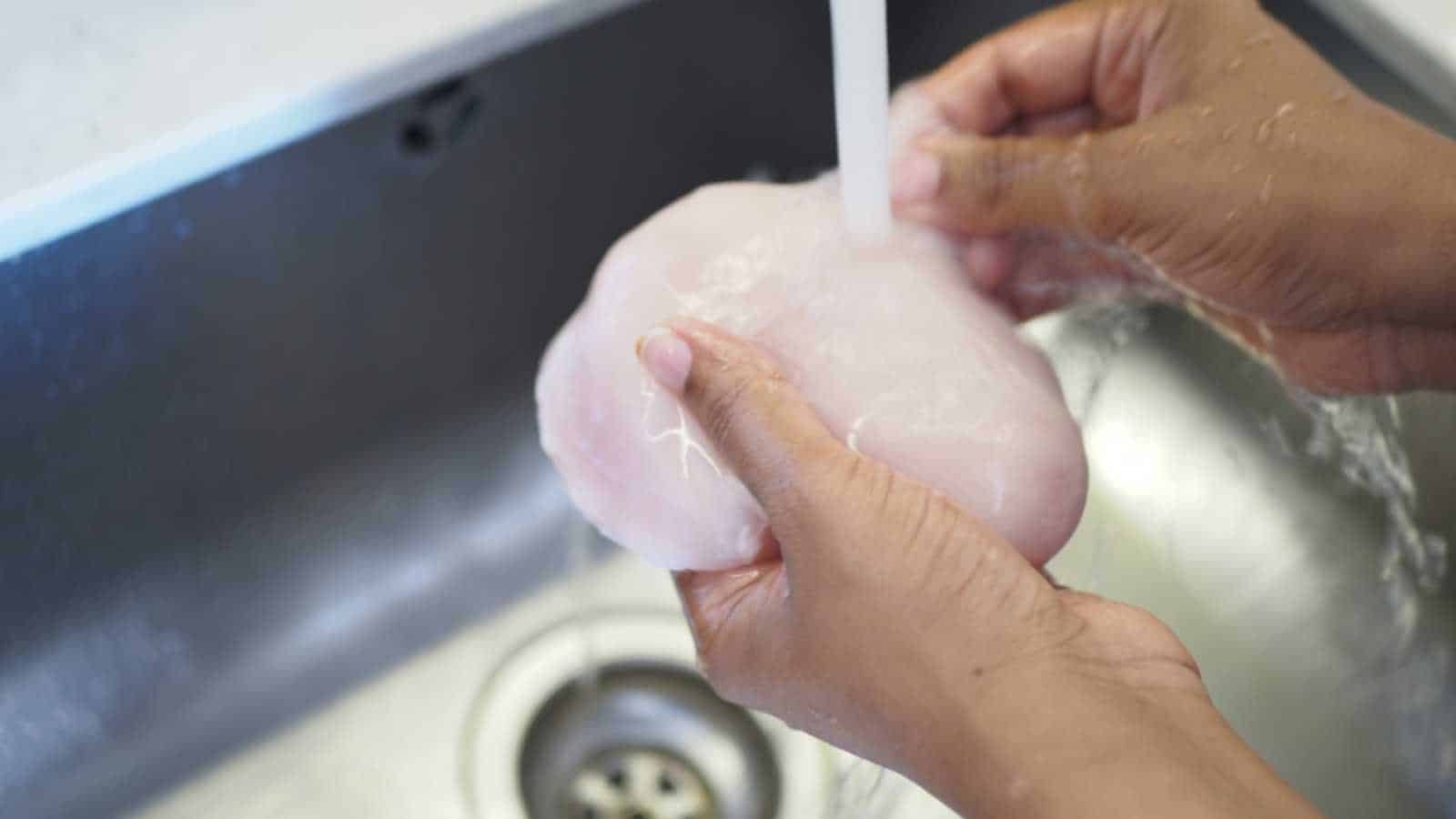
This one still causes kitchen arguments, and I get why. For many boomer cooks, rinsing chicken feels like basic cleanliness, almost like brushing your teeth before bed.
Younger cooks hear running water hit raw poultry and immediately picture bacteria doing a splash-zone concert across the sink, faucet, counter, and that poor, innocent salad bowl nearby. The USDA found that 60% of participants contaminated the inside of the sink after washing raw chicken, and 26% transferred bacteria to salad, which makes the rinse ritual look less like cleaning and more like a food safety blooper reel.
The better move sounds almost too easy: skip the rinse, cook poultry to a safe internal temperature, and clean surfaces like you mean it. USDA guidance continues to advise against washing raw poultry because water spreads germs rather than removing them. Ever notice how younger cooks love instant-read thermometers now? That tiny gadget makes more sense than turning your sink into a poultry-themed sprinkler system.
Keeping leftovers forever
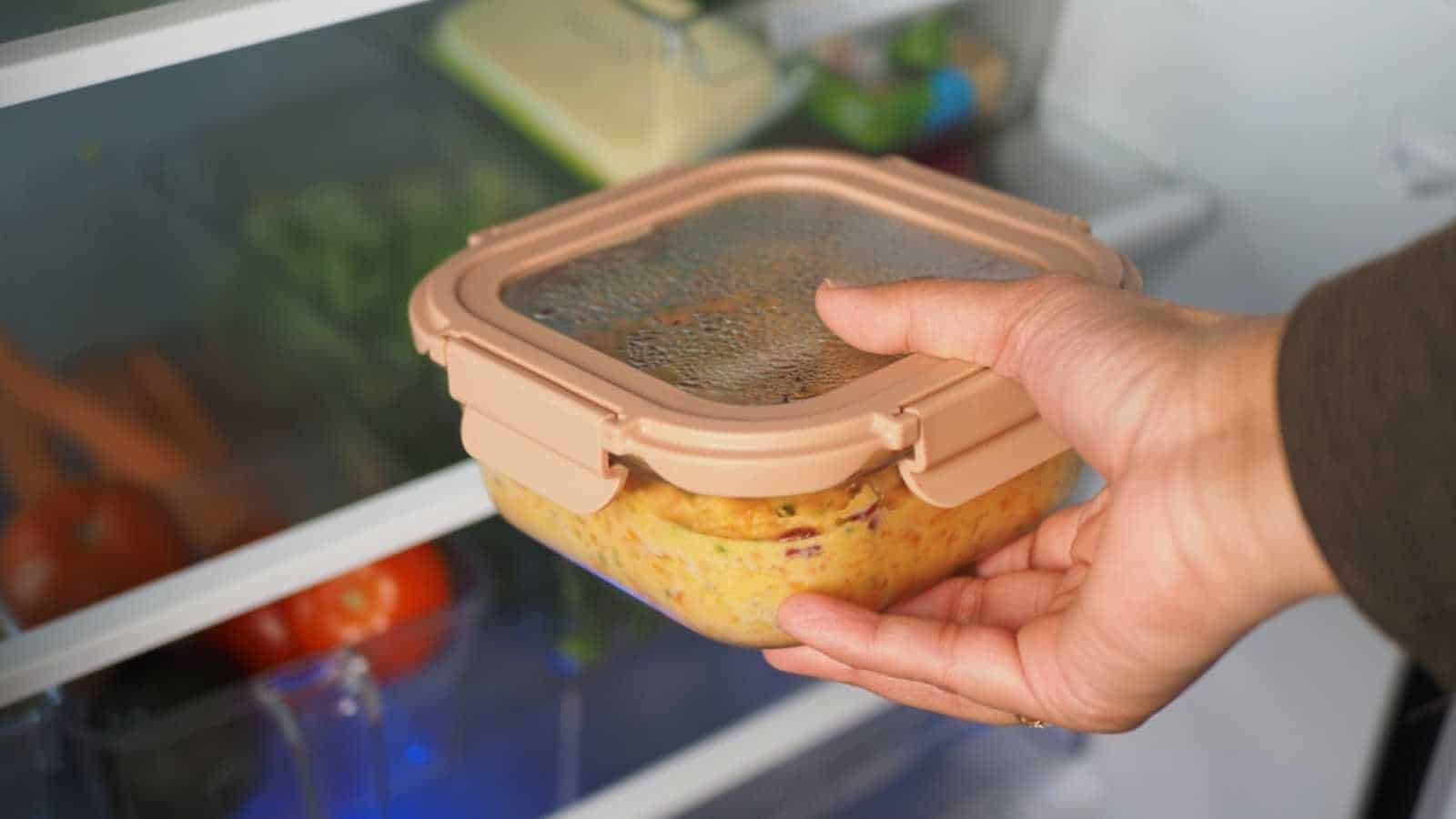
Boomer fridges can feel like tiny museums where every container has a backstory, and nobody knows the opening date. Younger cooks open one and ask the only reasonable question: “Is this food, or did it gain citizenship?”
The USDA says cooked leftovers should be refrigerated for 3 to 4 days, and the Mayo Clinic offers the same practical window before the risk of food poisoning rises. That advice hits harder when you remember the CDC’s foodborne illness estimate, because leftovers lose their charm fast when they start plotting against your stomach.
I respect the old-school “don’t waste food” mindset, especially with grocery prices still testing everyone’s patience. But younger cooks usually solve that problem with labels, freezer bags, and meal prep apps instead of sniffing week-old pasta like a detective.
The USDA’s FoodKeeper app helps people understand storage times and reduce waste, which feels more useful than asking Aunt Linda if the meatloaf “still smells okay.” Honestly, the freezer deserves more credit than the family fridge shelf of forgotten experiments.
Using margarine tubs as storage containers
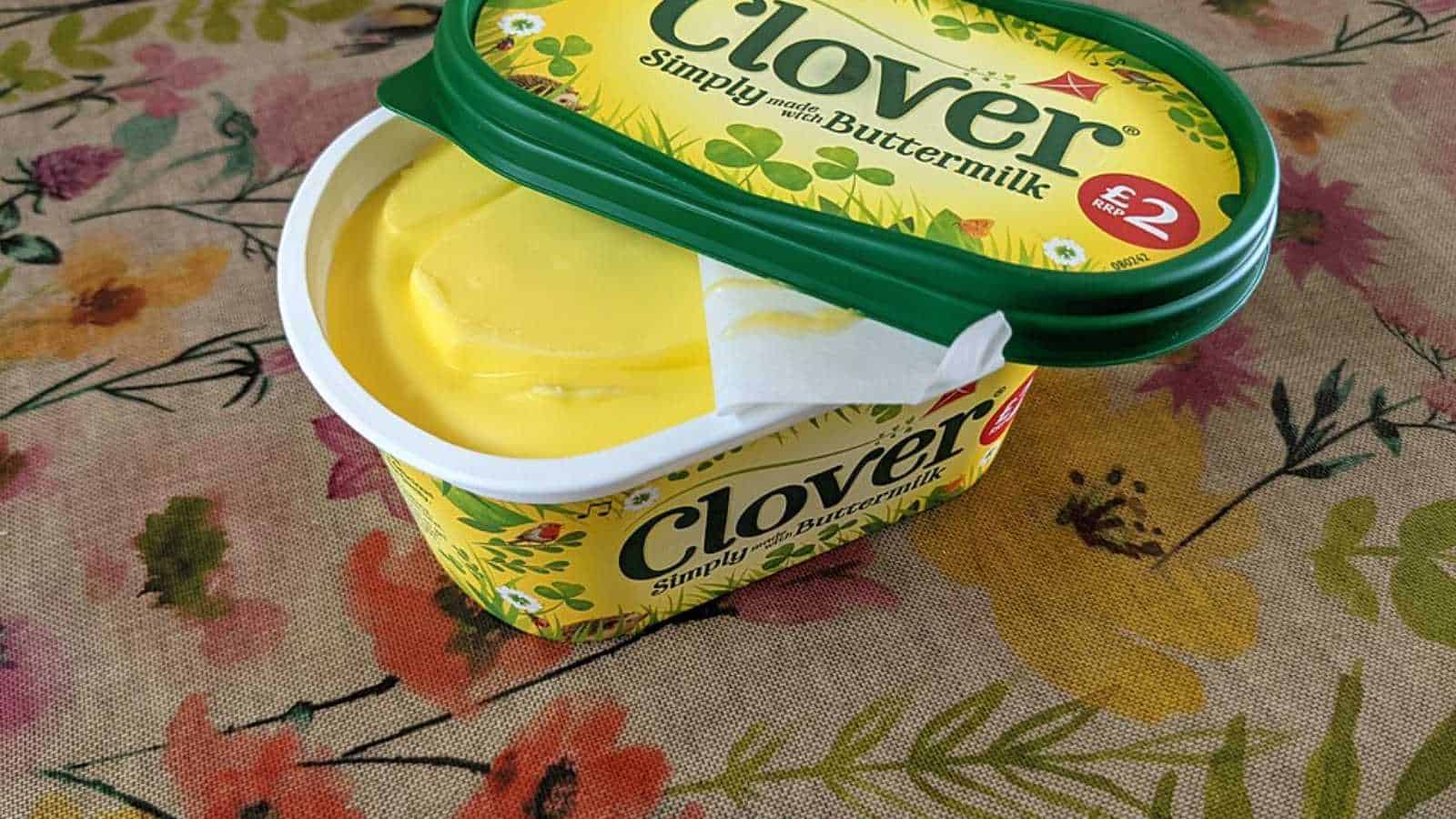
Every American kitchen has met that one “butter” tub that contains chili, mashed potatoes, or emotional betrayal. Boomers mastered this habit because it saved money, reduced waste, and gave every container a thrilling identity crisis.
Younger cooks, however, tend to side-eye old plastic tubs, especially when someone microwaves tomato sauce in one until it warps like a sad little hat. The FDA regulates food-contact materials, but container safety depends on the product’s intended use, and microwave-safe plastics require testing for those heating conditions.
This habit also clashes with the way younger cooks organize kitchens now. They want clear containers, stackable lids, visible leftovers, and fewer fridge surprises that require courtroom-level investigation. If a tub lacks a microwave-safe label, glass or ceramic is safer for reheating, especially with oily or acidic foods.
Reusing containers still works for dry snacks, rubber bands, or tiny packets of soy sauce, but using them as a forever food storage? That’s where the chaos enters, wearing a Country Crock lid.
Boiling vegetables into mush
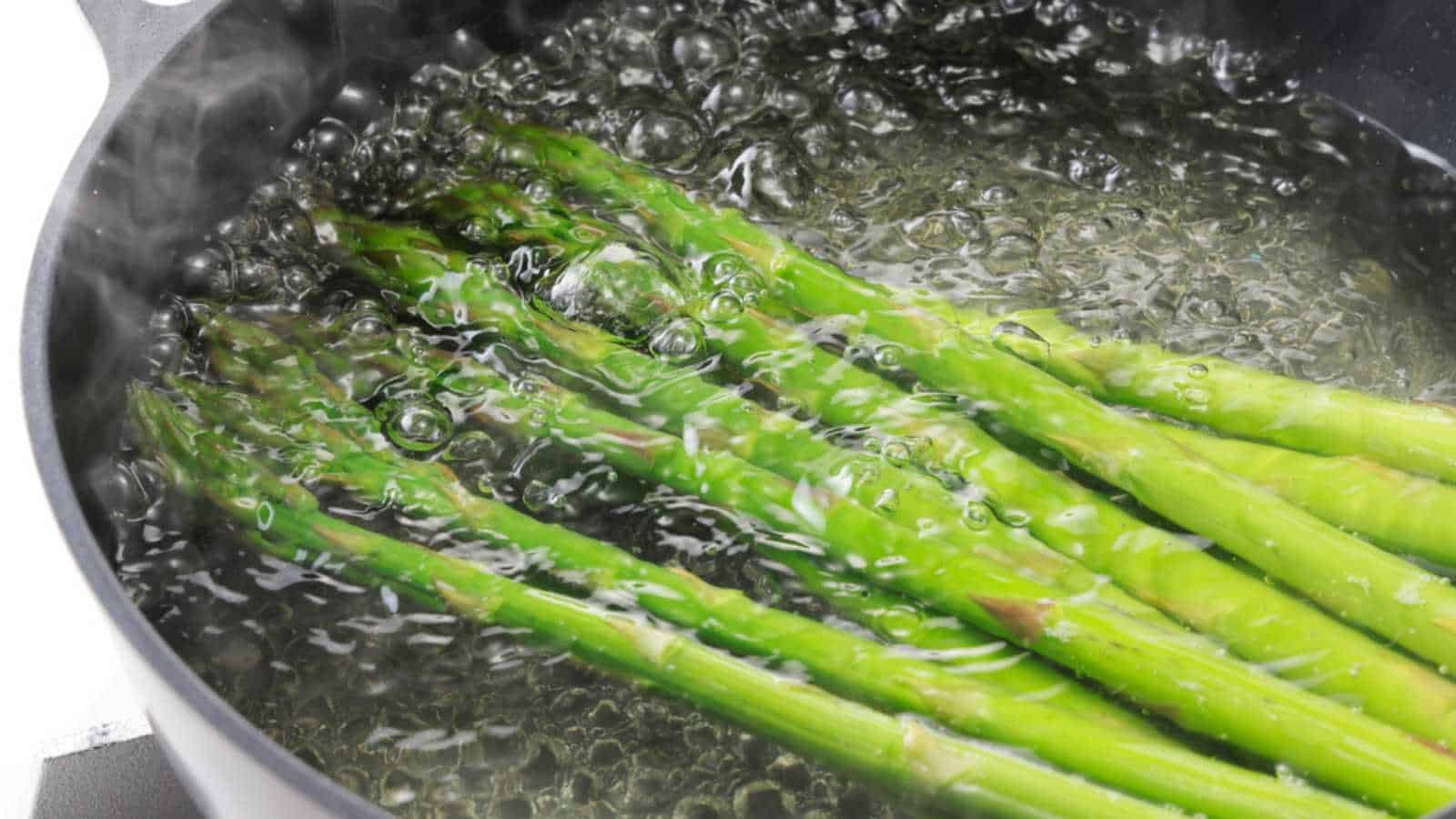
Some boomer kitchens treated vegetables like they owed someone money. Green beans simmered until they turned army green, broccoli surrendered, and carrots came out soft enough to require no teeth, which sounds convenient but also deeply tragic.
Younger cooks grew up with roasting, air frying, steaming, and quick sautéing, so they expect vegetables to keep their texture, color, and actual personality. Food trends also support that shift, since 2026 trend reports point to healthful foods, global flavors, and “quality counts” thinking, which favors brighter, fresher preparation over vegetable punishment.
I’ll admit it: I used to think roasted Brussels sprouts tasted fancy until I realized the secret ingredient was simply “not boiling them to death.” Younger cooks want char, crunch, spice, citrus, and sauces that bring vegetables into the main event.
That doesn’t mean old-school cooking has no place, because slow-cooked greens and stewed vegetables can taste amazing. But if every vegetable leaves the pot looking exhausted, maybe the pot needs a timeout.
Pre-rinse every dish before putting it in the dishwasher
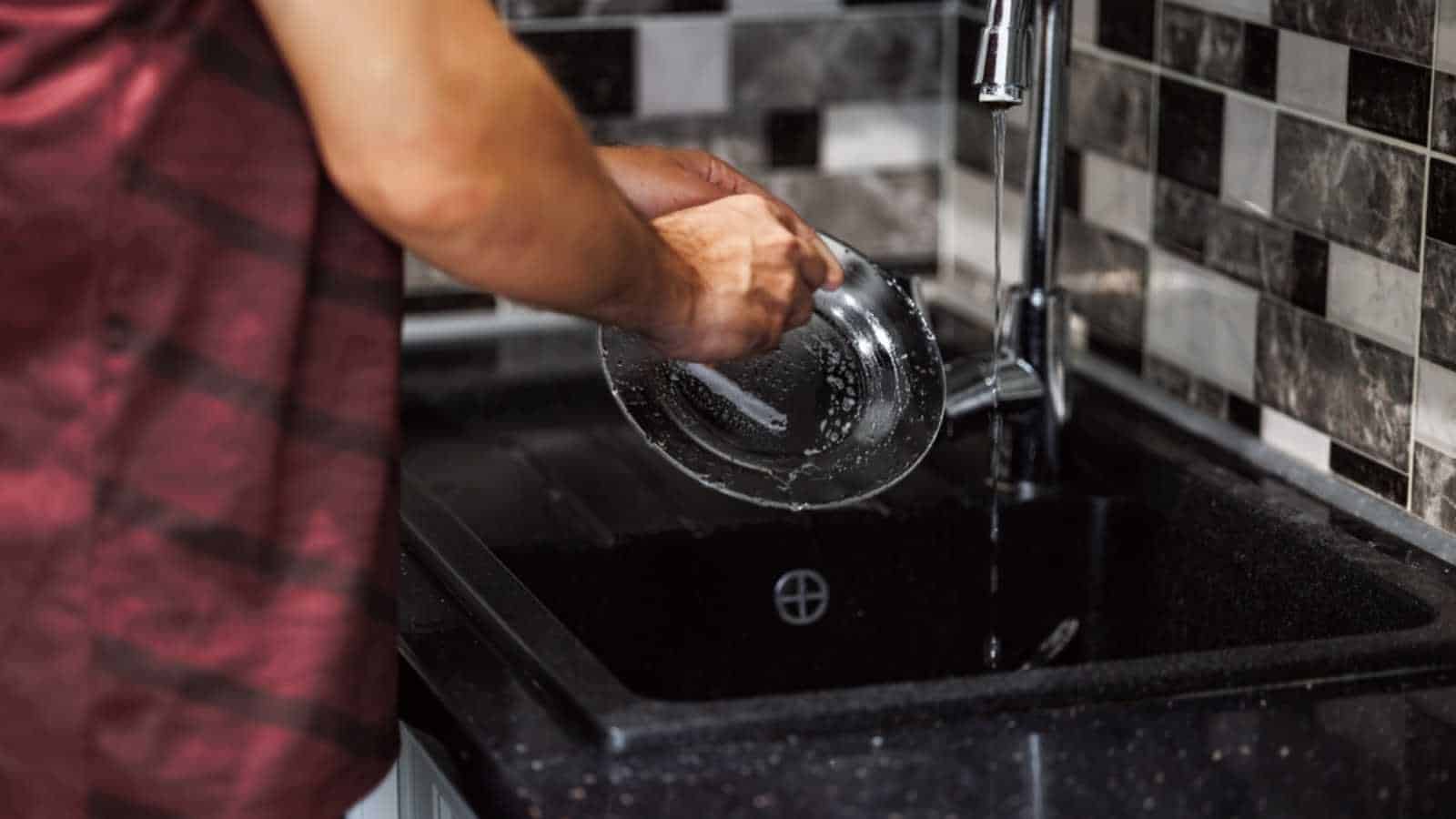
This habit feels responsible, but modern dishwashers quietly disagree. Many boomer cooks rinse plates until they look ready for surgery, then load them into a machine whose entire job description says “wash dishes.”
Younger cooks see that and ask, fairly, why the dishwasher needs a pre-washed dish and emotional support. ENERGY STAR says a certified dishwasher uses less than half the energy of hand washing and can save thousands of gallons of water, so the old rinse-first routine can waste both time and water.
The smarter habit: scrape food into the trash or compost, then let the machine work. Modern dishwashers use sensors, detergents, hot water, and spray patterns that are designed to handle some food residue.
Isn’t it funny how people trust a phone to manage their bank account but refuse to trust a dishwasher with marinara? Younger cooks don’t hate clean plates; they just refuse to perform a full pre-wash ceremony before pressing Start.
Saving every scrap of grease
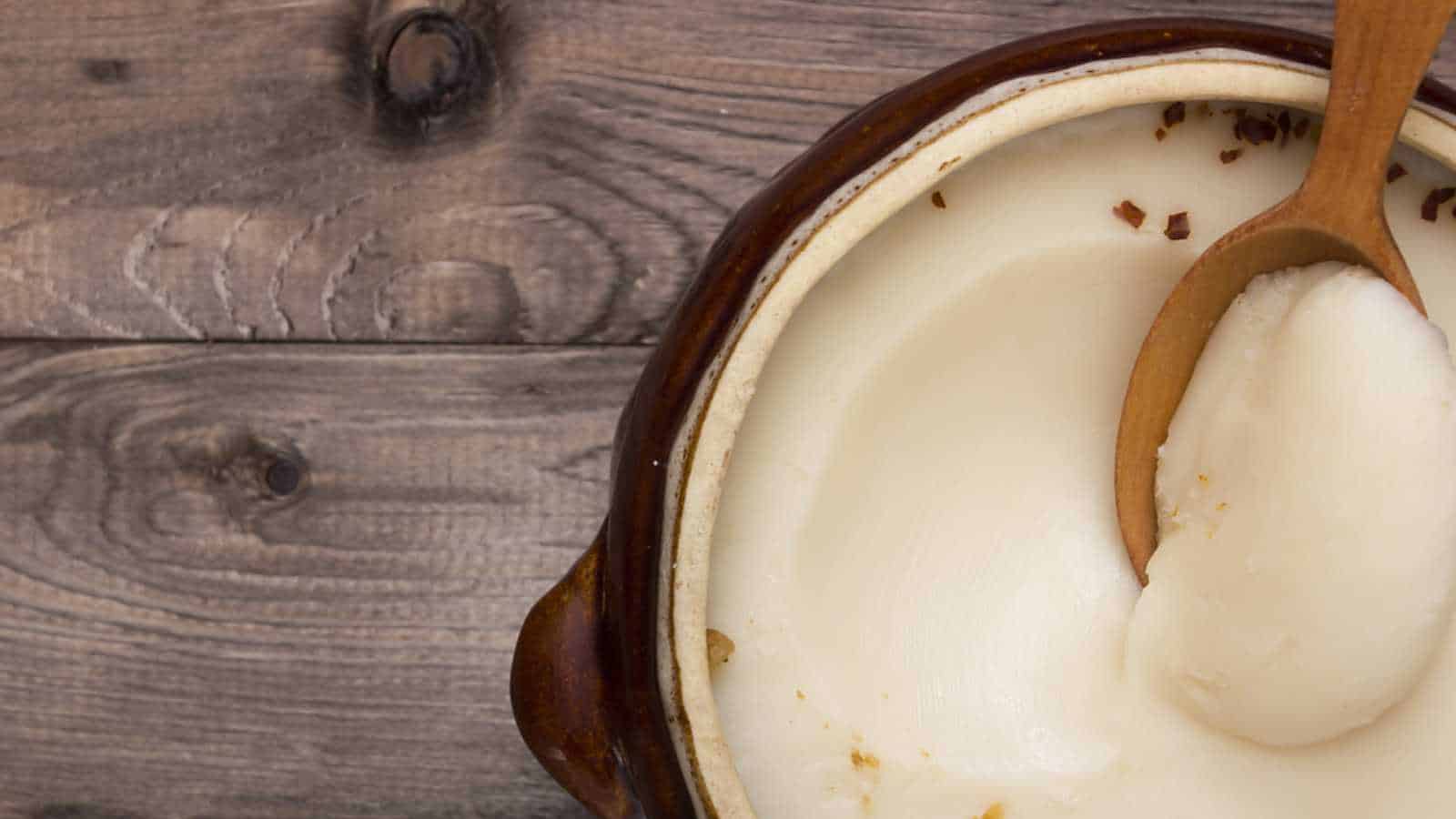
A jar of bacon grease near the stove can look nostalgic, practical, and slightly alarming at the same time. Boomer cooks often saved drippings because fat added flavor, stretched ingredients, and gave potatoes the kind of personality plain oil could never deliver.
Younger cooks understand the flavor argument, but they also ask about storage, freshness, smoke points, and why the jar looks older than the microwave. Food waste matters, since the USDA estimates that the U.S. wastes 30% to 40% of its food supply, but saving every greasy spoonful still needs some common sense.
The modern upgrade keeps the flavor and drops the mystery. Strain the grease, refrigerate it in a clean labeled jar, use it soon, and toss it when it smells off.
Younger cooks also reach for olive oil, avocado oil, butter, ghee, or small-batch cooking fats because they like control and fewer “what year did we make this?” moments. Bacon grease can earn its place, but it should not live beside the stove like a family heirloom with no expiration date.
Thawing meat on the counter
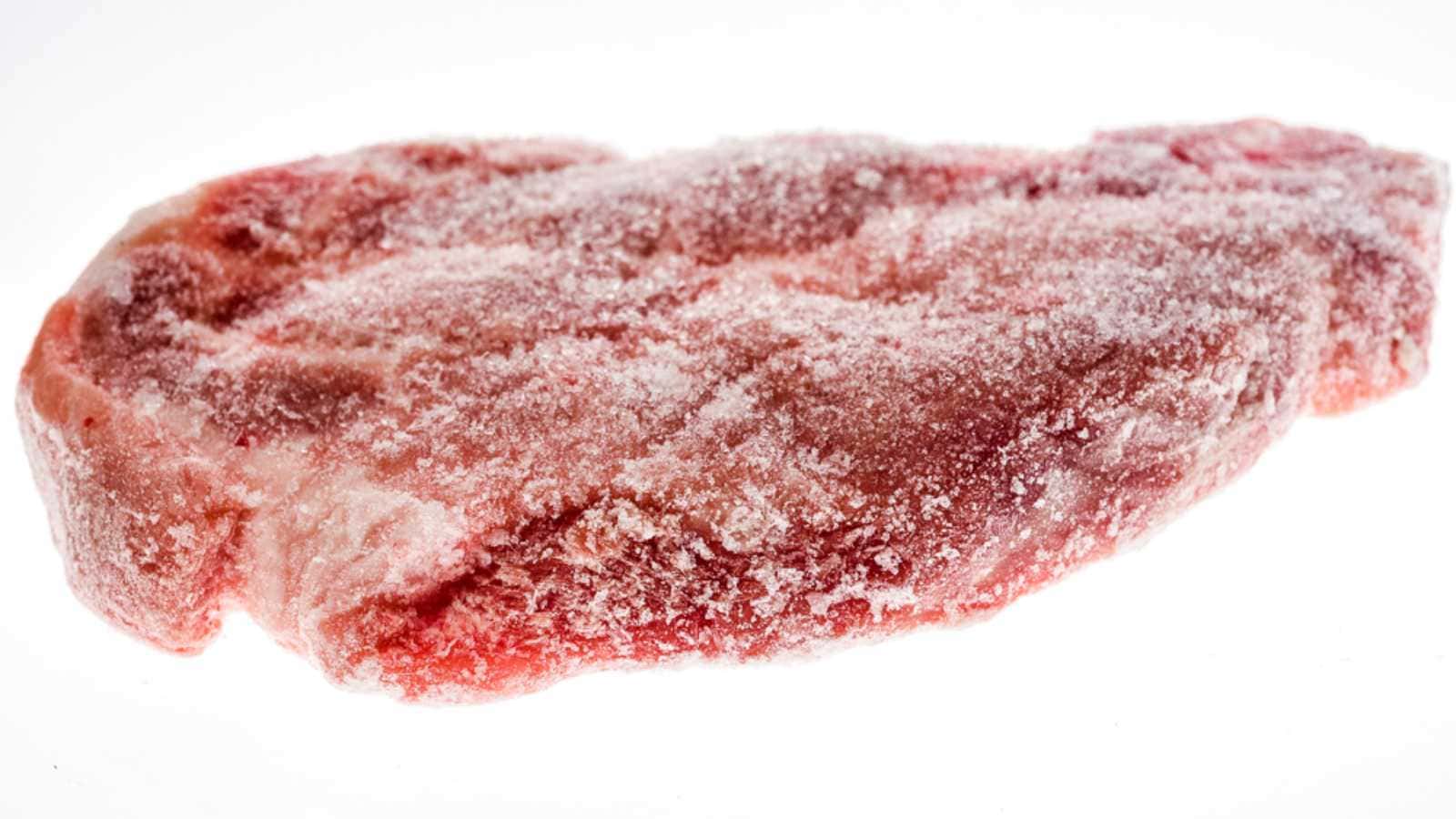
Counter thawing feels harmless until you remember how fast bacteria love warm rooms. Boomer cooks often learned this habit from parents who pulled meat out after breakfast and cooked it at dinner, and nobody questioned it because the roast usually survived the day.
Younger cooks, however, hear “raw meat on the counter for six hours” and start mentally drafting a CDC warning label. USDA calls the range between 40°F and 140°F the “Danger Zone” and says bacteria can double in as little as 20 minutes in that temperature range.
The safer options fit modern life better anyway. Thaw meat in the refrigerator, use cold water with regular changes, or use the microwave when you plan to cook immediately.
The FDA also tells consumers to refrigerate perishables within 2 hours, or within 1 hour when temperatures rise above 90°F. So yes, the counter looks convenient, but the fridge looks smarter, and younger cooks love anything that avoids turning dinner into a biology lesson.
Trusting smell over dates
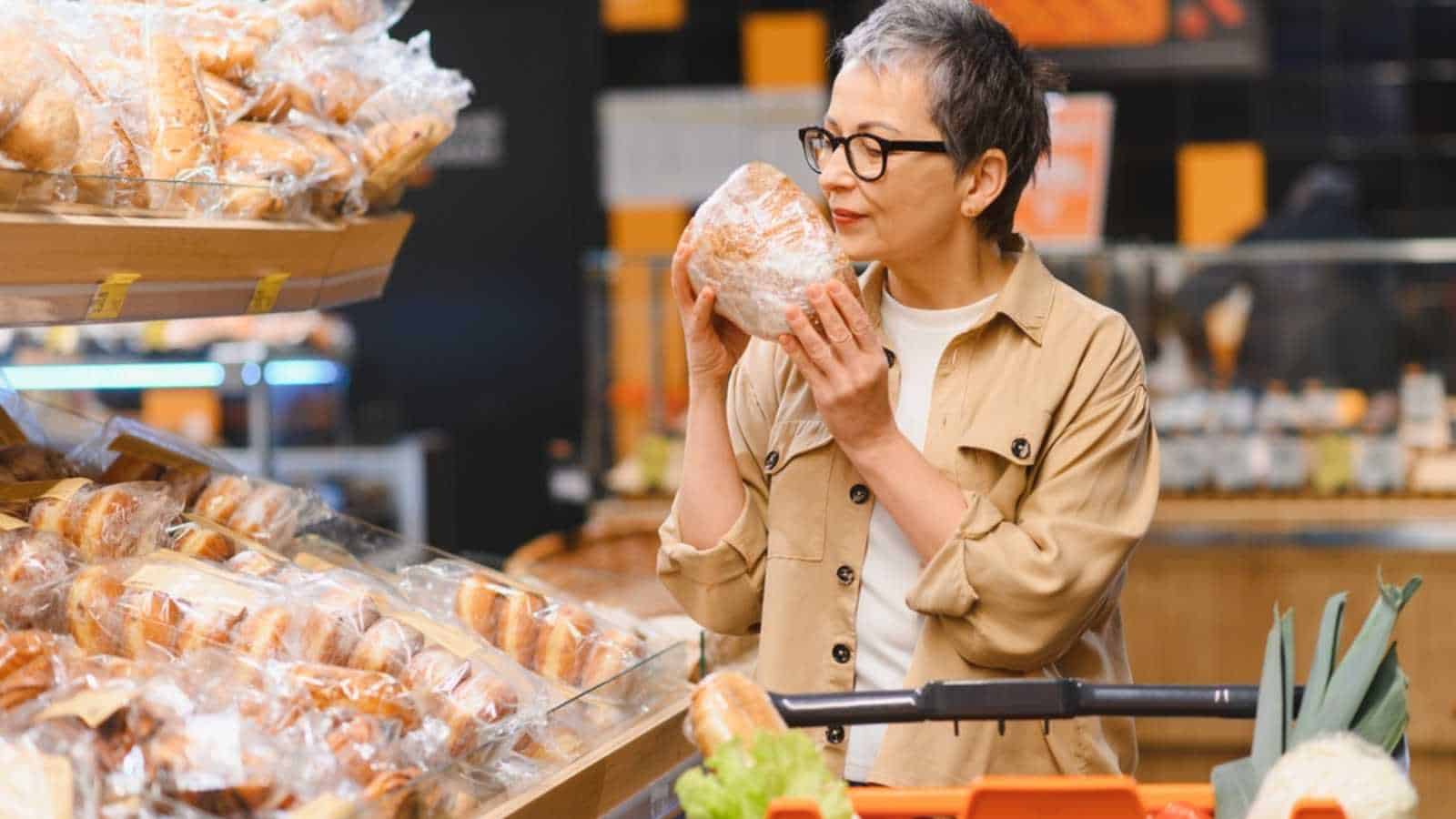
The old sniff test has a legendary reputation, but it has limits. Boomer cooks often trust their nose because they learned to judge food through experience, not apps, labels, or storage charts.
Younger cooks still smell food, of course, but they also know some germs don’t politely announce themselves with a rotten odor. The FDA warns people to watch for spoiled food and to throw out anything suspicious, but food safety agencies still push time-and-temperature rules because smell alone can miss trouble.
This one gets tricky because younger cooks also hate wasting food, especially with grocery bills acting like luxury subscriptions. The practical middle ground uses dates, labels, fridge thermometers, and storage guidance instead of one dramatic sniff over the sink.
The FDA says refrigerators should stay at 40°F or below, and freezers should stay at 0°F, which gives leftovers a safer home. Your nose can join the committee, but it should not run the whole kitchen like a tiny, unpaid inspector.
Cooking everything well done

Some boomer kitchens cooked meat until every possible risk, juice, and dream left the building. I understand the instinct because nobody wants undercooked poultry or a risky burger, but younger cooks now separate safety from overcooking.
A thermometer does that job better than fear, vibes, or cutting every pork chop open until it resembles a flip phone. Food safety agencies emphasize minimum internal temperatures, and younger cooks use thermometers to ensure food is safe and still tastes good.
This habit also shows how kitchen confidence has changed. Older cooks often relied on color, firmness, and family rules, while younger cooks look up temperature charts in three seconds and move on.
Ever watch someone cook chicken until it squeaks? That sound alone deserves legal representation. Safe cooking matters, but dry meat should not count as a personality trait.
Leaving pots unattended on the stove
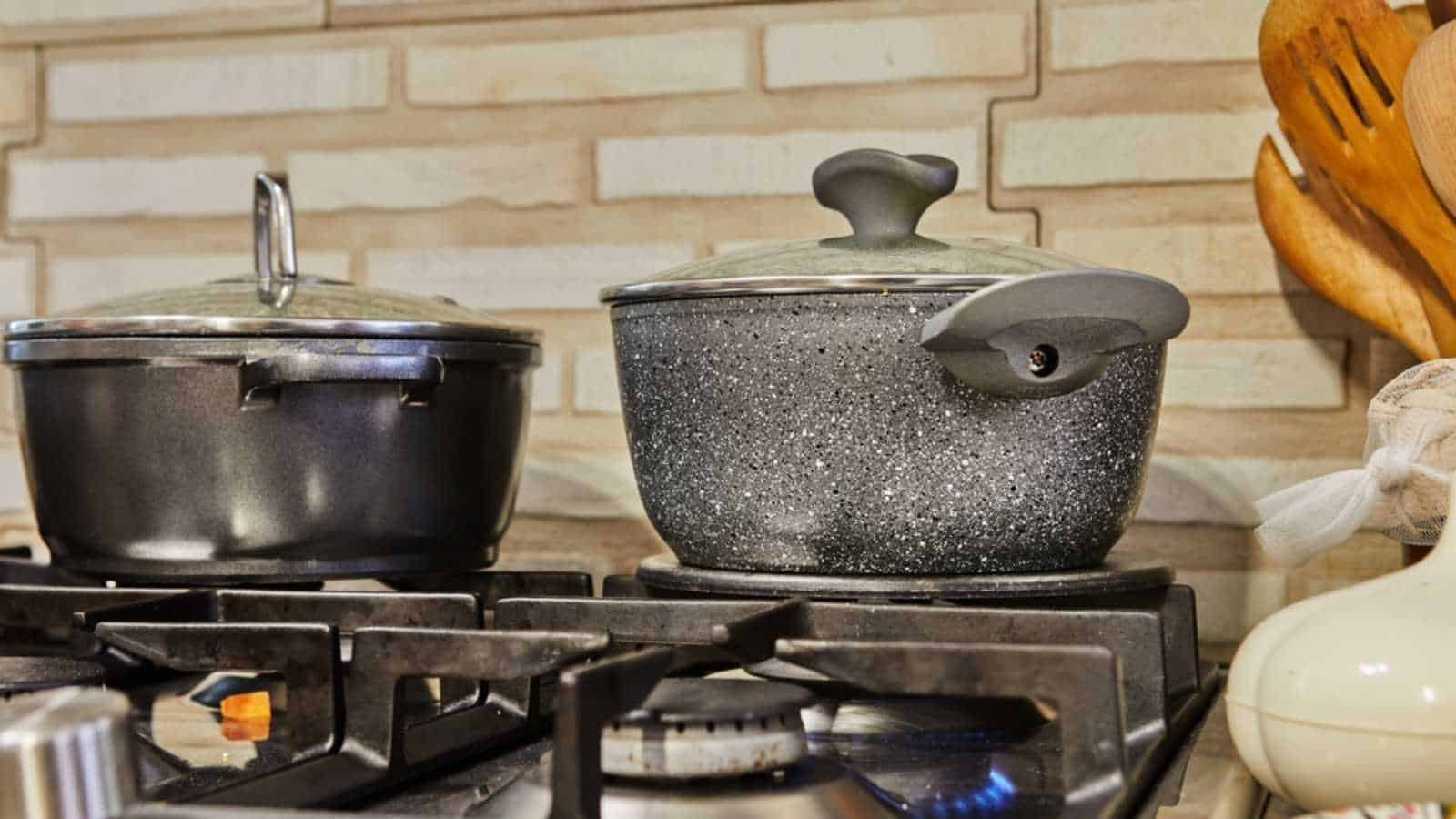
This habit creates the kind of kitchen drama nobody needs. Boomer multitasking can look heroic: sauce bubbling, laundry spinning, phone ringing, grandkid asking for juice, and one lonely skillet living dangerously on the burner.
Younger cooks, raised on smoke alarms and renters’ insurance anxiety, usually hover more closely over their food or set timers on every device they own. NFPA reports that cooking remains a leading cause of reported home fires, and recent NFPA data for 2020 to 2024 ties cooking equipment to a large share of home structure fires.
The fix feels boring, which usually means it works. Stay near the stove, turn pot handles inward, keep towels away from burners, and set timers that scream before trouble starts.
This does not mean younger cooks never burn anything, because we have all met the tragic grilled cheese. But leaving hot oil unattended so you can “quickly check something” in another room? That phrase has strong last-scene-before-the-smoke-alarm energy.
Treating recipes like legal documents
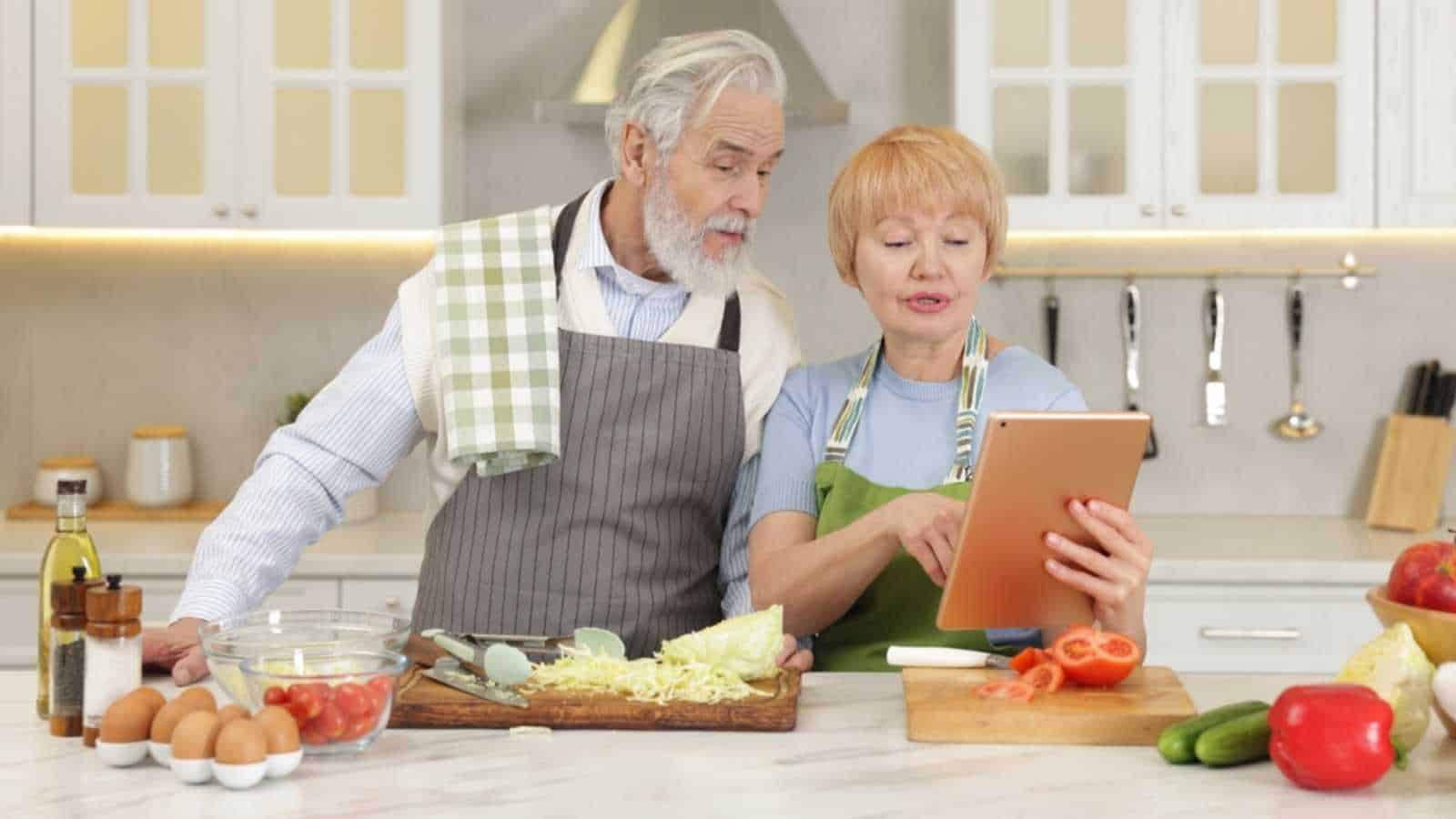
Boomer cooks often follow recipes as if the family honor depends on exact measurements. Younger cooks tend to riff, swap, taste, scroll, substitute, and ask, “What happens if I add chili crisp?” That shift makes sense because food inspiration now moves through social media, short videos, global flavors, and weeknight convenience.
FMI found that only 52% of Gen Z cooks at home at least four times a week, compared with 62% of shoppers overall. Yet 87% of Gen Z still cook at least once a week, so younger cooks do cook, but they often cook differently.
The recipe-card loyalty has charm, especially when a handwritten note says “add more garlic” in somebody’s aunt’s handwriting. But younger cooks like flexible recipes because real kitchens contain missing ingredients, budget limits, dietary needs, and exactly one sad onion.
Circana also notes that Gen Z wants quick dinners and skill-building at the same time, which explains the rise of shortcuts, hacks, and “use what you have” meals. The best kitchen habit may lie between the two worlds: respect the recipe, then taste the food as a person with free will.
Key takeaway

Boomer kitchen habits usually came from thrift, experience, family routines, and a deep belief that every container deserves another life. Younger cooks bring thermometers, food-safety charts, air fryers, dishwashers, social-media recipes, and a healthy fear of fridge archaeology. Both sides bring something useful to the counter.
The best move doesn’t require trashing old habits just because they came from another generation. Keep the warmth, the resourcefulness, and the family recipes, then update the risky parts with better tools and better information. And please, for everyone’s sake, label the leftovers before the fridge turns into a mystery novel.
Disclaimer: This list is solely the author’s opinion based on research and publicly available information. It is not intended to be professional advice.
Like our content? Be sure to follow us.