Are Modern Expectations Destroying Heterosexual Relationships?
In a 2022 study published by the Russell Sage Foundation, researchers explored how prime-age men navigate their roles as romantic partners when traditional markers of masculinity, particularly the ability to provide financially, are disrupted.
The study found that men who were unemployed, underemployed, or disconnected from the formal labor market often felt a deep sense of inadequacy, even when they contributed in other ways, such as informal work, household tasks, or emotional support.
Traditional gender norms still carry enormous weight: a man’s identity and perceived value in a heterosexual relationship, and are often tied to his ability to provide materially. Gender roles are highly compromised in modern egalitarian culture, and that seems to be the source of the matter.
Emotional Labor Mismatch

The unequal burden of emotional work remains a relational landmine. Women are often tasked with managing the domestic, social, and psychological temperature of the partnership. Many recent studies on the division of labor (such as one from the MDPI journal) emphasize that women continue to shoulder the majority of housework and relational labor despite their increased participation in the labor market, confirming the systemic inequality.
Silent, invisible workload leads to chronic resentment, manifesting as quiet withdrawal or sudden, unexpected outbursts of “female rage.” Conversely, men, often socialized to prioritize stoicism, meet these emotional demands with defensive detachment.
Double Standard: Provisioning vs. Partnership
Many women today seek both financial parity and traditional male provision. This contradictory demand confuses the core relational dynamic for both genders.
A Pew Research Center survey found that, among U.S. adults overall, 71% considered “Having a job or career they enjoy” extremely or very important for living a fulfilling life, topping the list. This high prioritization of one’s own career suggests they would naturally seek a partner who respects or shares that focus.
Men’s Fear of Therapy
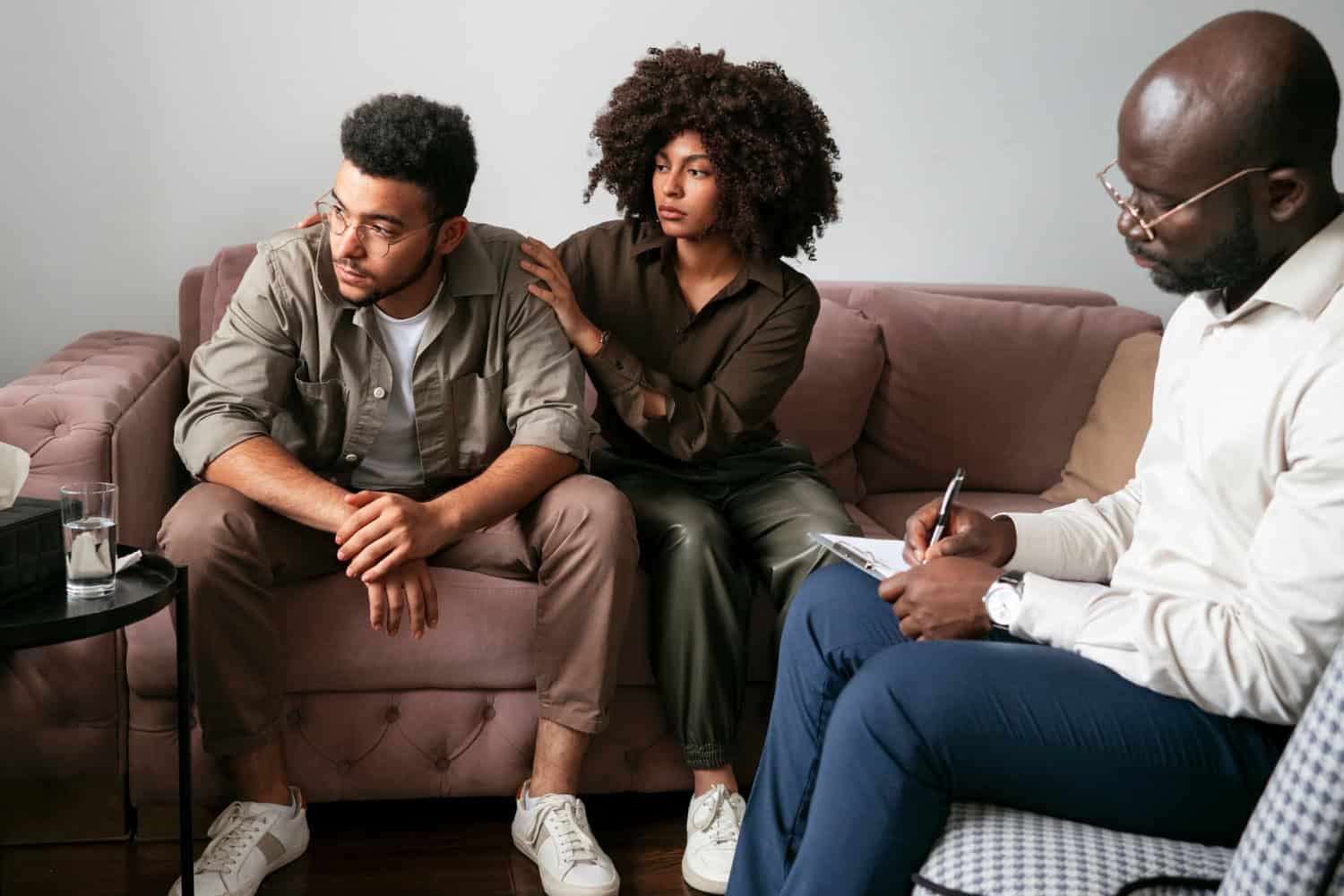
According to the National Institute of Mental Health, men are 30% less likely to seek mental health support than women, often because they fear being pathologized or attacked in a vulnerability-focused setting.
This reluctance directly hinders the development of the emotional depth women now demand in a partnership. The resulting intimacy lag means men cannot meet their partners at the level of self-awareness required for modern love.
Intimacy Gap
Male sexual socialization frequently centers on performance, achievement, and dominance, leaving many men unprepared for genuine emotional intimacy. For some, the only accessible route to a woman’s vulnerability—her “inner world”—is through sexual conquest or physical intimacy. This creates a painful gap where sex substitutes for true connection, becoming transactional rather than bonding.
Dr. Ian Kerner, a therapist specializing in sex and relationships, often insinuates that many male patients “equate sexual performance with relational success,” missing the deeper spiritual and emotional investment their partners want. This conflation ensures that emotional security remains an afterthought.
Sexual Shame as a Social Control System
Widespread sexual shame, fueled by cultural norms and rigid moral judgment, stunts honest expression and poisons modern relationships. Fear of being labeled, judged, or rejected suppresses the authentic sexual selves of both partners.
This suppressed expression often leads to a “hollow intimacy,” where sex is technically fine but spiritually disconnected.
Ego Armor Crisis

According to psychologist Dr. Robert Glover, the reliance on ego-driven validation means men prioritize feeling superior or successful over feeling connected or understood. This brittle self-image makes them incapable of seeing the nuanced complexity of their partner, leading to frequent misunderstandings and unmet needs.
Validation
The theory that some men pursue partners for external status, rather than deep emotional alignment, is surprisingly common. Relationships become a form of social currency or external validation from peers or family.
When external validation drives a relationship, emotional authenticity gets sacrificed on the altar of public appearance. This leads to partnerships that look perfect but feel hollow.
Trauma Loop
Unprocessed, intergenerational trauma in both genders is silently recreating dysfunction in modern relationships. For many women, this manifests as deep-seated fears of abandonment or insecurity. For many men, it emerges as ingrained emotional neglect or a fear of engulfment.
Therapist Dr. Nicole LePera highlights that our unhealed wounds are often the magnetic force that draws us to similarly wounded partners. These patterns, like female overfunctioning and male avoidance, are predictive scripts for failure. The unhealed self demands an unrealistic, trauma-free partner, making relational success almost impossible.
Death of Authentic Expression
The pervasive fear of being deemed “too much”—too needy, too loud, too complex, too sexual—suppresses authentic expression in modern partnerships. People feel they must perform a carefully curated, agreeable version of themselves to avoid judgment or rejection.
This constant self-editing breeds a deep, slow-burning resentment that inevitably erupts into conflict or emotional distance.
Scarcity Culture and Touch Deprivation
Modern society has created an emotionally and physically starved populace, leading to an insidious scarcity culture in relationships. Many adults are under-loved, under-touched, and frequently mistake sex for genuine affection or intimacy.
Starvation drives transactional, shallow partnerships where high expectations mask basic, unmet needs for safety and warmth. When the bar is set at soulmate level, but the need is for basic affection, failure is the default.
Key Takeaways:
- Emotional Dissonance: The primary crisis is the mismatch between a woman’s demand for high emotional literacy and a man’s cultural struggle to access it.
- Contradictory Standards: Women often expect both perfect equality and traditional financial provision, creating an impossible standard for partners.
- The Shame Wall: Cultural shame, especially around men’s vulnerability and both genders’ sexuality, is the biggest blocker to authentic intimacy.
- Trauma Trumps Expectations: Unhealed personal wounds in both partners subconsciously dictate relationship dysfunction, regardless of modern ideals.
- Prioritize Presence: Lower performative expectations and prioritize genuine, unedited presence over status or curated perfection.
Disclosure line: This article was developed with the assistance of AI and was subsequently reviewed, revised, and approved by our editorial team.
Weight Loss Journal Ideas- How To Use Bullet Journaling To Lose Weight
Weight Loss Journal Ideas- How To Use Bullet Journaling To Lose Weight
Your weight loss journal doesn’t have to be anything fancy. You can start by just using a notebook and a pen. But if you want something a little more organized, you can use bullet point templates specifically designed for weight loss journals. Bullet journals are so hot right now!
You can use them to organize everything in your life, not just weight loss. But they’re perfect for weight loss because you can use them to track your progress and keep yourself accountable.