13 everyday 70s school supplies that would get you expelled today
Do you remember when school felt less like a medium-security facility and more like a chemistry experiment gone wrong? The 1970s school day was a lawless wonderland where we carried pocket knives for utility, inhaled solvent fumes in art class, and settled playground disputes with heavy metal lunchboxes. Today, the script has flipped entirely.
Thanks to the Gun-Free Schools Act of 1994 and the resulting “Zero Tolerance” policies, items that were once mundane essentials are now grounds for immediate expulsion. Recent data from Gallup (2024) reveals that more than 40% of American parents now fear for their child’s physical safety at school—a staggering shift from the free-range 70s mindset. This anxiety has birthed a disciplinary crackdown; according to the Department of Education, school suspensions skyrocketed from 1.7 million in 1974 to over 3.1 million by 2000, ensnaring countless kids for minor infractions.
With 93% of public schools now using security cameras to monitor every move, we’ve swapped “boys will be boys” for a legalistic landscape where intent is irrelevant. Let’s take a walk down memory lane and look at the 13 items that would get you expelled—or handcuffed—today. Let’s take a walk down memory lane and look at the gear that would get you handcuffed today.
The trusty pocket knife

In the 70s, a pocket knife wasn’t a weapon; it was a toolbox in your pocket. You used your “Old Timer” to sharpen pencils, cut an apple, or whittle a stick during recess. IMO, it was a rite of passage. Today, bringing a blade of any size is a one-way ticket to expulsion. Zero-tolerance policies strip administrators of discretion, meaning a 3-inch blade forgotten in a purse carries the same penalty as a switchblade.
Just ask Alyssa Drescher, a Minnesota honor student expelled for a forgotten pocket knife she used for farm chores. While the Minnesota Supreme Court eventually ruled in her favor, noting she didn’t “willfully” violate the policy, the district fought tooth and nail to keep her out. Statistics show that suspension rates for “weapons possession” often entrap students for these minor, non-violent infractions, contributing heavily to the school-to-prison pipeline.
Solvent-based rubber cement
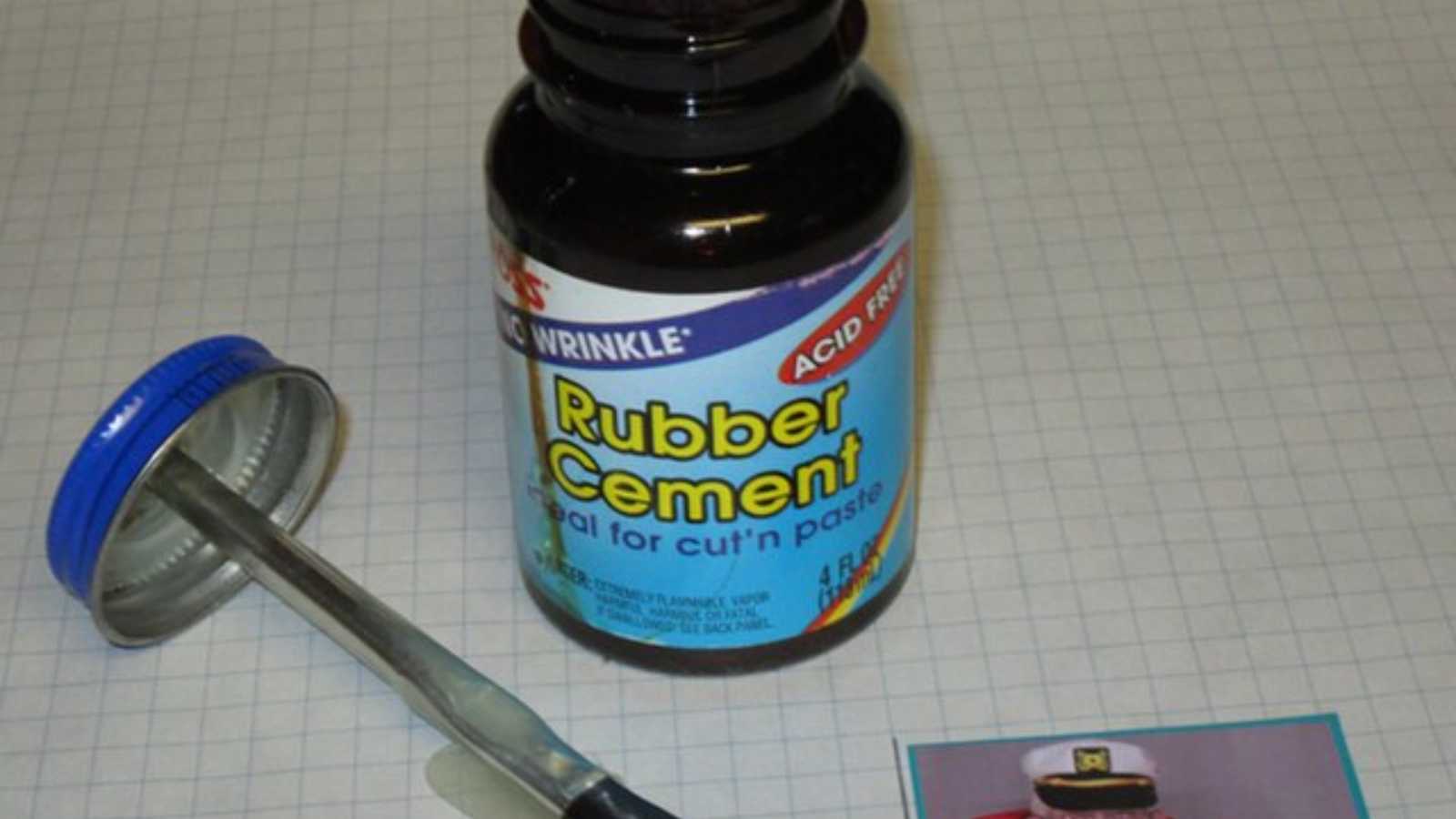
Ah, the smell of art class—literally. We loved rolling that goop into little rubber balls, but we didn’t realize we were inhaling n-hexane, a potent neurotoxin. In the 70s, you could buy a gallon of this stuff. We slathered it on everything.
Today, bringing a vintage bottle of solvent-based rubber cement to school violates substance abuse policies regarding volatile inhalants. Modern safety data sheets confirm that n-hexane exposure can cause peripheral neuropathy and central nervous system depression. Schools now use non-toxic, water-based glues because they treat solvent-based adhesives as potential inhalant abuse, or “huffing,” which is an expellable offense under many district drug policies.
Heavy metal lunchboxes
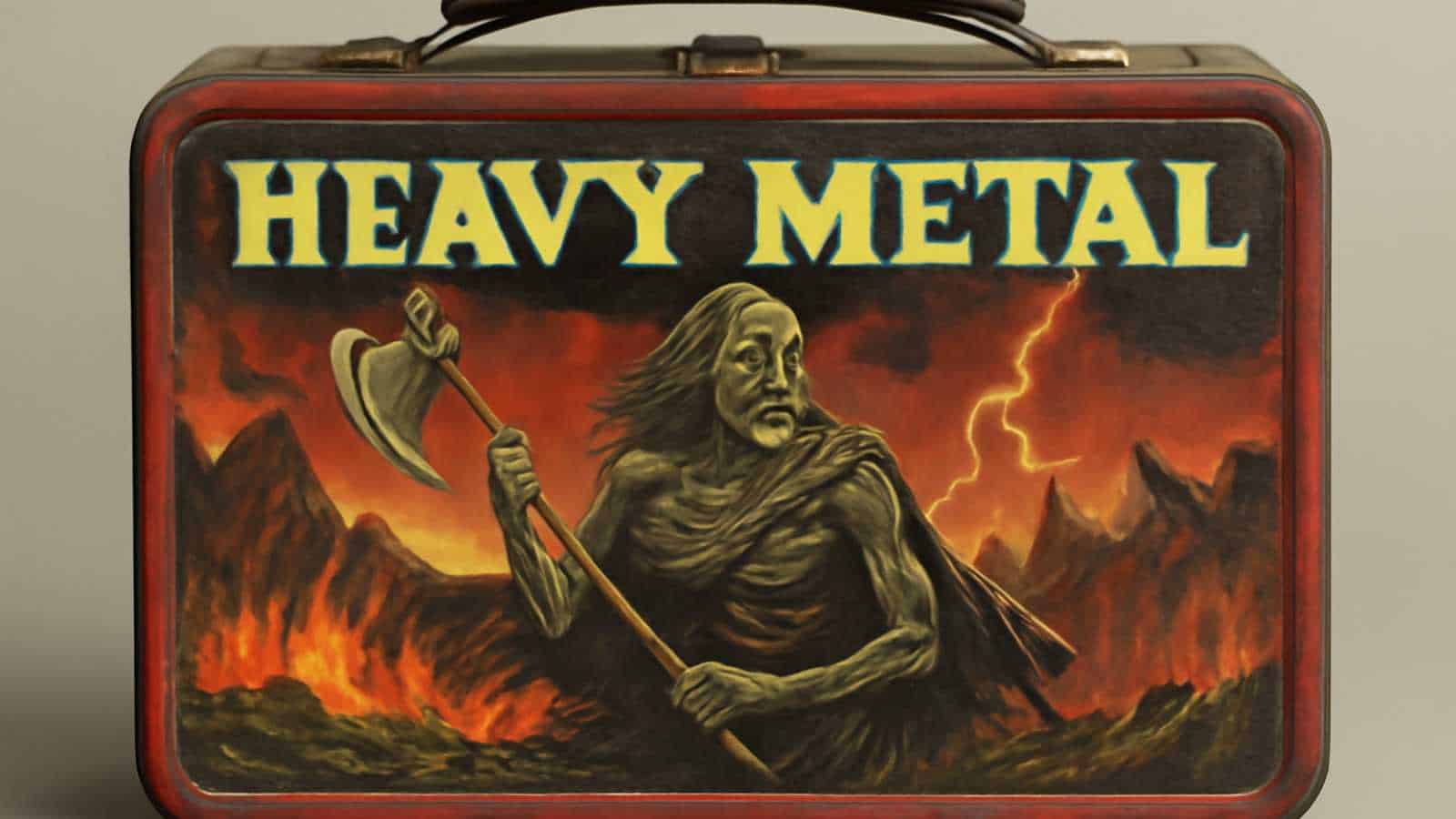
Before they were retro collectibles, these steel fortresses protected our bologna sandwiches. But they had a dark side. In 1972, a group of parents in Florida successfully lobbied to ban metal lunchboxes, arguing that children used them as blunt-force weapons in playground fights.
Manufacturers produced over 120 million of these steel boxes between 1950 and 1970, but the “safety” shift pushed the market toward plastic and vinyl. If you walked into a school today swinging a vintage 1970s steel lunchbox, you might not get expelled immediately, but use it in a scuffle? You just committed assault with a weapon. Fun fact: The Rambo lunchbox, produced in 1985, was the last mass-produced steel lunchbox, fittingly marking the end of an era with a symbol of combat.
The radioactive chemistry set
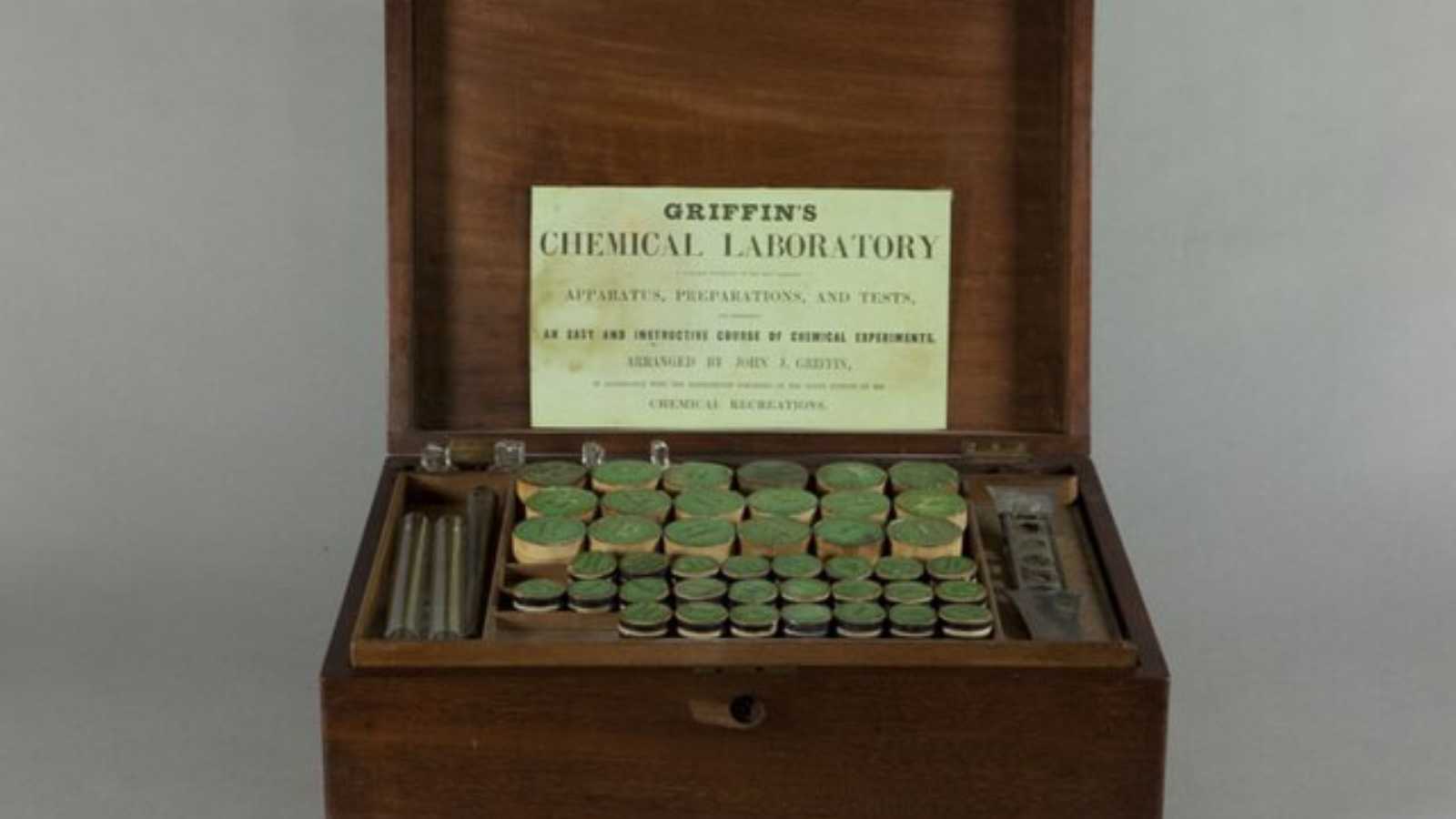
We didn’t just learn science; we handled the building blocks of the universe, including the dangerous ones. 70s chemistry sets often contained chemicals like copper sulfate (poisonous), sodium ferrocyanide, and sometimes even low-level radioactive ore samples for cloud chambers. We heated test tubes over alcohol lamps with zero supervision.
Try bringing a vial of mercury or radioactive ore to a science fair today. You would trigger a HAZMAT response. Modern safety regulations have sanitized science kits, leaving them basically baking soda and vinegar. Real chemicals pose a liability nightmare that modern schools simply won’t touch.
Candy cigarettes

You felt so cool “puffing” on these chalky sugar sticks, mimicking the adults who smoked everywhere. We bought them at the corner store and flashed them on the playground. They normalized smoking for an entire generation, which is precisely why they are persona non grata today.
While not federally banned in the US, most schools strictly prohibit “look-alike” drugs and tobacco products. Research published in Preventive Medicine (2007) found that 88% of smokers had consumed candy cigarettes as kids, linking the toy to the habit. Possessing these today falls under “imitation prohibited substances” in student handbooks, leading to suspension for promoting drug culture.
Liquid Paper (correction fluid)
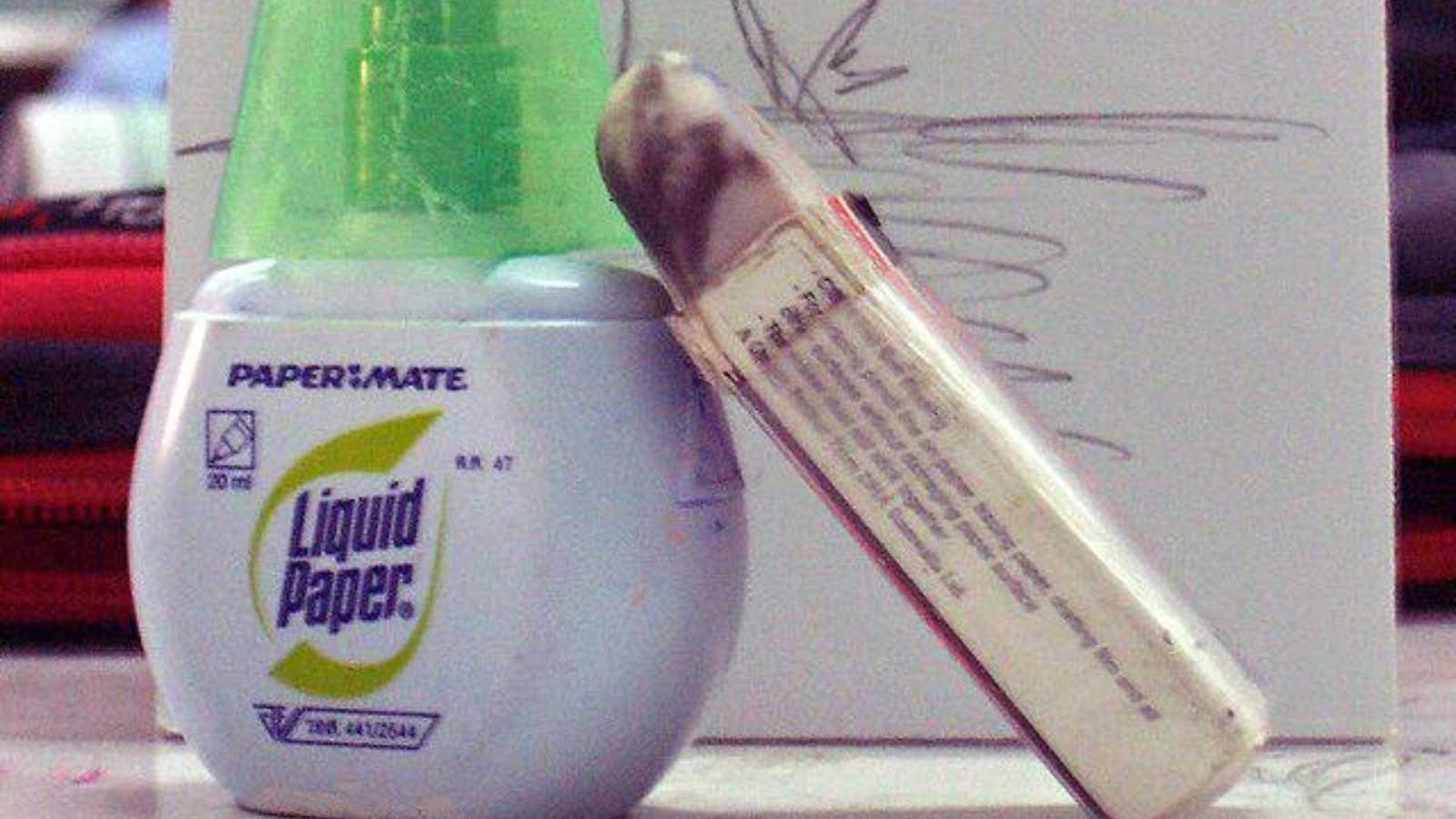
Typewriters were unforgiving, so we painted over our mistakes with Liquid Paper. The magic ingredient? 1,1,1-trichloroethane (TCA) is a chlorinated solvent. It dried fast and smelled… interesting. Unfortunately, it was also cardiotoxic.
Inhalation of TCA can cause “sudden sniffing death syndrome” by sensitizing the heart to adrenaline. Between 1979 and 1984, medical journals reported multiple sudden deaths in adolescents linked to sniffing correction fluid. Today, carrying a solvent-based correction fluid is a violation of hazardous material and drug policies. Schools use correction tape now—boring, but it won’t stop your heart.
Lawn darts (Jarts)
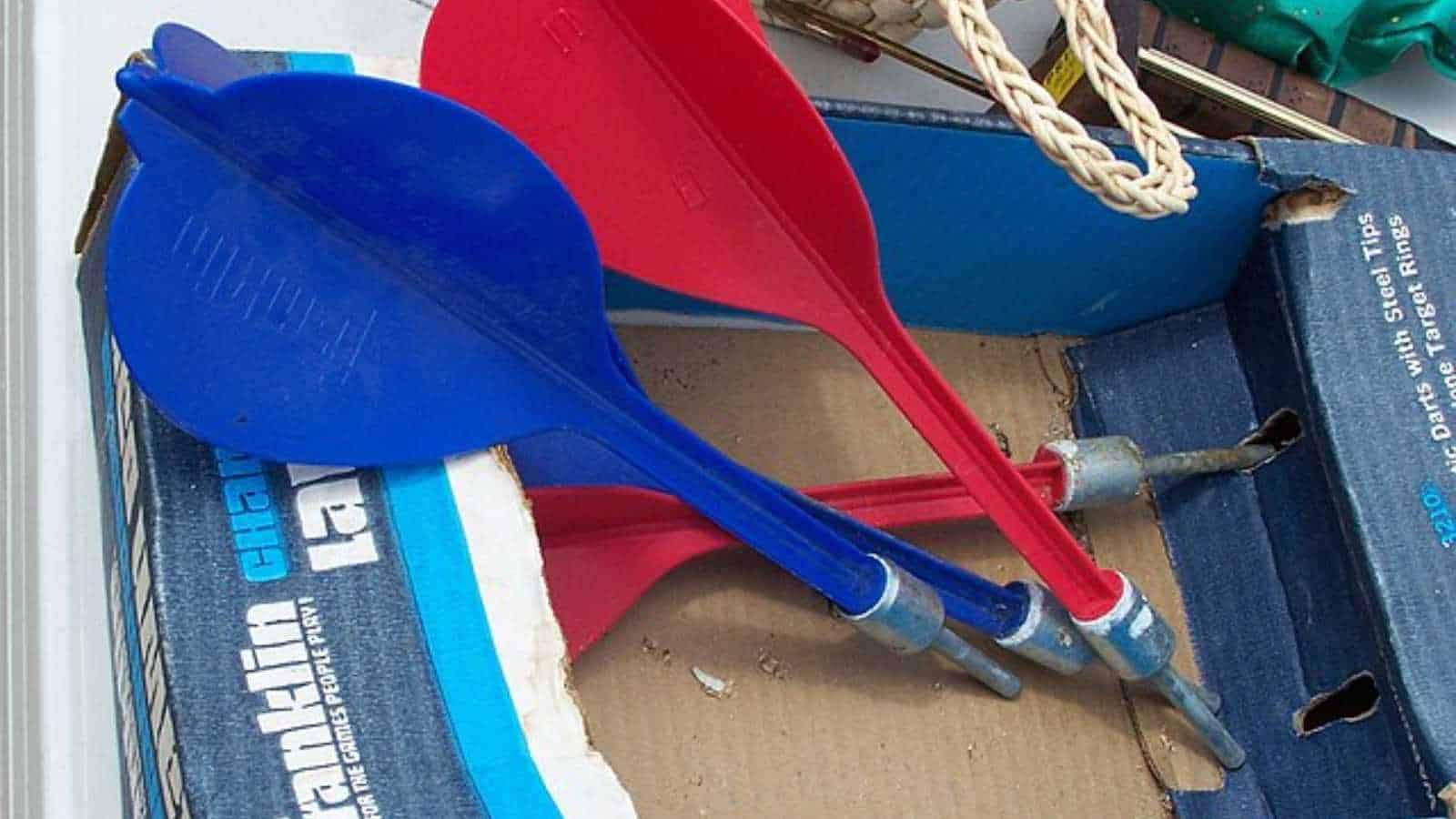
Okay, maybe we didn’t bring these into the classroom, but they were a staple of school field days and picnics. These were heavy, metal-tipped missiles designed to pierce the earth—or whatever else they hit.
The Consumer Product Safety Commission (CPSC) banned lawn darts in 1988 after they caused an estimated 6,100 emergency room visits and the tragic deaths of three children. If you brought a set to school today, you wouldn’t just be sent to the principal; you’d be charged with possession of a lethal weapon. They are illegal to even sell in the US now.
Toy guns and “finger guns.”
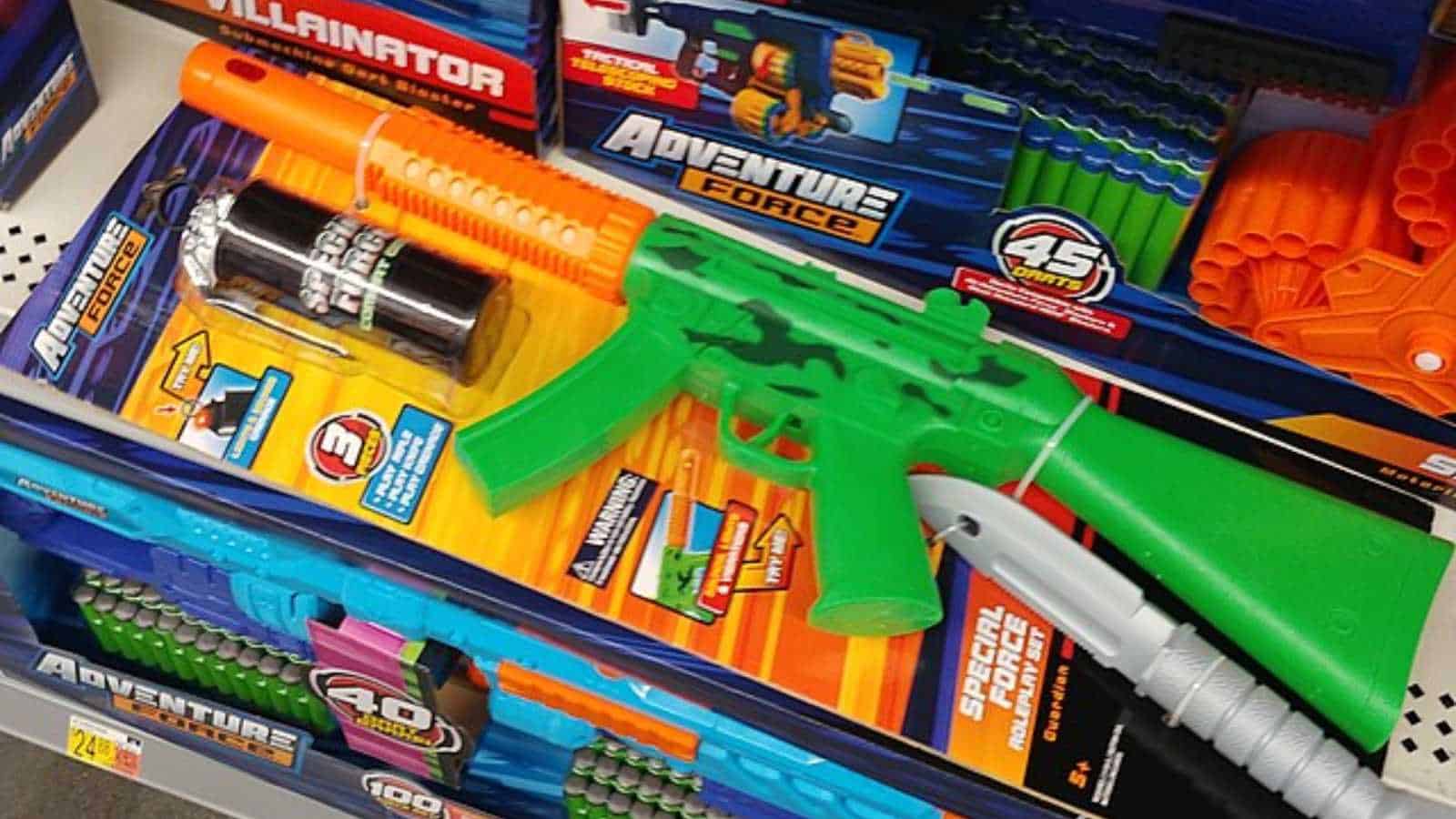
We played Cops and Robbers with realistic-looking cap guns in the schoolyard. Nobody panicked. Nobody called the SWAT team. Today, the hysteria surrounding “Zero Tolerance” has reached absurd levels where even the shape of a gun is punishable.
The ACLU has documented cases where students faced expulsion for bringing clear plastic bubble guns or even biting a Pop-Tart into the shape of a pistol. A 10-year-old in Tennessee was recently expelled for a year for making a “finger gun” gesture, which the district classified as a threat of mass violence. It’s paranoia disguised as policy.
Woodburning kits
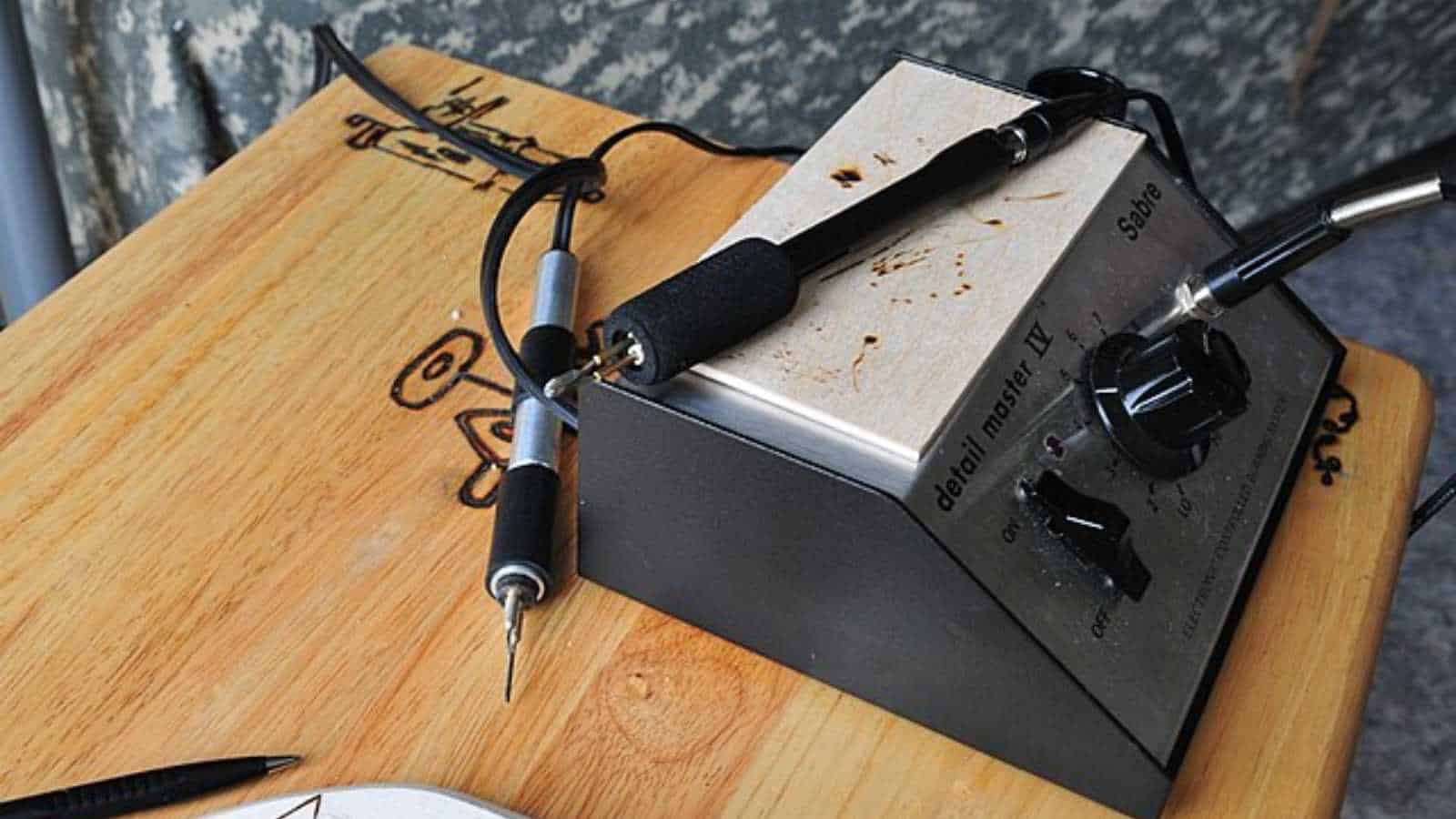
In shop class or art, we handed 10-year-olds a soldering iron that reached 950°F and told them to draw on wood. No safety guards, no automatic shut-off. Just searing heat and the smell of burning timber.
Modern fire codes and liability insurance would have a field day with this. An unsupervised student with a high-voltage heating element constitutes a massive fire hazard and a “dangerous device.” You need parental waivers just to look at a hot glue gun these days.
Clackers (Ker-Bangers)

These two heavy acrylic balls on a string were the original fidget spinner, but with a kinetic energy twist. You swung them to smack together above and below your hand. The problem? They shattered.
The FDA (yes, they regulated toys then) banned them in 1971 as a “mechanical hazard” because they exploded into plastic shrapnel, blinding children. Bringing a vintage set to school today introduces a banned, hazardous item that doubles as a blunt weapon (bolas). You’d be suspended before you finished your first “clack.”
Over-the-counter meds (Aspirin/Midol)
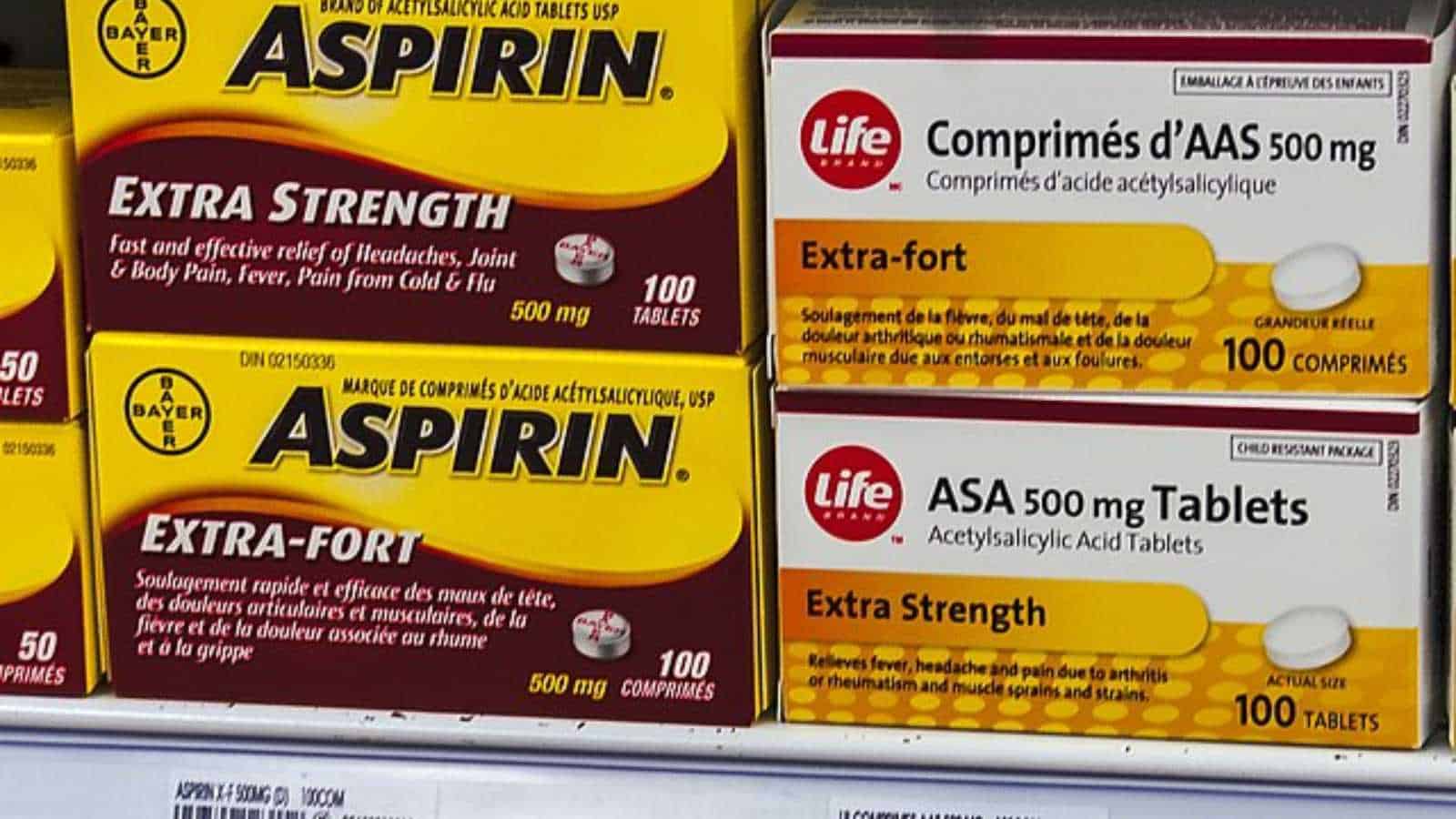
In the 70s, if you had a headache, you popped an aspirin from your bag. Maybe you gave one to a friend. It was called being helpful. Today, it’s called “unauthorized distribution of medication.”
Schools treat Midol and cough drops like Class A narcotics. In a notorious case, a 13-year-old girl was suspended for sharing Midol with a classmate. Strict drug policies require all meds to be dispensed by a nurse. Possession of unauthorized pills is a serious drug policy violation, regardless of whether it’s Tylenol or something more complex.
Lead-based art supplies
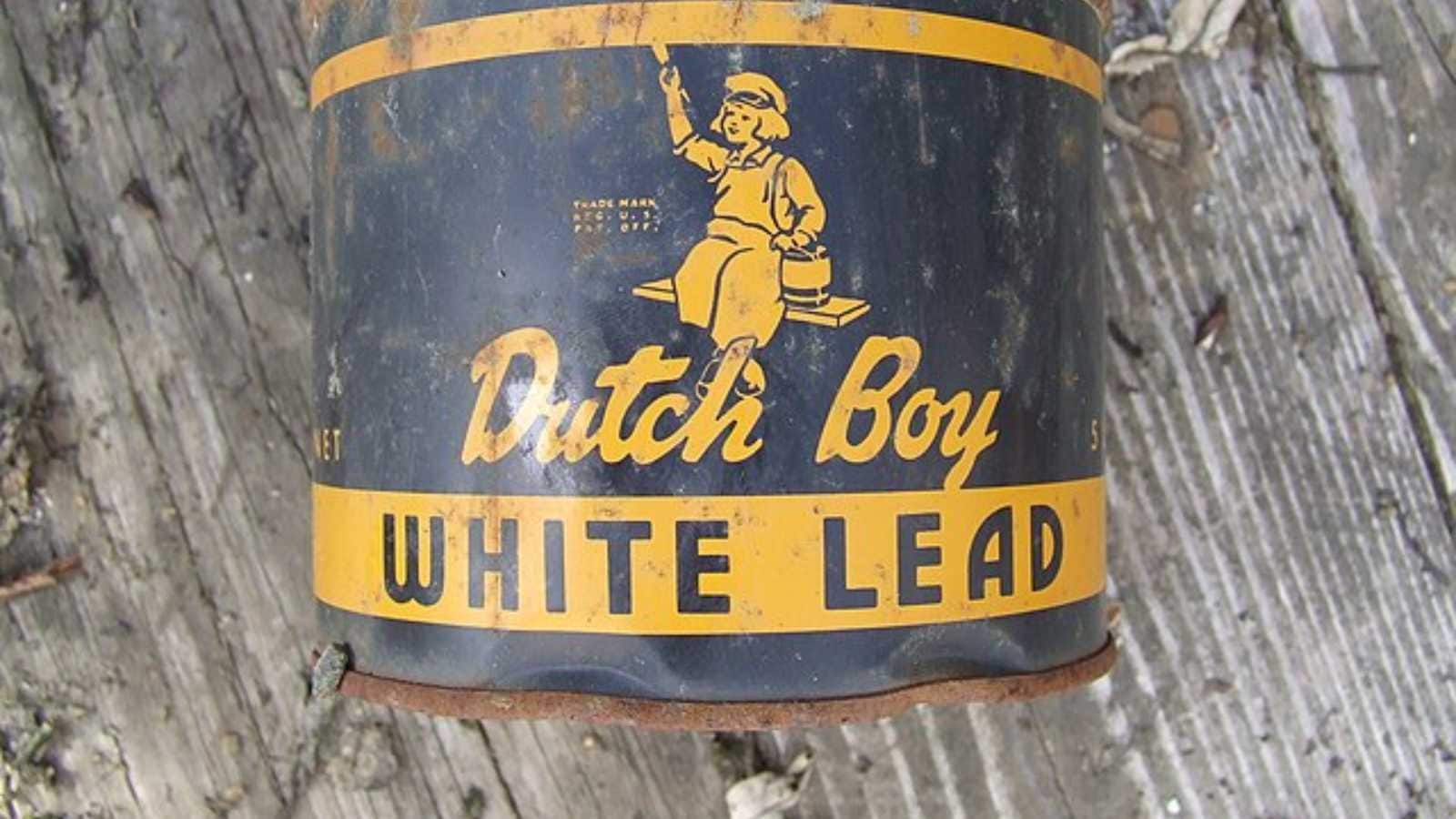
That yellow pencil you chewed on? Painted with lead. Those vibrant ceramic glazes in art class? Loaded with lead and cadmium. We didn’t know we were micro-dosing heavy metals every time we made a clay pot.
The CPSC banned lead paint in 1978, but schools used up old stock for years. Today, a student bringing vintage Grumbacher oil paints or leaded glazes to class would violate hazardous waste protocols. Lead is a potent neurotoxin with no safe exposure level, linked to IQ loss and behavioral issues. A vintage art kit is basically a toxic waste site in a box.
A pack of smokes (and a light)
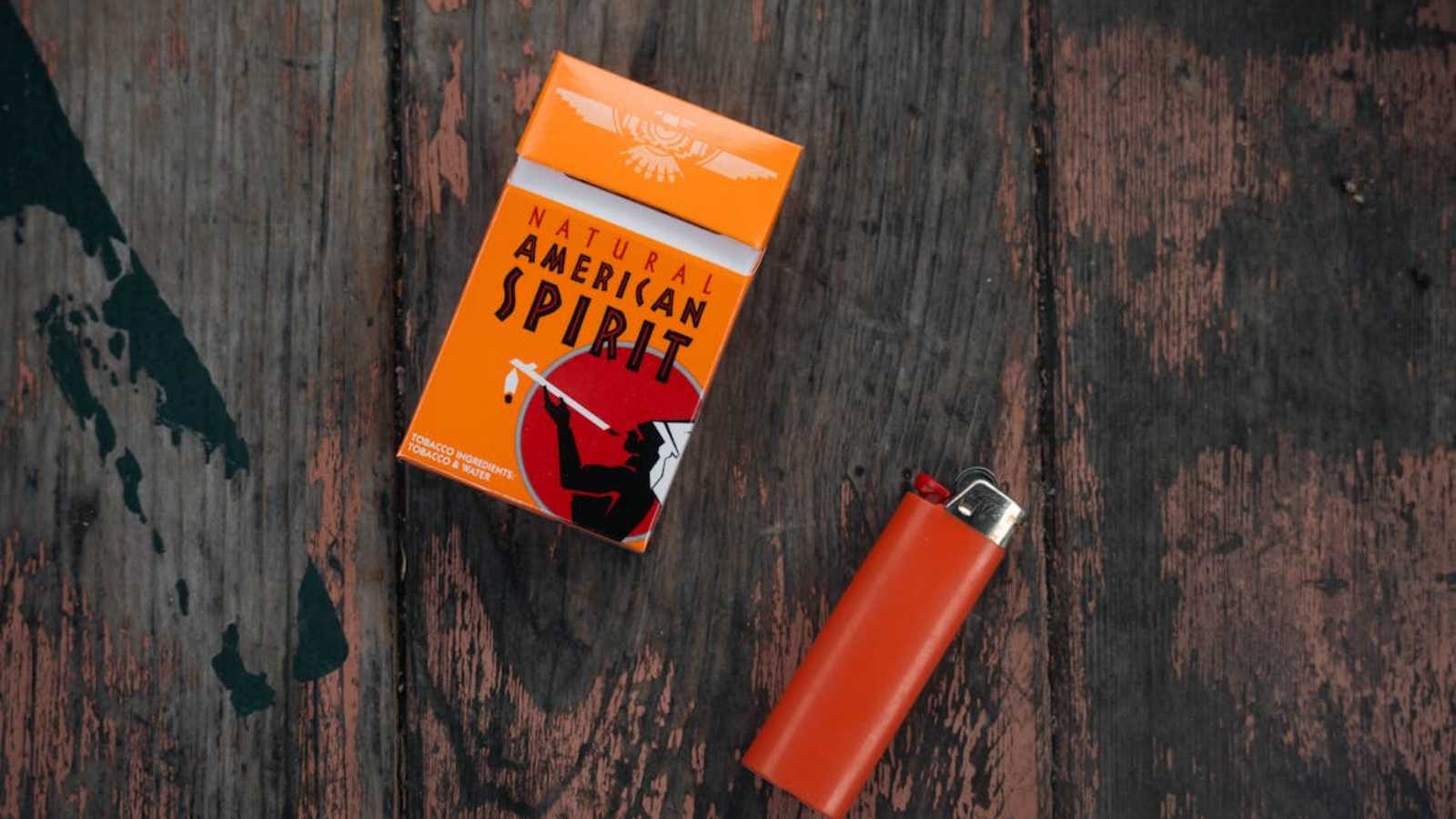
Believe it or not, in 1976, nearly 29% of high school seniors smoked daily. Many high schools actually had designated smoking areas—”The Pit” or “The Lounge”—where students could light up between classes with parental permission. Teachers would sometimes bum a smoke off you.
The Pro-Children Act of 1994 effectively banned smoking in any facility providing education to children. Today, tobacco products (and vapes) are the top drivers for suspension. Possession is a health code violation and a disciplinary offense. The idea of a school-sanctioned smoking lounge is now as alien as a typewriter in a computer lab.
Key Takeaway

We moved from a “free-range” childhood where risk built resilience to a “zero tolerance” surveillance state where accidents become crimes. While we certainly don’t miss the lead poisoning or the exploding toys, the criminalization of minor mistakes—like forgetting a pocket knife or sharing an aspirin—suggests we’ve lost our collective common sense.
Stay safe, but maybe leave the vintage lunchbox at home. FYI, it’s safer that way.
Disclosure: This article was developed with the assistance of AI and was subsequently reviewed, revised, and approved by our editorial team.
20 Odd American Traditions That Confuse the Rest of the World

20 Odd American Traditions That Confuse the Rest of the World
It’s no surprise that cultures worldwide have their own unique customs and traditions, but some of America’s most beloved habits can seem downright strange to outsiders.
Many American traditions may seem odd or even bizarre to people from other countries. Here are twenty of the strangest American traditions that confuse the rest of the world.