12 ways the global economy quietly affects your wallet every day
We like to think our personal checkbooks are walled off from the high-stakes drama of international trade, but that is a bit of a daydream. The truth is, your wallet is tied by a thousand invisible threads to factories, shipping lanes, and farm fields thousands of miles away.
The International Monetary Fund shows just how tightly linked we are: a mere 100-hour delay in global maritime shipping routes raises consumer inflation by roughly 0.5 % points at its peak, just five months later.
Every single transaction you make is a tiny ripple in a vast ocean of global exchange. The global machinery is constantly tweaking the dials on your daily life. Let us look at quiet ways this massive, unseen engine is shaping how you spend, save, and survive.
Steel Pipelines Shifting Your Car Price

When global demand for industrial metals like steel and aluminum shifts, the sticker price on your next vehicle moves with it. Car manufacturers operate on razor-thin margins, meaning they cannot easily absorb sudden spikes in raw material costs.
When global construction booms in Asia, steel prices rise, making every new car chassis more expensive to produce. This dynamic is why car dealerships might offer fewer discounts or raise the base price on new model rollouts.
The steel in your driveway is a physical manifestation of global supply-and-demand dynamics playing out in real time. Your daily commute is framed by the literal price of global infrastructure.
A Global Passport For Smart Labors

The rise of remote work has turned the local job market into a worldwide talent pool overnight. A software developer in Ohio is now competing for projects against highly skilled professionals in Warsaw or Bangalore. This global labor arbitrage can put downward pressure on local salaries while expanding opportunities for companies to hire abroad.
If your employer can find quality work at a fraction of the cost overseas, it directly impacts your raise negotiations. The boundary of your professional world is no longer your city limits, but the reach of a high-speed fiber-optic cable.
The Hidden Cost Of Green Transitions
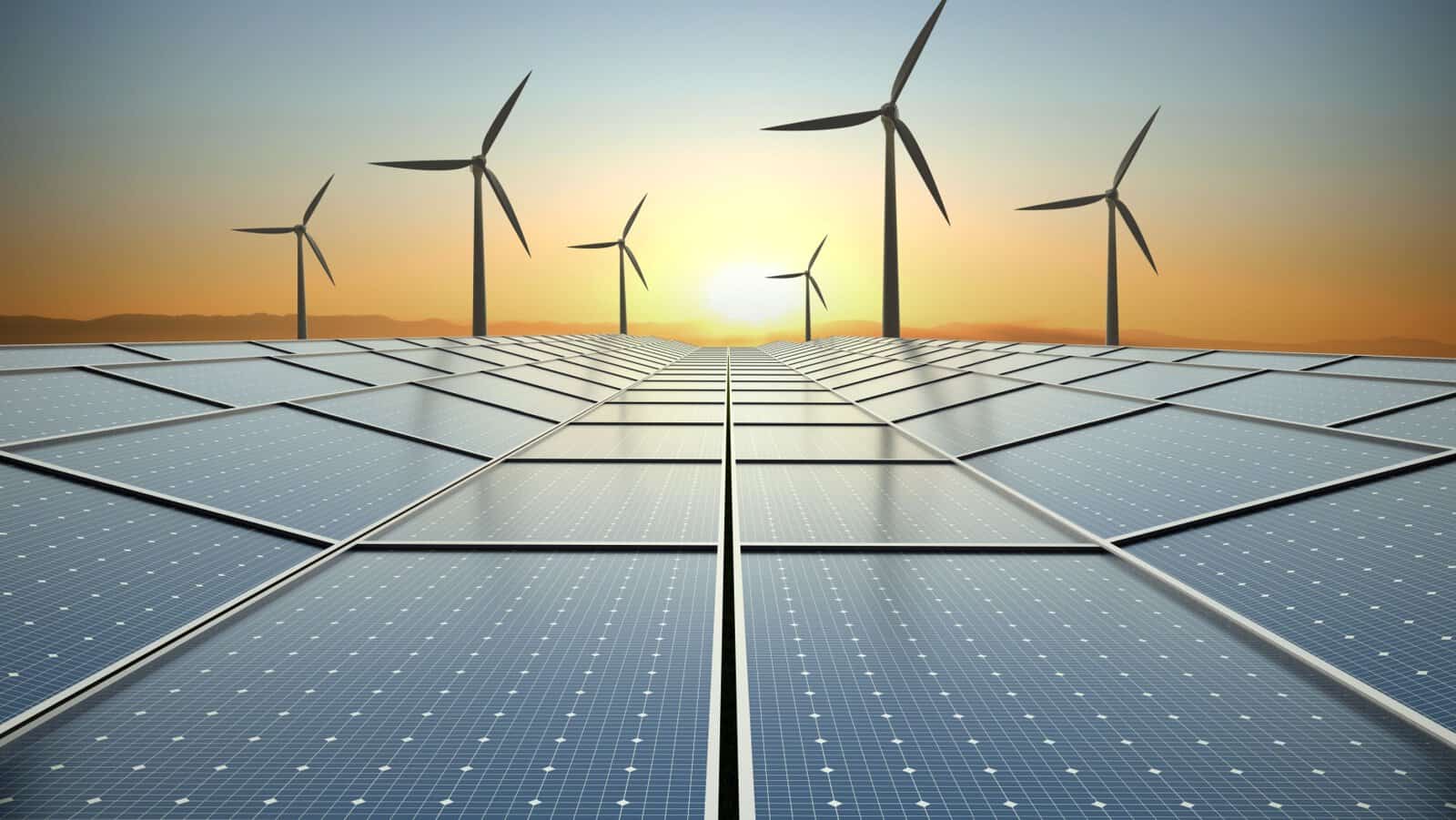
Governments around the world are pushing hard toward renewable energy, introducing new carbon taxes and environmental rules for shipping. For example, the full integration of the European Union Emissions Trading System in 2026 places new costs on cargo vessels entering European ports. While these rules are great for the planet, they create new, immediate costs for transport companies.
These environmental fees eventually find their way to your doorstep, disguised as minor price increases on imported consumer goods. It is a gentle reminder that saving the planet comes with a temporary transition bill that everyone helps pay. Your eco-friendly future is being funded, coin by coin, through these subtle global adjustments.
Unforeseen Detours On The High Seas
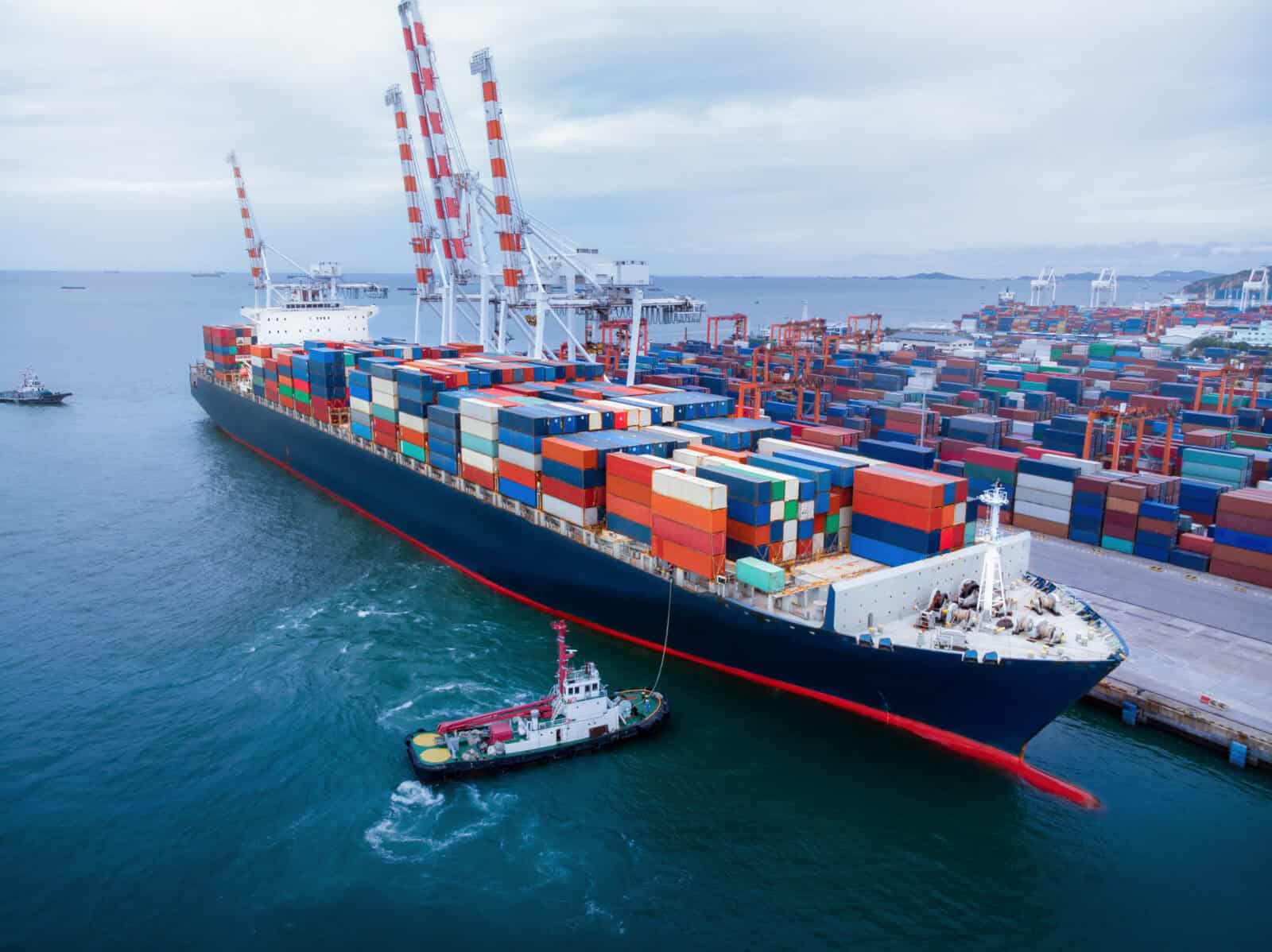
When cargo ships have to dodge trouble spots like the Red Sea, they take the scenic route around Africa, which adds days and massive fuel costs to their journeys. Those extra miles do not just vanish into thin air; they show up as a silent markup on everything from sneakers to electronics.
A 2026 outlook on global supply chains notes that logistics capacity constraints, tariff changes, and route disruptions are squeezing retailers’ costs throughout the year, especially as ships must avoid risk zones or cope with cyberattacks on ports. Ultimately, those detours wash up on your receipt, quietly tightening your budget without you ever seeing a map.
The Cost Of Your Morning Cup

A drought in Brazil or a sudden frost in Vietnam does not just make headlines in agricultural journals; it changes your morning routine. Coffee is grown in a narrow band of climates, so your local barista’s prices are hostage to global weather patterns and export decisions. When harvests falter overseas, roasters pay more per sack of beans they buy.
Recent coverage of food and commodity markets has shown how extreme weather and shipping issues pushed up prices for coffee, cocoa, and sugar, with roasters and cafes warning customers about higher menu prices as a result.
That extra fifty cents on your latte is not just a local decision; it is your early‑morning saving money plan colliding with global climate and trade.
Interest Rates Walking A Global Tightrope
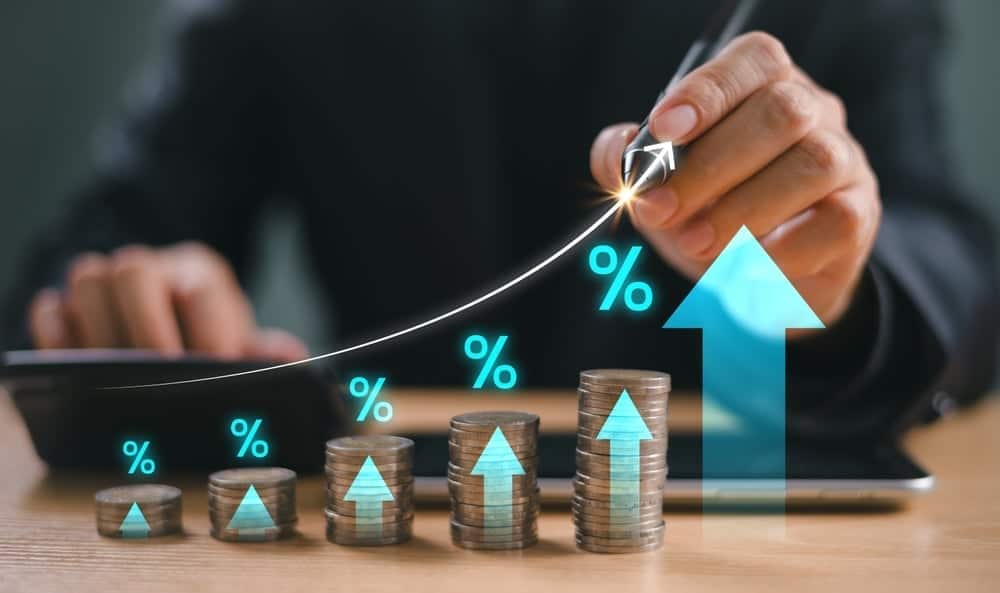
When the U.S. Federal Reserve tweaks its benchmark interest rate, the shockwaves bounce across every continent and back into your mailbox. The rate acts like a master thermostat, loosening or tightening the availability of credit to households and businesses. Every decision filters into credit cards, auto loans, and mortgages in quiet, incremental steps.
Central bank speeches and research on inflation show that policymakers now explicitly factor in geopolitical risk and global supply shocks when deciding how high to set rates, because those forces feed directly into domestic inflation and borrowing costs.
That means your future home loan or consolidation plan is being priced in part based on events you only hear about in the headlines, a reality that shapes your career plans and long‑term financial strategy.
When Currencies Do The Cha-Cha
The strength of the U.S. dollar might seem like an abstract concept, but it dictates the purchasing power of your paycheck. When the dollar grows stronger against currencies like the Euro or the Yen, foreign goods suddenly become cheaper for American retailers to import.
On the flip side, a weaker dollar makes traveling abroad or buying imported essentials a much more expensive endeavor. If you are planning a summer trip to Rome, the exchange rate on the day you book determines the actual cost of your vacation. Your currency’s muscle determines how far your hard-earned money goes when crossing borders.
The Global Battle For Your Gas Tank
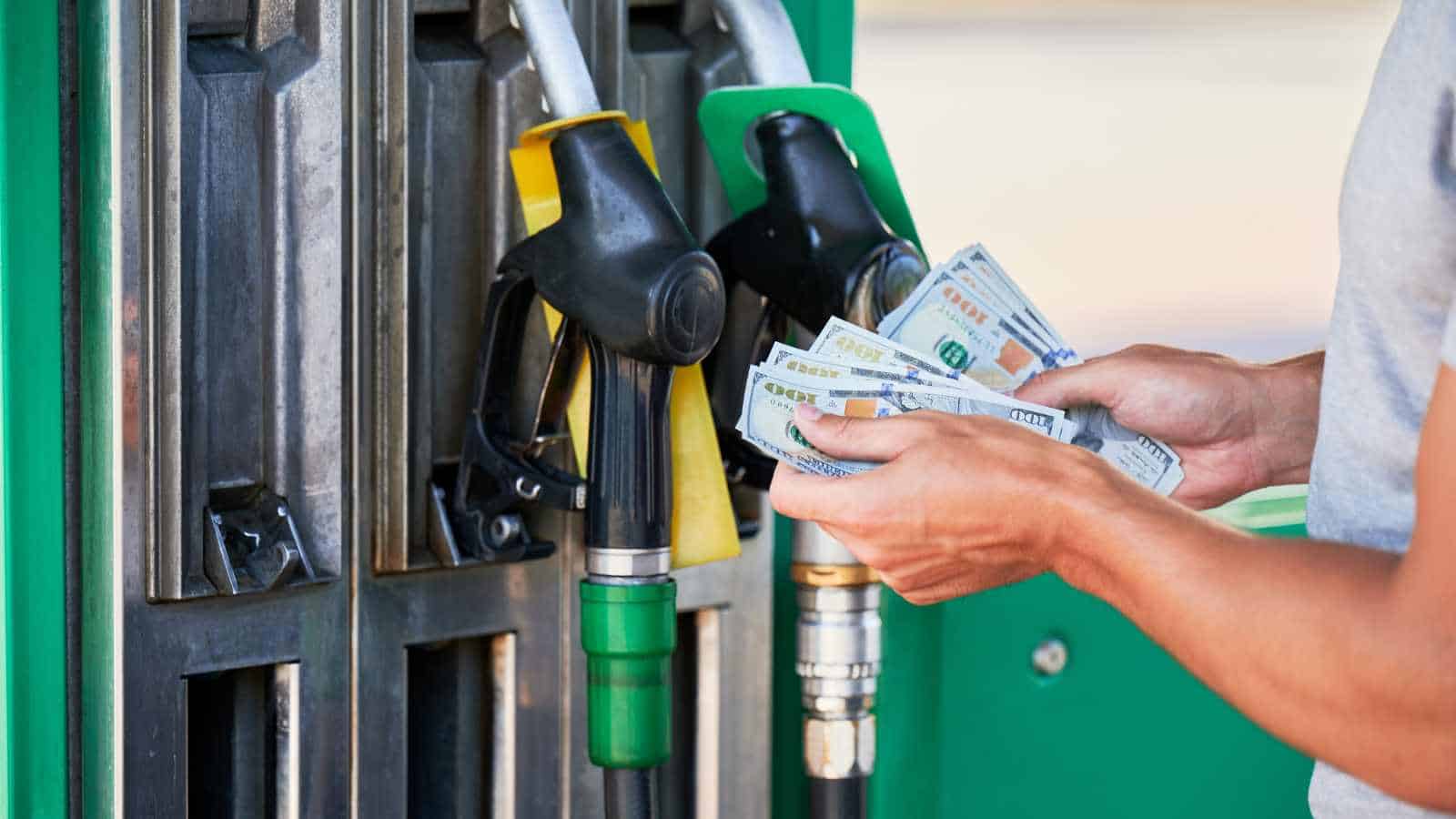
Every time you pull up to the pump, you are participating in a bidding war alongside millions of drivers worldwide. Crude oil prices are highly sensitive to geopolitical events, so a pipeline disruption or export cut on the other side of the world can cause local gasoline prices to jump within days.
Research on energy markets shows that geopolitical turmoil, energy price shocks, and central‑bank responses are tightly linked to inflation in many countries, especially through fuel and heating bills.
Those higher prices do not just sting at the pump; they ripple through the cost of groceries, deliveries, and services, forcing you to rework your budget even if you never leave your hometown.
Tech Gadgets Tied To Faraway Mines

Your smartphone is a marvel of global cooperation, built from minerals, chips, and components sourced in dozens of nations. A mining strike in one country or a lockdown in a single industrial region can stall entire product lines elsewhere. When chips or rare metals run short, factories slow down, and manufacturers pass the extra cost to eager consumers.
Supply chain risk briefings for 2026 warn that critical materials, including semiconductors and rare minerals, will face ongoing constraints, making electronics more expensive and harder to get when disruptions hit. That is why your next phone or console can suddenly feel like a luxury purchase.
Farming Fields Feeding On Global Gas

Modern agriculture leans heavily on fertilizers and fuel, both of which depend on global energy markets and shipping routes. When key trade lanes clog up or energy prices spike, farmers pay more to keep tractors running and fields productive. Those added costs rarely stay on the farm; they travel straight to the supermarket.
International food agencies and analysts have reported that rising input prices, including fertilizer and transport, are major contributors to higher global food costs and stubborn grocery inflation in recent years.
In practical terms, that means the price of your weekly staples is being set by decisions about energy, trade, and climate that you will never see, but that still shape your household wellbeing.
Your Pension Is Traveling The World
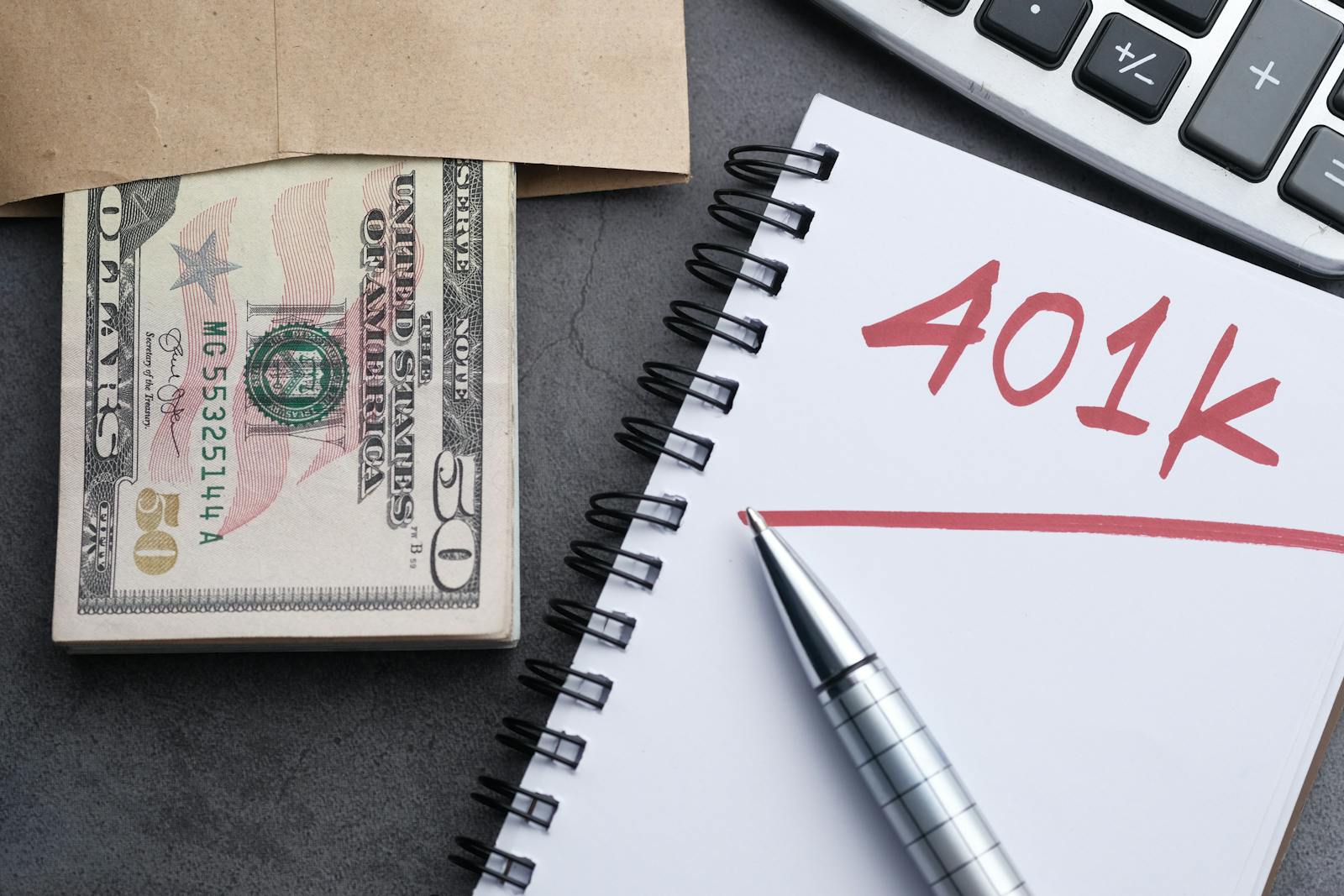
If you have a retirement account or a 401(k), your future comfort is deeply tied to overseas earnings. Modern funds spread your money across global stocks and bonds so that growth is not limited to one country. A regulatory change in Asia or a downturn in Europe can nudge your balance up or down overnight, even if you do not follow markets closely.
Guides on retirement investing now highlight international diversification as a default feature, noting that most broad index funds and target‑date plans include a meaningful slice of foreign assets alongside domestic holdings.
That means the health of factories, banks, and governments around the world quietly shapes your retirement outlook, turning you into a global investor even if you never place a single trade yourself.
The Ripple Effect Of Foreign Tourism

When international travel bounces back, wealthy globetrotters can turn a quiet local vacation spot into an expensive hotspot. If tourists from Europe or Asia flock to your favorite coastal town, local hotels and restaurants adjust their prices upward. This influx of foreign cash can make local weekend getaways a luxury that residents find tough to afford.
The World Travel & Tourism Council (WTTC) projects international visitor spending to grow by 3.7% globally, while in high-demand regions like Europe, it is surging by 7.1% as global travelers flood back into popular markets.
As the travel industry shifts to meet international demand, the cost of a simple family road trip can climb significantly. The local economy adapts to serve the highest bidder, leaving domestic travelers to pay premium rates.
Key Takeaway

Our daily lives are no longer insulated from the massive gear shifts of the global economy. Every cup of coffee, gas fill‑up, and online purchase is a quiet conversation between your bank account and the rest of the world.
Understanding these invisible connections does not eliminate every price shock, but it helps you protect your mental health, make smarter budget choices, and keep your local finances steadier in a world where distant storms and policy changes are part of everyday life.
Disclaimer – This list is solely the author’s opinion based on research and publicly available information. It is not intended to be professional advice.
Like our content? Be sure to follow us