12 ways another global epidemic could damage the economy
Global health crises can trigger severe economic disruption, affecting trade, employment, supply chains, and consumer prices across entire nations.
A widespread biological emergency is primarily an international public health crisis, but it also directly and measurably disrupts global commerce. During the first year of the COVID-19 pandemic, World Bank data showed that the global economy contracted by about 5.2%, representing the sharpest contraction in global output in generations.
These systemic shocks leave average citizens working hard to protect their household accounts against rapid increases in consumer prices and income instability.
The underlying growth drivers in domestic and international markets face severe challenges that permanently restrict the movement of goods, labor, and capital across borders. Examining the actual structural shifts shows exactly how a sweeping emergency disrupts the standard foundations of the financial system.
The Crushing Logistical Bottlenecks at Local Warehouses
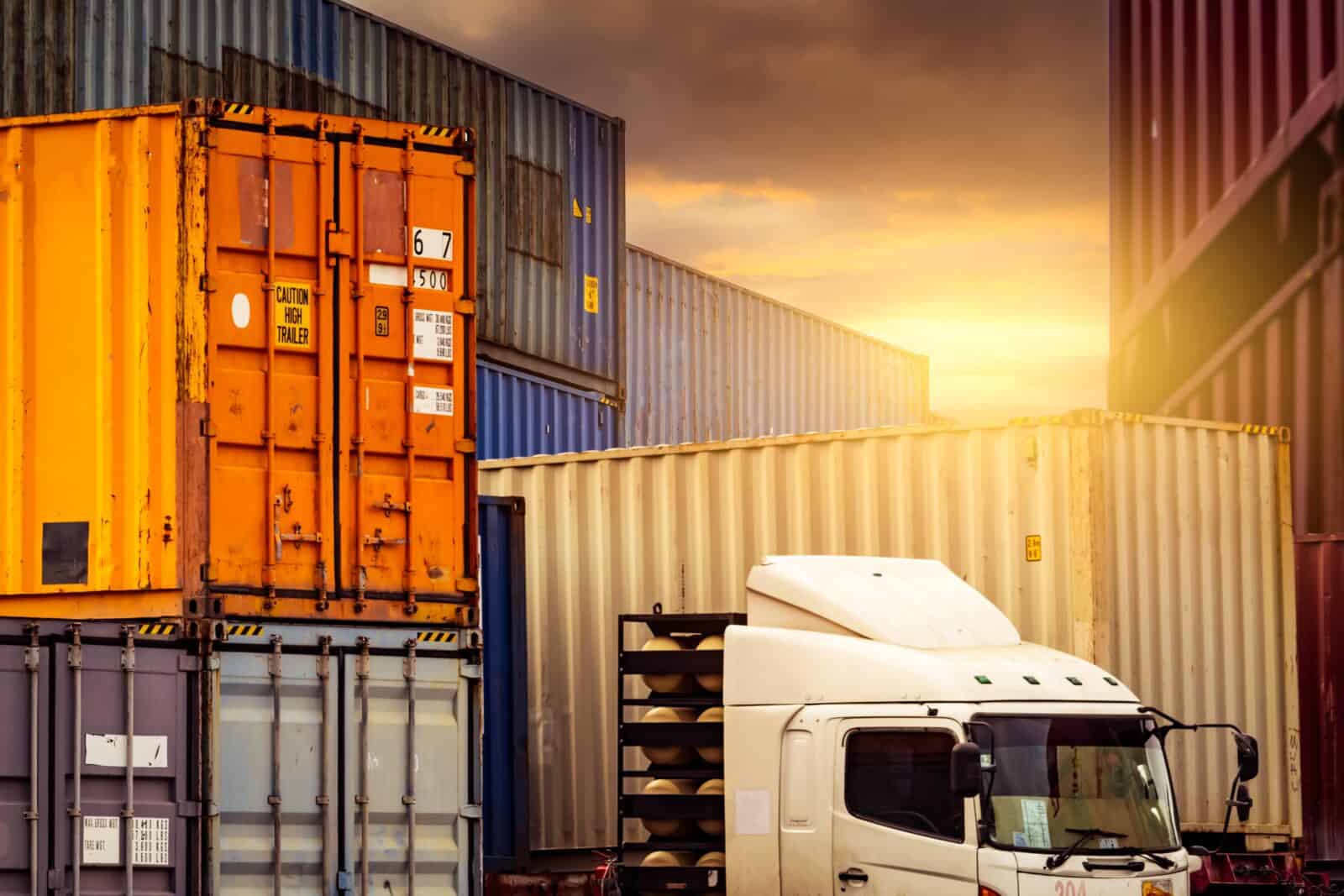
When international transportation routes become unpredictable, domestic distribution points face an absolute tidal wave of chaotic inventory issues. Shipping yards can become clogged with containers that cannot be unloaded due to staffing shortages, while other locations suffer from severe regional gaps.
This distribution gridlock forces logistics companies to pay exorbitant premiums to secure whatever cargo space remains available. These elevated transportation surcharges are never absorbed by shipping corporations; they are passed straight through to the regular retail price.
A family purchasing standard household goods will watch their checkout total march upward simply because an inland rail depot ran out of healthy operators. This quiet logistical friction turns ordinary domestic shipping into an incredibly expensive guessing game for major retailers.
The Direct Evaporation of Consumer Spending Power

The very first casualty of a widespread biological emergency is the simple, everyday act of leaving the house to spend a few dollars. When citizens choose to stay indoors out of sheer caution, entire retail ecosystems vanish within days. This immediate defensive contraction dries up the vital cash flow that local businesses rely on to pay their staff and maintain their leases.
Historical monitoring by global fiscal entities shows that during the opening phases of major outbreaks, household consumption can fall faster than in typical recessions. During COVID‑19, for example, the OECD reported sharp drops in spending on services such as restaurants, travel, and recreation as people stayed home.
This rapid pullback means that billions of dollars in projected revenue simply disappear from service sectors, creating an instant credit squeeze across the nation. When families focus strictly on essential survival items, the vibrant commercial marketplace slows to an agonizing crawl.
The Fragile Splintering of International Supply Chains

Our modern retail world functions on an intricate network of container ships and factory floors that assume absolute predictability at every stop. If a major industrial hub goes into a sudden regional lockdown, the entire assembly process stops dead in its tracks for want of a single microscopic component.
According to long-term economic tracking by international financial institutions, global trade volumes face severe downward pressure whenever regional borders enforce strict quarantine protocols. The World Trade Organization estimated that world merchandise trade volumes could fall by around 13 to 32% in 2020 as the pandemic disrupted production and logistics.
The Sharp Acceleration of Grocery Shelf Sticker Shock

Walking into a local market during a major health scare is an exercise in escalating fiscal anxiety for the primary household provider. When agricultural processing facilities face sudden labor constraints, the supply of fresh items drops while panic-driven consumer purchasing hits a fever pitch.
Managing a weekly family menu quickly requires intense daily budgeting, leaving parents feeling completely defeated by the time they reach the register. This constant price movement turns the simple act of preparing dinner into a major source of ongoing domestic friction.
The Total Freeze of Hospitality and Leisure Industries

The entire business model of international vacation venues and local entertainment centers relies on bringing large groups of humans together in close proximity. The absolute second a biological threat emerges, passenger planes sit empty on tarmacks and resort properties turn into modern ghost towns.
Industry balance sheets show that hospitality operations incur incredibly high fixed overhead costs, making them highly vulnerable to sudden cash-flow interruptions. Data from the UN World Tourism Organization showed that international tourist arrivals fell by around 60-80% in 2020, wiping out revenue for destinations reliant on travel.
When international travel plans are canceled en masse, the economic damage extends deep into regional municipalities that rely on tourism tax revenues to fund public infrastructure.
The Sudden Extraction of Labor Force Participation

A widespread health crisis directly affects the absolute core of the economic machine by removing real human beings from the workplace. Beyond those who are actively dealing with illness, millions of healthy workers are forced to withdraw from their shifts to care for children or aging relatives.
This intensive workplace drain means that companies must pay significant overtime wages or leave their operational production lines entirely dormant. Labor statistics during periods of school closures and lockdowns showed pronounced declines in labor force participation among parents, particularly mothers, as they stepped back to manage parenting responsibilities.
The Deep Scarring of Small Business Capital Reserves

While multinational conglomerates often hold massive lines of credit to weather an unexpected economic storm, your neighborhood hardware store operates on razor-thin margins. A few consecutive weeks of zero revenue can completely wipe out the cash reserves that an independent owner spent an entire career building.
This permanent loss of independent enterprises alters the competitive structure of regional commerce, leaving consumers with fewer choices and higher prices. When local business owners are forced to close their doors for good, the entire neighborhood loses its primary source of local wealth generation.
The Exploding Mountain of Sovereign Government Debt

To prevent a complete societal collapse during a sweeping biological event, national treasuries are forced to inject unprecedented amounts of emergency capital into the financial system. These massive rescue operations require printing vast sums of currency or borrowing heavily against future tax revenues.
This emergency fiscal expansion leaves the national balance sheet incredibly fragile and heavily burdened by debt. Official fiscal reporting tracking the financial health of advanced nations reveals that emergency interventions can push public obligations to unprecedented heights.
In the United States, Treasury figures published on the Fiscal Data platform show federal debt climbing into the mid‑trillions after large-scale relief packages, constraining future room for maneuver.
The Drastic Widening of Global Economic Disparities
A universal biological threat does not affect every nation to the same degree economically. Wealthy advanced economies can deploy massive digital infrastructures and deep financial reserves to cushion their populations from the worst financial outcomes.
In stark contrast, developing nations lacking modern infrastructure face catastrophic currency devaluations and immediate capital flight.
A deep structural review by the International Monetary Fund highlights this painful divergence across different wealth brackets. Their research on past pandemics finds that in many emerging economies, per‑capita output declined sharply and recovered more slowly than in advanced economies.
The Massive Erosion of Commercial Real Estate Valuation

With corporate offices forced to adopt remote working protocols to maintain safety, towering urban skyscrapers empty out almost overnight. This sudden shift in daily working habits permanently alters the long-term utility of expensive downtown commercial properties.
When businesses realize they can operate without high-priced city floors, they quickly decline to renew their multi-year commercial leases.
This commercial real estate abandonment triggers a severe downward spiral in property values, threatening regional banking systems that hold those massive mortgages. Local municipalities watch their property tax collections plunge, forcing deep cuts to public transit, city sanitation, and local emergency services.
The Crushing Academic Deficits and Future Earning Losses

The long-term economic damage of a global epidemic is often measured in the quiet loss of human potential within our primary educational institutions. Forcing millions of students into improvised remote learning systems leads to a measurable decline in basic literacy and mathematical proficiency.
Independent research tracking academic outcomes confirms that extended periods of missing structured classroom instruction reduce the lifetime earning potential of an entire generation. Analyses by organizations such as the World Bank have estimated that pandemic-related learning losses could translate into trillions of dollars in reduced future earnings for current students.
The Volatile Destabilization of Local Banking Systems

As thousands of individuals lose their employment and small businesses shutter permanently, regular people default on their credit cards and automobile loans. This sudden accumulation of non-performing assets puts immense pressure on the balance sheets of regional financial institutions.
Financial historians have noted that in past crises, a health shock quickly morphs into a crisis of confidence in banks and markets when people doubt that institutions will survive.
This freezing of institutional liquidity prevents ordinary citizens from securing standard home mortgages or business loans, thereby halting regular economic expansion. Without a stable credit foundation and a clear budget for emergency responses, the path back to true national prosperity remains completely blocked.
Key Takeaway
Understanding these structural vulnerabilities makes it clear that a global health crisis is never just a medical issue; it is a profound systemic shock that targets every single node of our financial lives.
The immediate evaporation of consumer spending, the fracturing of global supply lines, and the staggering accumulation of public debt combine to alter the basic rules of household survival. Preparing for the future requires looking past superficial medical updates and recognizing how quickly a biological disruption can rewrite the terms of our collective financial security.
Disclaimer – This list is solely the author’s opinion based on research and publicly available information. It is not intended to be professional advice.
Like our content? Be sure to follow us