As manners decline, these 12 etiquette rules are losing favor with younger generations
Many Americans believe courtesy is becoming less common. According to a recent YouGov survey, most Americans still follow at least some traditional etiquette practices, but adherence varies widely by rule. For example, while 89% say they usually chew with their mouths closed and 81% avoid talking with food in their mouths, far fewer consistently follow older etiquette standards such as keeping elbows off the table or placing a napkin in their lap.
Meanwhile, surveys on social behavior have found that younger adults tend to favor informality, convenience, and authenticity over strict adherence to traditional social customs.
That doesn’t necessarily mean manners are disappearing. In many cases, etiquette is evolving to reflect changing technology, workplace cultures, and social expectations. Still, some once-common rules are clearly losing favor among younger generations.
Saying “Please” Every Time You Ask for Something

The old rule said you should attach “please” to almost every request, even tiny ones. “Please pass the salt.” “Please move your bag.” “Please stop chewing like a lawn mower.” That little word once worked like social bubble wrap, making every request sound softer and less demanding.
Younger generations do not always use it that way. They often prefer a warmer tone, a casual “could you,” or a quick “thanks” after the favor.
A 2024 study in Social Psychology Quarterly found that people used “please” in only 7% of everyday requests, suggesting this “magic word” may never have appeared as often as people like to imagine.
Still, the loss of “please” can make quick requests sound bossy, especially in texts where tone disappears faster than snacks at a group hangout.
IMO, the word still earns its keep when someone feels rushed, tired, or unappreciated. Why risk sounding rude when one tiny word can smooth the whole exchange?
Calling Instead of Texting for Personal Updates

Older etiquette treated phone calls as warm, direct, and grown-up. You called your parents. You called your friends. You called to confirm plans because somehow everyone survived without a 47-message group chat called “Dinner???” Wild times.
Younger generations often see unscheduled calls as intrusive. A phone ringing out of nowhere can feel less like a connection and more like a tiny emergency siren.
Pew Research Center found that nearly half of U.S. teens say they go online almost constantly, and platforms like YouTube, TikTok, Instagram, and Snapchat shape how they communicate every day.
That does not mean young people hate connection. They just prefer control, timing, and context. A text lets people answer when their brains have fully loaded. FYI, that makes sense in a world where phones deliver hundreds of pings a day.
Common Sense Media found that over half of the young people in its smartphone-use study received 237 or more notifications per day.
RSVPing Quickly and Sticking to the Plan
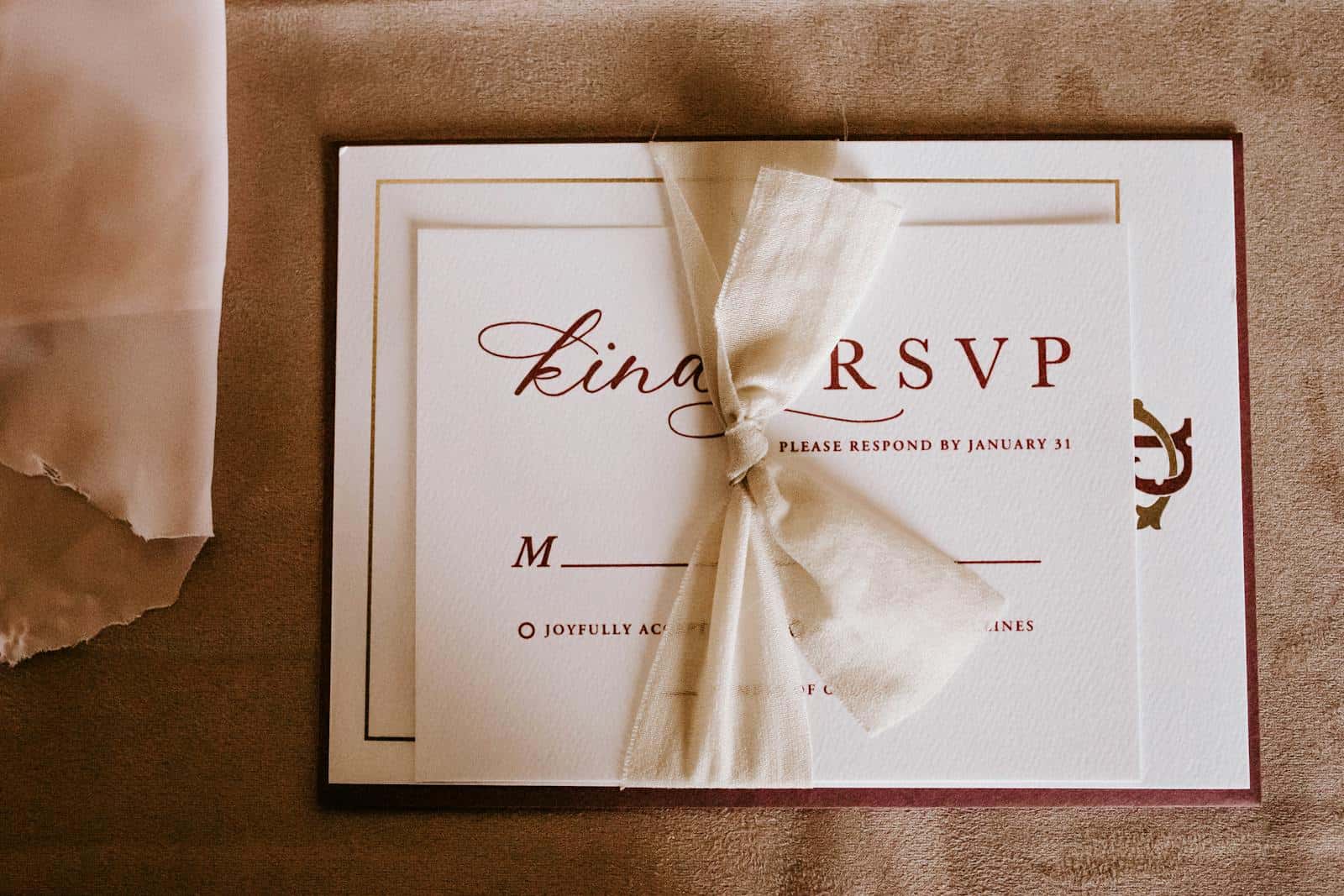
The RSVP rule once carried real power. Someone invited you. You responded by the deadline. You showed up if you said yes. Simple, elegant, and apparently now harder than assembling furniture without instructions.
Younger generations often plan through fluid group chats, soft commitments, and last-minute confirmations. “Maybe” can mean yes, no, emotionally unavailable, broke, tired, or waiting to see who else goes. Digital invitations also make events feel less formal, so people sometimes forget that hosts still buy food, reserve space, and count chairs.
MIT’s International Students Office explains the practical side well: RSVP responses help hosts know how much food to order, and polite guests should update the host if plans change.
The modern rule should retain the courtesy while simplifying the method. Reply fast, even with a no. Cancel early. Do not bring an uninvited plus-one unless the host clearly allows it. The group chat may feel casual, but the host’s grocery bill feels very real.
Answering the Phone With a Formal Greeting

“Hello, this is Sarah speaking,” once sounded polished. It told the caller they had reached a real person, not a pocket, a scam filter, or someone breathing in suspicious silence. Phone greetings carried a bit of ceremony, especially at work.
Younger generations treat phone calls differently because mobile phones have changed the way we use them. Caller ID already tells you who called. Spam calls trained people to stay cautious. Texting also lowered the need for formal openings because a message starts with context, not mystery.
Still, phone etiquette has not vanished entirely. YouGov’s 2024 survey of U.S. adults found that 81% considered chewing during a call unacceptable, 79% rejected speaking loudly, and 72% disliked speakerphone use around others. Younger adults showed more relaxed views on call timing, with 45% of adults ages 18 to 34 saying late-night calls could be acceptable, compared with 9% of adults 55 and older.
So yes, the greeting may sound less formal now. But a simple “Hey, what’s up?” still beats answering like a haunted voicemail. Is that really too much to ask?
Dressing Up for Everyday Public Places

Once upon a time, people dressed up for flights, dinner, church, school events, errands, and sometimes even trips to the grocery store. Older adults remember public appearances as a form of respect.
You dressed like you cared because other people had to look at you, which sounds dramatic, but okay. Younger generations often prioritize comfort, self-expression, and practicality.
Sneakers, hoodies, leggings, oversized tees, and casual workwear now appear in places that once demanded stiff collars and polished shoes. Remote work, streetwear, creator culture, and wellness fashion all helped rewrite the dress code.
This change does not automatically signal laziness. Younger people often judge respect through behavior, not words. A person in sweatpants who treats the waiter kindly may look more respectable than someone in a blazer who snaps their fingers for service.
Still, context matters. A job interview, a memorial service, a wedding, or a formal dinner still asks for effort. Nobody wants to see “I woke up five minutes ago” chic at Grandma’s funeral.
Keeping Phones Away at the Table

The old table rule sounded simple. Put your phone away, look people in the eye, and act like the human beings beside you beat whatever nonsense lives on your screen. I personally love this rule, mainly because nothing humbles a dinner faster than someone watching TikTok beside the bread basket.
Younger generations often treat phones as part of the social setting. They take food photos, check messages, coordinate rides, split bills, share memes, and sometimes use their phones to keep a conversation going. Pew’s 2024 teen tech data helps explain that habit.
Digital life now sits close to daily identity, entertainment, and friendship for many young people. But phone use at meals still tests people’s patience. A quick photo feels harmless.
Scrolling through an entire feed while someone tells a story feels rude because it says, “Your emotional arc cannot compete with this stranger’s smoothie bowl.” The updated rule should not ban phones forever. It should ask people to stay present when presence matters.
Waiting Until Everyone Gets Their Food Before Eating

Traditional dining etiquette says you wait until everyone at the table receives their meal before you start eating. This rule teaches patience, unity, and shared experience.
It also teaches you how to stare lovingly at fries while they lose heat, which feels like character-building in the worst possible way.
Younger diners often treat this rule with more flexibility. If the food arrives hot, they may start after asking, “Do you mind if I begin?” That shift makes sense in casual restaurants, large groups, food halls, and delivery situations where meals arrive at different times.
A British dining survey cited by Vogue found that 77% of Gen Z respondents did not care about elbows on the table or using a knife and fork “correctly,” and 38% did not care about starting before everyone’s food arrived.
Still, the polite middle ground works best. Ask first. Wait in formal settings. Start in casual settings when others encourage you. And please, do not make a speech about “food temperature rights” while someone’s pasta remains trapped in the kitchen.
Treating Punctuality as Non-Negotiable

Older etiquette often treated time like a moral test. Five minutes early meant on time. Right on time meant late. Ten minutes late meant you had chosen violence against everyone’s calendar.
Younger generations often take a softer view of punctuality, especially when work, traffic, transit, mental load, and flexible schedules collide.
A Meeting Canary survey covered by Fast Company found that 47% of Gen Z respondents said arriving 5 to 10 minutes late still counted as punctual, while 70% of baby boomers said punctuality required arriving early.
That gap creates real tension. Older people often read lateness as disrespect, while younger people may see strict punctuality as rigid or unrealistic. Both sides have a point, but plans still need shared expectations. If you run late, send a message before the agreed time.
If you expect exact timing, say that clearly. Nobody should need detective skills to figure out whether “see you at 7” means 7:00, 7:12, or “whenever Mercury stops bullying me.”
Using Formal Email Greetings and Sign-Offs

Work emails used to come dressed in a tiny suit. “Dear Mr. Johnson.” “Kind regards.” “Yours sincerely.” You could practically hear the email clearing its throat before making a request.
Younger workers often prefer shorter, more casual messages. They may write “Hi,” skip the sign-off, use emojis in friendly teams, or move the whole conversation to Slack or Teams.
Barclays LifeSkills research, summarized by the New York State Society of CPAs, found that 70% of British workers believed Gen Z was changing how people speak and write at work, and 73% said their own work communication had become more casual.
This shift does not always harm communication. A clear, friendly, direct message can beat a stiff, corporate-fogged paragraph.
But tone still matters, especially with clients, managers, professors, and others who do not yet know your personality. “K” may save you three seconds, but it can also make you sound like you just ended a friendship.
Making Small Talk With Strangers and Coworkers

Small talk once worked like WD-40 for social lubrication. You chatted about the weather, traffic, coffee, weekend plans, and the office microwave that sounded possessed. Nobody always loved it, but it helped people warm up before a real conversation.
Younger generations often dislike forced small talk. They may prefer direct conversation, online messaging, or silence that protects their energy.
After years of remote work, social media habits, and constant digital contact, casual face-to-face chatter can feel oddly exposed. Ever noticed how “How was your weekend?” can suddenly feel like an oral exam?
Still, small talk builds trust in tiny doses. It tells people you see them as more than a task machine. You do not need to become the mayor of the elevator, but a short “Morning, how’s it going?” can make shared spaces feel less icy.
Younger generations may not reject friendliness. They reject fake friendliness. That distinction matters.
Deferring to Elders Just Because They Are Older

Traditional etiquette often told younger people to automatically defer to elders. Stand when they enter. Let them speak first. Avoid disagreeing too directly. Treat age as instant authority.
Younger generations often respect experience, but they push back against automatic hierarchy. They grew up with access to information, public debate, social justice language, and workplace cultures that challenge old power structures.
They may ask, “Does this person deserve respect through their behavior, or do they expect it because of their birth year?” Fair question, honestly.
This change can look rude when young people skip titles, challenge advice, or speak casually to older adults. But respect now feels more mutual than automatic. Younger people often value boundaries, consent, emotional intelligence, and fairness more than rank.
That does not mean they should dismiss elders. It means everyone should bring something better than “because I said so” to the conversation.
Holding the Door as a Gendered Rule

Many older etiquette rules came wrapped in gender roles. Men opened doors for women, pulled out chairs, paid for dinner, walked on the street side of the sidewalk, and performed little rituals that signaled protection.
Some people still find those gestures charming. Others find them outdated, especially when they carry assumptions of weakness or obligation.
Younger generations often prefer courtesy that applies to everyone. Hold the door for the person behind you. Offer the seat to someone who needs it.
Help someone carry something heavy because they look overloaded, not because their gender assigned you a chivalry side quest.
YouGov found in an older U.S. poll that 95% of respondents still viewed a man opening a door for a woman as good manners, but the younger culture keeps broadening that idea beyond gender.r.
The best update feels simple. Be helpful without making it a performance. Kindness should not require a spotlight, a bow, or a tiny trumpet section.
Conclusion

Manners are not disappearing. They are changing shape. Younger generations still care about respect, but they often define it in terms of authenticity, consent, efficiency, boundaries, and emotional awareness rather than strict scripts.
They may skip handwritten notes, dodge surprise calls, dress casually, or soften their punctuality rules, but many still deeply value kindness.
That said, some old rules deserve a comeback in refreshed form. Say thank you. Reply to invitations. Put the phone down when someone needs your attention. Respect people’s time. Treat service workers like human beings, which should not need saying, yet here we are.
Maybe the real etiquette rule is this: make life easier, warmer, and less awkward for the people around you. If your manners do that, you probably belong at the good table. Just maybe wait two seconds before eating the fries.
Disclaimer: This list is solely the author’s opinion based on research and publicly available information. It is not intended to be professional advice.
Like our content? Be sure to follow us