If you can easily afford these 11 things, you’re doing better than most Americans
Economists say rising living costs are redefining what it means to be middle class in today’s economy.
The American dream once meant a house in the suburbs and a steady career that covered the bills with plenty left over for a rainy day. Today, that vision is shifting as the cost of living climbs, and the definition of middle class feels more like a moving target.
If you find that you can pay for certain life essentials without checking your bank balance first, you are likely standing on much firmer ground than the average citizen.
Many families are currently feeling the squeeze of rising prices for everything from eggs to electricity, making the simple act of living feel a bit like a marathon. It is no longer just about the size of your paycheck but how far that paycheck actually goes after the world takes its cut. For those who can comfortably afford a few key comforts and security measures, the view of the future is looking much brighter and more stable.
Private Education

The ability to pay for a top-tier education without taking on massive loans is a game-changer. Tuition, books, and fees add up quickly, making even a single semester feel like a major financial event. Yet the long-term payoff of a strong education is still one of the clearest paths to opportunity.
Covering tuition out of pocket means the next generation can step into adult life without a heavy student debt burden dragging down their early financial decisions. That freedom allows them to choose jobs based on growth or passion rather than just salary. It is one of the most powerful gifts of stability that a family can pass forward.
An Emergency Repair

Most people will face a sudden car breakdown or a leaking roof at some point, but having the cash on hand to fix it is becoming a rare luxury. For many, a flat tire or a broken appliance still means reaching for a credit card or calling a family member for help. That kind of scramble can turn an ordinary Tuesday into a full-blown stress test of your mental health.
A survey found that only 41% of Americans say they would use their savings to cover a $1,000 emergency expense, while the rest would borrow, cut back, or simply hope for the best. If you can stroke a check for a major repair without a second thought, you have turned what was a crisis for many into a minor inconvenience.
Quality Health Care
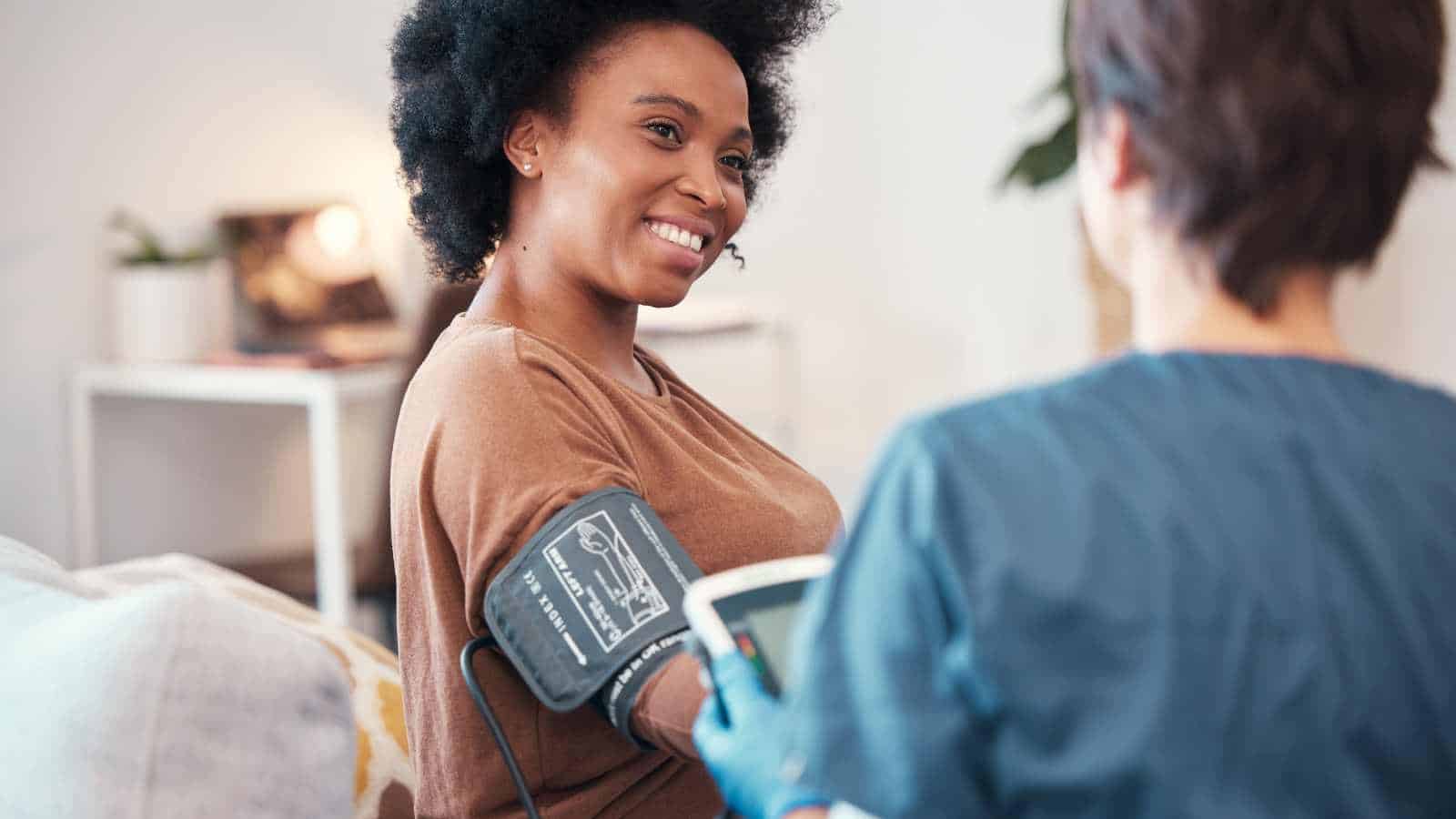
Staying healthy should not be a financial burden, but for many, a trip to the doctor is a source of intense anxiety about the final bill. When a checkup feels like a choice between physical well-being and keeping the lights on, the system is clearly failing the average person.
In 2024, about 1 in 6 adults, or 17%, reported delaying or skipping some form of health care, prescription drugs, or mental health treatment because of cost, according to KFF’s latest analysis on access to care.
Being able to see the best doctors and fill necessary prescriptions on time means you are investing in your health today rather than waiting for a bigger, more expensive problem tomorrow.
A Full Retirement Account
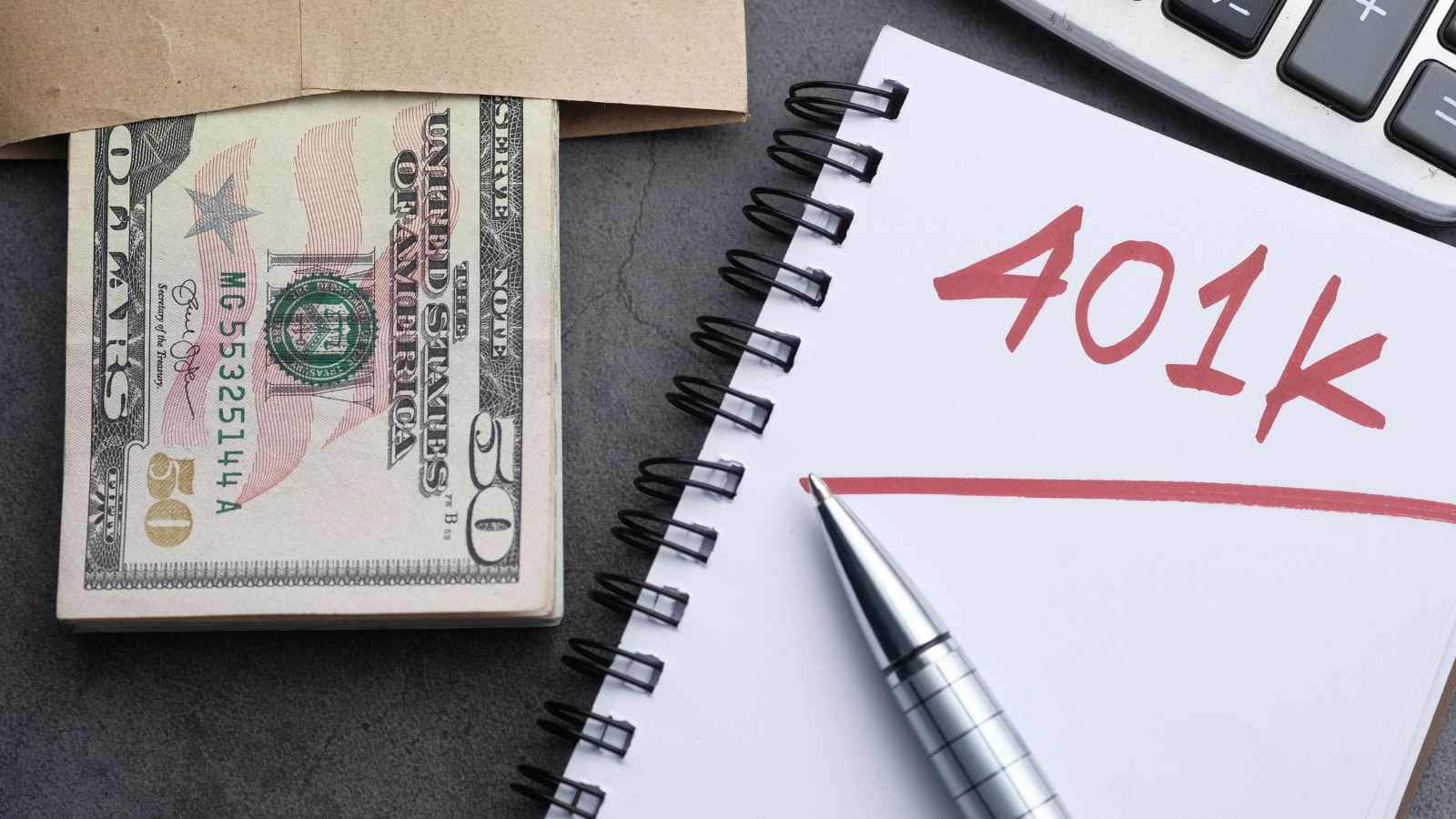
Retirement used to be a given, but for many workers today, the idea of ever stopping work feels like a distant and unreachable fantasy. Without savings, the so-called golden years start to look more like a second shift, just to keep the bills paid. That uncertainty adds a constant low-level hum of worry to every financial decision.
The report shows that 25% of American non-retirees have no retirement savings, leaving them with nothing extra to fall back on later in life. If you are consistently contributing to a 401(k) or IRA, you are not just saving cash; you are buying future choices that many people in your age group simply will not have.
Frequent Travel

The ability to pack a bag and head to a sunny beach whenever you need a break is a significant indicator of disposable income. For a lot of people, vacation plans now get penciled in and then erased when the airline prices pop up on the screen. Even a quick weekend away can feel out of reach when everything else in life is already more expensive.
The U.S. Travel Association’s Travel Price Index shows that overall travel prices jumped 5.8% year over year as of March 2026, rising faster than general inflation and making getaways pricier than ever. If you can book trips without derailing your monthly budget, you are enjoying a luxury that many households have quietly crossed off their wish lists.
Organic Groceries

Walking into a grocery store and picking out the best produce without looking at the price tags is a quiet but powerful flex in 2026. For some, the decision is between the organic berries and keeping enough in the account to cover the electric bill. Grocery aisles have become a place where you can see the new wealth gap play out in real time.
Updated estimates based on USDA food plan data show that a “liberal” or high-quality food plan for a family of four can easily run well over $1,800 per month in 2026, far above the cost of the government’s thrifty baseline. If you can routinely choose the healthier option, you are quietly investing in your long-term wellness one grocery cart at a time.
New Technology

Keeping up with the latest gadgets can feel like a full-time job, but for those who can afford it, it is a way to stay connected and efficient. While many people are nursing cracked smartphones and aging laptops, being able to upgrade on schedule is a sign of real flexibility. It is about having tools that make your days smoother rather than constantly glitching at the worst time.
When you can replace a lagging device without swiping a credit card to the limit, you avoid the hidden costs of lost time, missed opportunities, and extra stress. New tech becomes a helpful assistant to your career instead of another bill you dread. It is a small marker of financial breathing room that often gets overlooked because it feels so normal to the people who have it.
A Debt-Free Life

Carrying a balance on a credit card is the norm for many, and it can feel like trying to run a race with weights around your ankles. Interest charges quietly eat into every paycheck, shrinking how much is left for saving or enjoying life. When a chunk of each month goes toward yesterday’s purchases, it is hard to feel like you are ever truly moving ahead.
A 2023 Bankrate survey found that 49% of U.S. credit card holders carry a balance from month to month, up sharply from just a few years earlier. Living without that weight means every dollar you earn can be directed toward goals that matter.
Home Ownership

The gap between homeowners and renters is widening as the cost of entry into the housing market continues to climb. For people who do manage to buy, every mortgage payment builds equity instead of just covering someone else’s investment. A stable place to live also creates an emotional anchor that renting sometimes cannot match.
Industry reports show that even middle-income households now worry about affording basic home upkeep, from rising insurance premiums to higher utility bills, as everyday costs keep rising faster than paychecks. If you can handle property taxes and surprise repairs without flinching, you are sitting on a foundation of security that many families see only from the outside.
Professional Help

Sometimes the best thing you can buy is someone else’s time and expertise. Hiring a cleaner, a tutor, or a therapist can open up hours in your week and space in your mind. When your schedule is packed, outsourcing even one dreaded chore can feel like lifting a weight off your shoulders.
If you can regularly pay for professional help, you effectively buy back slices of your day that you can reinvest in your health and your relationships. That trade of money for time is one of the clearest signs that you are operating from a place of stability rather than constant survival mode. It lets you design a life that actually matches your values.
High End Fitness

A basic gym membership is one thing, but being able to afford boutique classes or a tricked-out home gym is another level. When you can pay for specialized studios, personal trainers, or high-tech equipment, your workout becomes both a habit and a highlight of the day. It is an experience rather than just another item on the to-do list.
Investing in premium fitness options makes it easier to stay consistent, which pays you back in more energy, better sleep, and stronger long-term health. In a world where stress is constant, that kind of daily reset is priceless. It is another sign that you are not just surviving; you are actively shaping a life that feels good to live in.
Key Takeaway
Financial success is not just about a number in a bank account; it is about the freedom to live your life without the constant shadow of worry. If you can easily afford these essential comforts and safety nets, you are navigating the modern economy with a level of skill and luck that is worth acknowledging.
While much of the country is feeling the pressure of every rising price, you have built a life that is resilient and ready for whatever comes next. True wealth, in the end, is the ability to spend your time and energy exactly as you want, with money serving your values rather than running the show.
Disclaimer: This list is solely the author’s opinion based on research and publicly available information. It is not intended to be professional advice.
Like our content? Be sure to follow us