If you notice these 11 things in a boomer’s daily routine, they are far more anxious about outliving their savings than they admit
The smallest daily choices can reveal the loudest fears, especially when no one is willing to say them out loud.
Retirement is supposed to be the golden era of sleeping in and playing golf until the sun goes down. Instead, many older folks find themselves quietly tossing and turning over their bank accounts. You have to look closely at their daily habits to spot the hidden stress bubbling just under the surface.
They might joke about being frugal, but that humor often masks a deep fear of running out of cash. If you pay attention to the subtle shifts in their daily routine, the truth becomes impossible to ignore.
Suddenly Clipping Coupons and Hunting for Deals
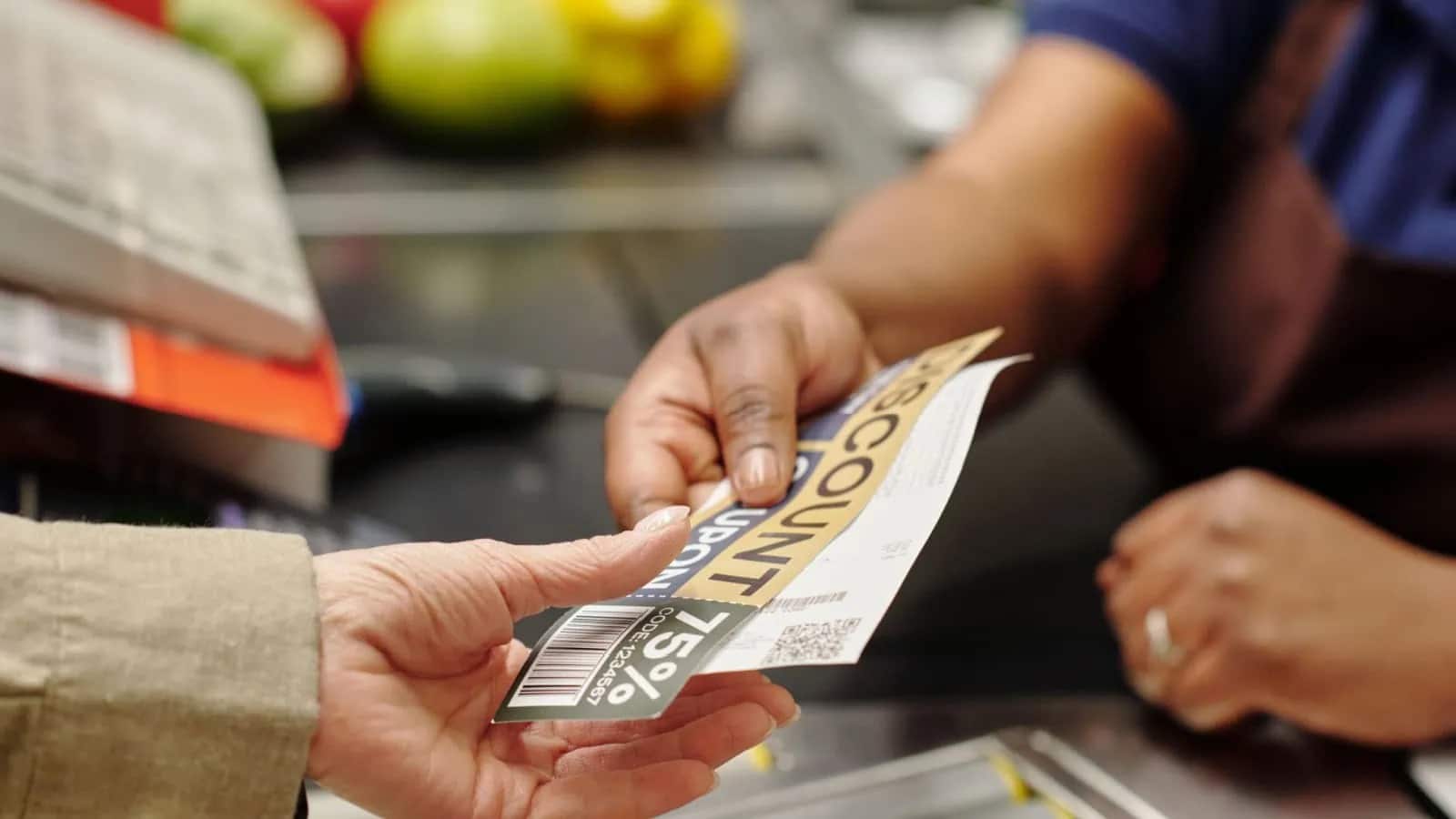
Your parents used to toss the Sunday paper inserts straight into the recycling bin without a second thought. Now, they spend Sunday mornings poring over weekly circulars like they are studying for a final exam. This abrupt shift from casual shopping to extreme couponing signals a silent panic about their fixed income.
They might claim they just enjoy the thrill of the hunt. However, extreme penny pinching is rarely just a fun weekend hobby for retirees. They mask this terrifying financial dread with a sudden, enthusiastic passion for saving forty cents on canned beans.
Skipping Routine Doctor Visits to Save Money

Medical care is essential, yet you might notice them canceling minor checkups or delaying dental work. They will brush off a nagging toothache by saying they simply do not have the time for an appointment. In reality, the fear of surprise medical bills is keeping them away from the waiting room.
Those out-of-pocket costs can drain a retirement account faster than a leaky bucket. According to the Transamerica Center for Retirement Studies, 41 percent of retirees cite declining health as their greatest financial fear. Avoiding the doctor is a desperate attempt to keep their savings intact for just a little bit longer.
Keeping the Thermostat Uncomfortably Low in Winter

You walk into their house in December and immediately need to borrow a heavy wool sweater. They insist they prefer the crisp indoor air, but they are secretly terrified of the monthly utility bill. Shivering through the winter becomes a necessary sacrifice to stretch their limited retirement funds.
Utility costs have skyrocketed, hitting folks on fixed incomes harder than a freight train. The truth is that many seniors would rather freeze than risk bouncing a check to the electric company. Turning down the heat is a quiet, freezing cry for help from someone who feels completely trapped.
Relentlessly Tracking Every Single Penny Spent

A casual coffee run suddenly turns into an intense session of logging receipts in a worn-out notebook. They never used to micromanage their budget, but now every minor purchase is scrutinized and recorded. This obsessive tracking is a clear symptom of a mind overwhelmed by financial uncertainty.
They want to feel a sense of control over a situation that feels entirely out of their hands. A recent study 408 by the Pew Research Center found that 40 percent of retirees feel less confident about having enough money to live comfortably. Counting pennies gives them a fleeting sense of security in an unpredictable economic environment.
Refusing to Join Friends for Dinner Out

Your lively parents once loved their weekly restaurant dates with the neighborhood gang. Lately, they decline every invitation by claiming they are tired or have eaten too much rich food recently. The real reason is that a forty-dollar dinner tab feels like a massive blow to their survival fund.
Social isolation often follows financial anxiety like a dark, persistent shadow. They withdraw from social circles simply because participating requires spending money they do not have. Staying home alone is cheaper than keeping up appearances with their financially secure friends.
Taking on Odd Jobs Around the Neighborhood

Retirement was supposed to be the end of the daily grind, but suddenly, they are offering to walk dogs. They tell you they just want to stay active, while they are actually desperate for a small cash injection. Turning hobbies into side hustles reveals a deep-seated panic about their dwindling bank balance.
They smile and say the extra work keeps them young and completely out of trouble. Yet, ADP research recently noted a steady rise in workers over age seventy reentering the gig economy to make ends meet. Those dog walks are keeping the lights on and keeping their worst financial nightmares at bay.
Selling Off Cherished Family Heirlooms

You might notice that the antique clock in the hallway or the silver tea set has mysteriously vanished. They shrug and say they are just downsizing the house to make cleaning a little bit easier. In truth, they are quietly liquidating their assets to pay for their regular weekly groceries.
Parting with sentimental items is a heartbreaking choice disguised as a practical home organization project. They might frame it as decluttering, but cash from these sales goes straight into their checking account. Selling that old clock buys them another month of breathing room without having to ask you for help.
Letting Home Maintenance Completely Fall Behind

Their once pristine yard is now overgrown, and the peeling paint on the porch is being completely ignored. They excuse the mess by saying they lack the physical energy to keep up with the exhausting chores. The reality is that hiring a professional handyman costs money they simply cannot afford to spend.
Deferred maintenance is a classic sign of an incredibly tight, suffocating budget. A Harvard Joint Center for Housing Studies report 403 reveals that nearly one in three older households is severely cost-burdened. Watching their beloved home slowly deteriorate is easier than watching their savings account hit zero.
Downgrading to Cheaper Pet Food Brands

Their spoiled golden retriever used to eat premium kibble that cost more than your own weekly groceries. Now, you see generic bags of cheap pet food stacked up in their pantry. They claim the dog actually prefers the new taste, but they are really just slashing every possible expense.
Pets are family, and cutting corners on their care is usually an absolute last resort. According to a recent Vet Times survey, pet care costs are a primary financial stressor for owners and are driving them to regret. Switching to generic kibble is a silent compromise they make to keep their furry friend fed.
Dropping Longtime Hobbies and Memberships

The expensive country club membership or the weekly pottery class gets abruptly canceled without a satisfying explanation. They casually brush it off by saying they simply lost interest in those old, boring activities. In reality, the monthly dues were eating a massive hole into their carefully planned retirement budget.
Sacrificing joy for survival is a brutal reality for many older folks trying to make ends meet. Research by the 401k specialist shows that over half of households face a risk of falling short of their retirement income needs. Giving up their favorite pastime is a quiet tragedy born out of sheer financial terror.
Constantly Worrying About Your Financial Future

They suddenly start grilling you about your own retirement accounts and savings plans during casual family dinners. They project their own quiet financial panic onto you by lecturing you about the importance of compound interest. If they are terrified about outliving their money, they become absolutely determined to save you from the same fate.
These intense conversations are completely fueled by their own unspoken regrets and deep financial insecurities. They desperately want you to avoid the terrifying traps they are currently trying to escape. Their nagging is actually a painful, loving attempt to protect you from the sleepless nights they currently endure.
Like our content? Be sure to follow us