12 jobs that may soon vanish
The future of work is changing faster than many people expected. According to the World Economic Forum, technological shifts like artificial intelligence and automation could transform or displace millions of jobs by 2030, with employers predicting significant declines in clerical and administrative roles.
Other research paints an even clearer picture of the scale: a 2025 SHRM report found that around 19.2 million jobs face a high risk of displacement due to automation, while the World Economic Forum estimates suggest 85 million jobs could be displaced by 2025, even as new roles emerge.
At the same time, surveys of AI experts show that certain occupations are far more vulnerable than others, especially those built on repetitive, predictable tasks.
In other words, most jobs won’t disappear overnight, but some are clearly on the decline.
Here are 12 roles that may soon vanish or be dramatically reduced.
Switchboard Operators

It might seem like a job from the fifties, but many large organizations still employed people to route calls until very recently. Those positions are finally hitting the end of the line as voice recognition software gets smart enough to handle the job perfectly. You can now just say a name, and the system connects you without any human intervention.
Recent occupational profiles show that switchboard operator roles are projected to decline over the next decade, reflecting how quickly automated phone systems have taken over.
It is a small change that reflects a much larger trend toward removing friction between people and the information they need. The manual plug and cord are gone forever, replaced by code.
Travel Agents

Booking a trip once required a visit to a local office and a thick stack of glossy brochures to plan the perfect escape. Now, most people just hop online to find a cheap flight or a cozy spot near the beach with a few clicks. The middleman is being cut out of the equation by apps that work while we sleep and never take a lunch break.
The U.S. Bureau of Labor Statistics reports that employment for travel agents is projected to grow much more slowly than average, as travelers book directly through websites and apps rather than through in-person agents.
As travelers take full control of their own itineraries, the need for a dedicated professional to handle the details is quickly becoming a luxury. It is a world where the consumer is now the pilot of their own vacation planning.
Cashiers

Self-checkout kiosks have moved from being a rare novelty to the standard way we pay for our milk and bread. You can walk through a giant grocery store today and barely say a word to another human being until you hit the parking lot. These machines do not get tired, do not call in sick, and definitely do not struggle to make change.
According to federal projections, employment of cashiers is expected to decline by about 10% from 2024 to 2034 as automated checkouts and digital payments become more common. While some still prefer the human touch, the speed and efficiency of scanning your own items is winning the race for many retailers.
Print Newspaper Delivery

There was a time when the morning thud on the porch was the heartbeat of the American neighborhood and the start of the day. Now, the news arrives in a constant stream of notifications on our phones before we even have our first cup of coffee. The traditional paperboy is becoming a character from a vintage movie rather than a fixture of the local community.
Daily newspaper circulation in the U.S. has fallen to under 21 million, down sharply from earlier decades. As digital platforms take over, the physical logistics of moving paper from a press to a front door are simply too slow. It is an industry that is rapidly folding its pages for the very last time.
Bank Tellers

Visiting a bank branch used to be a weekly ritual to deposit a check or get some walking-around paper. Today, you can manage your entire financial life from a smartphone while sitting on your couch in your pajamas. ATMs and mobile apps have made the marble lobby feel a bit like a museum from a much slower and more formal era.
The Bureau of Labor Statistics notes that demand for bank tellers is expected to decline as more customers use online and mobile banking, thereby reducing the need for traditional front-desk roles.
As banks push users toward digital tools to save on overhead, the friendly face behind the counter is becoming a rare sight indeed. Most of our banking is now done through glass and circuits rather than handshakes and pens.
Data Entry Clerks

The days of rows of people typing numbers from a paper form into a computer system are reaching a definitive end. Software can now read documents, extract the relevant info, and update databases in the blink of an eye with very few errors. It is a job being swallowed whole by the very technology it helped build and organize.
Labor market analyses based on BLS data estimate that data entry keyer roles could decline by more than 25% over the coming decade, one of the steepest drops among office jobs. Computers are simply better at the repetitive task of moving data without getting bored or losing focus during a long shift.
Telemarketers

We all know the frustration of a dinner interrupted by a phone call from a stranger trying to sell us a new roof. Those calls are increasingly being handled by automated voices and smart bots that can talk to thousands of people at once. It is a tough gig that is being phased out as people get better at blocking unknown numbers and ignoring their ringer.
Job outlook reports from several countries indicate that telemarketing roles are expected to decline as businesses shift toward online ads and automated outreach, reducing the need for large human calling teams. Most sales pitches now land in your inbox or social media feed rather than in your ear, and the classic cold call is becoming a relic of a less-connected era.
Postal Service Mail Sorters

While we still get plenty of junk mail and packages, the way they’re organized has changed almost completely. Giant machines now do the heavy lifting of reading addresses and routing envelopes to the right zip code in record time. The human element of sorting through the mail by hand is being replaced by optical scanners and high-speed belts.
Career outlook data indicate that employment of postal service mail sorters and processors is projected to decline by double digits as automated sorting systems and online billing reduce the volume of paper mail.
Efficiency is the name of the game, and humans simply cannot keep up with the pace of modern logistics. Your birthday card is likely touched by a robot long before it reaches your local carrier.
Fast Food Cooks
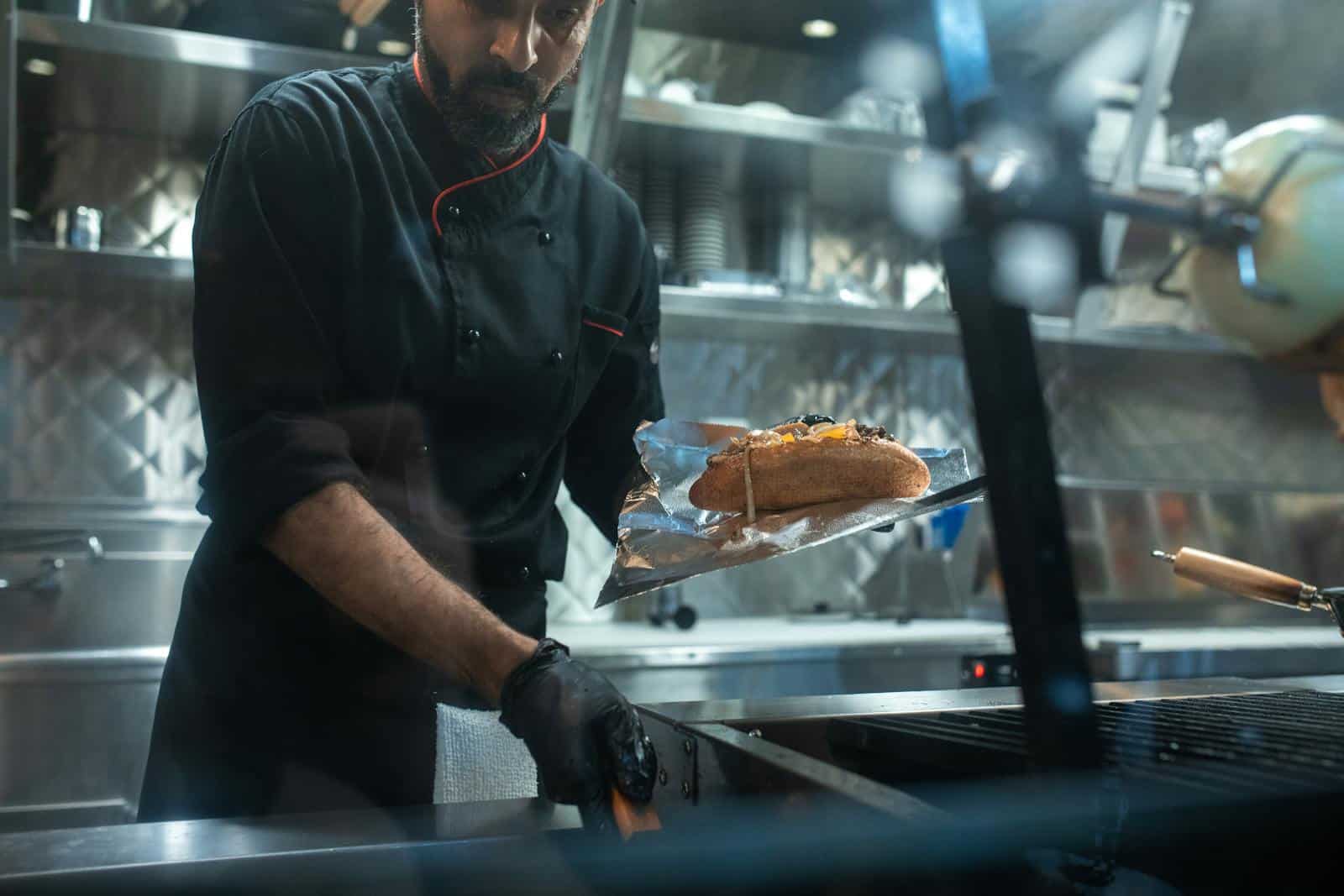
Automation is flipping the script in the kitchen, with robots now capable of making a perfect burger or basket of fries every time. Some chains are testing fully automated locations where the food is prepared and served without a single human in the building. It is a shift that promises consistency but leaves many wondering about the future of the traditional first job.
AI and labor market trackers suggest that core tasks such as handling payments and taking simple orders are among the most automatable parts of fast-food work, even as overall employment in the sector is still projected to grow modestly.
As the cost of technology goes down and the cost of labor goes up, the math is starting to favor the machines. The sizzling grill might soon be overseen by a computer system rather than a teenager.
Legal Assistants

Reviewing thousands of pages of documents for a court case used to require a small army of junior researchers and assistants. Now, artificial intelligence can scan legal texts for specific keywords and patterns in a fraction of the time a human would need. It is a massive shift in the legal world, making the research process much faster and far less expensive.
Consulting analyses based on recent AI studies suggest that a large share of routine legal work, from document review to basic drafting, is technically automatable with current tools, even if firms adopt these changes gradually.
While lawyers will still be needed to argue cases, the mountain of paperwork beneath them is being leveled by software. For many support roles, the challenge will be finding new tasks that rely more on judgment and human nuance.
Dispatcher Roles
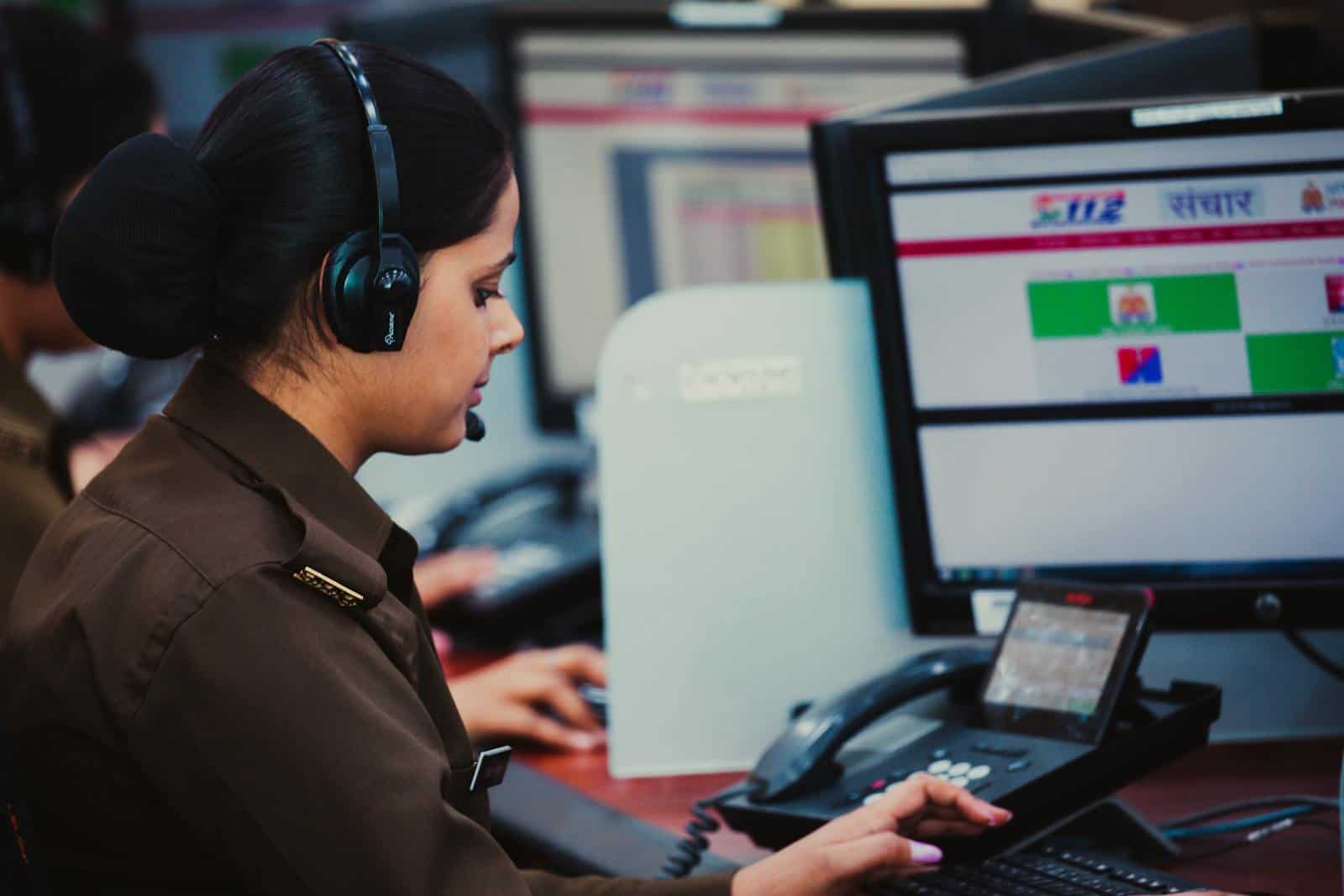
In the world of trucking and delivery, smart algorithms are now deciding the best routes and schedules for entire fleets of vehicles. These systems can factor in traffic, weather, and fuel costs in real time, making decisions that a human brain just cannot process fast enough. The dispatcher who used to sit at a radio is being replaced by a screen that manages the whole grid.
Industry outlooks for logistics show that advanced routing and fleet management software is steadily reducing the need for manual dispatch work, particularly in non-emergency sectors where timing is predictable. By taking the guesswork out of the trip, companies save a lot of money on every mile their drivers travel. The voice on the other end of the line is slowly being replaced by a silent data packet.
Librarians

While books will always have a place in our hearts, the traditional role of a librarian is undergoing a massive and permanent change. Most research is now done via search engines, and many libraries are transforming into community tech hubs rather than just stacks of paper. The classic job of cataloging and helping people find a physical book is becoming a much smaller part of the day.
Government projections show that employment of librarians and library media specialists is expected to grow slowly, even as their duties shift toward digital literacy, programming, and community services.
As information becomes more accessible to everyone with a phone, the gatekeeper role is naturally fading into the background. The quiet halls are becoming digital spaces where the role of the guide is being redefined, with significant implications for anyone building a long-term career in this field.
Key Takeaway

Understanding the jobs that are fading is the first step in preparing for a future that looks very different from the past. While it can be unsettling to see familiar roles vanish, these shifts often open the door to new types of work we cannot yet imagine.
The key is to stay flexible and keep learning so you can adapt as the world moves toward a more automated and digital existence. Focus on developing skills that machines cannot easily replicate, such as empathy, complex problem-solving, and creative thinking.
Disclaimer – This list is solely the author’s opinion based on research and publicly available information. It is not intended to be professional advice.
Like our content? Be sure to follow us