Remember these? 12 wild ’70s trends that faded away
The 1970s were the kind of decade that could sell America a rock, turn a mattress into a status symbol, and make avocado green feel like a personality.
Nothing about the era moved quietly. It strutted in wearing polyester, parked a CB radio in the car, hung a disco ball in the room, and somehow made streaking across campus feel like a national pastime. The decade gave America shag carpets, mood rings, waterbeds, risky toys, and novelty products that seemed to appear overnight, then disappear before anyone could fully explain why they were popular.
That was the strange charm of it. History.com describes the 1970s as a period shaped by women’s rights, environmentalism, Watergate, inflation, and the energy crisis, so pop culture had plenty to react to.
People wanted color, escape, laughter, rebellion, and a little harmless weirdness, though some of it turned out less harmless than anyone thought. These trends became loud little pressure valves in a restless decade, and most vanished once safety laws, technology, fashion, or plain good sense finally caught up.
Streaking

Streaking was one of those 70s fads that sounds fake until you see the old newspaper clips. In early 1974, college campuses across America were suddenly full of students dashing through public spaces wearing little more than shoes, nerves, and bad judgment.
UPI reported in March 1974 that the fad had started with a naked run at Florida State University and then spread to other campuses, while the University of Illinois Alumni Association later noted that national media helped turn it into a campus-wide wave. It had all the ingredients of a perfect 70s spectacle: youth rebellion, shock value, live crowds, and a public mood that still had one foot in the sexual revolution.
It faded because shock wears off fast. Security tightened, indecency laws stopped feeling like a joke, and campuses became less willing to treat public nudity as harmless fun. What once felt like a cheeky prank now reads more like a liability waiver waiting to happen.
Leisure Suits

The leisure suit was not just clothing. It was a whole attitude stitched in polyester. Wide lapels, flared pants, soft synthetic fabric, and colors somewhere between sherbet and wood paneling made it the uniform of disco-era male confidence.
Vogue’s fashion history notes that polyester dominated the 1970s as a versatile, low-maintenance fabric, and men’s fashion embraced the polyester leisure suit in the same period. The Fashion History Timeline from FIT also places the polyester leisure suit firmly within 1970s style, noting that young boys also wore versions of it. Its fall was almost as loud as its rise.
By the early 1980s, fashion shifted toward sharper tailoring, power suits, denim, athletic wear, and cleaner silhouettes. The leisure suit became a punchline because it was too tied to one exact mood: smoky dance floors, open collars, and synthetic swagger. Once the decade changed, the suit looked less cool and more like evidence.
Pet Rocks
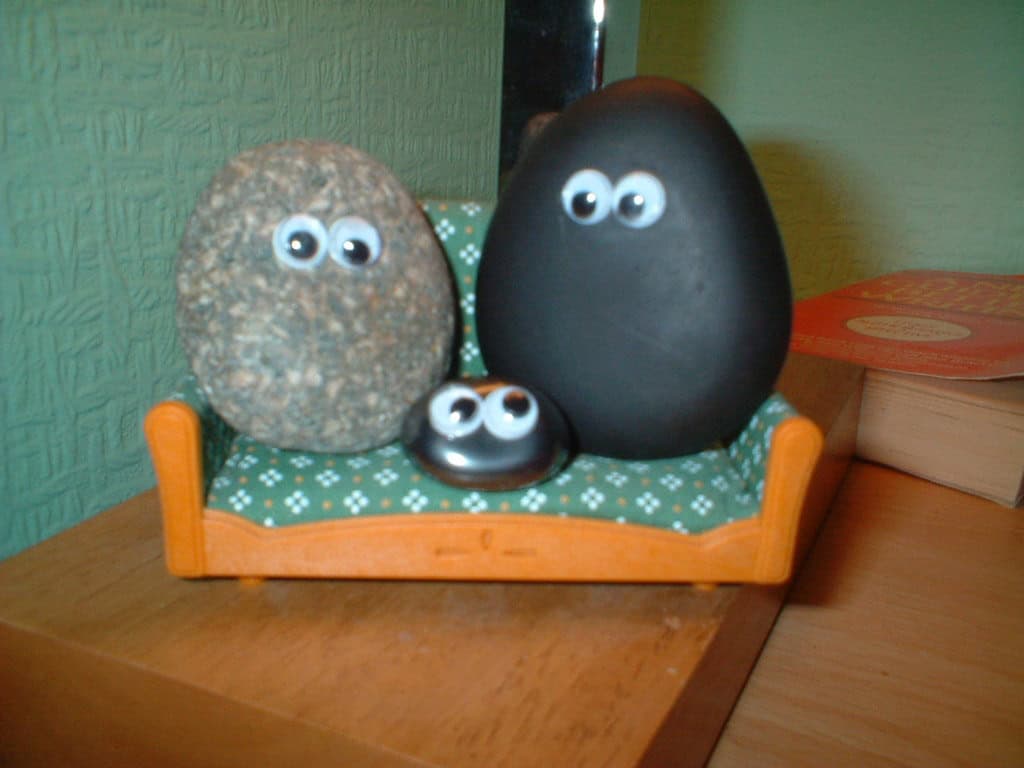
The Pet Rock may be the cleanest proof that 70s America had a strange sense of humor and a few dollars to spend on a joke. Gary Dahl launched the product in 1975: a smooth stone packed in a cardboard carrier with a funny instruction manual.
The Washington Post reported that the fad sold about 1.5 million units at $3.95 each, turning Dahl into a millionaire from what was basically a rock with branding. That is not an insult. It was brilliant novelty marketing. The Pet Rock worked because it mocked consumer culture while fully participating in it.
It was the lowest-maintenance pet on Earth, which was the whole joke. Then the joke ran out. Once everyone understood the gag, there was no second act. You could not feed it, train it, or build a movement around it. It vanished because it was perfect at being one thing: a six-month laugh in a cardboard box.
Clackers

Clackers were simple, loud, and a little terrifying, which is exactly why kids loved them. The toy had two hard balls attached to a string, and the goal was to swing them so they smacked together over and over, making a sharp clack that could drive parents and teachers halfway up the wall.
The U.S. Consumer Product Safety Commission later described clacker balls as a popular toy in the early 1970s, but it also warned of fragmentation and parts flying apart during sudden disassembly. That is a polite government way of saying the toy could turn into tiny shrapnel.
Kids remember the bruises, the noise, and the strange pride of keeping the rhythm going. The original craze faded because safety culture changed. A toy that could break apart near a child’s face was not going to survive modern scrutiny. Softer versions exist, but the wild, hard-acrylic clacker era belongs to a time before every playground object had a warning label.
Jarts

Jarts were sold as backyard fun, which is unsettling once you remember they were basically weighted darts with metal tips thrown across a lawn. Families aimed them at plastic rings on the ground, and the game had that old suburban confidence that adults could supervise danger and turn it into safety.
The CPSC did not see it that way for long. In 1988, the agency voted for a lawn dart ban after three deaths and more than 6,000 injuries, stating that the earlier safety measure had failed. Another CPSC publication states that lawn darts were banned in the United States in 1988 and urges people to destroy pointed metal sets.
This trend did not vanish because people got bored. It vanished because children were getting hurt and killed. Safer lawn dart alternatives still exist, but original Jarts now sit in the same cultural category as cars without seat belts: once normal, now shocking.
Pyramid Power

The 70s had a soft spot for mysterious energy. Pyramid power fits right into that mood. People bought or built small pyramids that allegedly sharpened razor blades, preserved food, improved sleep, or concentrated unseen forces.
It was part science costume, part mysticism, part living-room experiment. The trend rode the decade’s interest in ESP, crystals, alternative health, astrology, and the search for meaning outside traditional institutions. Hard numbers on pyramid-power sales are not as strong as the data for Pet Rocks or Jarts, so it is better understood as a cultural craze than a measurable retail giant.
Still, its appeal makes sense. It gave people a cheap way to feel connected to hidden knowledge. It faded because the claims were too thin to hold mass attention, and the 1980s grew more interested in technology, money, fitness, and sharper forms of self-improvement. Pyramid power never fully disappeared from fringe belief circles, but as a mainstream fad, it drifted away like incense smoke.
Waterbeds
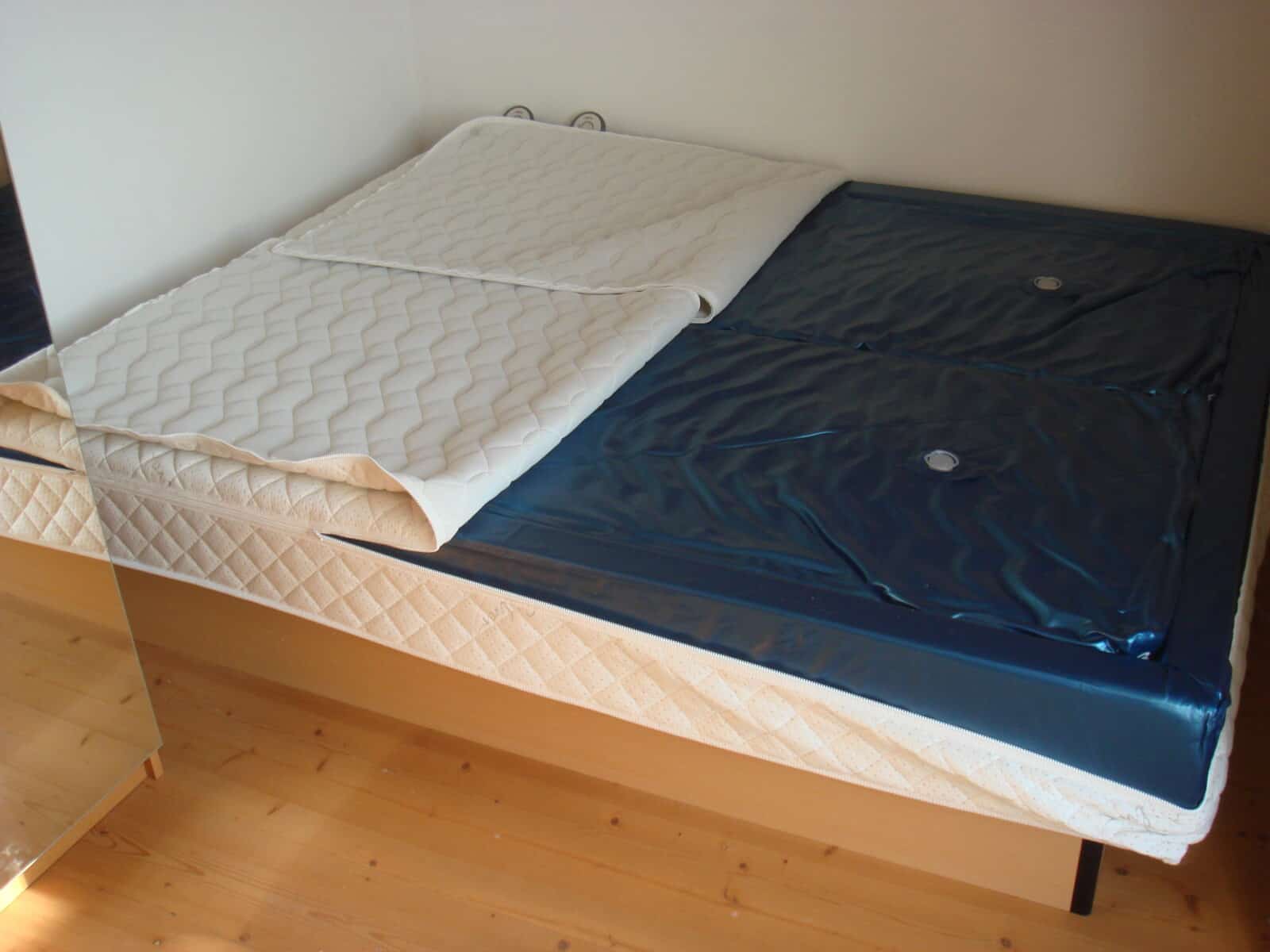
The waterbed was born from a late-60s invention, but the 70s gave it its image: sensual, futuristic, slightly rebellious, and impossible to ignore. Charles Hall presented a water-filled vinyl mattress as a design project in 1968, and The Atlantic reported that when classmates reached his project, “Everybody just ended up frolicking on the waterbed.”
That reaction pretty much explains the early marketing problem and opportunity at once. By 1987, waterbeds reached their peak, with roughly one in five mattresses sold being a waterbed, and the market was worth about $2 billion, according to the Specialty Sleep Association’s history.
Hall later admitted that buyers were drawn to “the sensual or the sexual part,” not just the promise of better sleep. Then reality leaked in, sometimes literally. Waterbeds were heavy, hard to move, prone to leaks, heater-dependent, and less practical than newer mattresses. Today, they survive as oddities and memories, not the bedroom flex they once were.
Mood Rings
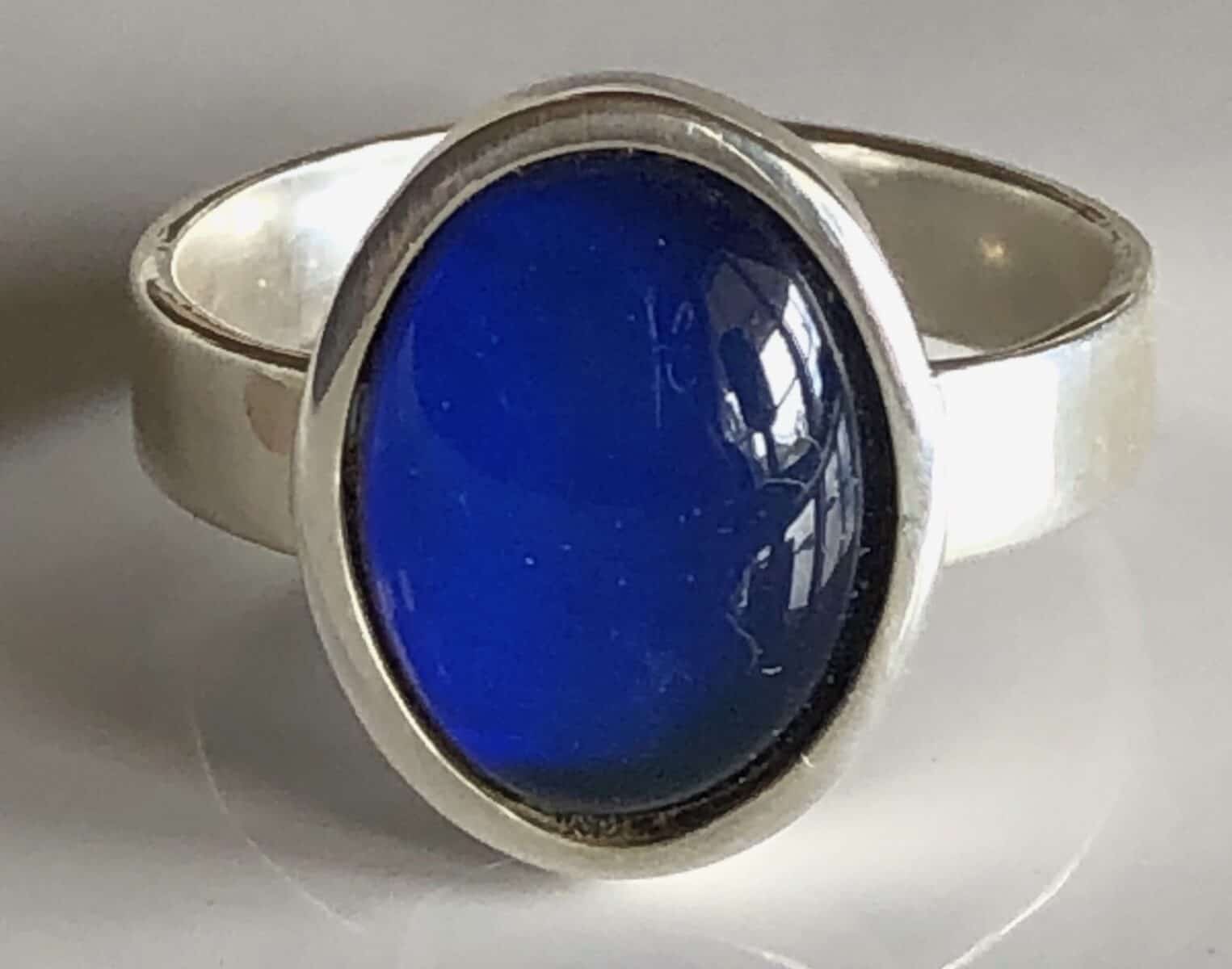
Mood rings were the 70s in miniature: pretty, mystical, science-adjacent, and a little ridiculous. History.com reported in 2025 that mood rings used thermotropic liquid crystals that changed color based on body heat, not actual emotions.
Kelly Boyer Sagert, who researched the fad for her book The 1970s, explained that the rings were marketed as emotional indicators, with different colors linked to stress, relaxation, mixed feelings, or unsettled moods. The timing was perfect.
The decade loved self-discovery, pop psychology, and objects that seemed to reveal the hidden self. A ring that claimed to reveal your mood was irresistible at school, at parties, and on mall counters. But body temperature is not a diary.
Once the novelty wore off and the rings no longer seemed magical, they became cheap trinkets rather than cultural symbols. You can still buy mood rings, but the old belief that jewelry could decode your soul faded with the lava lamp glow.
The Dorothy Hamill Haircut

The 70s knew how to turn a haircut into a national assignment. Dorothy Hamill won Olympic gold in 1976, and her short wedge cut became one of the decade’s most copied hairstyles.
Woman’s World noted in 2026 that Hamill’s wedge became a must-have style and even helped make her the face of Clairol’s Short & Sassy products. Then there was Farrah Fawcett, whose feathered layers became a different kind of hair event.
Vanity Fair reported that her famous red swimsuit poster sold millions of copies, and her hair became part of the image that made her a 70s icon. These looks were powerful because TV, posters, magazines, and salons moved culture before social media existed.
Why did they fade? They were tied to specific faces, specific cameras, and specific decades. The Hamill wedge and Farrah feathers still inspire retro revivals, but as full cultural commands, they belonged to a world where one celebrity image could send half the country to the salon.
“Anything Goes” Pranks in High Schools

School culture in the 70s had a different relationship with risk. Some things that were treated as mischief then would now bring meetings, suspensions, police reports, or district-wide emails.
Streaking spilled into campus and school lore, clackers rattled through classrooms, and novelty fads moved fast because young people had fewer digital distractions and a lot of shared physical space.
University archives show how quickly streaking spread in March 1974, and CPSC records on clackers show how a popular toy could later become a safety concern. The point is not that every high school was a lawless circus. It is that the era had looser boundaries around pranks, liability, and physical risk.
As administrators, parents, insurers, and safety regulators caught up, the “anything goes” spirit got boxed in. Some of that was probably necessary. Some of it also explains why 70s school stories sound like they came from another country.
Avocado-Everything and Burnt-Orange Interiors
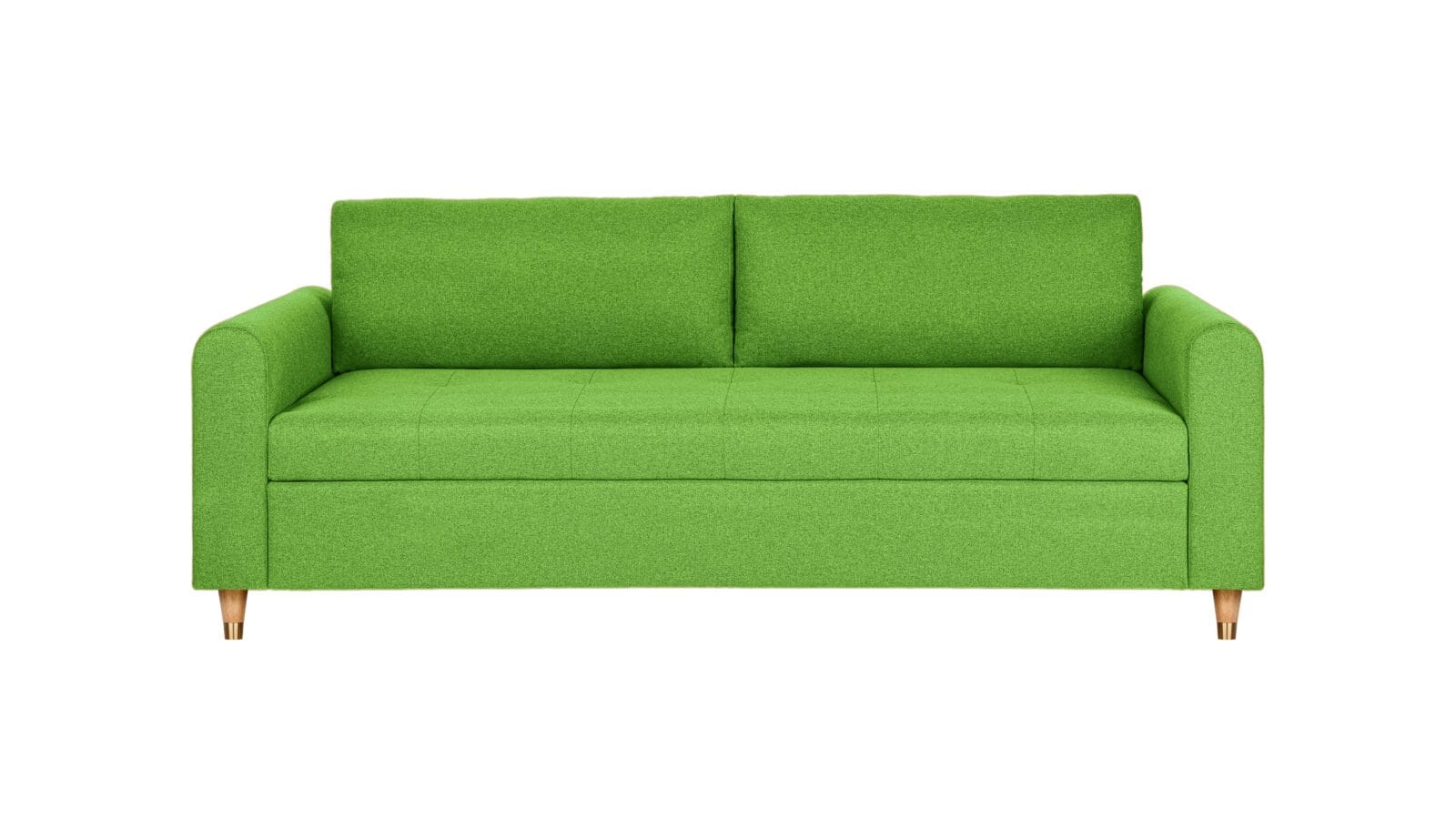
The 70s home did not fear color. It invited avocado green, harvest gold, burnt orange, shag carpet, wood paneling, heavy drapes, bold florals, and enough texture to make a living room feel like it needed a rake.
Southern Living’s 2026 look at 70s home trends highlights vivid and burnt color palettes, including lime green, burnt orange, harvest gold, and avocado. House Beautiful also noted that Harvest Gold became a popular home color in 1973, as earthy trends continued throughout the decade. The appeal lay in warmth, personality, and a back-to-nature feeling, filtered through synthetic materials and bold design.
The full look vanished because the design taste swung hard in the other direction. In later decades, lighter rooms, stainless steel, white kitchens, neutral walls, and cleaner lines became the norm. Today, burnt orange or avocado can look chic in small doses, but the full 70s kitchen package still feels like stepping into a fondue pot with wall-to-wall carpet.
CB Radio Culture
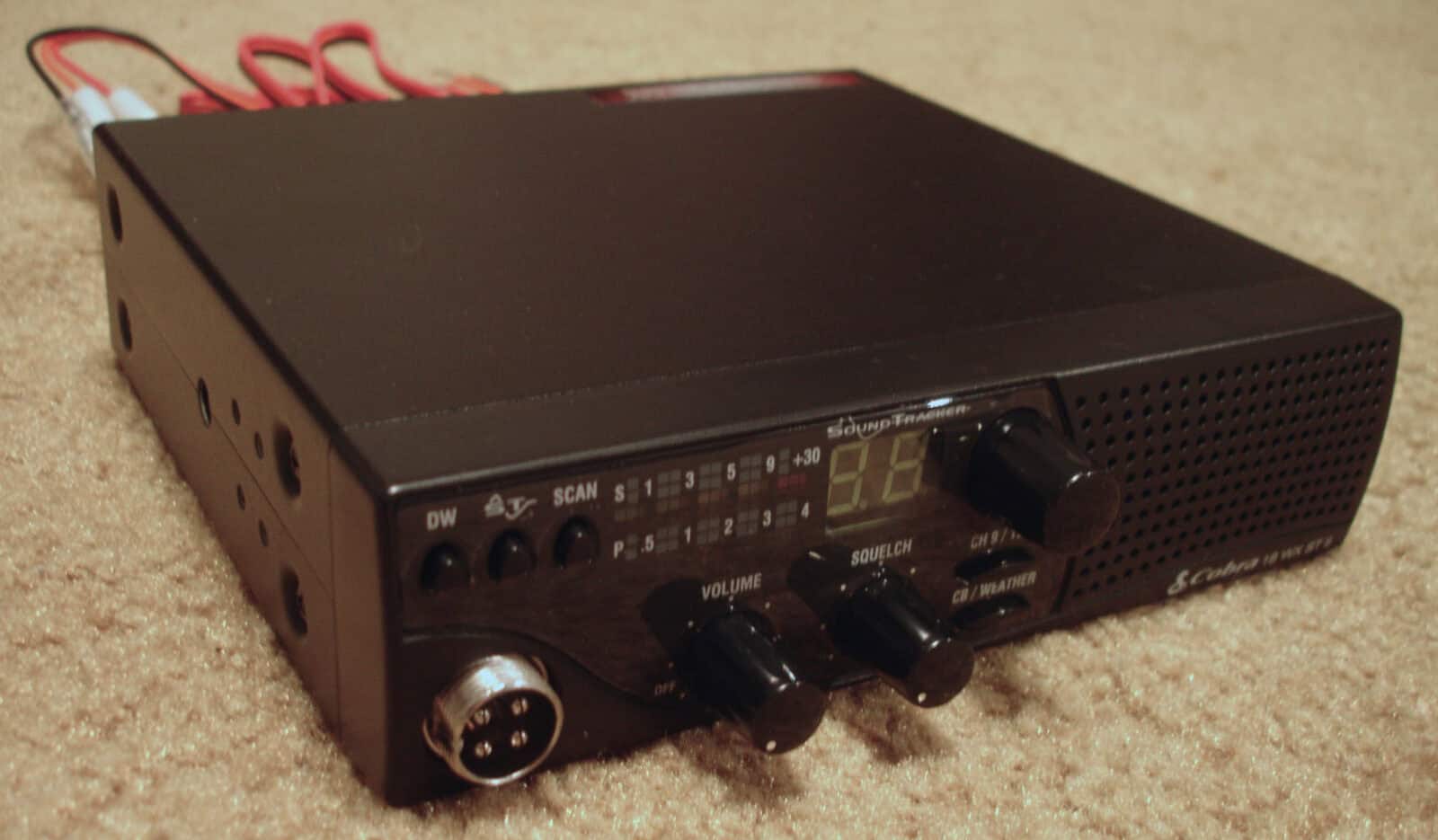
Before group chats, location sharing, traffic apps, and comment threads, there was CB radio. Drivers picked handles, swapped road warnings, used trucker slang, and talked to strangers through open channels.
Wired described the 1970s as a deeply faddish time and called CB radio one of the decade’s biggest fads, tied to the hit song “Convoy,” movies such as Smokey and the Bandit, and long-haul trucker culture. The national 55 mph speed limit in 1974 also helped make CB radios useful, since truckers and motorists shared information about police and road conditions.
It was practical, social, and strangely glamorous. Then technology caught up. Cell phones, GPS, digital mapping, satellite communication, and social media replaced much of the everyday need for CB culture. CB radios still exist among truckers, hobbyists, off-roaders, and emergency-minded drivers, but the mainstream romance is gone. The old group chat now lives in your pocket.
A Short Reflective Close

The wildest 70s trends did not appear out of nowhere. They came from a decade that loved experimentation, spectacle, cheap materials, big personalities, and a little harmless nonsense, though not all of it stayed harmless.
Some fads vanished because they were unsafe. Some vanished because the joke ran out. Some lost to technology, better design, or the 1980s desire to look sharper and more serious. Still, they leave behind a bright, strange trail. A Pet Rock on a shelf. A CB handle in an old story. A Farrah flip in a photo album. A harvest-gold kitchen, someone swears, was beautiful at the time.
The 70s were not subtle. That is why we still remember them.
Key Takeaways

Many vanished 70s trends died because safety standards changed. Clackers faced regulation because of fragmentation risks, and original metal-tipped lawn darts were banned in 1988 after three deaths and more than 6,000 injuries. Those fads are funny only until you remember why they disappeared.
Other trends faded because technology or taste moved on. CB radios lost their mass appeal to phones, GPS, and social media, while leisure suits, avocado interiors, and celebrity haircuts became too tied to one decade’s image. What looked fresh in 1976 could look painfully dated by 1983.
The strangest trends lasted because they captured the decade’s mood. Pet Rocks sold about 1.5 million units because America was ready to laugh at consumer culture, mood rings sold the fantasy of emotional self-knowledge, and waterbeds turned sleep into a lifestyle statement. The 70s gave ordinary objects a spotlight, then moved on before most of them knew what hit them.
Disclaimer – This list is solely the author’s opinion based on research and publicly available information. It is not intended to be professional advice.
Like our content? Be sure to follow us