10 things $1 billion in taxpayer money could pay for instead of Trump’s White House ballroom
At $1 billion, the security budget tied to Trump’s White House ballroom rivals the annual budgets of entire public programs serving millions of Americans.
Senate Republicans have tucked a $1 billion line item into an immigration and border funding bill to finance “security adjustments and upgrades” connected to President Donald Trump’s new White House ballroom, part of the East Wing Modernization Project. The legislation doesn’t name the ballroom directly, but it routes the money to the Secret Service for above‑ and below‑ground security features around the project, turning what was touted as a privately funded vanity construction into a major taxpayer expense.
This vs that….
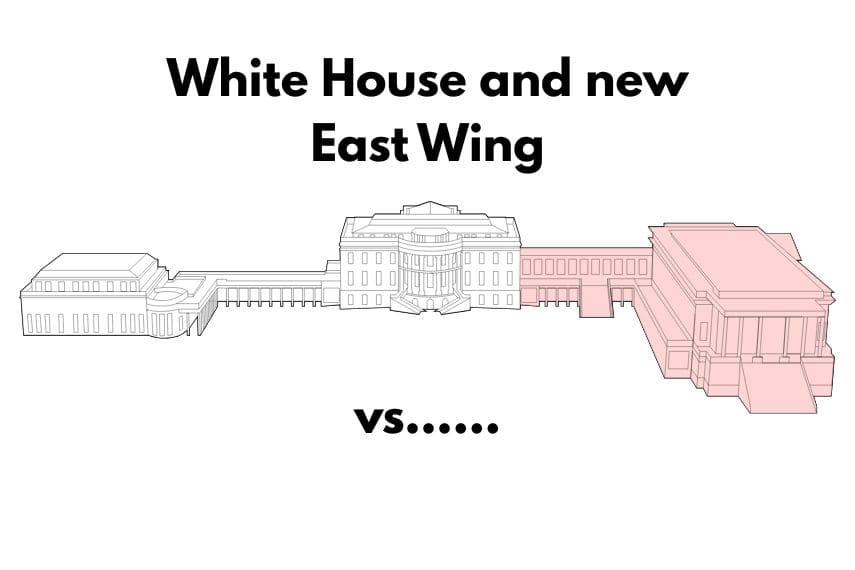
The White House still insists private donors are paying for the ballroom itself, estimated at around $400 million, while the new funds are for security hardening after a recent assassination attempt at a Washington media dinner. But critics argue that however it is labeled, $1 billion in public money tied to a luxury event space is a choice — and that those dollars could instead address urgent needs in housing, health care, education, and infrastructure nationwide.
So what could $1 billion dollars pay for? Let’s take a look.
1. Housing for tens of thousands of families
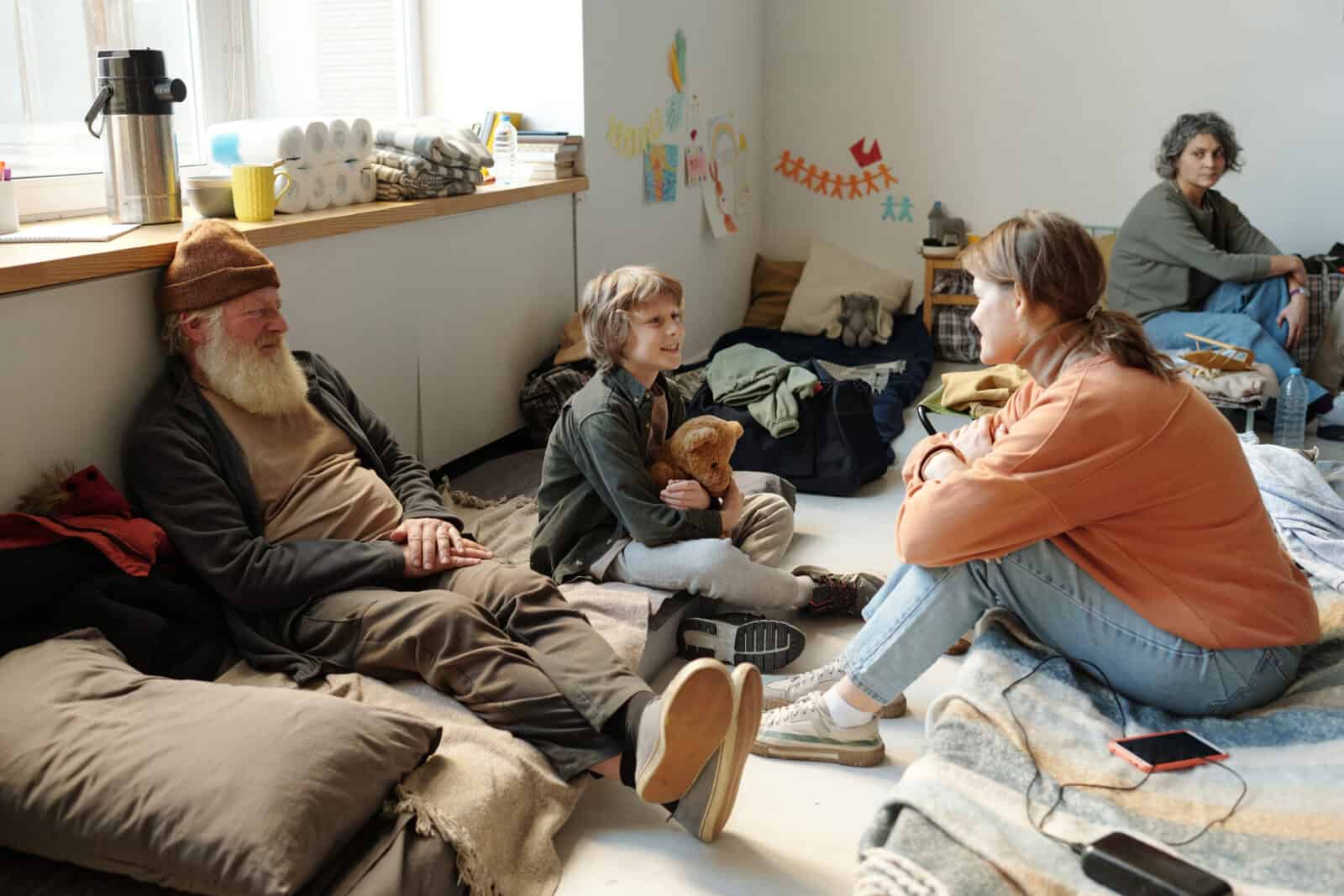
At a time of soaring rents and homelessness, $1 billion could dramatically expand affordable housing or rental assistance.
- The average cost to build one new affordable apartment often falls in the $200,000–$300,000 range in many U.S. cities; using $250,000 as a rough midpoint, $1 billion could help finance about 4,000 deeply affordable units.
- Alternatively, if targeted as rental vouchers at roughly $1,000 per month, that same $1 billion could cover a year of housing support for about 83,000 households.
Instead of reinforcing a 90,000‑square‑foot ballroom complex on White House grounds, those funds could keep tens of thousands of families stably housed and off the streets.
2. Childcare relief for working parents

High childcare costs push many parents, especially mothers, out of the workforce.
- If the government offered childcare subsidies worth $10,000 per child per year, $1 billion could support around 100,000 children for a full year of care.
- That kind of investment would help employers fill jobs, reduce financial stress on families, and support child development — benefits that ripple far beyond a single federal construction site.
While the ballroom is marketed as a venue for state dinners and elite events, the same price tag could give everyday parents a lifeline to keep working and caring for their kids.
3. Student debt relief or community college tuition

For millions of borrowers, even modest student debt relief would be life‑changing.
- If directed to federal student loan forgiveness, $1 billion could wipe out $10,000 in debt for about 100,000 people or provide smaller relief to many more.
- In states where community college tuition and fees hover around a few thousand dollars per year, $1 billion could cover a year of community college for hundreds of thousands of students.
Compared with a ballroom that most Americans will never set foot in, redirecting those dollars to education would expand opportunity in every state.
4. Fixing aging bridges and roads
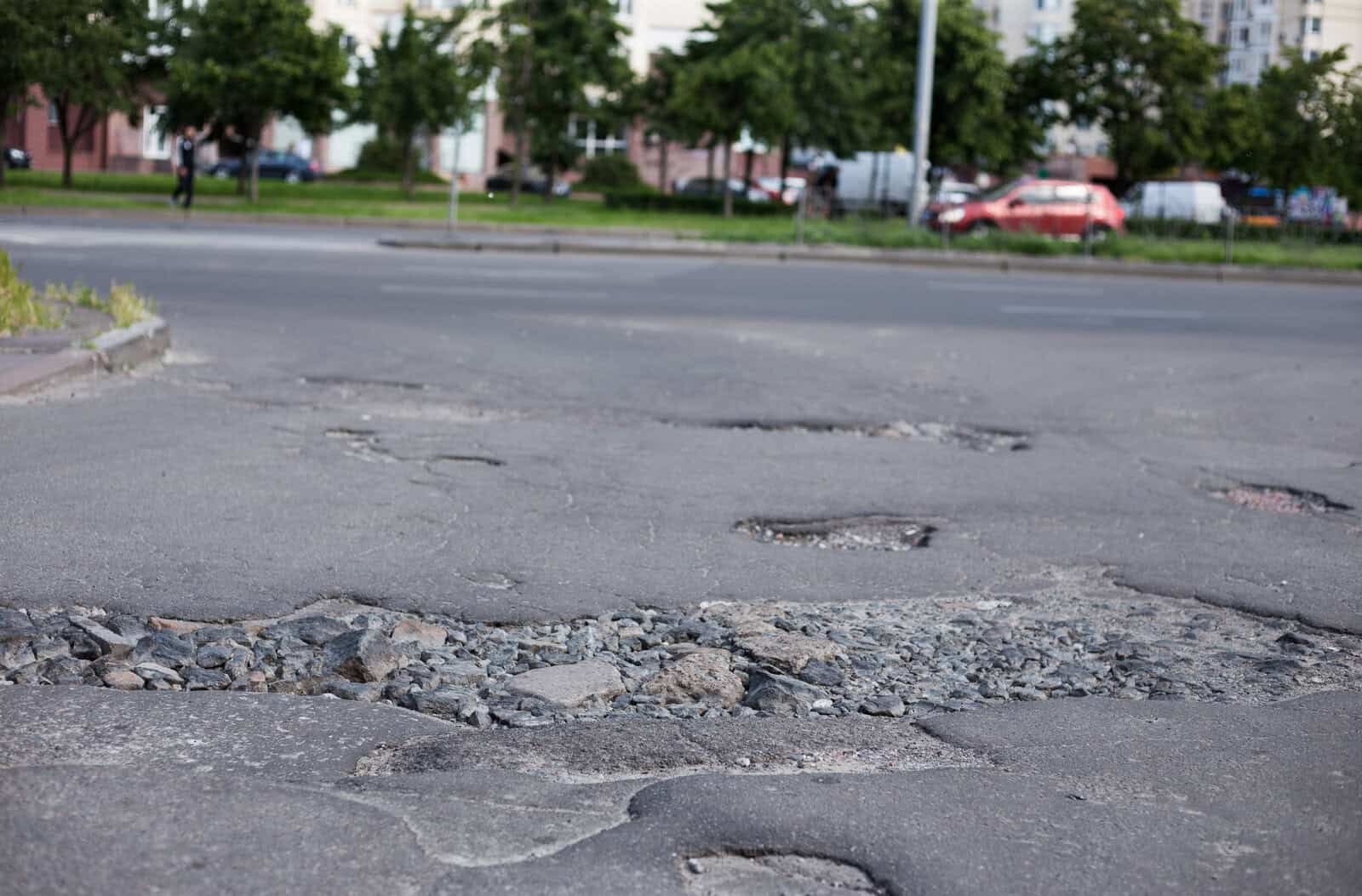
The American Society of Civil Engineers consistently warns about crumbling infrastructure, from structurally deficient bridges to pothole‑ridden roads.
- If it costs a few million dollars to repair or replace a small to mid‑sized local bridge, $1 billion could fund work on scores of critical crossings in rural towns and big cities alike.
- A billion dollars toward resurfacing and safety upgrades could improve hundreds of miles of roads that Americans rely on every day to get to work, school, and medical appointments.
Instead of reinforcing the perimeter of a single government compound, that money could literally rebuild connections in communities across the map.
5. Expanding access to mental health care

Access to therapists, psychiatrists, and crisis services remains severely limited in many parts of the country.
- If a year of outpatient therapy and medication management for one person averaged around $3,000, $1 billion could cover treatment for roughly 333,000 people.
- Those funds could also seed hundreds of new community mental health clinics, mobile crisis teams, or school‑based counseling programs.
Rather than hardening underground spaces beneath a ballroom, investing in mental health would strengthen the social fabric and reduce downstream costs in emergency rooms and jails.
6. Boosting teacher pay and keeping classrooms staffed

Many districts struggle to recruit and retain teachers due to low pay and challenging working conditions.
- If you earmarked $1 billion purely for pay increases and divided it into $5,000 stipends, about 200,000 teachers could receive a one‑year raise.
- Targeting the funds to high‑need districts could stabilize staffing in schools serving low‑income communities and students of color.
While the ballroom is meant to host dignitaries and political donors, this kind of investment would reward the educators who show up for America’s children every day.
7. Strengthening rural hospitals and emergency rooms
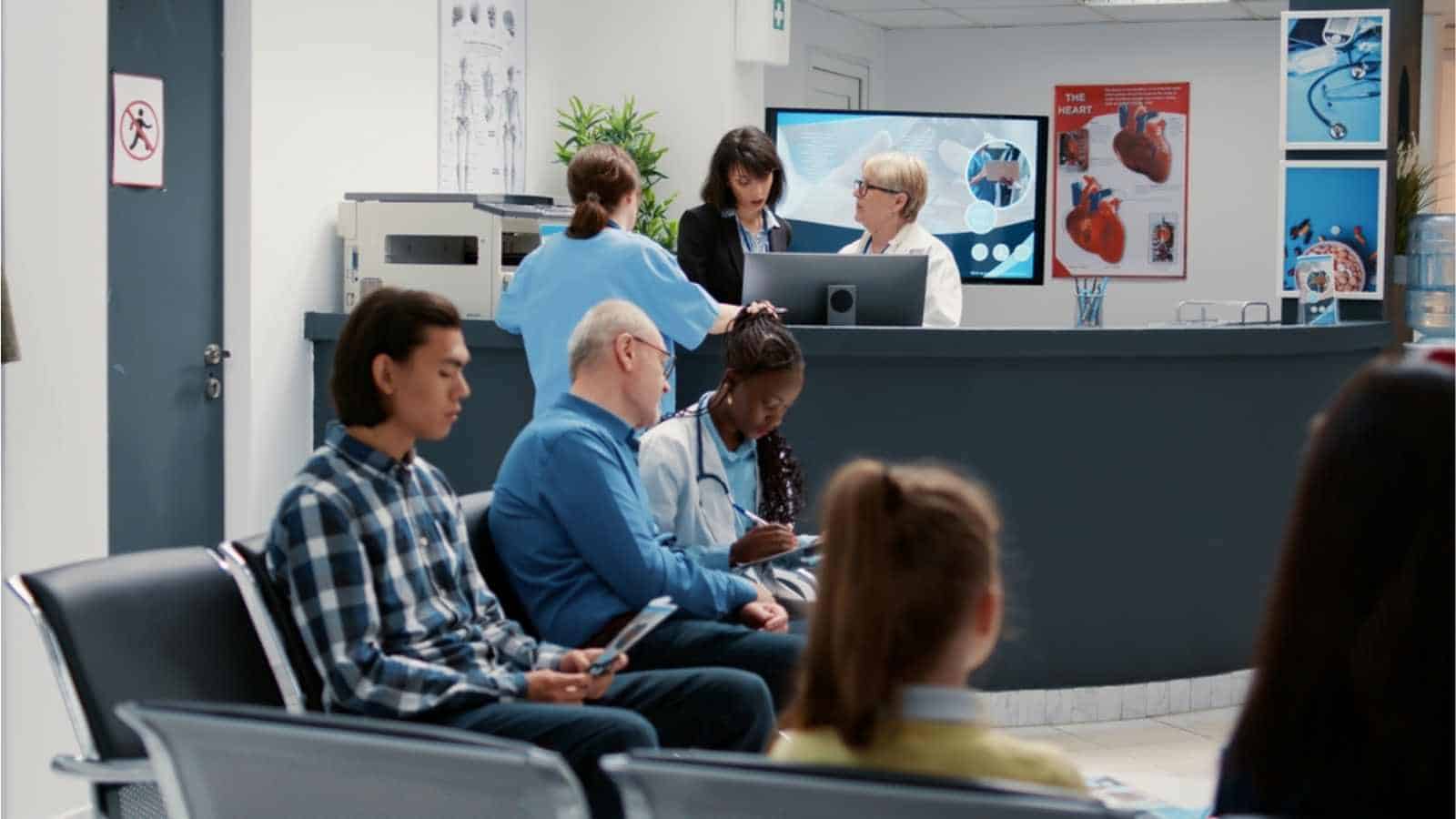
Rural hospitals across the U.S. have closed or sit on the brink, leaving entire regions without nearby emergency care.
- If grants of $10 million each helped keep small hospitals open or modernized, $1 billion could support 100 facilities facing financial strain.
- That could mean the difference between a 20‑minute drive and a 2‑hour drive when someone is having a heart attack or a complicated birth.
Instead of funding a bomb‑resistant event wing under the umbrella of “security,” those public dollars could shore up the health care systems that protect everyday people.
8. Modernizing drinking water systems

Lead pipes, aging mains, and contaminated wells still threaten safe drinking water in many communities.
- If the average replacement or upgrade project runs in the $5 million–$10 million range for a small city’s key lines, $1 billion might underwrite 100–200 such projects nationwide.
- That could dramatically reduce lead exposure for children, prevent water‑main breaks, and improve resilience against droughts and floods.
Compared with a ballroom that needs to withstand drone attacks, upgrading water infrastructure would protect people’s health every time they turn on the tap.
9. Tackling homelessness with housing and services

Homelessness has surged in many cities, but evidence shows that “housing first” strategies paired with support services can work.
- If comprehensive housing plus services cost about $30,000 per person per year, $1 billion could provide a year of housing and support for more than 33,000 people experiencing homelessness.
- Investments could fund supportive housing units, shelter expansions, street outreach, and behavioral health services in the hardest‑hit regions.
For people sleeping in tents or cars, that shift in spending priorities would mean a safe bed instead of a reinforced party space for political elites.
10. Disaster preparedness and climate resilience

Communities face rising risks from wildfires, hurricanes, floods, and heat waves.
- With $1 billion, the federal government could help states build floodwalls, wildfire‑resistant power lines, cooling centers, and early‑warning systems that save lives during extreme weather.
- Grants of $10 million each could support 100 local resilience projects, from elevating homes to upgrading stormwater systems.
Rather than pouring that money into underground security features beneath a ballroom, such investments would protect entire towns from disasters that grow more frequent and costly every year.
Where do you think the money should go?

Putting $1 billion toward security upgrades tied to the White House ballroom reflects one possible federal spending choice, and the debate centers on whether that money should fund this project or be redirected to other public needs like housing, health care, or infrastructure. Where do you think the money should go?
12 things the middle class can no longer afford in 2026

In 2026, a growing list of everyday staples is quietly slipping beyond the financial reach of the middle class.
The American dream feels a bit like a moving target lately. Families working hard every single day are suddenly realising their paychecks just do not stretch as far as they used to. What used to be considered standard middle-class lifestyle staples are quietly slipping out of reach for millions of hardworking folks.
READ: 12 things the middle class can no longer afford in 2026