12 outdated things women are tired of hearing about belief and morality
Across the United States, belief systems are shifting fast: Pew Research Center reports that nearly 29% of U.S. adults now identify as religiously unaffiliated, a number that has climbed steadily over the past decade, especially among younger women.
Gallup polling also shows trust in organized religion has dropped to near historic lows, with fewer than 40% of Americans expressing high confidence in religious institutions. Yet despite these measurable shifts, women continue to face moral commentary tied to outdated expectations about belief, behavior, and identity.
The tension is clear: cultural data show a shift in values, but everyday conversations still recycle older moral frameworks. This article breaks down the most common moral narratives women are actively pushing back against, backed by research trends, cultural analysis, and real-world behavioral shifts.
“A woman’s morality depends on her level of religiosity.”

Public discourse in the U.S. still connects women’s moral standing with religious participation, despite research showing that ethical decision-making is not exclusive to religious affiliation.
Social scientists at the University of Chicago’s NORC Center note that moral reasoning increasingly draws from social justice, community responsibility, and personal accountability rather than doctrine alone.
In everyday life, this shows up when women volunteer, mentor, or lead workplace ethics initiatives without referencing religious motivation. The outdated assumption collapses under modern behavioral data: morality is now expressed through actions rather than membership in institutions.
Experts in cultural sociology emphasize that ethical identity has diversified, making morality a broader human construct rather than a religious metric.
“Good women are modest in belief and expression.”
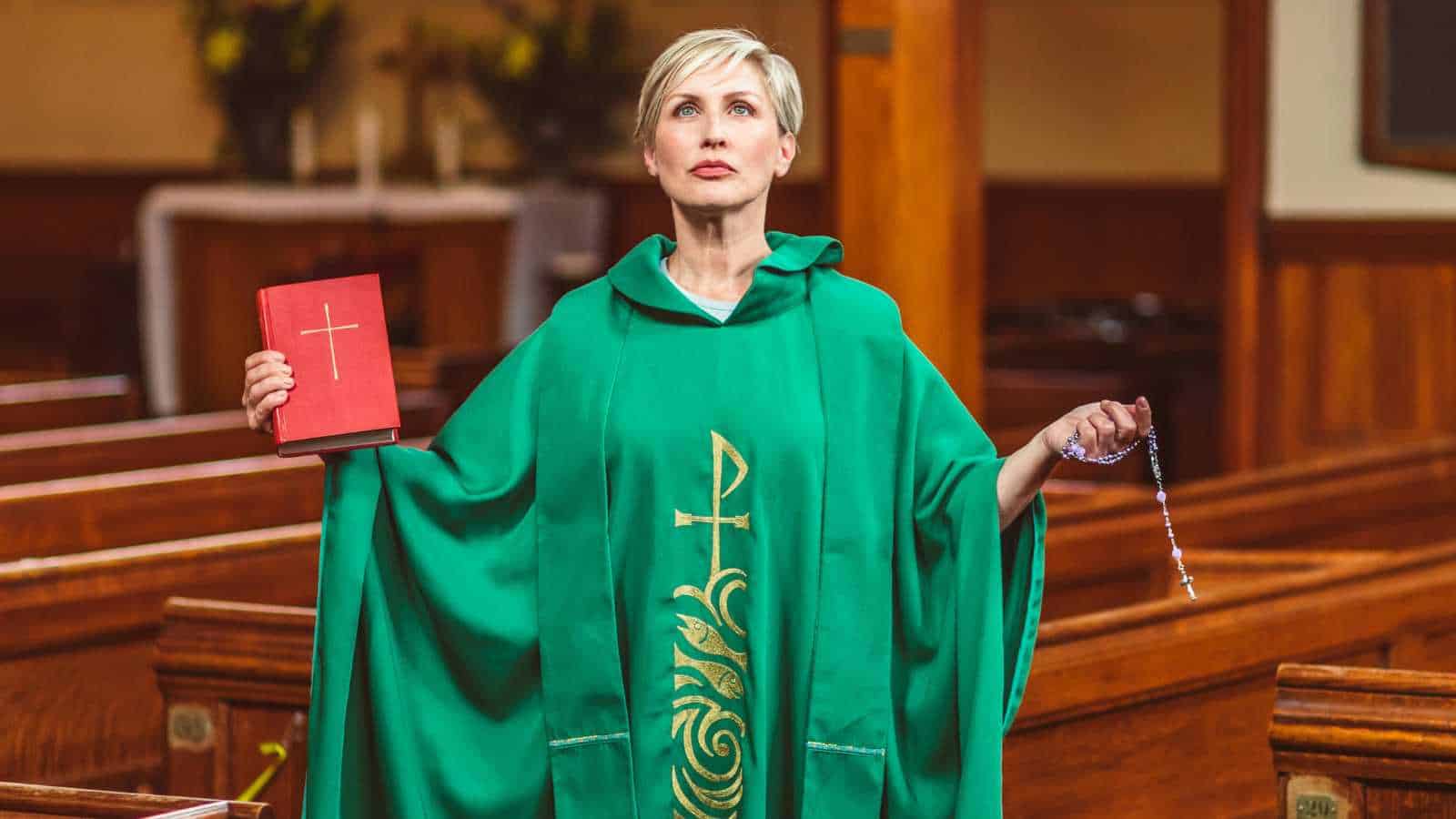
The idea that women should downplay convictions or spiritual opinions has weakened significantly, especially in digital culture. This visibility challenges older norms that equated “goodness” with silence or restraint.
Communication researchers at Stanford note that expressive authenticity increases credibility and leadership influence, particularly for women in public discourse. In practice, women now openly discuss spirituality, skepticism, and moral reasoning on YouTube, podcasts, and LinkedIn without filtering tone or confidence.
The data shows a clear shift: visibility correlates with influence, and influence reshapes moral perception. The outdated expectation of modest expression no longer aligns with how authority is built in modern communication ecosystems.
“Strong beliefs must follow tradition without question.”
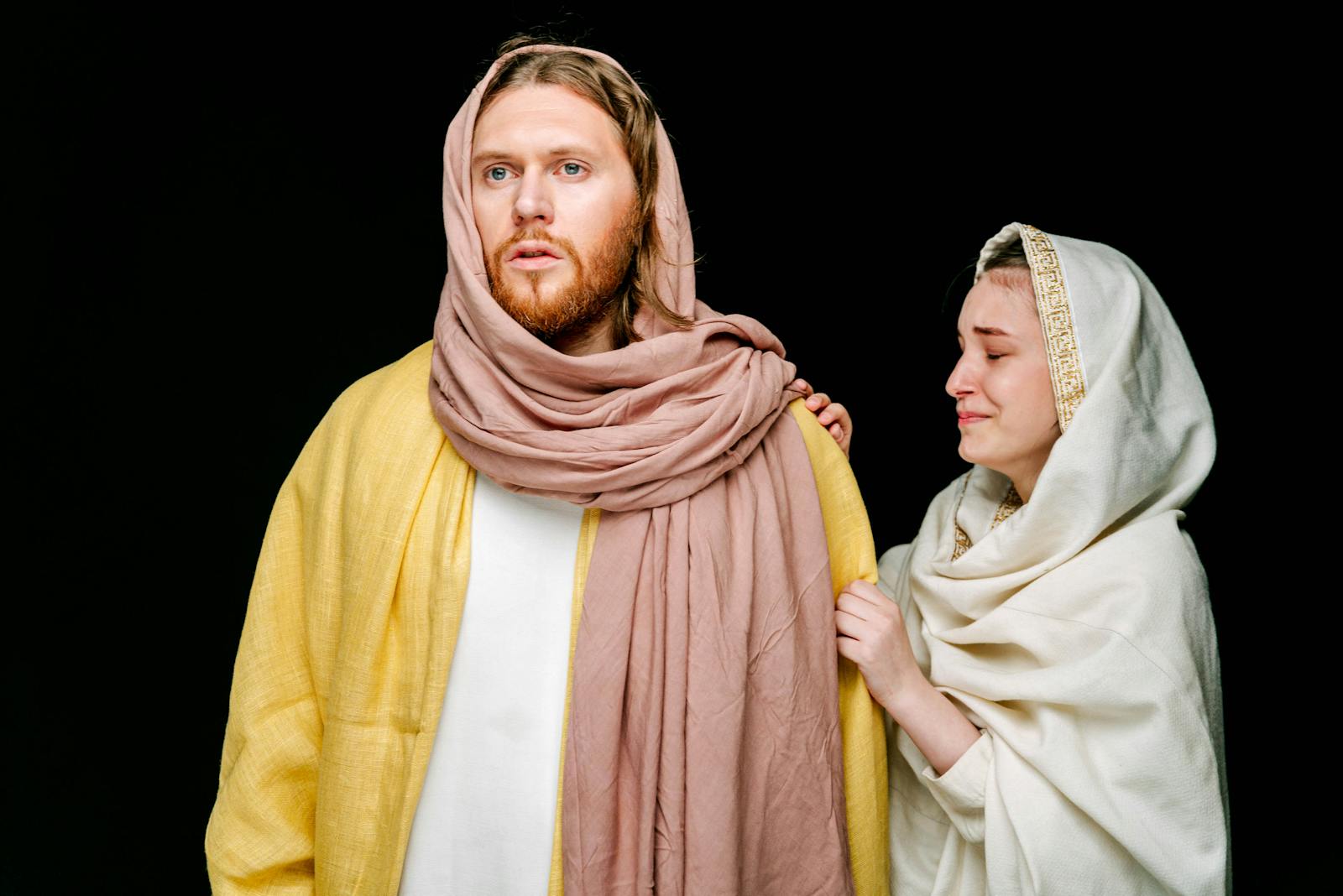
Traditional moral systems once emphasized inherited belief structures, but behavioral data tells a different story today. Gallup trend analyses reveal declining adherence to institutional doctrines across generations, especially among millennial and Gen Z women.
This shift is evident in lifestyle decisions; women increasingly question inherited norms around relationships, work ethic, and spirituality without rejecting morality itself. Instead, morality becomes adaptive.
The outdated pressure to preserve tradition without interrogation conflicts with how modern belief systems actually function: flexible, reflective, and evidence-informed.
“Moral worth is tied to obedience in relationships.”

Research on gender norms from the American Psychological Association highlights a long-standing association between women’s moral identity and relational obedience. That pattern is weakening.
Divorce rates, cohabitation trends, and independent living statistics indicate that women are exercising greater autonomy in defining relationships. Pew data indicates that younger women prioritize compatibility and emotional safety over prescribed roles.
Behavioral economists studying household decision-making note that financial independence correlates strongly with autonomy in moral and relational choices. In practical terms, women now evaluate relationships through frameworks of mutual respect rather than obedience hierarchies.
The outdated narrative of moral worth tied to compliance does not reflect current relational dynamics or decision-making behavior.
“Spiritual skepticism equals moral decline.”
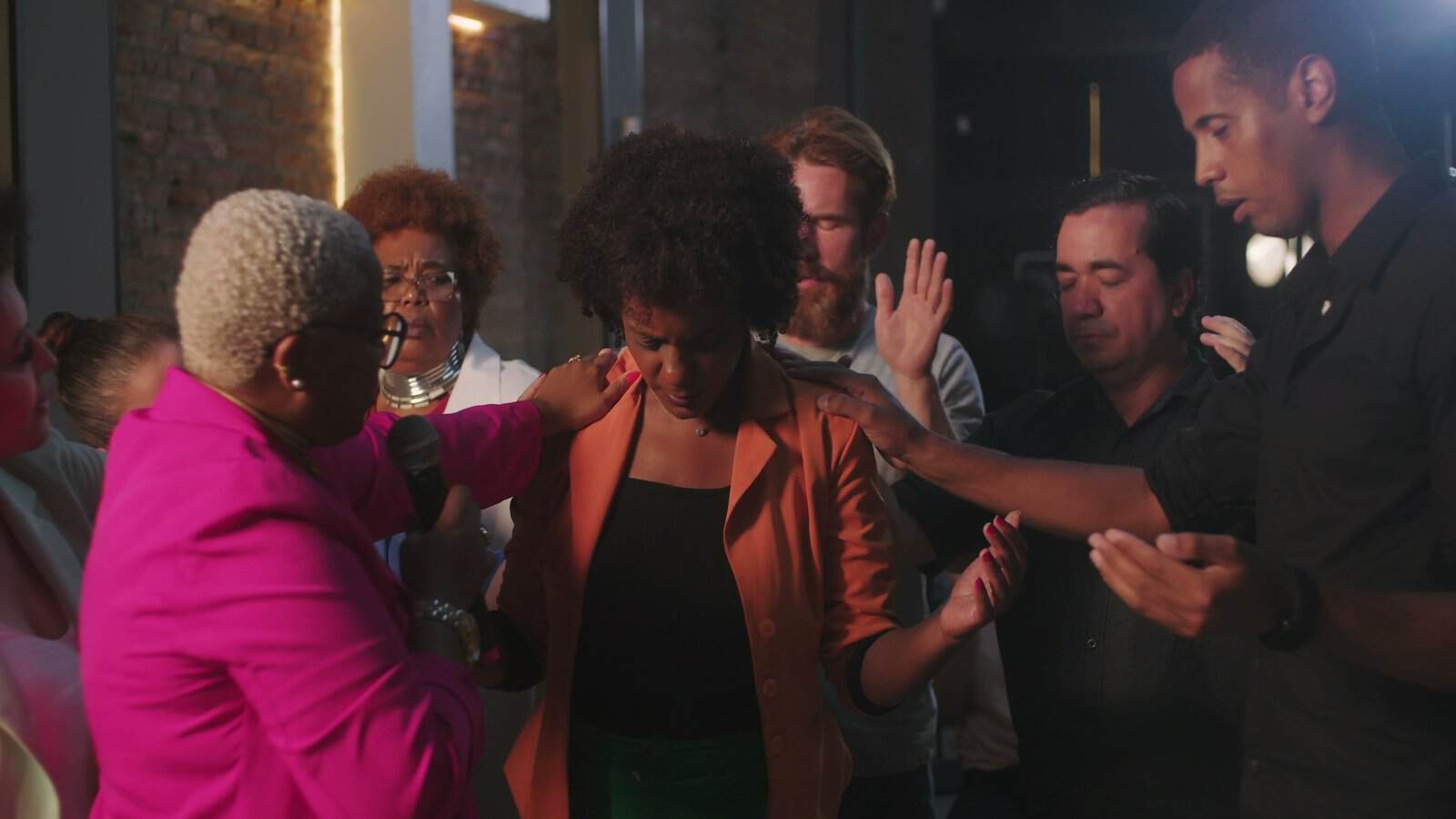
A common misconception is that questioning belief systems signals ethical erosion, yet the data tell a different story. Pew Research Center findings show that religiously unaffiliated Americans still report high levels of charitable giving, volunteering, and civic participation.
Studies from Indiana University’s Lilly Family School of Philanthropy confirm that generosity is not strongly dependent on religious affiliation. Women in particular contribute significantly to community initiatives through non-religious organizations.
Sociologists argue that skepticism often leads to more intentional moral reasoning rather than less. In real-world observation, questioning belief structures often coincides with deeper ethical exploration rather than disengagement.
The assumption that skepticism is linked to moral failure no longer aligns with behavioral evidence.
“Women must align morality with appearance standards.”

Cultural studies from UCLA show persistent links between appearance judgments and moral assumptions about women, yet those links are weakening under public scrutiny. Social media analysis indicates strong backlash against appearance-based moral labeling, particularly among Gen Z users.
Psychological research from the American Psychological Association shows that body-related moral judgments contribute to anxiety and reduced self-esteem without improving ethical behavior.
Women increasingly challenge this by separating identity from appearance metrics in professional, spiritual, and social contexts. The outdated equation between appearance and moral value is losing credibility as public discourse shifts toward competence, contribution, and character-based evaluation.
“Faith must be public to be valid.”

Religious expression has traditionally been measured through visibility, but modern belief systems are increasingly private or hybrid. Pew Research Center reports growth in “quiet spirituality,” especially among women who practice meditation, personal reflection, or non-institutional prayer.
Anthropologists studying contemporary spirituality note that private belief systems often integrate ethics more consistently into daily behavior than public performance does. In workplaces and academic spaces, women often separate personal spirituality from professional identity without diminishing moral clarity.
The assumption that visibility equals authenticity no longer matches how belief is practiced in modern contexts.
“Women’s moral authority comes from caregiving roles.”

Caregiving has long been tied to moral expectation, but workforce and education data challenge this limitation. U.S. Bureau of Labor Statistics reports rising female participation in leadership, STEM, and entrepreneurship roles.
Moral authority now emerges in diverse spaces, such as policy, business ethics, and public health, not only in caregiving environments. Women increasingly define moral authority through impact and expertise rather than assigned roles.
The outdated framing restricts identity in ways that no longer reflect occupational realities.
“Religious belief determines political morality.”

Political science research from Pew and Brookings shows increasing decoupling between religious identity and political views, particularly among women voters. Moral positions on healthcare, education, and social policy now draw from multiple influences, including lived experience and economic conditions.
Women’s voting behavior reflects issue-based reasoning rather than single-source moral alignment. This weakens the assumption that political morality is strictly defined by religious doctrine.
“Questioning moral teachings means rebellion.”

Behavioral psychology research from the University of Michigan shows that questioning authority structures is linked to higher critical-thinking ability, not to rebellion alone. Women who engage in reflective questioning often demonstrate stronger ethical reasoning in group settings and decision-making contexts.
Educational studies show that critical inquiry improves the accuracy of moral judgment over time. The outdated interpretation of questioning as rebellion fails to account for cognitive development processes that strengthen ethical reasoning skills.
“Women should avoid moral leadership spaces.”

Leadership data from McKinsey & Company shows increasing representation of women in executive roles globally, with strong correlations between inclusive leadership teams and organizational performance.
Ethical leadership studies highlight that diverse leadership improves transparency in decision-making and accountability. Women’s participation in policy, tech ethics, and nonprofit governance reflects this shift. Moral leadership is no longer gender-restricted; it is performance-driven and competency-based.
“Belief must remain unchanged to be respected.”

Longitudinal studies from the Pew Research Center show that belief change is common across adulthood, with many individuals adjusting their views over time due to education, experience, and social interaction.
Women, in particular, demonstrate adaptive belief systems that integrate new information while maintaining core values. Cognitive science research supports the idea that flexibility in belief structures is associated with higher emotional resilience and problem-solving ability.
The expectation of static belief systems does not reflect how human cognition naturally evolves.
Key Takeaways

- Moral identity among women is increasingly shaped by evidence, lived experience, and personal ethics rather than institutional rules.
- Pew Research and Gallup data show declining institutional religious adherence alongside stable or rising civic engagement.
- Modern morality is expressed through behavior, leadership, and decision-making, not solely through obedience or tradition.
- Flexibility in belief systems aligns with stronger critical thinking and emotional resilience.
- Cultural expectations around women’s morality are shifting faster than public narratives.
Disclaimer: This list is solely the author’s opinion based on research and publicly available information. It is not intended to be professional advice.
Like our content? Be sure to follow us