12 common myths that intelligent people have outgrown
Smart people don’t collect beliefs like dusty trophies. They upgrade them, trade them, question them, and sometimes toss them out with yesterday’s bad takes. That matters now because Americans swim through more information, stress, wellness advice, AI content, and social media noise than ever, and the old “just trust your gut” routine needs a software update.
Pew found that 77% of U.S. adults still have at least a fair amount of confidence in scientists, but public trust remains lower than it was early in the pandemic, which says a lot about how complicated truth feels right now. CDC data also show that 30.5% of U.S. adults slept fewer than 7 hours in 2024, so yes, even our brains are trying to function on low battery.
The 12 common myths that intelligent people have outgrown aren’t just cute little life lessons. They’re mental clutter, and honestly, who needs more clutter?
Changing your mind means you’re weak
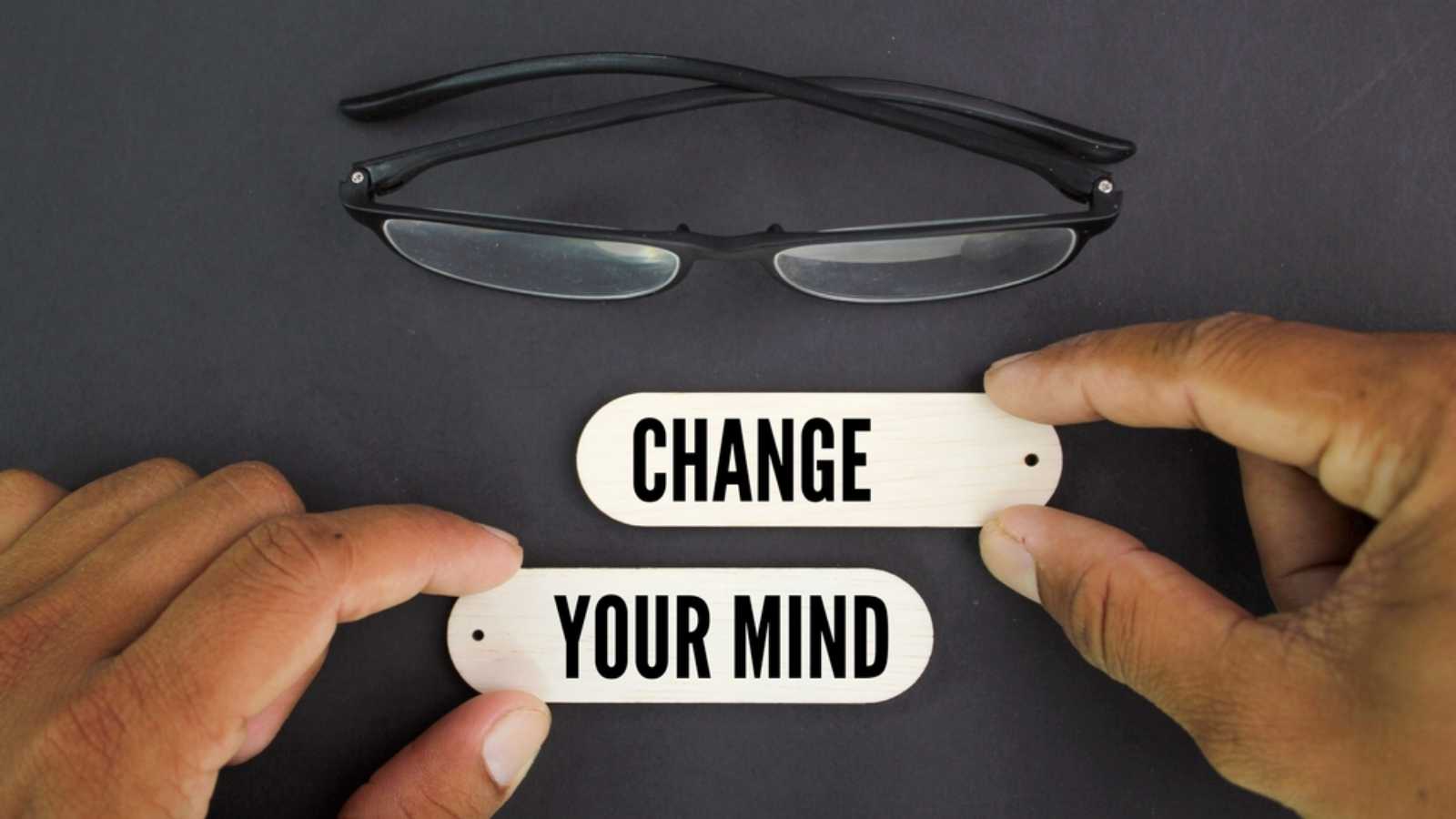
This myth deserves a dramatic exit. Intelligent people have outgrown the idea that changing your mind makes you flaky, confused, or “easy to influence.” Real thinking works more like updating a map.
When new evidence appears, you don’t keep driving into a lake just because your old directions looked confident. Pew’s 2026 data show that 77% of U.S. adults have confidence in scientists to act in the public’s best interests, yet that trust still sits below early-pandemic levels, suggesting many Americans now treat information with more caution and complexity.
I’ve changed my mind on plenty of things after reading better research, and honestly, it feels less like weakness and more like cleaning your glasses. Why cling to a bad idea just because you met it first?
Smart people know that intellectual humility beats stubborn certainty every time. The strongest thinkers don’t say, “I’ll never change.” They say, “Show me better evidence.” Fancy? Maybe. Useful? Absolutely.
Confidence proves competence

We’ve all met someone who speaks with the confidence of a TED Talk and the accuracy of a broken GPS. Intelligent people have outgrown the myth that loud certainty means someone knows what they’re doing.
The classic Dunning-Kruger research found that people in the bottom quartile on humor, grammar, and logic tests greatly overestimated their performance, with their scores around the 12th percentile while they rated themselves near the 62nd. That’s not confidence. That’s a marching band walking straight into a wall.
The sharper move is simple: ask for evidence, track results, and stay humble. Confidence can help a person speak up, but competence needs skill, feedback, practice, and proof. Ever noticed how real experts often explain limits before conclusions? That’s not insecurity. That’s maturity.
Intelligent people don’t fall for polished delivery alone because they know confidence without competence can become expensive, embarrassing, and occasionally hilarious in the worst possible way.
Multitasking makes you more productive

Multitasking sounds efficient until your brain files the grocery list under “work email” and your work email under “things I meant to do yesterday.” Intelligent people have outgrown the myth that juggling five tasks makes them faster.
Stanford researchers found heavy media multitaskers struggled to ignore irrelevant information and performed worse on memory tasks than lighter multitaskers. In one test, researcher Eyal Ophir said low multitaskers “did great,” while high multitaskers kept doing worse because they had trouble sorting information in their brains.
The trend now leans toward deep work, focus blocks, and fewer digital interruptions, because people have finally noticed that constant switching drains attention. One tab for work, one tab for music, one tab for “quick research,” and suddenly you’re watching a raccoon wash grapes at 1:14 p.m. Relatable? Painfully.
Intelligent people protect their attention like a valuable asset because, frankly, it is one. Focus doesn’t look flashy, but it gets the job done.
Sleep is for lazy people

This myth needs a pillow and a reality check. Intelligent people have outgrown the idea that sleep belongs to the unambitious. CDC data show that in 2024, 30.5% of U.S. adults slept less than 7 hours in a 24-hour period, even though the American Academy of Sleep Medicine recommends at least 7 hours for adults. The same CDC report links poor sleep health with conditions such as obesity and depression, so the “I’ll sleep when I’m dead” crowd may want to reconsider the branding.
Good sleep doesn’t make someone soft. It helps memory, mood, decision-making, and basic human decency, which your coworkers probably appreciate. Have you ever tried solving a problem after four hours of sleep and three coffees? That’s not productivity. That’s a hostage negotiation with your nervous system.
Smart people treat sleep as maintenance, not laziness, because even the best brain performs badly when it runs on fumes.
Hustle fixes everything

The hustle myth had a long, noisy run, but intelligent people have started retiring it. Working hard matters, of course, but working nonstop can turn ambition into burnout with better shoes.
Gallup’s employee engagement data show that only 31% of U.S. employees felt engaged at work in 2025, and Gallup links engagement to well-being, retention, lower absenteeism, and productivity. That tells us something important: people don’t thrive just because they stay busy. They thrive when their work gives them clarity, support, purpose, and room to breathe.
I like ambition, but I don’t trust the version that treats rest like a character flaw. Intelligent people have outgrown the idea that exhaustion proves value. They measure results, not suffering.
They also know that strategic recovery makes better work possible. Anyone can fill a calendar until it looks like a crime scene. The smarter play asks, “What actually moves the needle?” That question saves time, energy, and possibly your last remaining nerve.
Money alone creates happiness

Money matters, and pretending it doesn’t feels a bit too poetic for a rent bill. Still, intelligent people have outgrown the myth that money alone creates a good life.
Research from Penn and Princeton found that larger incomes generally connect with greater happiness for most people, but Matthew Killingsworth also put it plainly: “Money is not the secret to happiness, but it can probably help a bit.” That’s refreshingly honest, and much better than pretending a scented candle can fix financial stress.
The Federal Reserve reported that in 2024, 55% of U.S. adults had set aside enough money for three months of expenses, while 30% said they couldn’t cover three months of expenses by any means. So yes, money can buy safety, options, and fewer 2 a.m. panic spirals.
But intelligent people separate financial stability from emotional wholeness. They want savings, purpose, health, relationships, and peace. Wild concept, right? Life needs more than a paycheck, with good lighting.
Talent beats effort
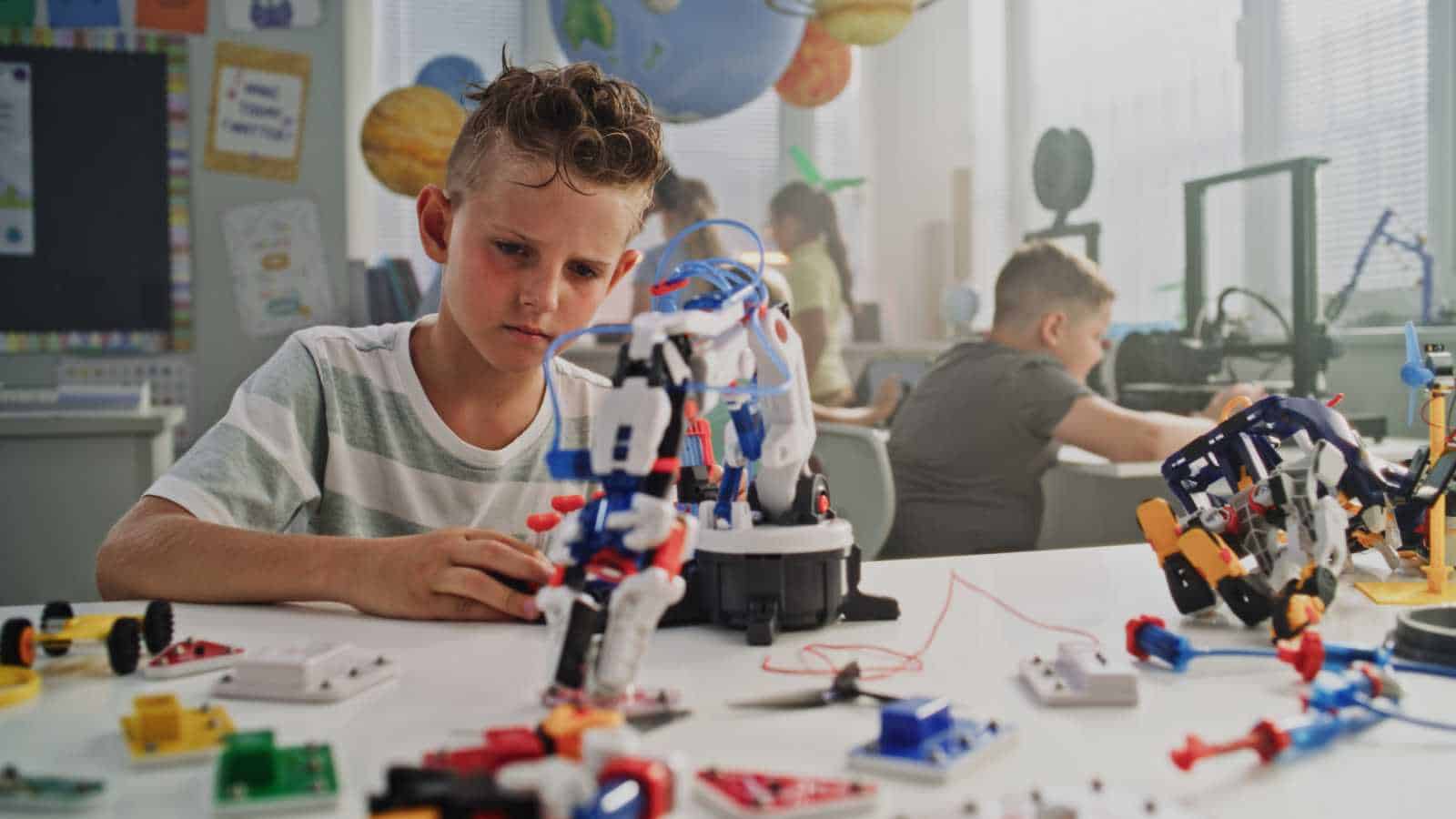
Talent gets attention, but effort pays the rent on progress. Intelligent people have outgrown the myth that gifted people simply float into success while everyone else claps from the sidewalk.
Angela Duckworth’s grit research argued that achievement combines talent with effort, and her team found that grittier spelling bee competitors outperformed their peers in part because they had accumulated more practice. The study also described effort in terms of intensity, direction, and duration, which sounds less glamorous than “natural genius” but works much better in real life.
This doesn’t mean effort magically solves every barrier, because life doesn’t hand everyone the same starting line. Still, smart people don’t worship raw talent like it’s a golden ticket. They build systems, practice deliberately, ask for feedback, and keep improving.
Ever watch someone “naturally gifted” quit when things got hard? Exactly. Intelligent people understand that talent opens the door, but consistent effort walks through it, finds a chair, and starts building something useful.
Scrolling keeps you informed

Scrolling can make you feel informed, just as standing near a treadmill can make you feel athletic. Intelligent people have outgrown the myth that constant social media consumption equals knowledge.
Pew’s 2025 data shows Facebook and YouTube lead as social media news sources, with 38% of U.S. adults regularly getting news on Facebook and 35% on YouTube. TikTok also jumped sharply, with 55% of TikTok users saying they regularly get news there, up from 22% in 2020.
The issue isn’t social media itself. The issue is treating a feed like a full education. Algorithms reward attention, emotion, and speed, not always depth or accuracy. Shocking, I know, because surely the app that shows you three skincare hacks, a political rant, and a dancing dog in 40 seconds has your civic development at heart.
Intelligent people still use digital platforms, but they cross-check, read beyond headlines, and follow credible sources. Being informed requires intention, not thumb stamina.
You stop learning after a certain age

This myth ages badly. Intelligent people have outgrown the idea that learning belongs only to teenagers, college students, or people with color-coded notebooks. BestColleges, citing NCES data, reported that students older than 25 made up 24% of U.S. undergraduate enrollment in fall 2023, with nearly 3.9 million adult learners pursuing undergraduate degrees. Many of those learners also worked while studying, which proves adults can absolutely learn new skills, even with bills, kids, jobs, and a suspiciously full inbox.
The “too old to learn” myth often hides fear, not truth. Smart people keep learning because the world keeps changing. AI tools, workplace expectations, health research, finance habits, and communication norms all keep shifting.
Why would anyone freeze their brain at 29 and call that wisdom? Intelligent people treat learning as lifelong maintenance. They don’t need to become experts at everything. They just stay curious enough to remain adaptable, and that habit pays off more than pretending they already know it all.
Loneliness means you’re weak

Loneliness doesn’t mean someone failed at life. It means they’re human. Intelligent people have outgrown the myth that lonely people just need to “try harder” or “be more fun,” which may rank among the least helpful advice ever invented.
The U.S. Surgeon General’s advisory reported that about half of U.S. adults experience loneliness and that, in a 2022 study, only 39% said they felt very emotionally connected to others. That sounds less like a personal flaw and more like a national connection problem.
The Harvard Study of Adult Development has also spent decades pointing to the power of relationships, with Harvard’s report summarizing that embracing community helps people live longer, happier lives. So no, connection isn’t extra credit. It’s core infrastructure.
Intelligent people take friendships, family bonds, community, and casual social ties seriously. They text first. They make plans. They don’t treat vulnerability like a software bug. Social connection protects health, and pretending otherwise just makes loneliness wear a fake mustache.
Viral wellness advice is harmless

A smoothie recipe can be harmless. A random influencer telling millions of people to ignore medical advice? Slightly different vibe. Intelligent people have outgrown the myth that viral wellness content is harmless because it “sounds natural” or features soft lighting and a beige kitchen.
Pew found that 40% of U.S. adults get health and wellness information from social media influencers or podcasts, and among those consumers, only 10% trust all or most of that information. Most trust only some of it, which feels like the correct amount of side-eye.
Pew also found that 75% of Americans say it’s highly important for health information sources to have relevant medical training, with 73% valuing transparency about conflicts of interest. That trend matters because wellness content now mixes real advice, personal stories, sponsorships, fear, and miracle claims in one messy blender. Intelligent people don’t reject every influencer.
They just ask better questions: Who benefits? What evidence supports this? Does a licensed professional agree? Health advice needs credibility, not just charisma and a ring light.
AI can replace judgment

AI can help, but intelligent people have outgrown the myth that it can replace human judgment. Pew found that 95% of U.S. adults have heard at least a little about AI, yet 50% feel more concerned than excited about its increased use in daily life.
More than half of Americans, 57%, rate AI’s societal risks as high, and many worry that AI could weaken human skills and connections. That doesn’t mean we throw the laptop into the nearest lake. It means we use the tool without handing the steering wheel to it.
I like AI for brainstorming, organizing ideas, summarizing dense material, and getting unstuck. But I wouldn’t ask it to replace judgment, ethics, lived experience, or common sense. Ever seen a confident wrong answer online? Now imagine it wearing a productivity badge.
Intelligent people treat AI as an assistant, not an authority. They verify facts, check sources, protect privacy, and keep their own thinking switched on. The future won’t reward people who blindly trust every tool. It’ll reward people who know when to question it.
Key takeaway
The 12 common myths that intelligent people have outgrown all point to the same truth: smart thinking requires flexibility. It means changing your mind when the evidence improves, getting enough sleep to function, questioning viral advice, using AI carefully, and refusing to confuse confidence with competence.
The best part? You don’t need to become a genius in a lab coat to outgrow these myths. You just need curiosity, humility, and a working nonsense detector. Keep that detector charged, because the world keeps producing fresh nonsense like it has a subscription plan.
Disclaimer: This list is solely the author’s opinion based on research and publicly available information. It is not intended to be professional advice.
Like our content? Be sure to follow us.