12 traits that made kids of the ’60s and ’70s more resilient than today’s generation
Childhood resilience has become a major research focus in psychology and public health. Data from the American Psychological Association shows that nearly 45% of teens today report persistent stress symptoms, while CDC reports on youth mental health indicate rising anxiety levels over the last two decades.
In contrast, longitudinal studies on mid-20th-century childhood suggest lower reported clinical anxiety but higher exposure to physical independence, unstructured play, and community-based socialization.
The resilience conversation is not about nostalgia; it is about behavioral conditioning shaped by environment. Kids of the ’60s and ’70s grew up in environments that required greater self-reliance, adaptive thinking, and an understanding of real-world consequences.
Here are twelve traits commonly associated with that era’s developmental environment, backed by research trends, historical data, and psychological interpretation.
Unsupervised Outdoor Exploration Built Risk Intelligence

Children in the ’60s and ’70s spent significantly more time outdoors without adult supervision, a pattern documented in studies by the National Kids Survey. Before structured digital entertainment, kids navigated neighborhoods, forests, and streets, developing what psychologists now call “risk calibration.”
Research from the University of Colorado shows that unstructured outdoor play strengthens executive functioning and decision-making under uncertainty. Kids learned quickly that scraped knees, wrong turns, or failed plans were feedback loops rather than crises.
This type of experiential learning created adaptive resilience. Today’s structured environments often reduce exposure to manageable risk, which shifts how problem-solving skills are formed.
Peer Accountability Replaced Constant Adult Mediation
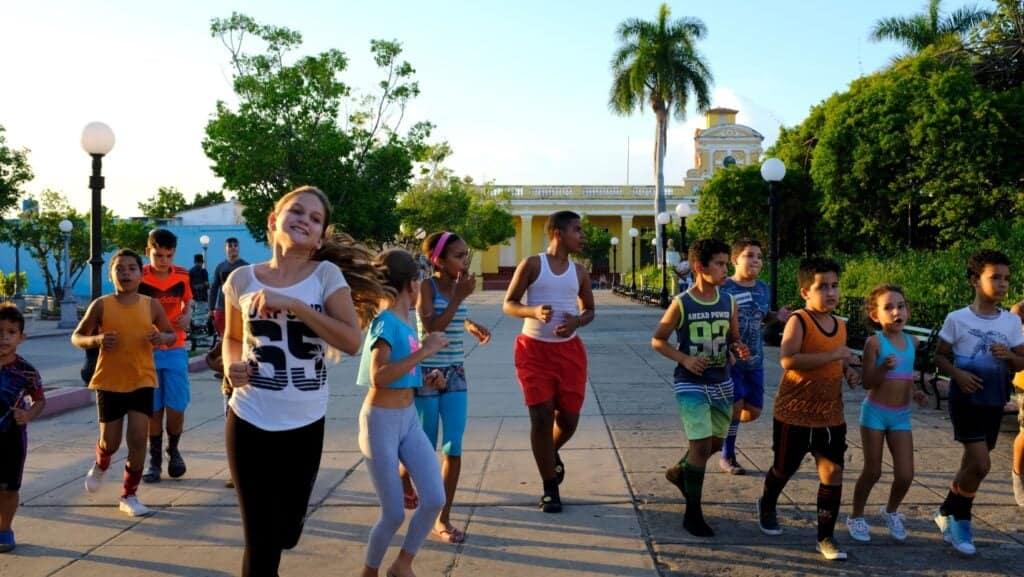
In earlier decades, peer groups enforced behavioral norms more directly. Kids of the ’60s and ’70s had to resolve disputes over games, territory, and social inclusion on their own. This created early emotional regulation abilities.
Modern developmental psychology notes that mediation-heavy environments can delay the development of independent conflict-resolution skills. The older model built social resilience through repeated peer-based negotiation cycles.
Household Chores Developed Early Responsibility Systems

U.S. Bureau of Labor Statistics historical data and family structure studies indicate that children in the mid-20th century were more likely to contribute to household labor, including chores, caregiving, and small-scale responsibilities.
Psychologist Dr. Marty Rossmann’s longitudinal research found that children who regularly performed chores were more likely to develop a sense of responsibility and self-efficacy as adults.
Tasks like cooking, cleaning, or managing errands created a sense of structured accountability. These activities acted as real-world training systems for discipline and time management.
The consistency of responsibility reinforced internal motivation rather than reliance on external rewards.
Lower Screen Exposure Increased Attention Endurance

Before digital devices, attention spans were shaped by analog environments, books, outdoor play, radio, and television with fixed schedules. Research from the Journal of Pediatrics indicates that excessive screen exposure correlates with reduced sustained attention in younger populations.
Kids of the ’60s and ’70s naturally developed longer focus periods because entertainment required patience and delayed gratification. Waiting for weekly TV episodes or reading physical books built cognitive endurance.
This attention structure supported deeper problem-solving and fewer interruptions from rapid-switch stimuli.
Community-Based Social Learning Strengthened Identity Formation

Sociological studies from the University of Chicago highlight that tight-knit community structures foster stronger identity development in children. In many neighborhoods of the ’60s and ’70s, children regularly interacted with extended family, neighbors, and multi-age peer groups.
This created layered social learning environments in which behavior was observed, corrected, and reinforced by multiple adults beyond the immediate caregivers. Anthropological research suggests that such environments improve adaptive identity formation because feedback is diverse and consistent across contexts.
Physical Play Cultivated Stress Tolerance
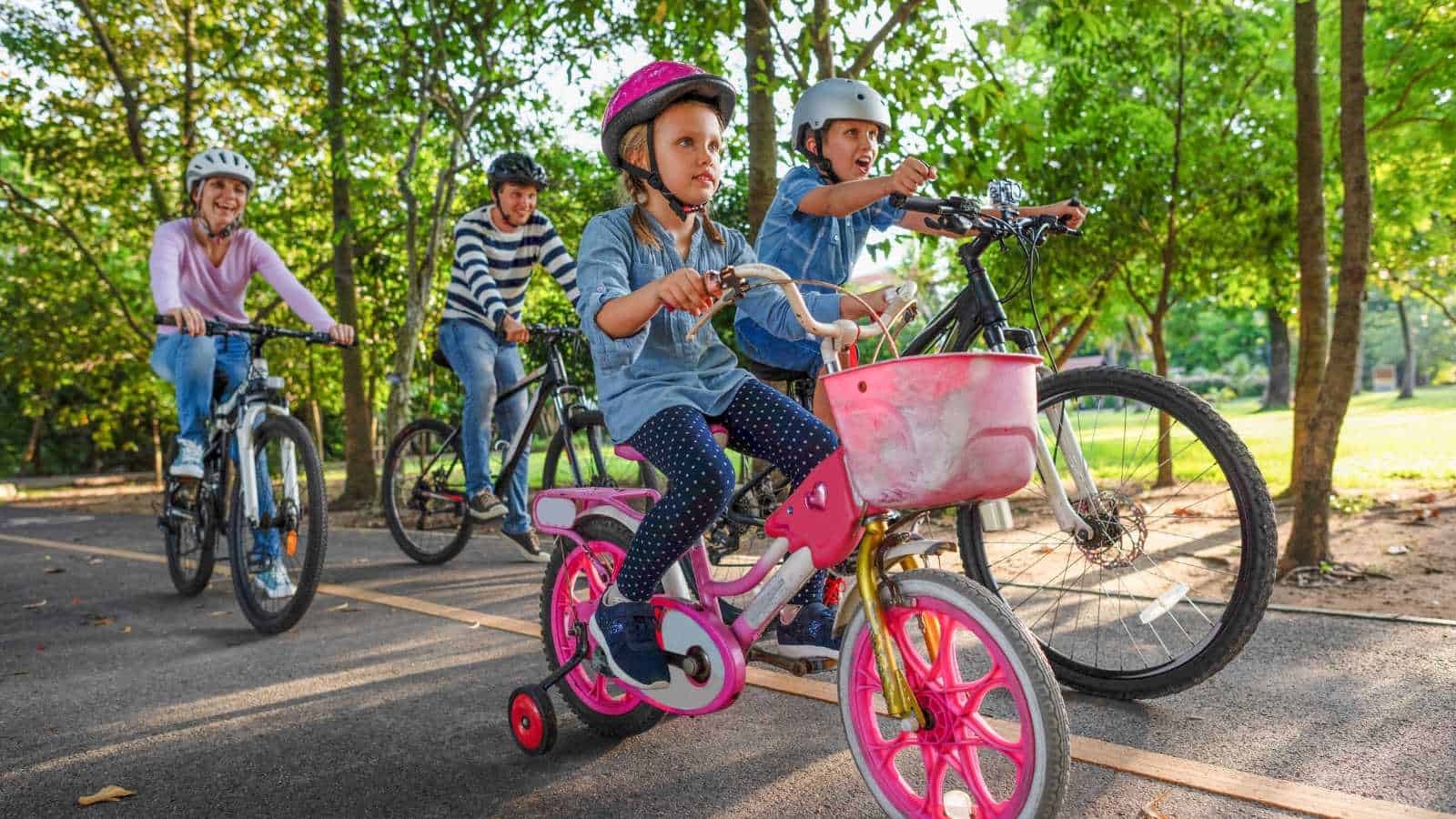
Outdoor games like tag, jump rope, cycling, and informal sports require continuous physical engagement. The CDC notes that physical activity in childhood is strongly linked to emotional regulation and stress resilience.
Kids in earlier decades engaged in higher levels of spontaneous physical activity compared to modern averages reported in national health surveys. Physical exertion naturally regulates cortisol levels, improving stress tolerance.
This repeated physical challenge-response cycle built both endurance and emotional stability.
Limited Immediate Access to Information Encouraged Problem Solving

Before search engines, children relied on books, observation, and trial-and-error learning. Research in educational psychology from the Harvard Graduate School of Education shows that retrieval-based learning strengthens long-term cognitive resilience.
Kids had to work through uncertainty without instant answers, strengthening persistence and analytical thinking. The absence of immediate solutions forced deeper engagement with problems, building cognitive flexibility.
Face-to-Face Communication Built Emotional Literacy

Communication studies from Stanford University show that face-to-face interaction improves emotional recognition and empathy. Kids in the ’60s and ’70s communicated primarily in person, reading tone, body language, and context directly.
This environment sharpened emotional literacy skills that are sometimes less frequently practiced in today’s text-heavy communication ecosystems. Emotional resilience was reinforced through repeated real-time social calibration.
Fewer Structured Activities Encouraged Self-Directed Growth
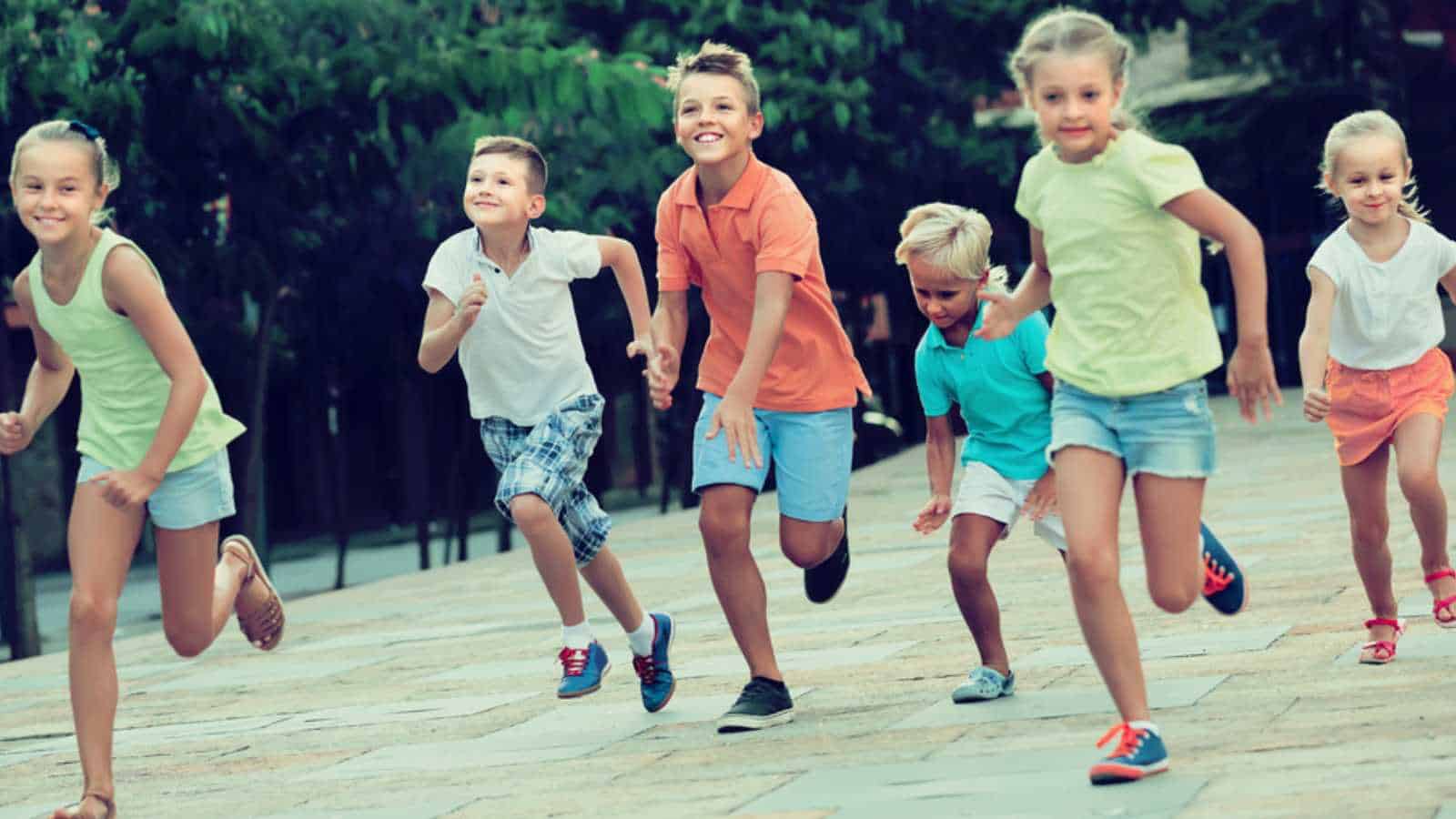
Modern youth often participate in scheduled extracurricular activities, while earlier generations experienced more unstructured time. Developmental psychology research from the University of California shows that unstructured time promotes creativity and internal motivation.
Kids had to invent games, organize groups, and create entertainment independently. This self-directed structure built initiative and adaptability.
Delayed Gratification Was Built Into Daily Life

Waiting was a natural part of life; letters took days, purchases required saving, and entertainment followed schedules. The Stanford Marshmallow Experiment famously linked delayed gratification to indicators of long-term success.
Kids in earlier decades practiced waiting as a routine, reinforcing impulse control. This repeated exposure to delayed outcomes built stronger emotional regulation patterns.
Stronger Intergenerational Interaction Provided Stability Anchors

Many children regularly interacted with grandparents, extended relatives, and older neighbors. Gerontology research shows that intergenerational contact improves emotional stability and reduces anxiety in children.
Exposure to multiple age groups provided perspective diversity and emotional grounding. This multi-layered support system fostered resilience through shared storytelling and the transfer of lived wisdom.
Physical Consequence Learning Reinforced Real-World Boundaries
Children learn through direct consequences, scrapes, broken toys, missed opportunities, or social misunderstandings. Behavioral psychology notes that immediate, tangible feedback strengthens learning retention.
Instead of mediated correction, children experienced natural consequences that reinforced boundaries. This cycle built accountability and adaptive decision-making over time.
Key Takeaways
- Environmental structure in the ’60s and ’70s encouraged independence rather than dependence on constant supervision.
- Research from the APA, the CDC, and major universities links unstructured play and responsibility to stronger emotional regulation.
- Resilience was reinforced through real-world feedback loops rather than digital or heavily mediated systems.
- Social, physical, and cognitive development were shaped by slower information flow and stronger community interaction.
- Modern environments trade certain forms of resilience-building exposure for safety, structure, and access speed.
Disclaimer: This list is solely the author’s opinion based on research and publicly available information. It is not intended to be professional advice.
Like our content? Be sure to follow us