11 popular foods oncologists refuse to keep in their kitchens
Your kitchen can look innocent and still hide a few repeat offenders in the pantry, freezer, and “just in case guests come over” snack drawer. Cancer doctors don’t panic over one slice of pizza or one backyard burger, because life already gives us enough drama without turning dinner into a courtroom trial. Still, cancer prevention groups keep pointing to the same pattern: less processed meat, less alcohol, fewer sugary drinks, fewer ultra-processed foods, and more plants, fiber, beans, whole grains, vegetables, and fruit.
The American Cancer Society says adults who closely follow its diet and physical activity guidance show about 10% to 20% lower cancer risk, and CDC data show ultra-processed foods still make up 53% of calories for U.S. adults and nearly 62% for youth, so yes, the kitchen deserves a little side eye.
To be clear, this isn’t a fear list. No oncologist sits in a dark room whispering threats at a box of toaster pastries, at least I hope not. The smarter question is simple: what foods would cancer specialists rather not make easy to grab every day?
These are the popular foods that oncologists often limit, avoid, or keep out of regular rotation because the evidence, trends, and common sense keep pointing in the same direction.
Bacon and breakfast sausage
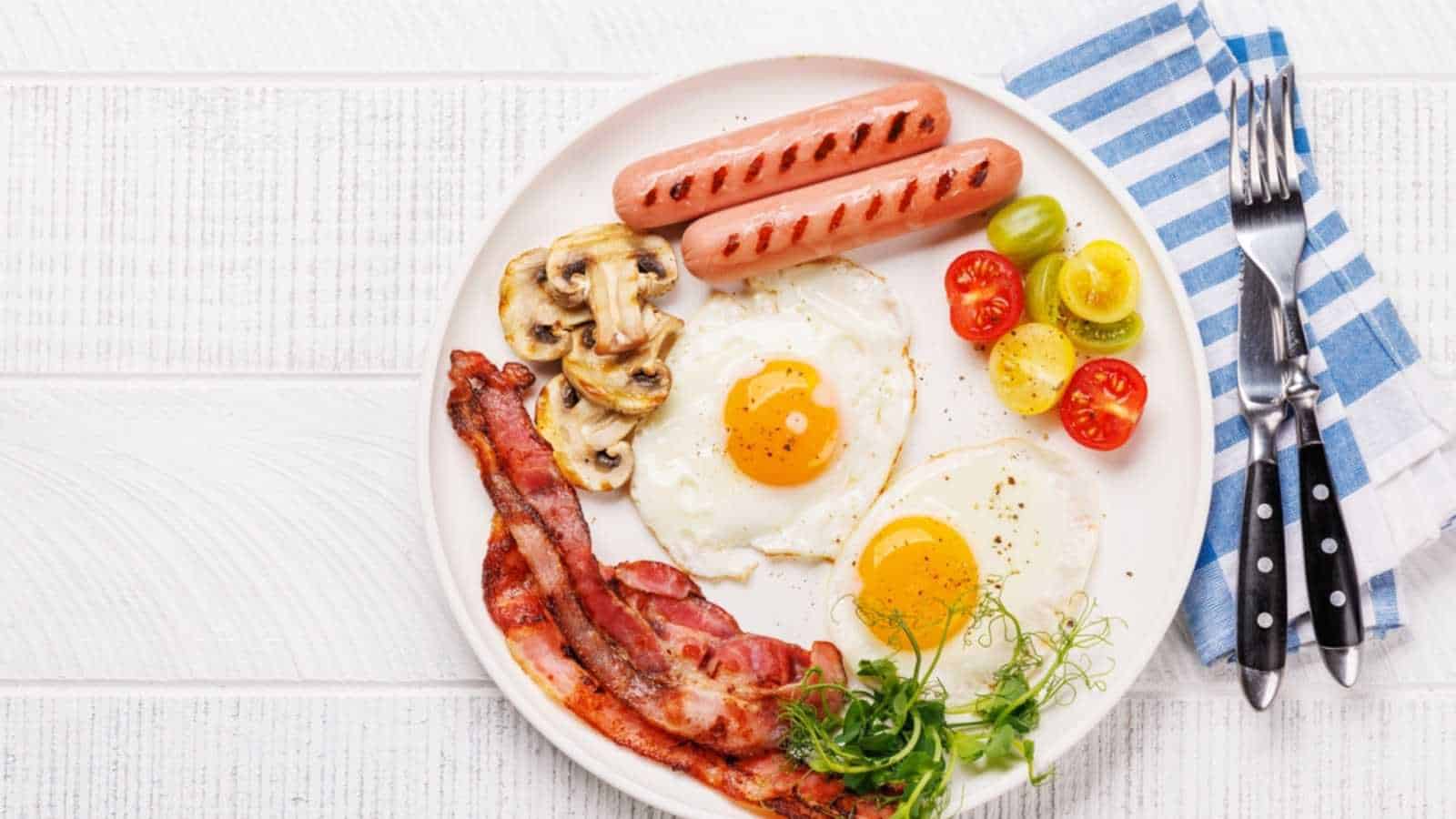
Bacon has that smoky, salty, crispy magic that makes breakfast feel like a small national holiday. Unfortunately, the International Agency for Research on Cancer (IARC) classifies processed meat as carcinogenic to humans, and its experts estimated that each 50-gram daily portion of processed meat raises colorectal cancer risk by about 18%.
That doesn’t mean one strip ruins your life, because science doesn’t work like a kitchen curse, but it does mean daily bacon deserves less loyalty than it gets. Dr. Kurt Straif of IARC summed up the pattern plainly, saying the risk “increases with the amount” consumed.
Cancer-focused dietitians also dislike the “nitrate-free” halo around some processed meats. MD Anderson warns that even processed meats labeled uncured or nitrate-free deserve caution, because curing, smoking, salting, and preserving can create or involve compounds that cancer experts don’t want showing up every morning.
If you love a savory breakfast, eggs with vegetables, avocado toast on whole grain bread, beans, or Greek yogurt with nuts give you more nutrition without turning your plate into a sodium carnival. Ever noticed how bacon makes every breakfast louder, but not exactly wiser?
Hot dogs and ballpark sausages
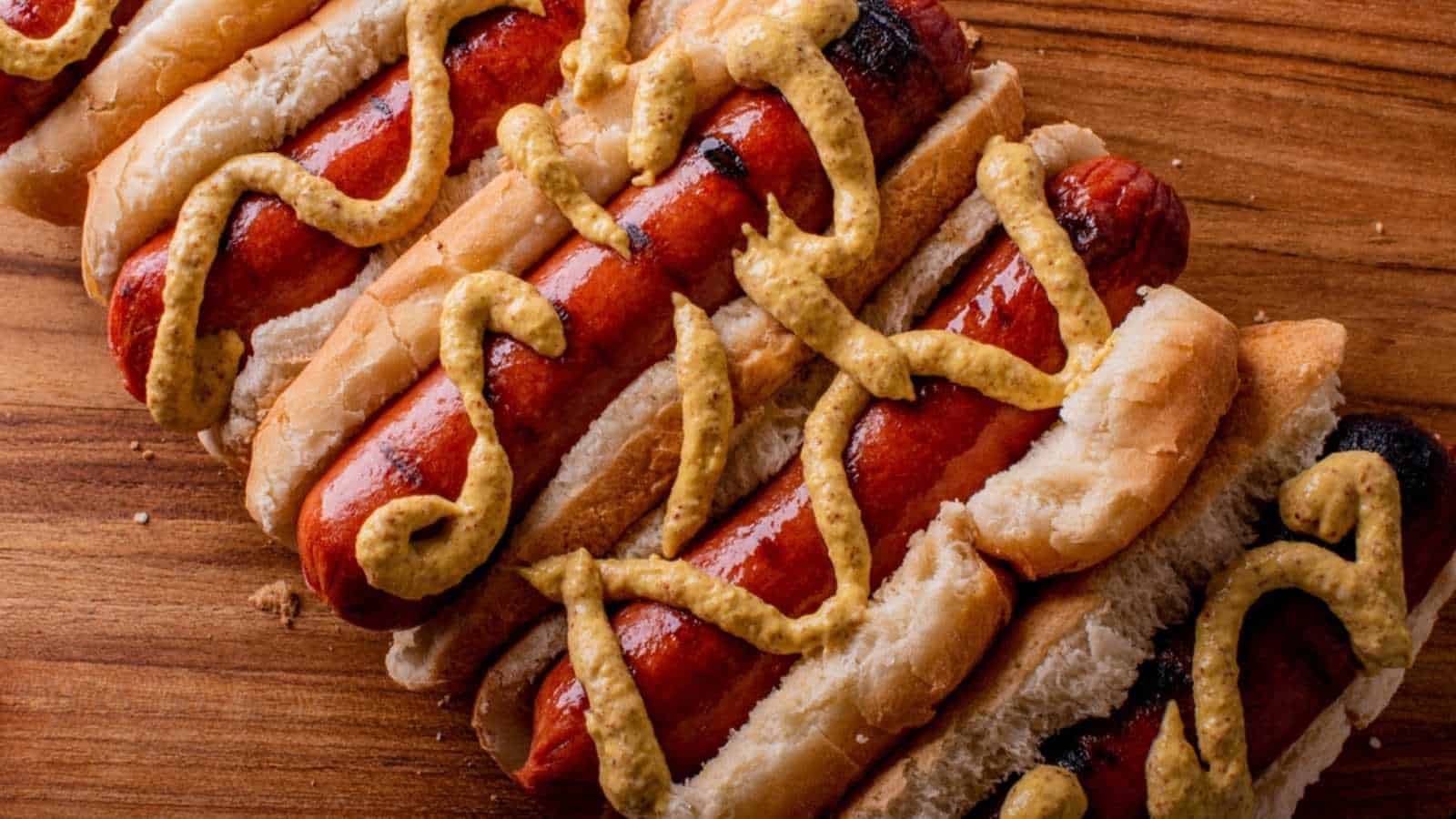
Hot dogs feel harmless because they come with nostalgia, mustard, and summer energy. That’s exactly how they sneak past our better judgment, wearing a baseball cap and pretending they’re “just fun food.”
The issue is that hot dogs belong to the same processed-meat family as bacon, ham, salami, and sausage, and AICR lists processed meats among foods to limit to reduce cancer risk. The World Cancer Research Fund (WCRF) goes even further with its practical advice, urging people to eat little or no processed meat.
The trend makes this matter even more for Americans because colorectal cancer keeps showing up younger than expected. The American Cancer Society projected 158,850 new U.S. colorectal cancer cases and 55,230 deaths in 2026, and it reports rising rates among adults under 50.
Nobody needs to treat a hot dog like radioactive waste, but oncologists tend to dislike foods that make “occasional” become “every weekend, every game, every cookout.” A smarter swap keeps the cookout vibe with grilled chicken, fish, vegetable skewers, bean burgers, or turkey burgers made from fresh ground meat rather than heavily processed links.
Deli meats pretending to be healthy
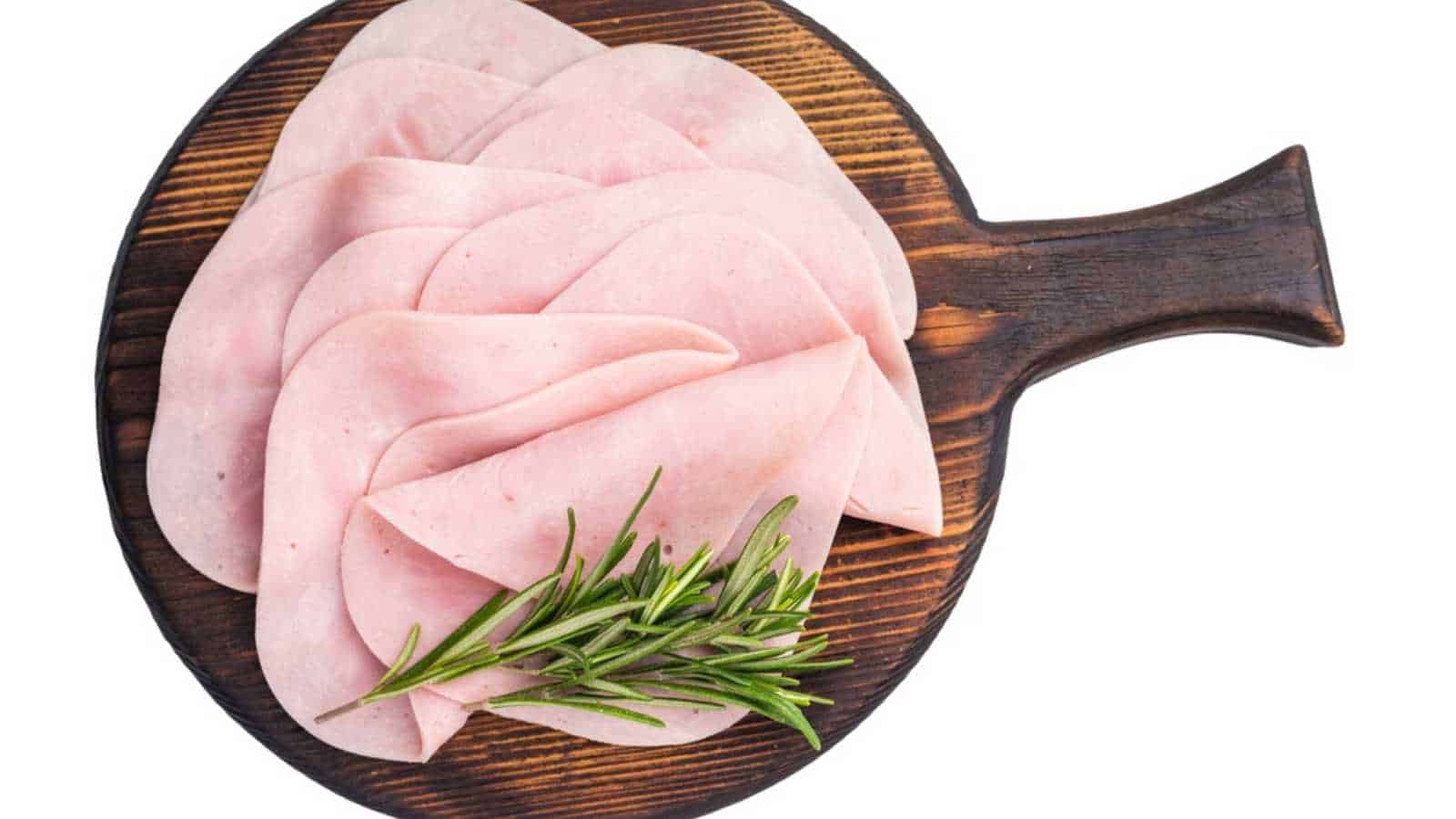
Deli turkey, ham, roast beef, and chicken slices often wear the “lean lunch” costume, which feels slightly rude once you read the label. Many versions bring sodium, preservatives, and processing methods that move them closer to hot dogs than home-roasted turkey.
That’s why cancer specialists often skip the weekly deli pack and choose leftovers from fresh-cooked chicken, tuna, hummus, eggs, beans, or tofu instead. The American Cancer Society’s cancer prevention guidance specifically recommends limiting red and processed meats, and deli meats land right in that processed bucket.
This one surprises people because a turkey sandwich feels sensible, especially beside a cheeseburger. But “better than fast food” doesn’t automatically mean “great kitchen staple,” because the dose and frequency still matter.
If your lunch meat drawer looks like a tiny meat library, your sandwich routine may need a rewrite. Try roasted turkey breast you cook yourself, mashed chickpea salad, peanut butter with sliced banana, or grilled vegetables with hummus, because lunch shouldn’t need a chemistry glossary to explain itself.
Charred burgers and blackened steaks
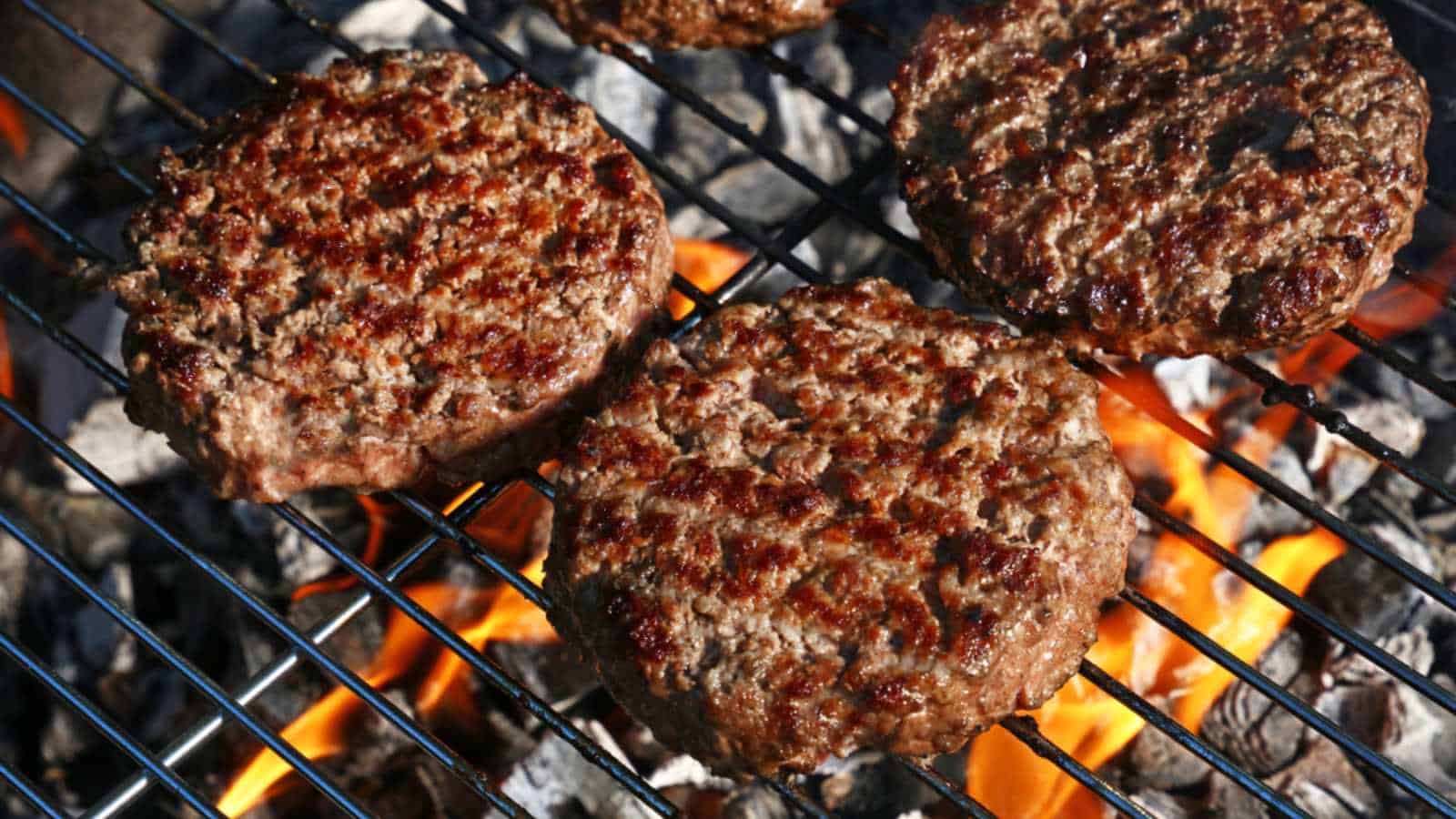
That deep black crust on grilled meat tastes dramatic, but drama belongs on television, not necessarily on your dinner plate. The National Cancer Institute explains that meat cooked at high temperatures can form heterocyclic amines and polycyclic aromatic hydrocarbons, two compounds that can damage DNA in lab settings and cause cancer in animal studies.
AICR also warns that grilling meat, poultry, or fish at high heat or over an open flame can produce potentially carcinogenic compounds. So yes, “extra charred” may sound chef-approved, but cancer prevention experts hear a tiny alarm bell.
The goal isn’t to ban grilling, because nobody wants to be the person who ruins the cookout by lecturing near the cooler. The smarter move is to marinate meat, flip it often, avoid direct flames, trim burned parts, and grill more vegetables, fish, or poultry at gentler temperatures.
AICR notes that marinating meat for at least 30 minutes can reduce HCA formation, which gives your chicken both flavor and a better resume. Ever wonder why the “burnt ends” taste so good? Apparently, your taste buds and your long-term risk calculator do not always attend the same meetings.
Oversized red meat steaks
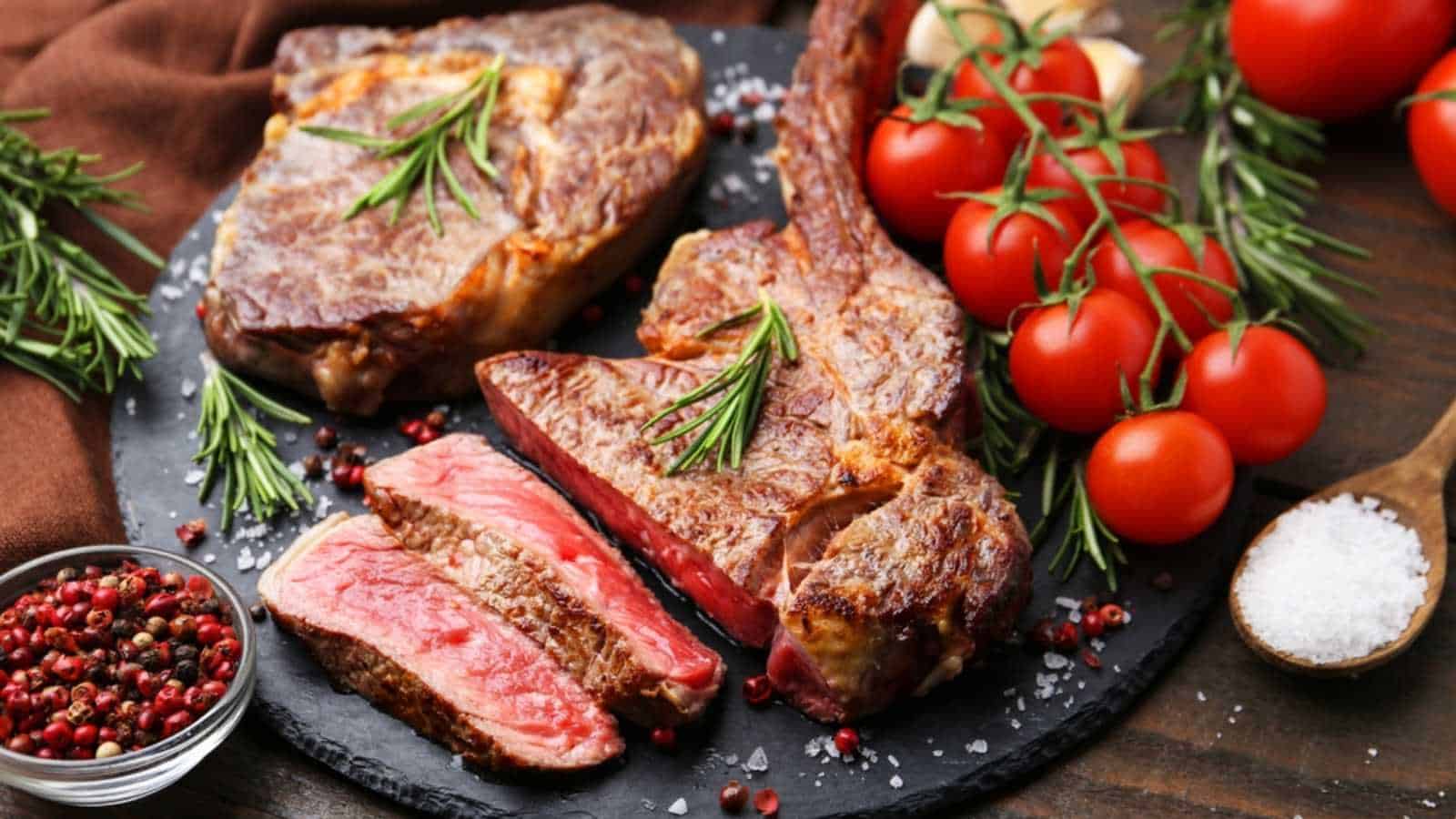
A steak dinner doesn’t need to become a moral crisis, but a giant steak every few nights starts to look less charming. WCRF and AICR recommend limiting red meat such as beef, pork, and lamb, and ACS encourages people to choose healthy proteins like beans, fish, poultry, nuts, and seeds more often.
MD Anderson provides a practical target, suggesting no more than 18 ounces of cooked red meat per week. That’s where oncologists usually land, not “never touch steak,” but “please stop treating the ribeye like a vitamin.”
The issue gets worse when red meat is paired with low-fiber eating, heavy portions, and high-heat cooking. AICR’s colorectal cancer guidance links high amounts of red and processed meat, excess alcohol, and excess body fat with a higher risk, while fiber-rich foods and regular exercise move the pattern in a better direction.
If steak stays on the menu, make it a smaller piece beside beans, vegetables, salad, or whole grains instead of letting it occupy the plate like it pays rent. Your plate doesn’t need a landlord; it needs balance.
Wine, beer, and liquor

Alcohol deserves its own awkward kitchen conversation because many people still think wine gets a health pass if the glass looks classy. The CDC states that all alcoholic drinks increase cancer risk, and the National Cancer Institute says even light drinkers can face increased risk for some cancers, including breast cancer.
ACS calls alcohol the third most common potentially avoidable cause of cancer after smoking and excess body weight, and its guidance says, “it is best not to drink alcohol.” So yes, the “red wine is basically medicine” era needs a long vacation.
The recent trend has pushed alcohol warnings into the mainstream. The U.S. Surgeon General’s 2025 advisory linked alcohol to nearly 100,000 cancer cases and about 20,000 cancer deaths each year in the United States, and the WHO says no safe level of alcohol exists for cancer risk.
If you keep alcohol for guests, fine, but many oncologists avoid making it a nightly kitchen default. Sparkling water with citrus, unsweetened iced tea, low-sugar kombucha, or a zero-proof spritz can still feel adult without handing your cells extra paperwork.
Soda and sweet tea

Soda, sweet tea, lemonade, fruit punch, and sports drinks deliver sugar so smoothly that your brain barely notices the calories walking in. CDC research says about 3 in 5 Americans ages 2 and older consume more added sugar than recommended, and adult men average 19 teaspoons of added sugar per day, while adult women average 15 teaspoons.
A 12-ounce regular soda can contain more than 10 teaspoons of added sugar. That’s not a drink, that’s dessert in a can wearing bubbles.
Cancer experts focus on sugary drinks because they can drive weight gain, insulin resistance, and metabolic trouble, and excess body weight raises the risk of at least 13 types of cancer.
WCRF recommends limiting sugar-sweetened drinks, and ACS places sugar-sweetened beverages among the foods and drinks to cut back for cancer prevention. If plain water bores you, add lemon, cucumber, mint, frozen berries, or a splash of unsweetened cranberry juice. Isn’t it wild how a drink can disappear in five minutes but leave your body negotiating with it for hours?
Sweetened coffee drinks and energy drinks
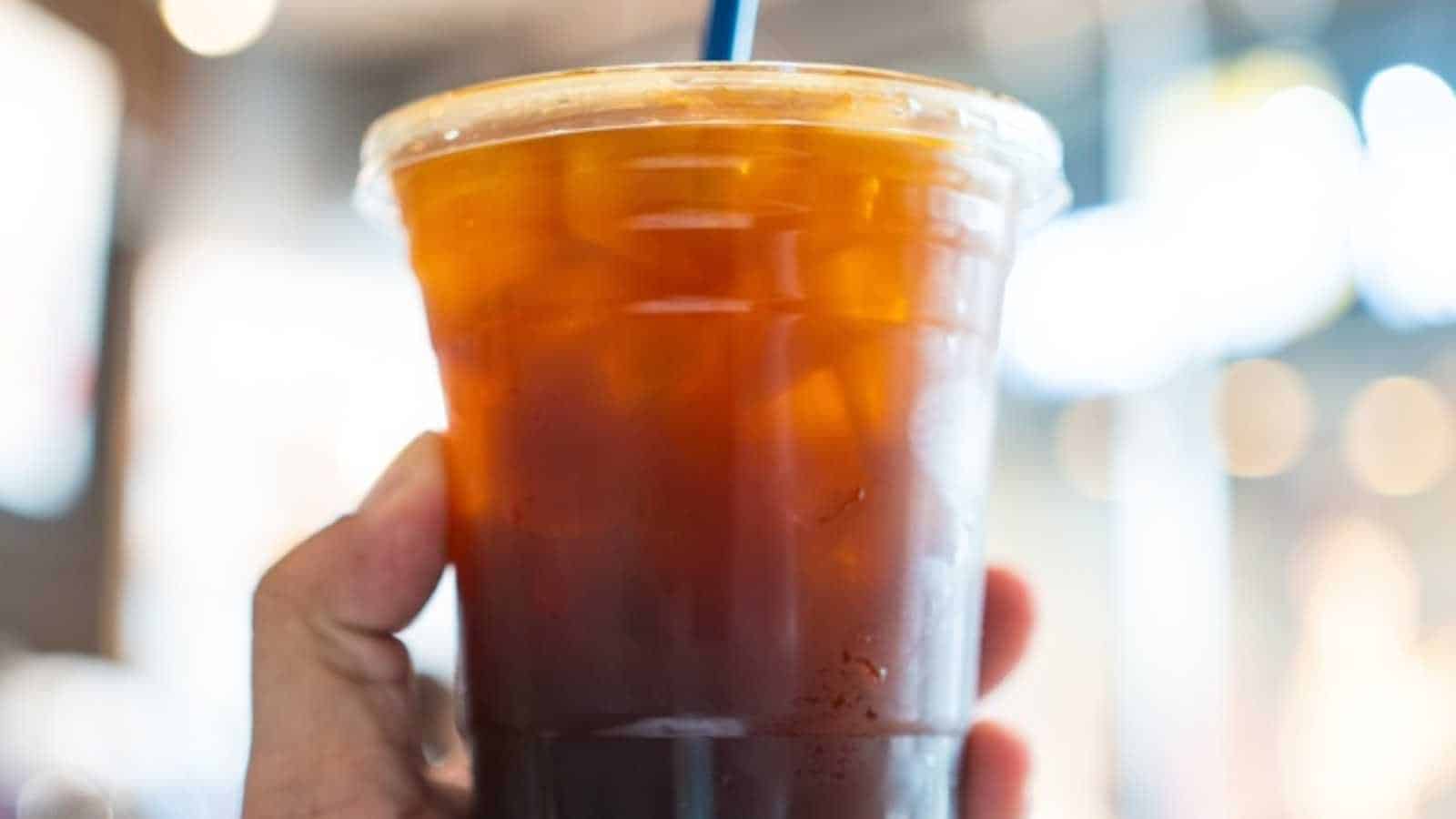
A fancy coffee drink can start as coffee and somehow end as cake with a straw. Energy drinks pull the same trick with caffeine, neon cans, and the emotional promise that you can become a functional adult by 9 a.m.
The Dietary Guidelines Advisory Committee found that beverages account for 54% of adults’ daily added sugar intake, which explains why oncologists often look at sweet drinks before they even argue about dessert. The sugar doesn’t care that the cup says mocha, refresher, latte, tea, or energy blend.
This doesn’t mean coffee itself belongs on the naughty list. The problem starts when coffee becomes a daily syrup delivery system, especially for people who already eat plenty of ultra-processed snacks.
Try black coffee, coffee with milk, unsweetened cold brew, cinnamon, or a smaller sweetened version as an occasional treat. I love a fun coffee as much as anyone, but when the drink has whipped cream, drizzle, foam, crunch, and a receipt longer than a grocery list, we should probably stop calling it “just coffee.”
Potato chips and fried snack bags

Potato chips feel like harmless background noise until the bag turns mysteriously empty. The American Cancer Society says people should limit foods that may be high in acrylamide, including potato chips and French fries, because acrylamide forms when certain starchy foods cook at high temperatures.
The FDA also lists certain potato products, especially French fries and potato chips, as major dietary sources of acrylamide. Human evidence remains mixed, and NCI notes that studies in people haven’t shown a consistent link to cancer, but oncologists often prefer the precautionary route when a food adds salt, refined starch, fat, and easy overeating in one crunchy package.
The other problem concerns which chips are replaced. A handful becomes lunch support, then lunch becomes a sad sandwich and orange dust, and suddenly, vegetables never even got invited.
If you want crunch, try air-popped popcorn, roasted chickpeas, nuts, sliced peppers, carrots with hummus, or baked tortilla chips with bean salsa. No, carrot sticks don’t taste like sour cream and onion chips, because life has limits, but they also don’t dare you to finish a family-size bag alone during one episode.
Frozen pizza and fast-food-style meals
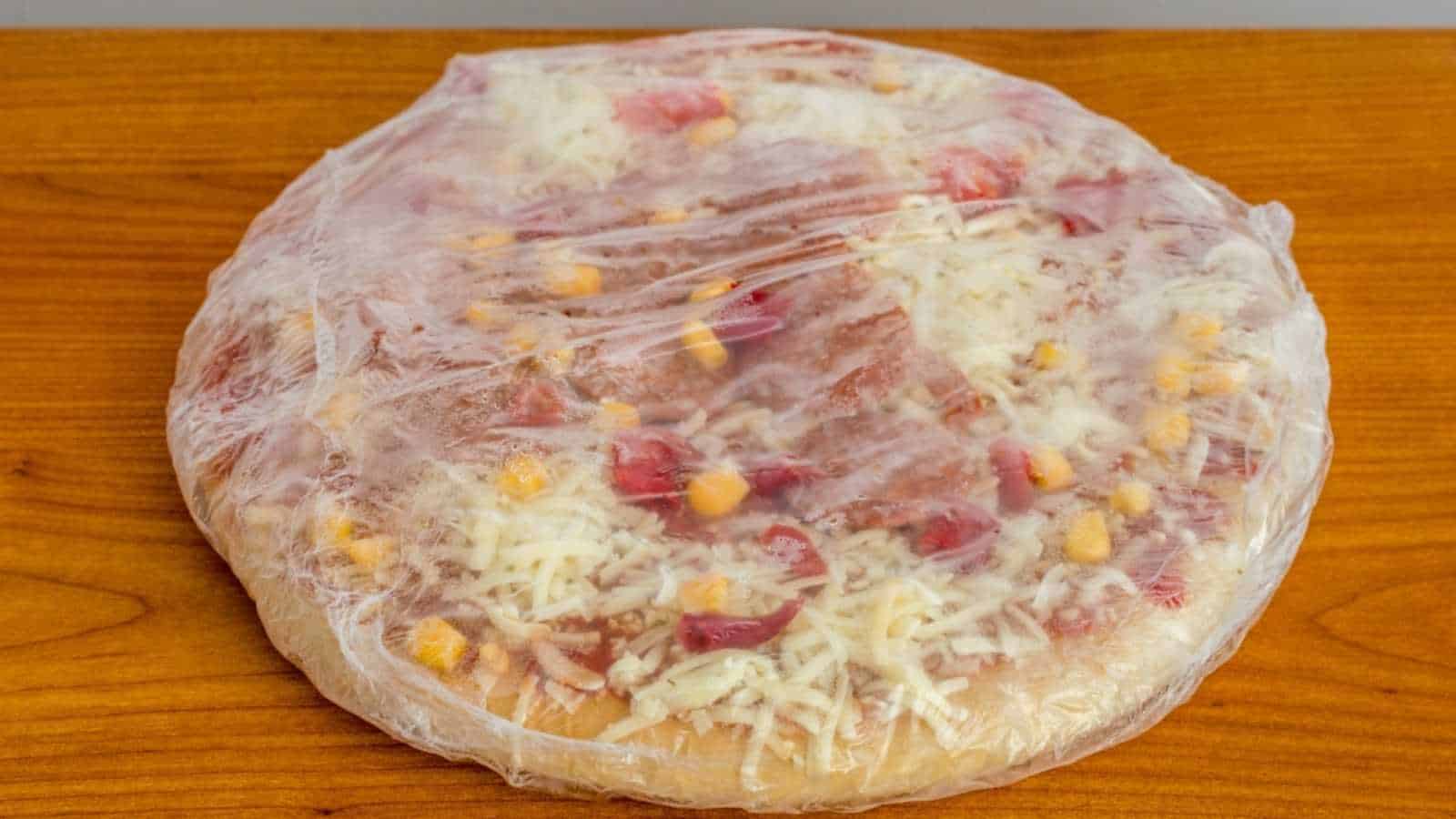
Frozen pizza, frozen burgers, fried chicken meals, and heat-and-eat “loaded” dinners make busy nights easier, which explains their grip on American kitchens. CDC data show that 32% of U.S. adults ate fast food on a given day from August 2021 to August 2023, and adults consumed 11.7% of their daily calories from fast food on those days.
WCRF recommends limiting fast foods and other processed foods high in fat, starches, or sugars, and ACS similarly advises cutting back on fast foods and ultra-processed foods high in added sugar, saturated fat, starches, and salt.
The issue isn’t one frozen pizza after a brutal Monday. The issue starts when frozen pizza becomes the house vegetable, the emergency plan, the backup plan, and the actual plan.
Cancer-prevention eating patterns work better when the freezer holds easier wins, too, like frozen vegetables, fish, berries, bean burritos with short ingredient lists, homemade soup, or grilled chicken portions. Convenience doesn’t have to mean a sodium slab with cheese confetti, though the marketing department would love that for us.
Sugary cereals and toaster pastries
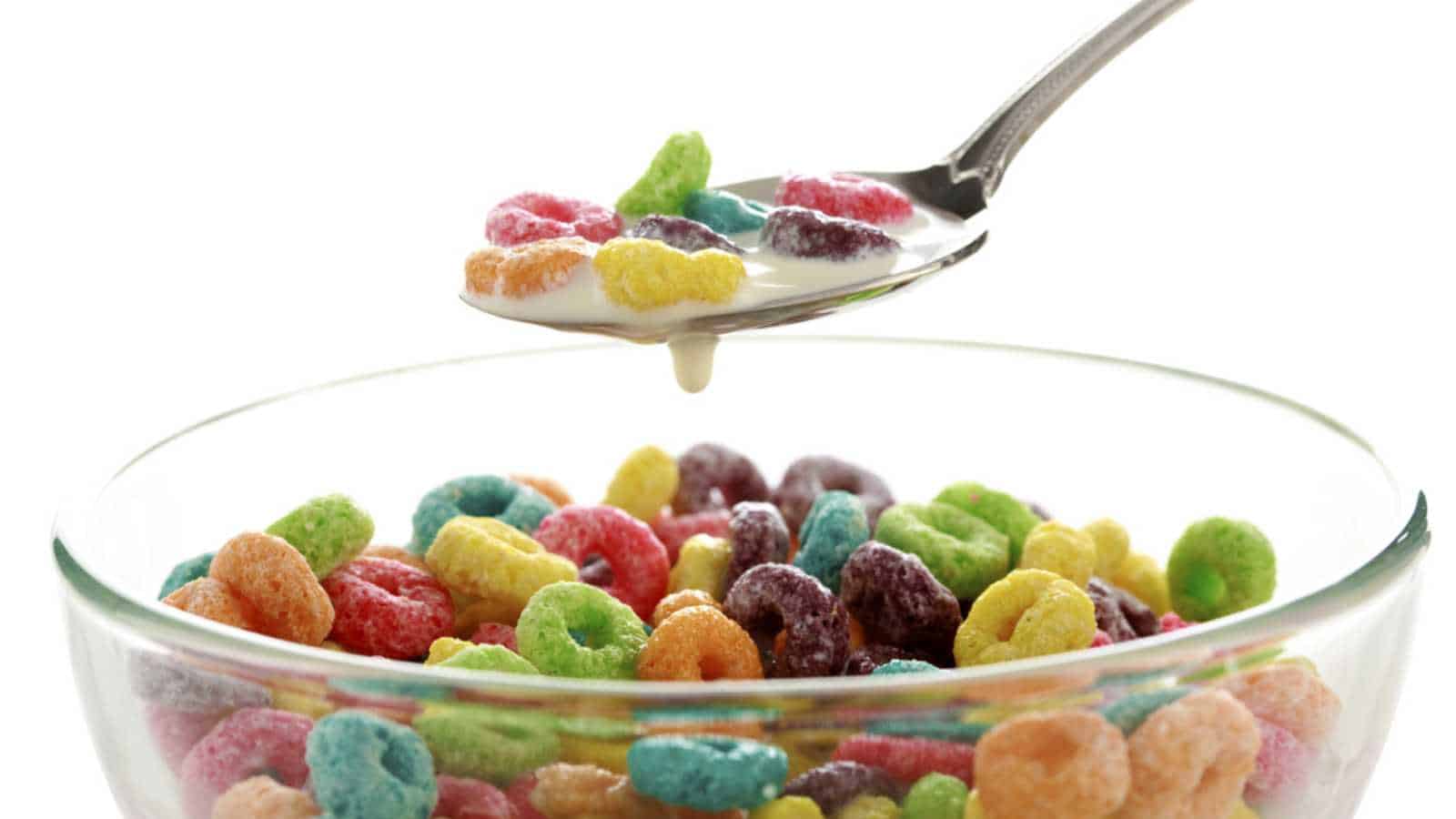
Sugary cereals and toaster pastries sell childhood nostalgia in bright boxes, which feels rude because they know exactly what they’re doing. CDC says Americans eat and drink too much added sugar, and the 2026 added sugar guidance it reports says no amount of added sugar counts as part of a healthy, nutritious diet.
ACS also encourages whole grains over refined grains because they provide more fiber and nutrients and may lower the risk of colorectal cancer. That makes the cereal aisle a weird place, half breakfast, half candy, wearing pajamas.
Oncologists often care less about one bowl and more about the habit loop. A low-fiber, high-sugar breakfast can leave you hungry fast, sending you hunting for snacks before lunch and quietly nudging the whole day toward ultra-processed eating.
Oatmeal, plain Greek yogurt with fruit, eggs with vegetables, whole-grain toast, chia pudding, or high-fiber cereal with low added sugar give breakfast a better job description. Ever notice how the cereal mascots look thrilled? Of course, they do; they don’t have to read the nutrition label.
Instant ramen and salty preserved foods
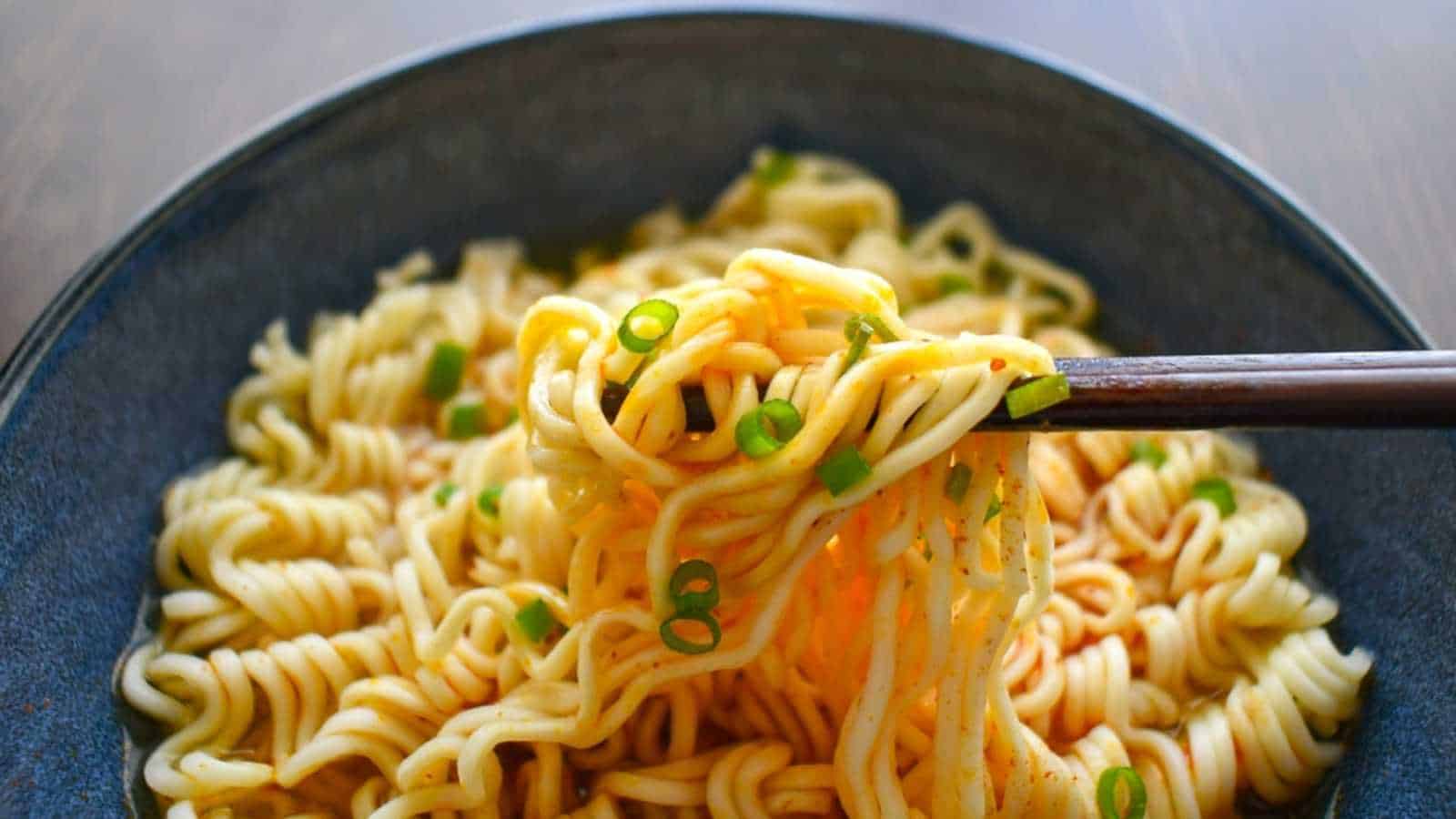
Instant ramen, salt-heavy soups, pickled snacks, salted fish, and heavily preserved foods can feel cheap, fast, and comforting, especially when life starts acting expensive. But WCRF reports strong evidence that foods preserved by salting increase the risk of stomach cancer, especially salt-preserved vegetables and fish in traditional high-salt patterns.
A 2024 study also found that people who always added salt at the table had a higher risk of gastric cancer, which gives the humble salt shaker a more suspicious reputation than expected.
This doesn’t mean every pickle should leave your fridge immediately. Fermented and pickled foods vary widely, and portion size matters, but cancer specialists tend to avoid making highly salted preserved foods an everyday crutch.
Choose low-sodium soups, rinse canned foods, use herbs, garlic, ginger, vinegar, citrus, chili, and spices, and add vegetables or eggs to ramen if you keep it around. Basically, make flavor do more work so salt can stop acting like the main character.
Key takeaway

The foods leading oncologists refuse to keep in their kitchens usually share the same red flags: processed meat, high added sugar, heavy alcohol use, high-salt preservation, ultra-processed foods, low fiber, and high-heat charring. Nobody needs a perfect kitchen, and one birthday hot dog won’t cancel your future, but your regular grocery habits matter because they shape what you eat when you’re tired, hungry, stressed, or pretending you’ll cook after work.
So keep the joy, lose the daily traps. Stock up on beans, oats, vegetables, fruit, nuts, whole grains, fish, poultry, yogurt, herbs, and easy homemade meals, then treat the risky stuff like occasional guests rather than permanent roommates.
Your kitchen doesn’t need to become a wellness monastery, thank goodness, but it should stop giving bacon, soda, and frozen pizza VIP parking.
Disclaimer: This list is solely the author’s opinion based on research and publicly available information. It is not intended to be professional advice.
Like our content? Be sure to follow us.