12 foods you should never put in the refrigerator
Your refrigerator may be sabotaging the flavor, texture, and even safety of everyday foods you eat without a second thought.
You might believe that tossing your groceries into the chilly embrace of the fridge is the best way to keep them fresh, but that is often a recipe for disaster. Many common items lose their signature taste or texture when subjected to the cold, transforming delicious ingredients into lackluster disappointments.
Understanding the science behind proper food storage can save you money and drastically improve the quality of your home-cooked meals. By keeping certain produce and pantry staples on the counter, you allow them to ripen perfectly and maintain the robust flavors you paid for.
Potatoes

Storing raw potatoes in the fridge causes their starches to convert into sugars much faster than they would at room temperature, leading to an oddly sweet taste. This chemical shift can also result in a gritty texture and a darker, unappealing color when you eventually roast or fry them for dinner.
There is also a health consideration to keep in mind regarding this sugar conversion process, known as cold sweetening. The American Cancer Society notes that increased sugar levels can lead to higher acrylamide formation during cooking, so it is safer to keep your spuds in a cool, dark pantry.
Onions
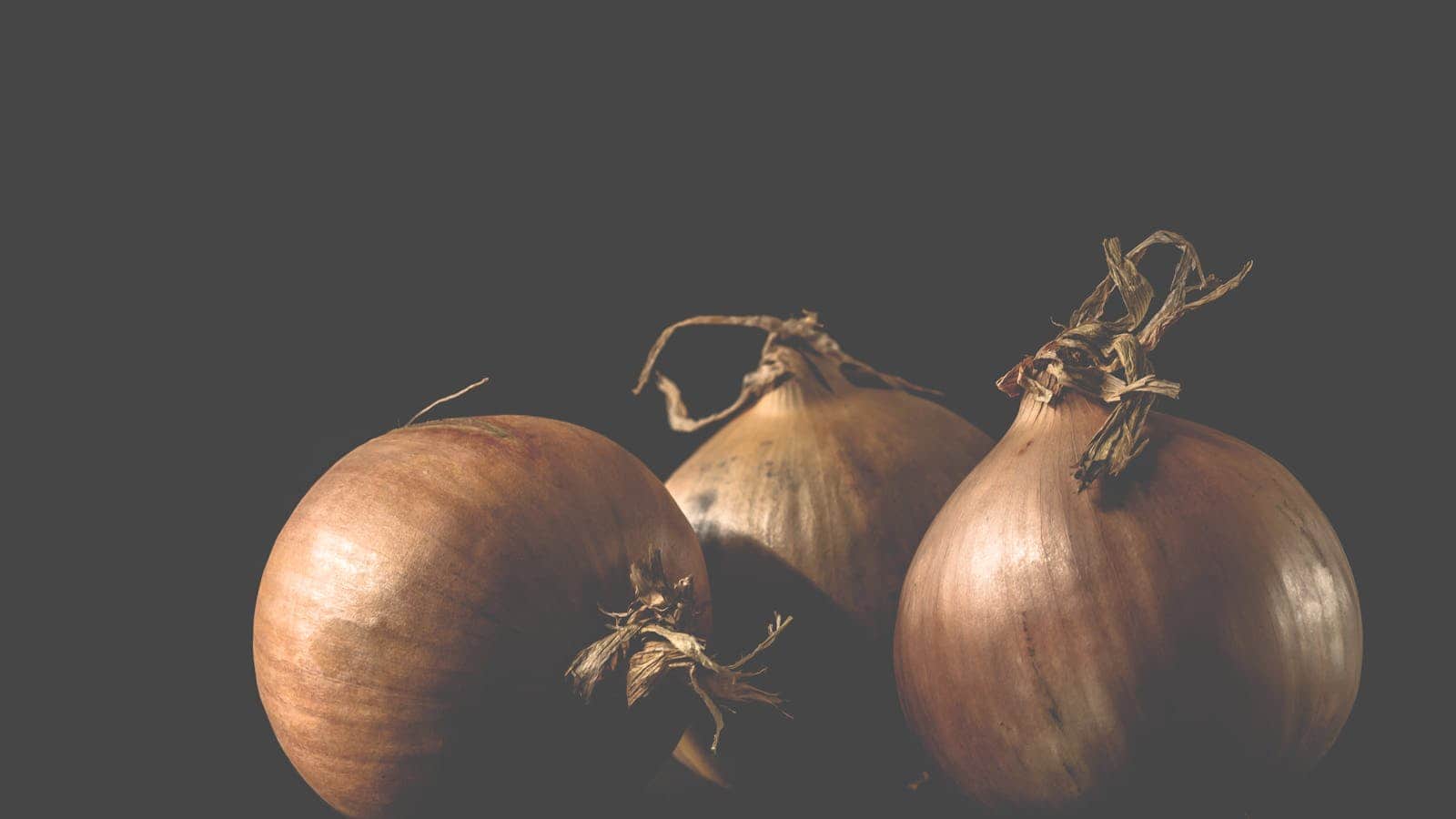
High humidity is the downfall of fresh onions, turning them mushy and encouraging the growth of mold spores that thrive in damp environments. ReFED reported that in 2024, the US let a staggering 29% of its total food supply go uneaten, and improper storage of perishables like onions contributes heavily to this waste.
The cold temperature also converts the starch in onions into sugar, which results in a soggy texture rather than the crisp crunch you want. Keep your onions in a mesh bag in a dry, ventilated area, and remember to never store them near potatoes since the gases they emit will spoil each other.
Bread

It seems logical to put a loaf of bread in the fridge to stop mold, but you are actually speeding up the staling process by a significant margin. The retrogradation of starch molecules, which causes bread to go hard, occurs most rapidly at temperatures between 32°F and 50°F.
While freezing bread is a fantastic way to preserve it for the long haul, the refrigerator zone is essentially a dehydration trap for your baked goods. You should leave the loaf in a bread box on the counter for short-term use, or slice and freeze it if you cannot finish it within a few days.
Honey
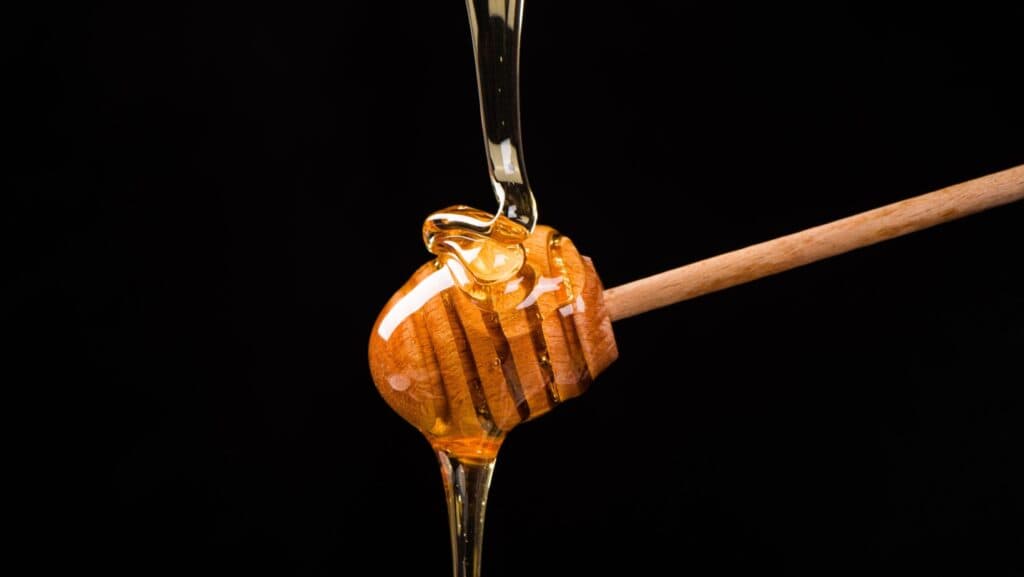
Honey is a miraculous natural preservative that can last for centuries if stored correctly, but the refrigerator will ruin its smooth consistency. In 2024, US honey consumption hit an all-time high of 688.6 million pounds, proving that Americans love this sweet treat more than ever before.
When you introduce honey to cold temperatures, it speeds up the crystallization process, turning your liquid gold into a hard and grainy lump. It is far easier to keep your jar in a dark cupboard at room temperature, where it will stay silky and ready to pour whenever you need it.
Fresh Basil

This delicate herb reacts poorly to cold temperatures, often wilting and turning black within a day or two of being placed in the refrigerator. Basil leaves are highly absorbent and will quickly soak up the odors of leftover food, ruining their aromatic profile.
The best way to treat basil is to handle it like a bouquet of fresh flowers by trimming the stems and placing them in a glass of water. Leaving it on the counter not only preserves its bright green color but also ensures that your kitchen smells fresh and inviting.
Avocados

If you bought rock-hard avocados hoping they would ripen up for guacamole, putting them in the fridge is the worst thing you can do. Cold storage inhibits the ripening enzyme activity, meaning your avocados will stay hard and flavorless for weeks.
However, once the avocado has reached that perfect level of softness, you can briefly pop it in the fridge to hold it at that stage for a day or two. For the ripening phase, the counter is the only place to be, unless you want to wait forever for your toast topping.
Garlic

Refrigeration stimulates garlic to sprout prematurely, which leads to bitter shoots and a rubbery texture that is difficult to chop. The damp atmosphere inside the fridge can also cause garlic bulbs to grow mold internally, which you might not notice until you peel away the skin.
You want to aim for a dry and dark spot with plenty of air circulation to keep your garlic bulbs fresh for months. A wire basket in a pantry is the ideal home for garlic, preserving its pungent flavor without the risk of rot or sprouting.
Melons

Whole melons like watermelon, cantaloupe, and honeydew should definitely be left on the counter to retain their antioxidants. A ScienceDirect study 403 has shown that melons stored at room temperature actually develop more beta carotene than those immediately tossed into the cold.
Once you cut into the fruit, you certainly need to wrap the slices and refrigerate them to prevent bacterial growth. But until that knife breaks the rind, keep them on the kitchen table to maximize both the nutritional value and the sweetness of the flesh.
Coffee

Coffee beans function like a sponge, absorbing moisture and odors from the surrounding environment, which is why the fridge is a terrible storage spot. The condensation that forms on the beans when you take them in and out of the cold will degrade the oils that give coffee its rich flavor.
You might think you are keeping your expensive roast fresh, but you are likely dulling the taste and introducing flavors from your leftovers. An airtight container kept in a cool, shaded cabinet is the gold standard for maintaining the integrity of your morning brew.
Tomatoes

The cold air in your refrigerator is actually the enemy of a ripe, juicy tomato because it halts the ripening process and damages the cell membranes. According to a study published in the Proceedings of the National Academy of Sciences, chilling tomatoes below 54°F permanently reduces the volatiles responsible for their flavor.
Once those cell walls break down from the cold, the texture becomes unpleasantly mealy, and the vibrant taste is replaced by a watery blandness. You are much better off storing them on the counter away from direct sunlight, where they can maintain their zest and structural integrity until you are ready to eat.
Hot Sauce

Most hot sauces are vinegar-based, which acts as a powerful natural preservative that prevents bacterial growth without the need for refrigeration. Keeping your hot sauce in the pantry allows the spicy heat to remain potent, whereas cold temperatures can mute the fiery kick you enjoy.
Unless the label specifically says to refrigerate after opening, you are just taking up valuable shelf space for no good reason. You can confidently line up your collection of spicy condiments in the cupboard, and they will stay safe and delicious for a long time.
Cucumbers

While they seem like they belong in the crisper drawer, cucumbers are actually sensitive to temperatures that are too low. According to postharvest research from UC Davis, cucumbers can suffer from chilling injury if held below 50°F for more than two days, leading to water-soaked spots and pitting.
If you must refrigerate them, try to keep them near the front of the shelf where it is warmest, and eat them quickly. Ideally, you should buy them in smaller quantities and store them in a cool spot on the counter to avoid that slimy texture.
Like our content? Be sure to follow us.