11 simple ways mothers can help improve their daughters’ focus and thinking skills early
By the time your daughter starts kindergarten, 90% of her brain development is already done. Not 10%. Not 50%. Ninety.
Most parents spend years stressing about school choice, tutors, and enrichment programs. But the sharpest window for building her focus and thinking skills is already open; right now, inside your home.
Your daughter doesn’t need a special school or an expensive program to develop a sharp, focused mind. She needs you, and a few deliberate habits woven into her everyday life.
The early years are where it all starts. From birth to age 3, a child’s brain lays the foundation for how she’ll think, learn, and process the world for the rest of her life. That’s not a small window. That’s everything.
And here’s the part most mothers don’t hear enough: the habits you build at home, the games you play, the conversations you have, the routines you set, do more for her brain than you probably realize.
These 11 approaches are practical, backed by research, and built for real life. You don’t need a perfect schedule or unlimited time. You just need to start somewhere.
Read Aloud to Her Every Single Day

Five to ten minutes. That’s all it takes to start shaping your daughter’s brain in a meaningful way.
Reading aloud daily builds vocabulary, language patterns, and listening skills. Research shows that the number of words a child knows before preschool strongly predicts her cognitive development later on. Start as early as 3–4 months. Anchor it to a fixed time; before bed, after lunch, or with a mid-morning snack.
The magic isn’t just in the words. Stories teach cause and effect. They build logical thinking. They help her make sense of consequences; beginning, middle, end; before she ever has to face them herself.
Keep sessions short, warm, and interactive. Point to pictures. Ask simple questions. Follow her interest. Short sessions done consistently beat long sessions done randomly, every single time.
Use Short, Timed Work Sessions

Telling a young girl to “sit down and focus” rarely works. Telling her she has 10 minutes to beat the timer? That’s a completely different story.
Short, timed sessions, five to ten minutes for younger children, make focus feel manageable. Child development specialists highlight that structured time blocks with clear start and stop points reduce anxiety and build confidence over time. After the session, add a short break: a stretch, a snack, a quick dance around the kitchen.
Let her pick the timer. Make it a game. Celebrate the effort, not just the result. “You worked really hard those 10 minutes” lands better than any gold star.
Children who practice timed sessions regularly start setting their own timers. That’s self-management. And it pays off far beyond homework time.
Create a Calm, Structured Space Just for Her
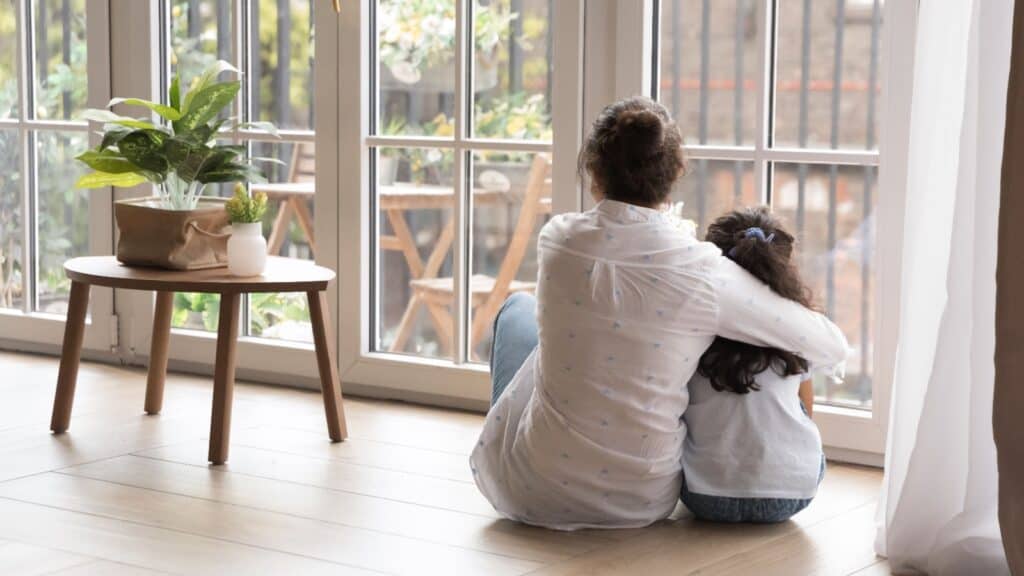
The environment shapes the brain as much as any lesson does. A quiet corner with soft lighting, a few books, some cushions, and a simple visual schedule gives your daughter a sense of order.
She knows what comes next. That predictability reduces stress and frees up mental energy for actual thinking, not just coping.
You don’t need a dedicated room. A small bedroom corner works. Add natural elements: a plant she can water, neutral colors, a little warmth from a lamp or fairy lights. Children settle faster in spaces that mirror the calm of a well-run classroom.
Break Tasks Into Small, Clear Steps

“Clean your room” is overwhelming. “Start by clearing your desk” is doable. Large tasks trigger anxiety in children, especially those still developing executive function skills like planning, organization, and task initiation.
Breaking work into smaller, concrete steps reduces that freeze response. It makes the next move obvious, and that clarity builds momentum.
Try checklists. Try one instruction at a time. When she finishes each step, she gets a win. Those small wins stack up into self-belief: the quiet confidence that says, “I can handle hard things.”
This skill transfers far beyond homework. It shows up in sports, friendships, and eventually the goals she sets for herself as she grows.
Play Thinking-Focused Games Together

Forget flashcards built purely for memorization. The games that build real thinking skills look a lot more like fun.
Puzzles, riddles, board games, memory card games, and “What if?” scenarios all count as lateral thinking activities, and research shows they train children to approach problems from fresh angles rather than following a fixed formula.
A board game builds strategy and patience. A riddle forces creative thinking over linear logic. A quick round of “20 Questions” develops communication and prediction skills.
And here’s what makes it even better: she’s having fun. Her brain is fully engaged without any pressure attached.
Mothers who introduce these games at home are extending what strong schools already try to do, building creativity, confidence, and reasoning skills that tests can’t always measure.
Make Physical Activity Part of the Day

The CDC recommends at least 60 minutes of moderate-to-vigorous physical activity daily for children aged 6–17. Aerobic exercise boosts attention and memory by increasing BDNF, a brain-derived protein that supports the growth of new neural connections. For girls aged 3–5, active unstructured play throughout the day is enough.
You don’t need a gym membership or a sport with a uniform. A bike ride, a walk, a backyard game of chase, these count. Basketball covers aerobic fitness and bone-strengthening in one shot.
Model it yourself. Go on that walk with her. Make movement something the family does together, not a task she does alone.
Teach Her Simple Breathing Exercises

Anxiety blocks focus. Breathing breaks it open. Suzanne Silverstein, founding director of Cedars-Sinai’s Share & Care program, puts it plainly: breathing techniques “calm down your mind and body so you are better able to deal with stressful situations.”
They slow racing thoughts and bring children back to the present moment. A Stanford study found that even brief, mindful breathing improves mental health outcomes in children and teens.
For younger girls, try “Cookie Breathing”; imagine smelling a warm cookie on the inhale, then blowing it cool on the exhale. For older kids, try belly breathing: inhale for four seconds, hold for seven, exhale for eight.
Practice it as a family. When test nerves hit or friendship drama spills over, she’ll already have the tool, and she’ll actually use it.
Cut the Background Noise (Screens Especially)

Phones on the desk. A TV running in the background. Notifications pinging every few minutes. These don’t just distract; they train the brain to expect constant stimulation.
A child’s executive function, the part of the brain that handles planning, prioritizing, and self-control, is still developing for years. Background distractions during focused work slow that development down. Phones, gaming consoles, and cluttered workspaces all quietly steal attention, often unnoticed.
Create a study space that’s quiet and stripped down. Keep only the essentials nearby. No screens running in the background. No devices within reach.
Model the behavior, too. When she’s working, silence your own phone. That one act sends a message louder than any instruction.
Build a Simple Daily Routine
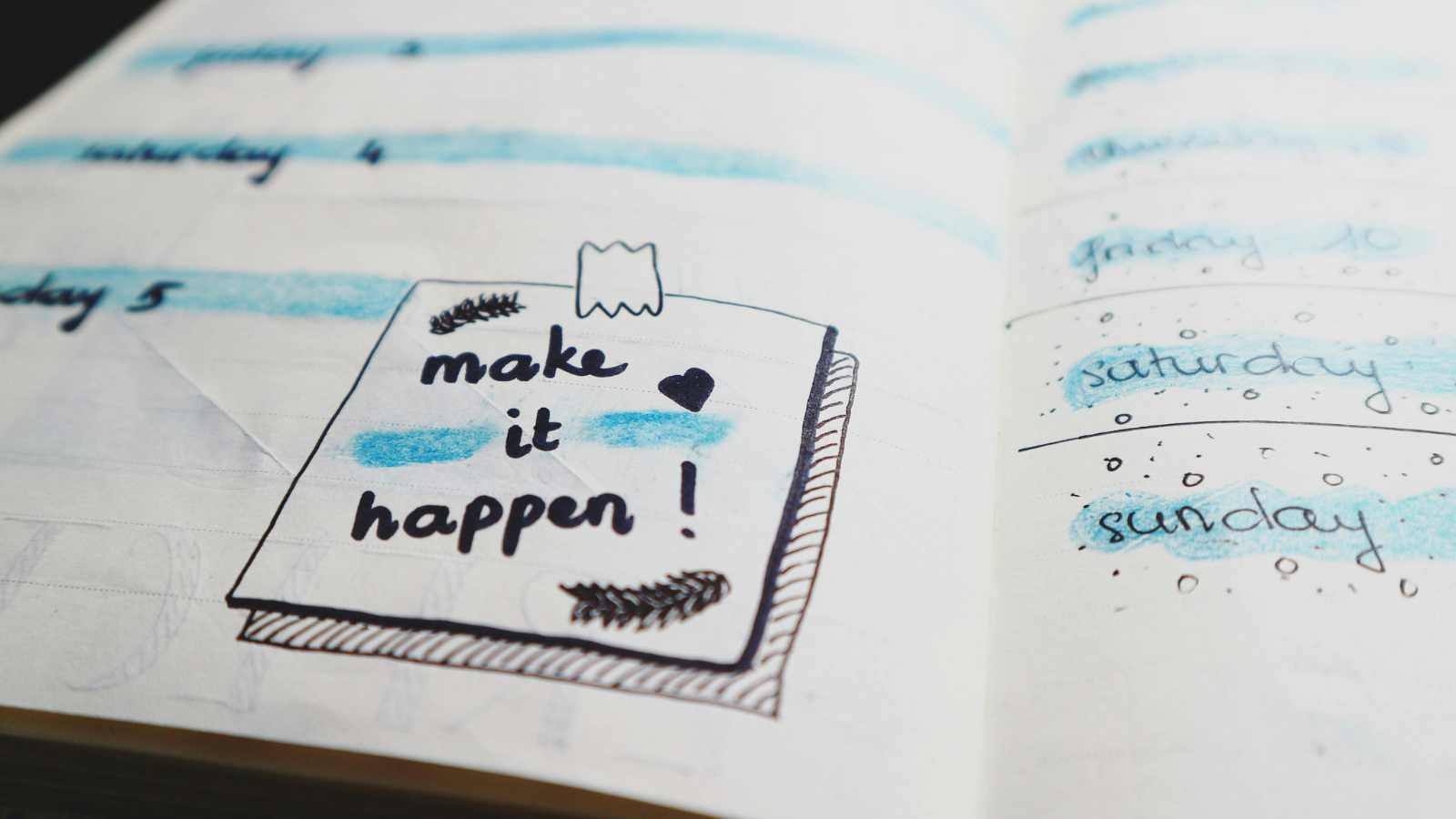
Predictability isn’t boring for children. For developing brains, it’s protective. Consistent daily routines help daughters feel safe and in control of their environment. That emotional security frees up mental energy for learning, problem-solving, and creative thinking.
Research by Hemmeter, Ostrosky, and Fox links predictable routines to stronger social-emotional development and fewer behavioral challenges in young children. A routine doesn’t need to be rigid. It just needs to be consistent enough that she knows what comes next.
Review the day each morning together. Warn her before transitions. Let her handle parts of the routine independently, which builds confidence alongside structure.
Repetition builds neural pathways. And structure, done with warmth, creates real space for growth.
Give Her Real Decisions to Make
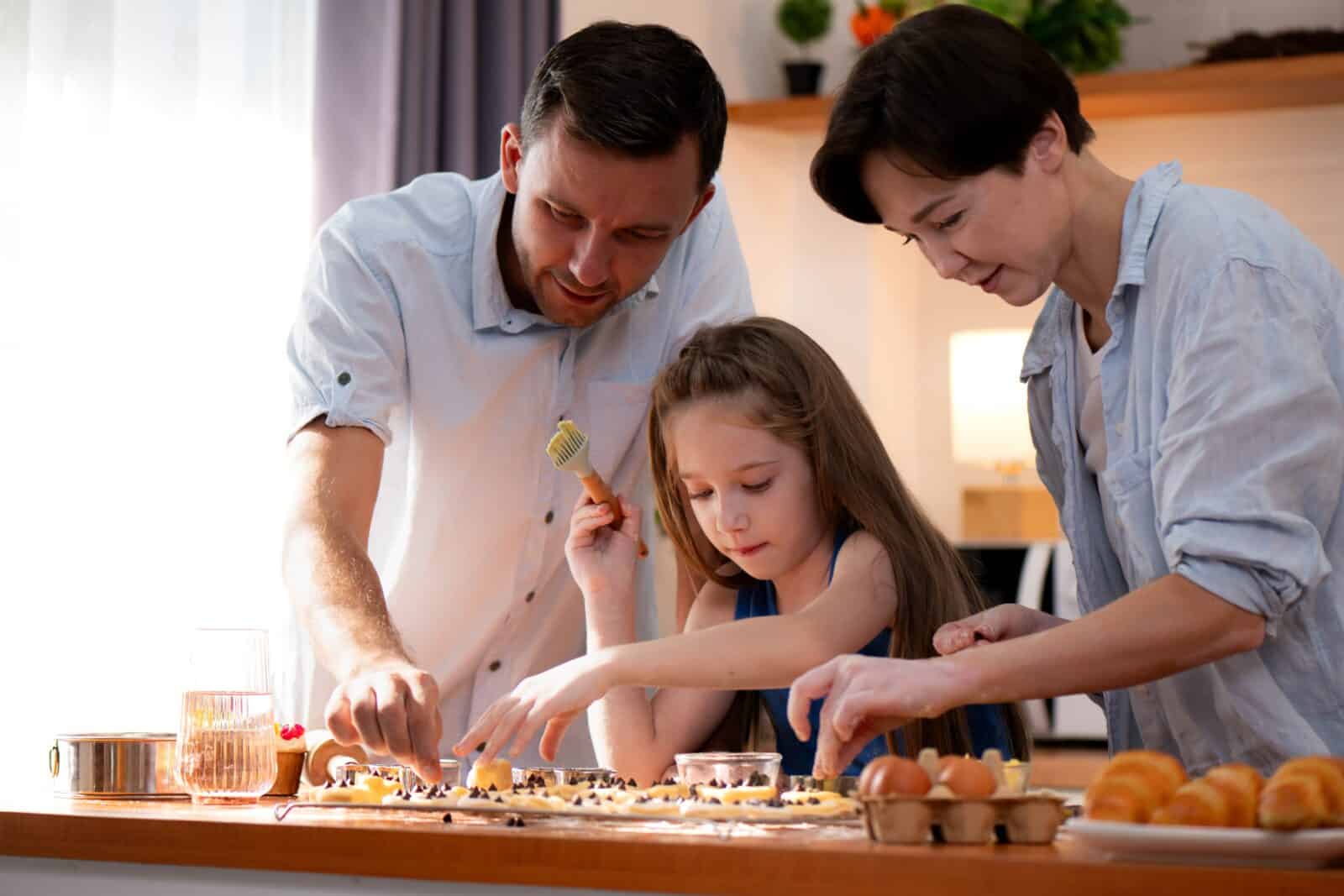
Let her choose between two dinner options. Let her plan game night. Hand her $5 and a small errand. Simple, low-stakes decision-making tasks build critical thinking and confidence in girls aged 7–12. They learn to pause, weigh options, and sit with the outcome, all while the stakes are still manageable.
Use a simple four-step framework with her: stop and think, consider your options, weigh the positives and negatives, then decide, and reflect on how it went afterward.
Don’t rescue her from a poor choice. Sit with her and ask, “What would you do differently?” That reflection is where real thinking happens, and it’s where resilience quietly builds.
Ask Her to Explain Her Thinking

This one costs nothing. It changes everything. Moral philosopher and educator Peter Facione defines critical thinking as the ability to “interpret, analyse, evaluate and infer from information.” Children build that skill when they’re asked to explain their reasoning, not just produce an answer.
Swap “because I said so” for “why do you think we eat vegetables?” Let her work through it. Ask follow-up questions. Let her sit in the uncertainty for a moment before jumping in to fill the silence.
This practice, called metacognition, or thinking about one’s own thinking, sharpens attention, builds reasoning skills, and strengthens her ability to express ideas with clarity. Programs like Critical Thinking Consortium and Project Zero back this approach because it improves how children process the world, not just how they perform on tests.
Think aloud while solving problems so she can watch logic in action. Encourage her to consider more than one perspective before landing on a conclusion. Ask open-ended questions at the dinner table and then genuinely listen.
Her brain gets stronger every single time she has to organize her thoughts and put them into words.
None of these habits demands a perfect schedule or hours of free time. Most take five minutes or less.
The everyday moments, the bedtime story, the breathing exercise before school, the question asked over dinner, these are the ones that quietly shape how she thinks, focuses, and sees herself as capable.
Start with one. Do it consistently. That’s the part most people skip, and it’s the part that matters most.
Key Takeaways

- Your home is her first classroom. The habits you build there matter more than any school or program you’ll ever pay for.
- Small and consistent beats big and occasional. Five minutes of reading daily outperforms an hour done once a week, every time.
- Movement, breathing, and routine aren’t extras; they’re the foundation that makes everything else possible.
- Don’t give her answers; give her questions. A child who learns to explain her thinking becomes an adult who knows how to solve problems.
- The window is open right now. 90% of her brain development happens before kindergarten, so the best time to start is today.
Disclaimer – This list is solely the author’s opinion based on research and publicly available information. It is not intended to be professional advice.
Like our content? Be sure to follow us.