11 school lunch “classics” that are now banned
Some school lunch foods deserve a yearbook photo, a dramatic farewell, and maybe a tiny apology to our arteries. If you grew up in the U.S., you probably remember the cafeteria’s greatest hits: pizza squares, mystery nacho cheese, neon juice drinks, candy from the vending machine, and fries that somehow counted as a personality trait.
But school food has changed because health experts, federal meal rules, and state laws have started pushing old-school favorites off the menu or forcing them into healthier versions. The National School Lunch Program now serves nearly 29.9 million students each day, so even small menu changes can affect a huge number of kids.
And honestly, the shift makes sense. CDC data shows that U.S. kids and teens still face major nutrition challenges, with childhood obesity affecting about 21.1% of children and adolescents ages 2 to 19 from August 2021 to August 2023.
The CDC also says empty calories from added sugars and solid fats make up 40% of daily calories for children and teens ages 2 to 18, with soda, fruit drinks, grain desserts, pizza, dairy desserts, and whole milk among the major sources. That sounds less like “lunch” and more like a sugar-powered science experiment with a side of ketchup.
Full-sugar soda got kicked out of the cafeteria

Remember when a soda from the school vending machine felt like a tiny act of rebellion? Health experts looked at that fizzy little thrill and basically said, “Absolutely not.” The USDA’s Smart Snacks in School standards limit what schools can sell during the school day, and regular soda does not fit the healthier drink lineup that favors water, low-fat milk, fat-free milk, and limited portions of 100% juice.
CDC guidance also links frequent sugary drink consumption with weight gain, obesity, type 2 diabetes, heart disease, fatty liver disease, tooth decay, and cavities, which makes soda a pretty rough lunch buddy.
I get the nostalgia because cracking open a cold soda with pizza felt like an elite treat when you were twelve. But one can of soda can blow through a big chunk of a kid’s recommended added sugar limit before the bell even rings.
The American Heart Association recommends that children keep added sugars to 25 grams or less per day, which makes a full-sugar soda look like it walked into the cafeteria wearing a villain cape. Do kids need caffeine, sugar, carbonation, and algebra in the same afternoon? Probably not, unless we want seventh period to look like a squirrel convention.
Fruit punch drinks lost their fake halo
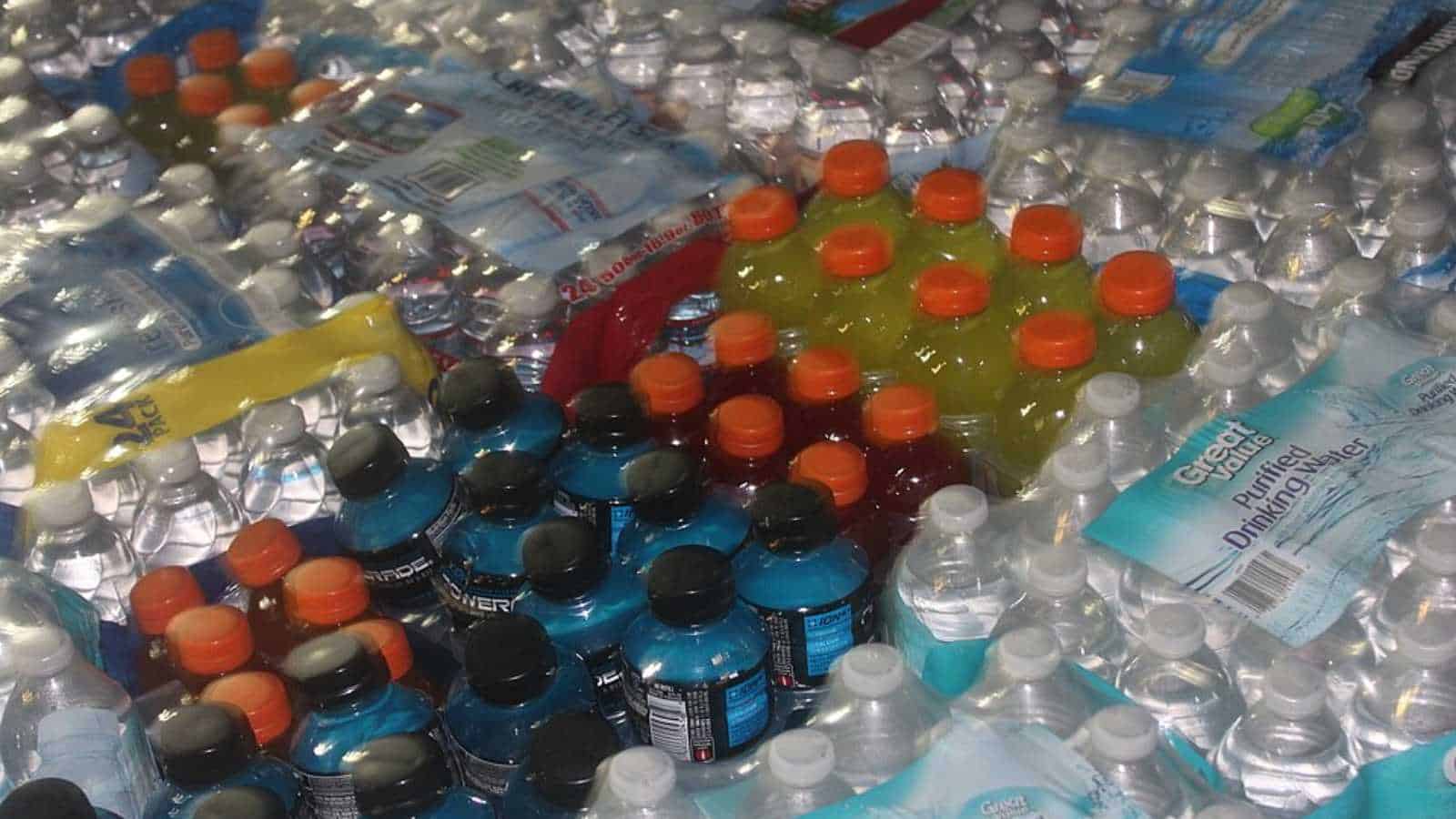
Fruit punch always had great public relations. It showed up in a bright carton, waved the word “fruit” around, and acted as if it had just come from an orchard instead of a chemistry lab with a tropical screensaver.
The CDC lists fruit drinks among the major sources of empty calories from added sugars and solid fats in kids’ diets, and school nutrition rules now favor 100% fruit or vegetable juice in controlled portions instead of sweetened juice drinks. That means the old red punch with barely-there juice and enough sugar to wake the mascot no longer gets a free pass.
This one still fools adults, too, because “fruit drink” sounds friendlier than “sugar water wearing a pineapple costume.” But health experts have pushed schools toward drinks that actually deliver nutrients without dumping extra sweeteners into lunch.
Under Smart Snacks guidance, schools can sell limited portions of 100% juice, and younger students face tighter beverage rules than high schoolers. So yes, fruit punch had a good run, but the cafeteria finally read the label.
Candy bars stopped passing as school snacks
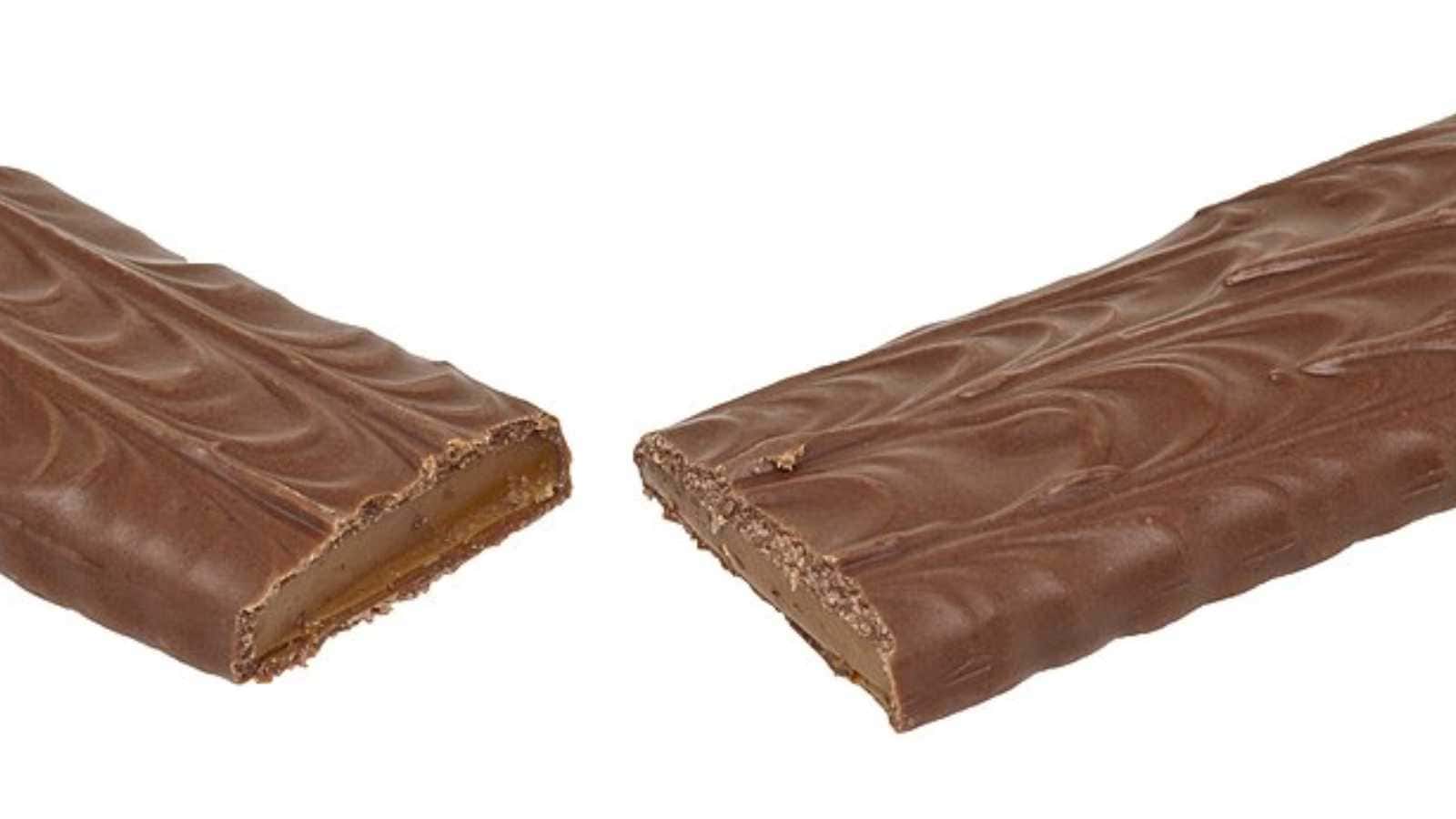
Candy bars in the school hallway vending machine had main-character energy. You could grab one between classes, pretend it counted as “energy,” and then wonder why you crashed before gym.
The USDA’s Smart Snacks standards changed that game by setting limits for calories, sodium, fat, saturated fat, trans fat, and total sugars for foods sold at school during the school day. A snack must generally stay at 200 calories or less, keep sodium at 200 milligrams or less, contain 0 grams of trans fat, and keep total sugars at 35% by weight or less.
That does not mean every sweet treat vanished from every school in America, because local rules and sale times still matter. But the classic full-size candy bar no longer fits the “sure, sell it to kids at 10:17 a.m.” mindset.
The new trend pushes schools toward snacks with whole grains, fruit, vegetables, dairy, or protein as the main feature, not chocolate-coated panic fuel. Honestly, if a snack needs a warning label from your dentist and your math teacher, maybe it should stay at the gas station.
Frosted snack cakes got benched
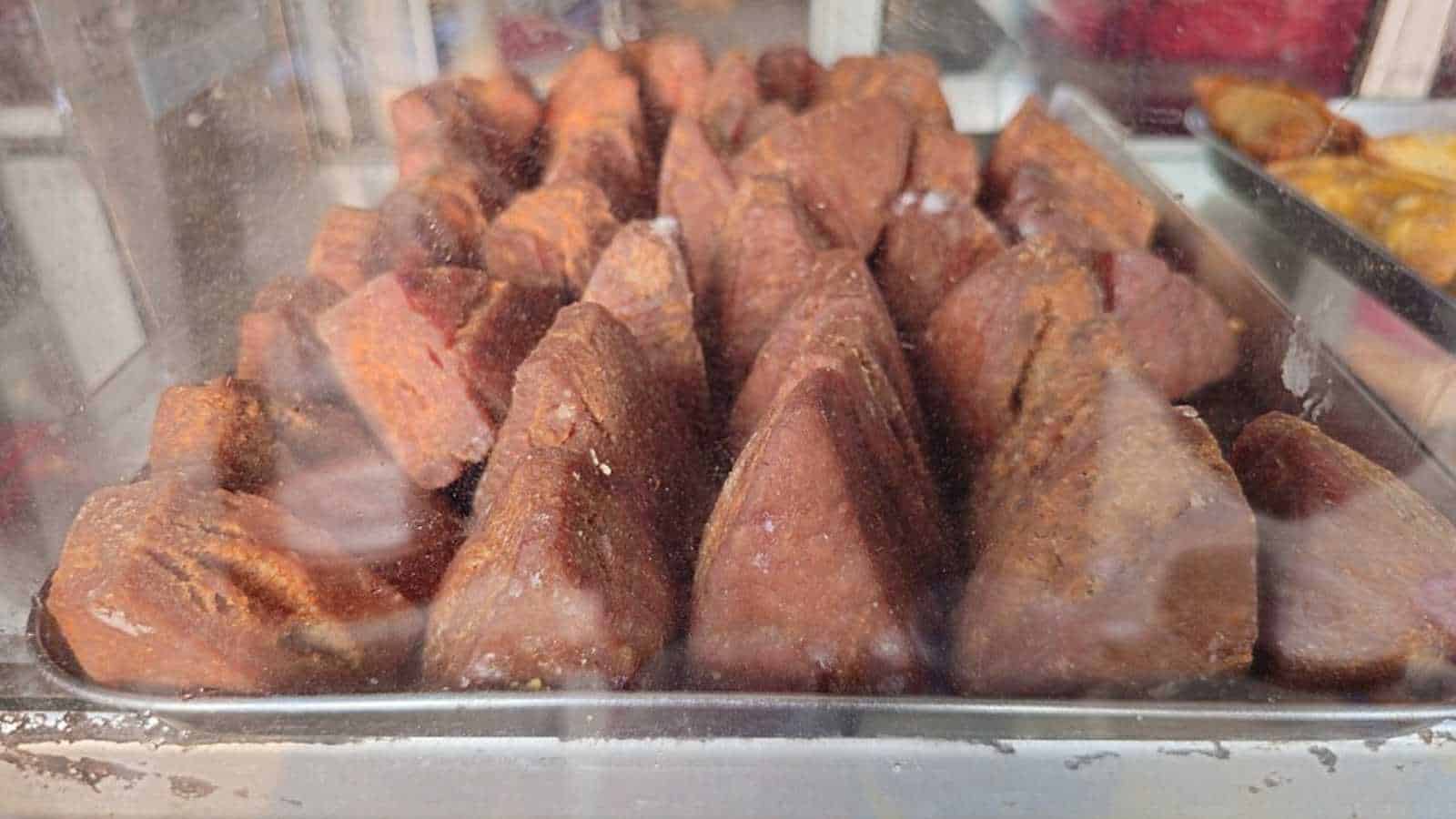
Those plastic-wrapped frosted snack cakes had a strange cafeteria magic. They tasted like birthday cake, shelf stability, and questionable decision-making, all in one soft little brick.
But school standards now target the exact things those old snack cakes loved most: added sugar, refined flour, saturated fat, and low nutritional value. The current Dietary Guidelines for Americans emphasize whole, nutritious foods and limit highly processed foods, added sugars, and refined carbohydrates, which puts frosted snack cakes on very thin cafeteria ice.
Let’s be honest, nobody ate a frosted snack cake because it supported “lifelong wellness.” We ate it because it came in pairs and made lunch feel like recess had a dessert department.
Still, grain desserts count among the big empty-calorie sources in children’s diets, and Smart Snacks rules force school snack foods to meet stricter calorie, sugar, fat, and sodium limits. The old snack cake did not evolve; the cafeteria did.
Trans-fat cookies and doughnuts got the hard no
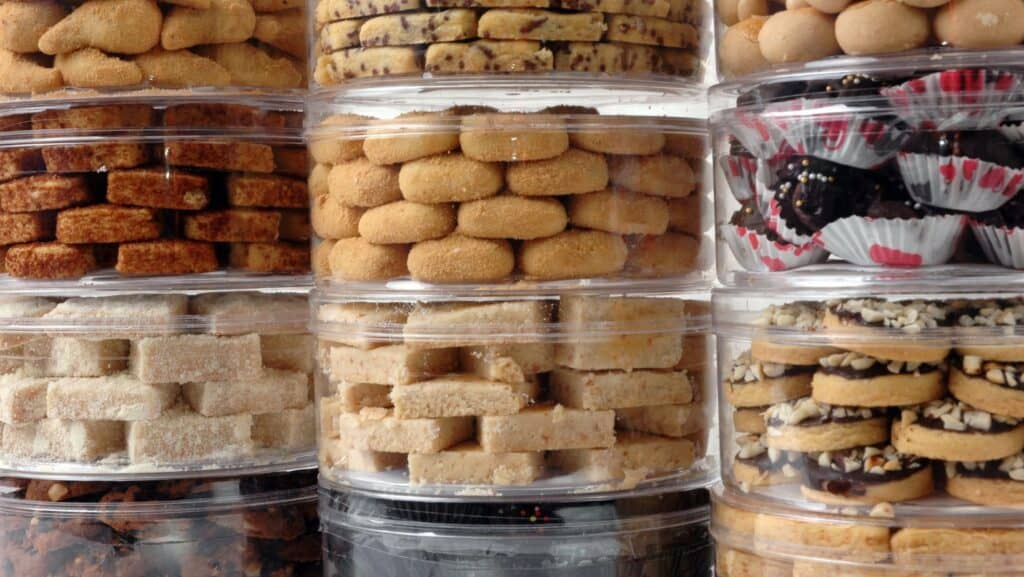
Old cafeteria cookies had range. Some came soft and greasy, some came hard enough to count as building materials, and some probably contained ingredients that could survive a minor apocalypse.
The big villain here was partially hydrogenated oils, the main source of artificial trans fat in many processed foods. The FDA determined in 2015 that partially hydrogenated oils no longer qualified as “Generally Recognized as Safe,” and manufacturers had to remove most uses of them from the food supply.
That decision changed the fate of plenty of old-school baked goods, including cookies, doughnuts, fried pies, and pastries that once leaned on artificial trans fats for texture and shelf life. Smart Snacks rules also require school snacks to contain 0 grams of trans fat, so the cafeteria cookie had to clean up its act or step aside.
I miss the giant chocolate chip cookie as much as anyone, but my arteries probably sent the FDA a thank-you card. Sometimes nostalgia needs portion control and a better oil.
Extra-sugary chocolate milk had to grow up
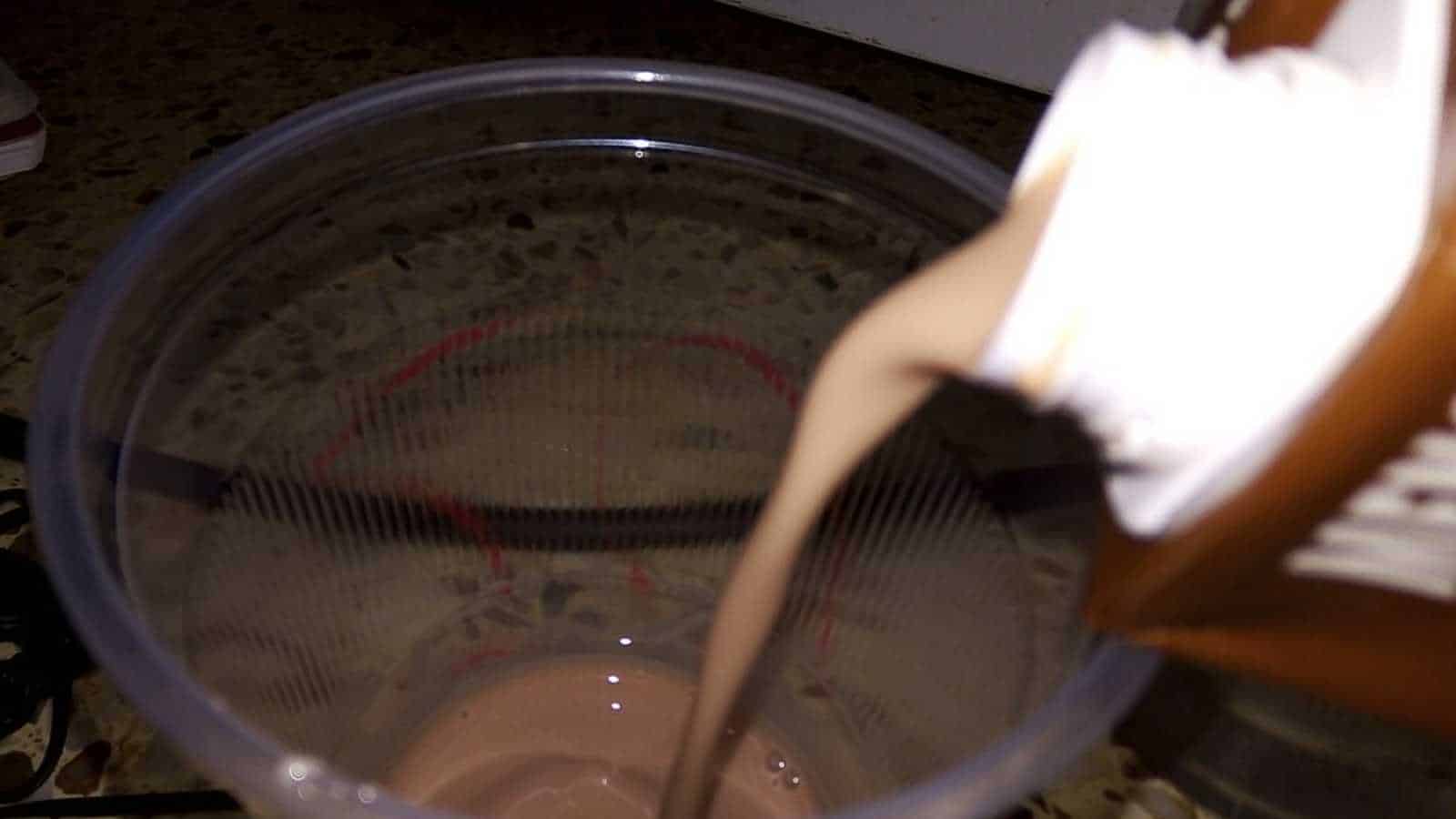
Chocolate milk did not disappear everywhere, and that detail matters. Schools can still offer flavored milk, but the sugar rules have tightened, especially under USDA updates that set product-based limits on added sugars.
Starting in the 2025 to 2026 school year, flavored milk in school meals may contain no more than 10 grams of added sugars per 8 fluid ounces, and flavored milk sold as a competitive food in middle and high schools has its own limit.
That means the old dessert-like chocolate milk had to trade its sugar rush for a more restrained version. I know, tragic, right? But the USDA found that flavored milk accounted for a major share of added sugars in school breakfasts and lunches, so regulators clearly saw the carton as doing more than “helping kids drink milk.”
The newer trend does not ban chocolate milk outright, but it bans the idea that a milk carton should taste like melted Halloween candy.
Neon-dyed chips are facing the exit
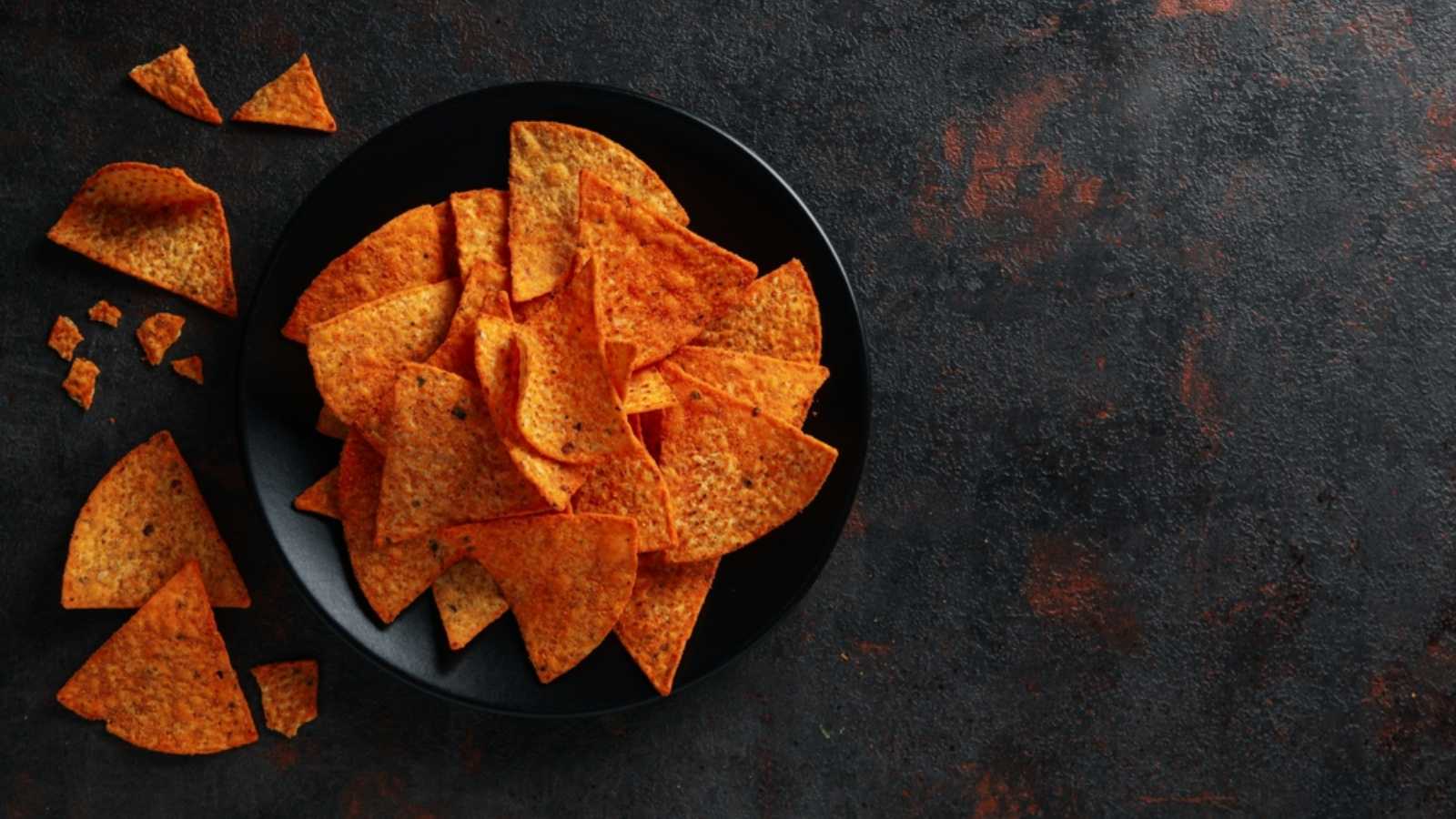
Some school snacks looked less like food and more like they came from a highlighter factory. Bright orange chips, electric-red drinks, rainbow cereals, and aggressively colored snack mixes became cafeteria icons, but synthetic dyes now face serious pushback.
California’s School Food Safety Act targets synthetic dyes such as Red 40, Yellow 5, Yellow 6, Blue 1, Blue 2, and Green 3 in public school foods, and the FDA announced a national effort in 2025 to phase out several petroleum-based synthetic dyes from the food supply.
This trend feels huge because it moves beyond calories and sugar into ingredient quality. Health advocates have raised concerns about behavioral and developmental effects in some children, especially kids sensitive to certain dyes.
Does every orange chip automatically turn into a public health emergency? No. But when a snack leaves dust on your fingers that looks like roadwork paint, maybe schools deserve a cleaner option.
Greasy pizza squares got a nutrition makeover
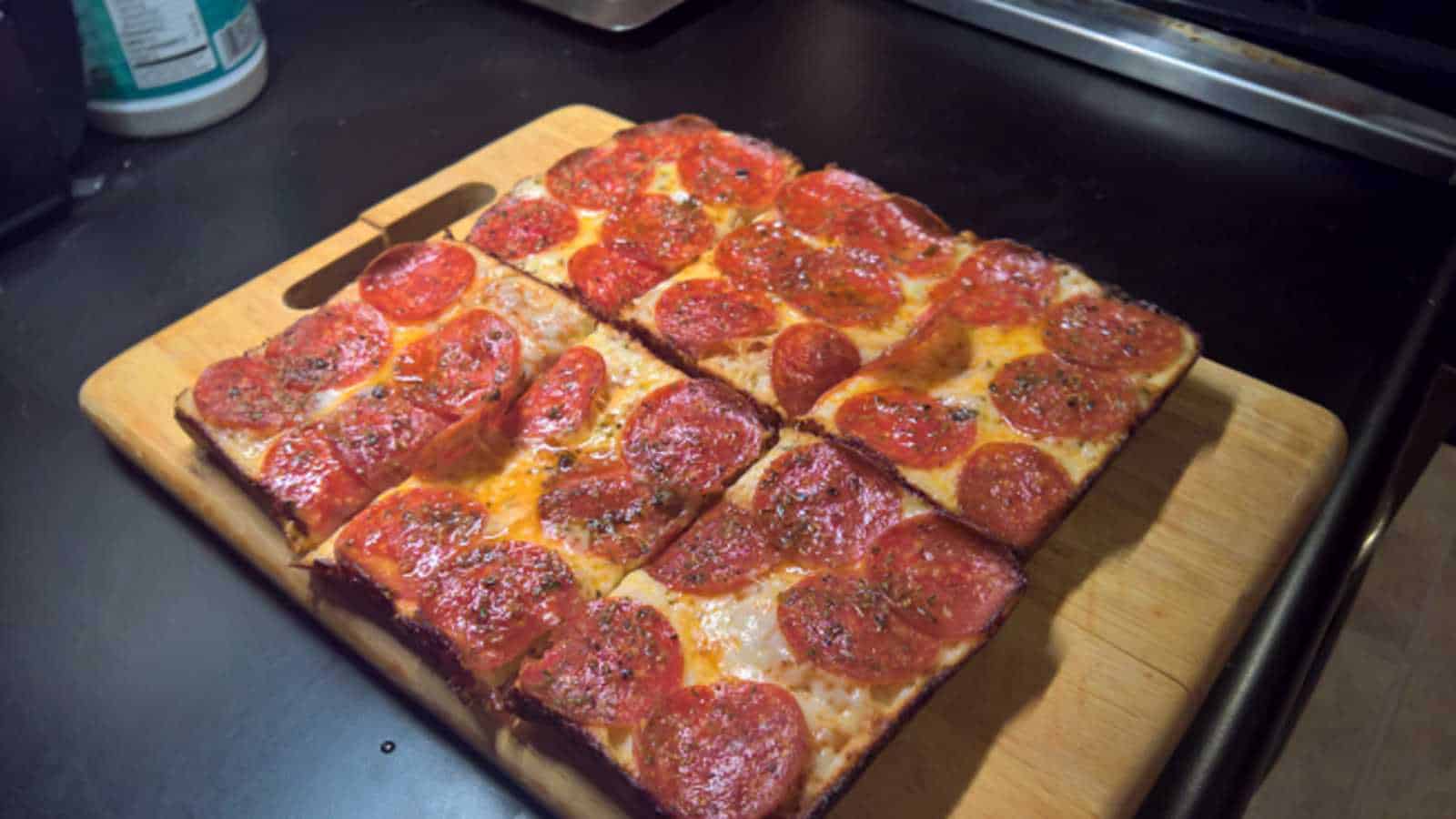
School pizza remains alive, so nobody needs to organize a candlelight vigil near the cafeteria oven. But the old, greasy pizza square, the one with a shiny oil puddle and a crust that tasted like cardboard with ambition, has changed under modern meal standards.
The CDC lists pizza among the major sources of empty calories from added sugars and solid fats in children’s diets, and USDA rules now push school meals toward better whole-grain content, sodium reduction, and limits on added sugars.
The shocking part is not that pizza disappeared, because it mostly did not. The real change is that schools now have to make pizza behave like lunch, not a sleepover snack.
That can mean whole-grain crust, lower-sodium sauce, leaner toppings, smaller portions, and more vegetables on the tray. So yes, pizza still gets invited, but it no longer gets to show up wearing a grease slick and calling itself balanced nutrition.
Hot dogs and corn dogs landed on the warning list

Hot dogs and corn dogs ruled school lunch menus because kids liked them, kitchens could serve them fast, and nobody had to explain them. Then health experts started looking harder at processed meat, and the nostalgia got awkward.
The World Health Organization’s cancer agency classifies processed meat as Group 1, carcinogenic to humans, which reflects strong evidence linking processed meat consumption to cancer risk. AICR also notes that even 50 grams of processed meat per day, about one small hot dog, is linked with an 18% higher colorectal cancer risk compared with eating none.
That does not mean one corn dog at a school carnival ruins childhood. It means schools have stronger reasons to limit processed meats and offer leaner proteins, beans, poultry, yogurt, eggs, or plant-forward choices more often.
The old hot dog lunch also brings sodium along for the ride, and the American Heart Association says kids ages 2 to 18 eat about 3,330 milligrams of sodium per day, over 40% more than its recommended limit. At some point, the hot dog stops being “classic” and starts acting like a salty little liability.
Nachos with canned cheese got exposed
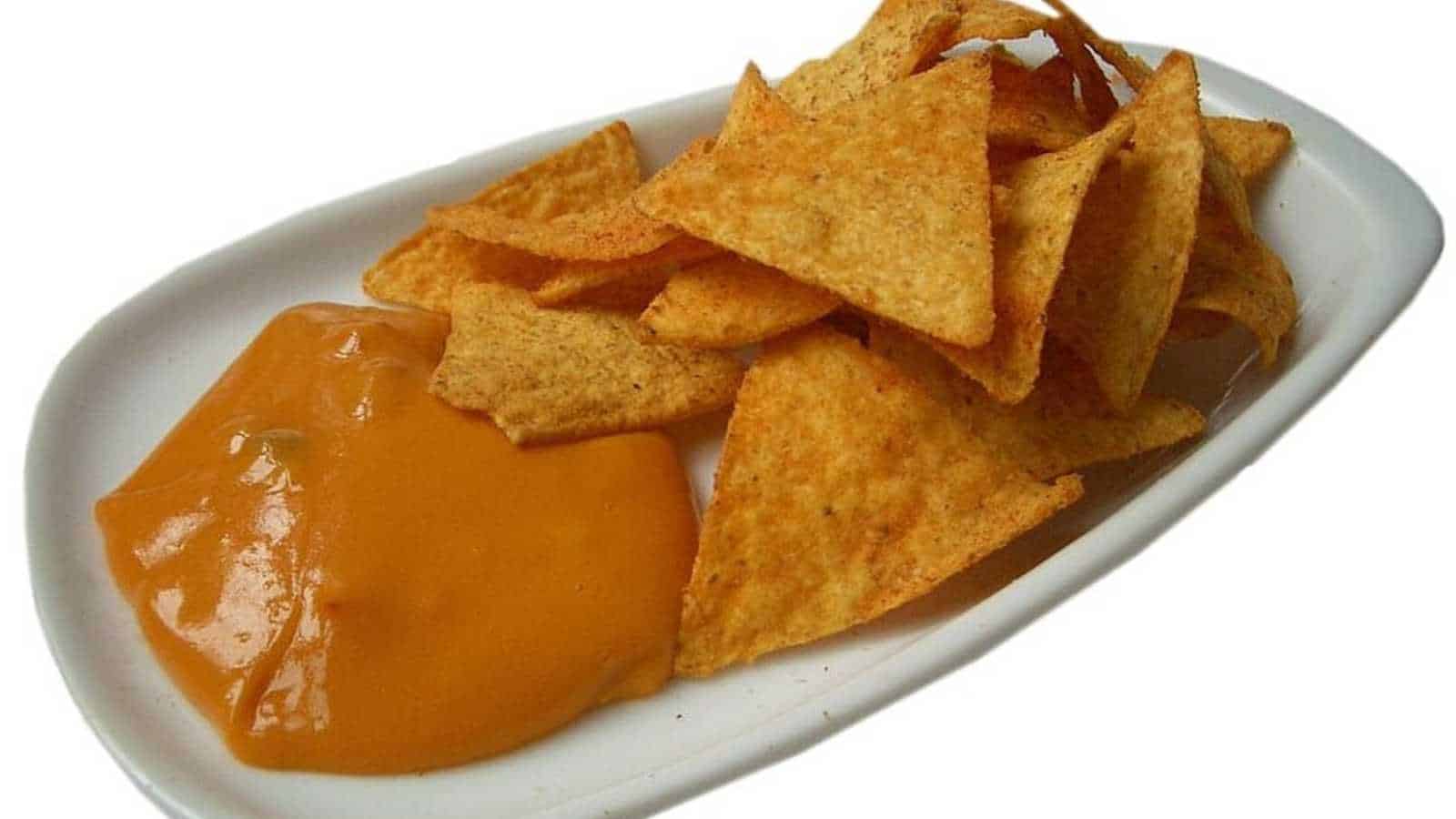
Cafeteria nachos had a very specific charm: chips, mystery meat, canned cheese sauce, and exactly one sad jalapeño for decoration. But health experts have zeroed in on sodium, saturated fat, and highly processed foods, which puts the old nacho tray under serious pressure.
USDA’s updated school meal standards require gradual sodium reductions, including a planned reduction in sodium for school lunches by the 2027 to 2028 school year. That matters because nachos can stack sodium fast through chips, cheese sauce, seasoned meat, and toppings.
The healthier version can still work, and honestly, it can taste better. Schools can use baked whole-grain chips, beans, lean meat, real shredded cheese in smaller amounts, salsa, lettuce, tomatoes, and fresh toppings that bring crunch without turning lunch into a salt lick.
Ever noticed how “cheese product” sounds like cheese hired a lawyer? That alone should tell us the cafeteria nachos needed a glow-up.
Deep-fried fries and tater tots lost their daily crown
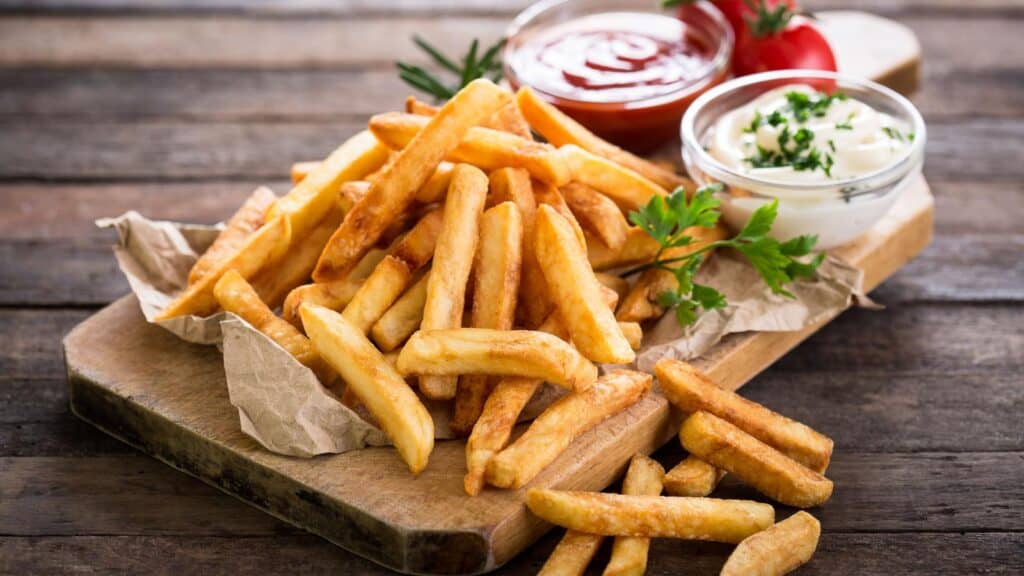
Fries and tater tots may hold the strongest emotional power on this list. Kids could ignore every vegetable on the tray, but fries? Suddenly, everyone had excellent focus. The problem stemmed from the old preparation style: deep-frying, heavy salt, oversized portions, and pairing them with other salty foods like pizza, burgers, or nuggets.
Smart Snacks rules now limit sodium and fat for foods sold outside reimbursable meals, and broader school meal rules push cafeterias toward better meal balance instead of letting fried potatoes run the table.
Potatoes themselves are not the enemy, and I refuse to slander a perfectly innocent spud. The trouble starts when schools treat fries as a daily vegetable strategy and bury them under salt, oil, and ketchup packets.
Modern menus lean more toward baked wedges, roasted potatoes, smaller portions, and real vegetables with color that didn’t come from a fryer. The classic fry tray had its moment, but kids deserve more than “crispy beige” five days a week.
Prepackaged lunch kits lost their school-lunch shine
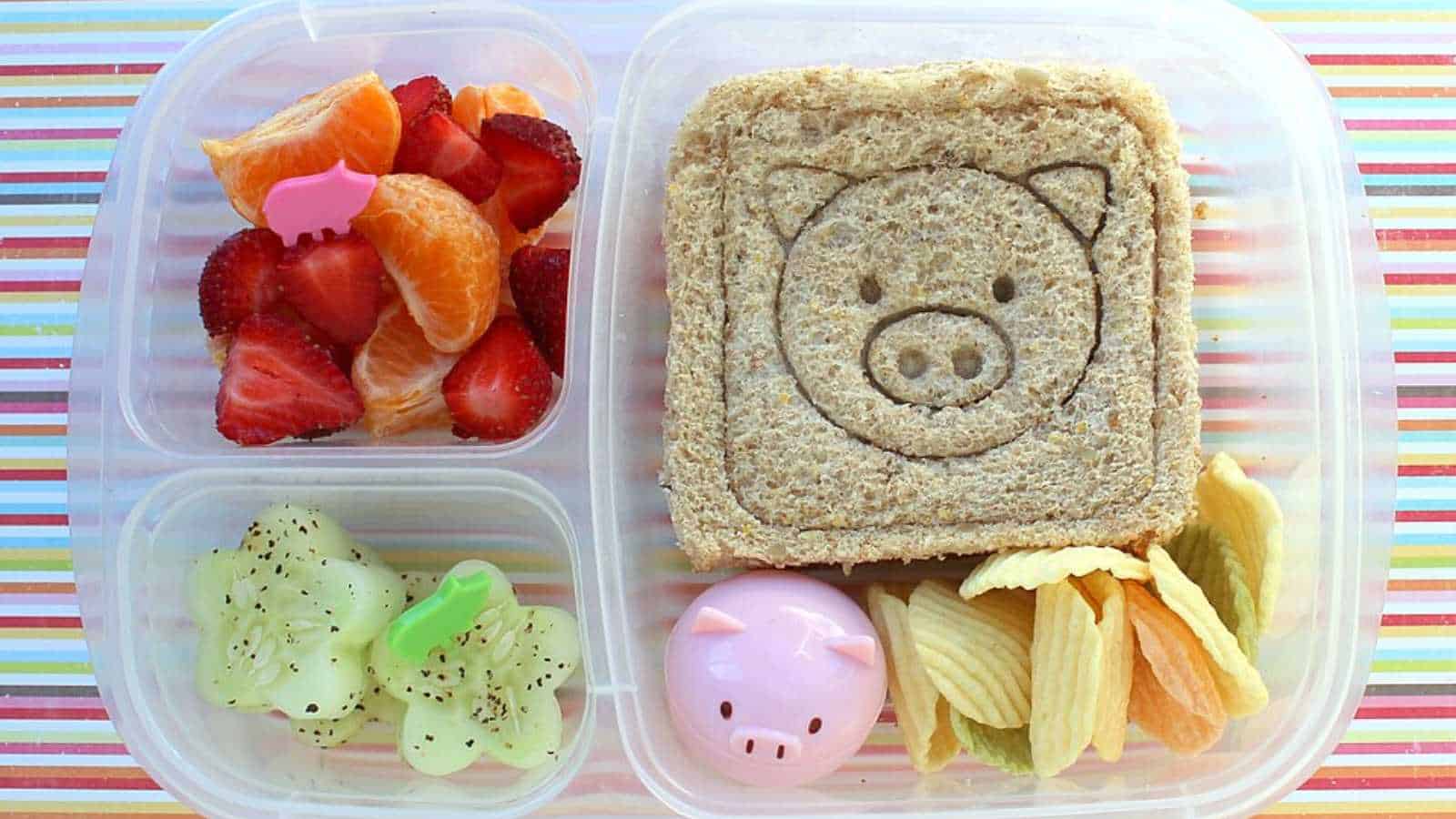
Prepackaged lunch kits once looked like the cool kid option because they turned lunch into a tiny assembly project. Crackers, meat, cheese, maybe a sugary drink, maybe a candy treat, and suddenly a student felt like a charcuterie influencer with a math quiz.
But these kits often raise concerns about sodium, added sugars, refined grains, and ultra-processed ingredients. In 2024, Kraft Heinz removed Lunchables from the National School Lunch Program due to weak demand, and the broader debate over packaged school meals grew louder as nutrition advocates criticized sodium levels and ingredient quality.
This trend connects to a bigger national shift. California enacted a law to phase out certain ultra-processed foods from public school meals over the next decade, with definitions due by 2028 and full removal from school breakfasts and lunches by 2035.
That does not mean every packaged lunch kit has vanished from every lunchroom today, but the writing on the cafeteria wall looks pretty clear. If lunch needs a plastic tray, a peel-back film, and a sodium warning from your future cardiologist, maybe fresh food deserves a comeback.
Key takeaway

The school lunch classics many Americans remember did not disappear because cafeteria workers suddenly hated fun. They changed because experts, schools, and regulators saw the same pattern: too much added sugar, sodium, saturated fat, artificial trans fat, synthetic dyes, and ultra-processed food on kids’ trays.
The best modern school lunches do not need to feel boring, either. They can keep the comfort, the flavor, and the nostalgia, just without turning lunch into a daily health gamble with a side of neon cheese.
Disclaimer: This list is solely the author’s opinion based on research and publicly available information. It is not intended to be professional advice.
Like our content? Be sure to follow us