10 rare snacks we loved that nobody talks about anymore
You know that specific heartbreak when you sprint to the grocery store aisle, craving a particular treat, only to find an empty void where your happiness used to live? It’s a tragedy we’ve all lived through. While the world fights over politics and crypto, the real battle is happening in our memories, fighting to keep the taste of discontinued snacks alive. We aren’t just talking about food here; we’re talking about edible time capsules.
The “Nostalgia Economy” is booming, with 75% of consumers saying they are more likely to buy a product that evokes a childhood memory, according to a survey by The Drum. Yet, big corporations keep ignoring our desperate tweets and Change.org petitions. Why? Usually, it comes down to boring stuff like supply chain costs or the fact that we all suddenly decided sugar was the enemy in 2005. But today, we’re pouring one out for the homies.
Here are 10 rare snacks that defined our childhoods, why they vanished, and the insane amounts of money people are paying for their empty wrappers on eBay.
Planters P.B. Crisps
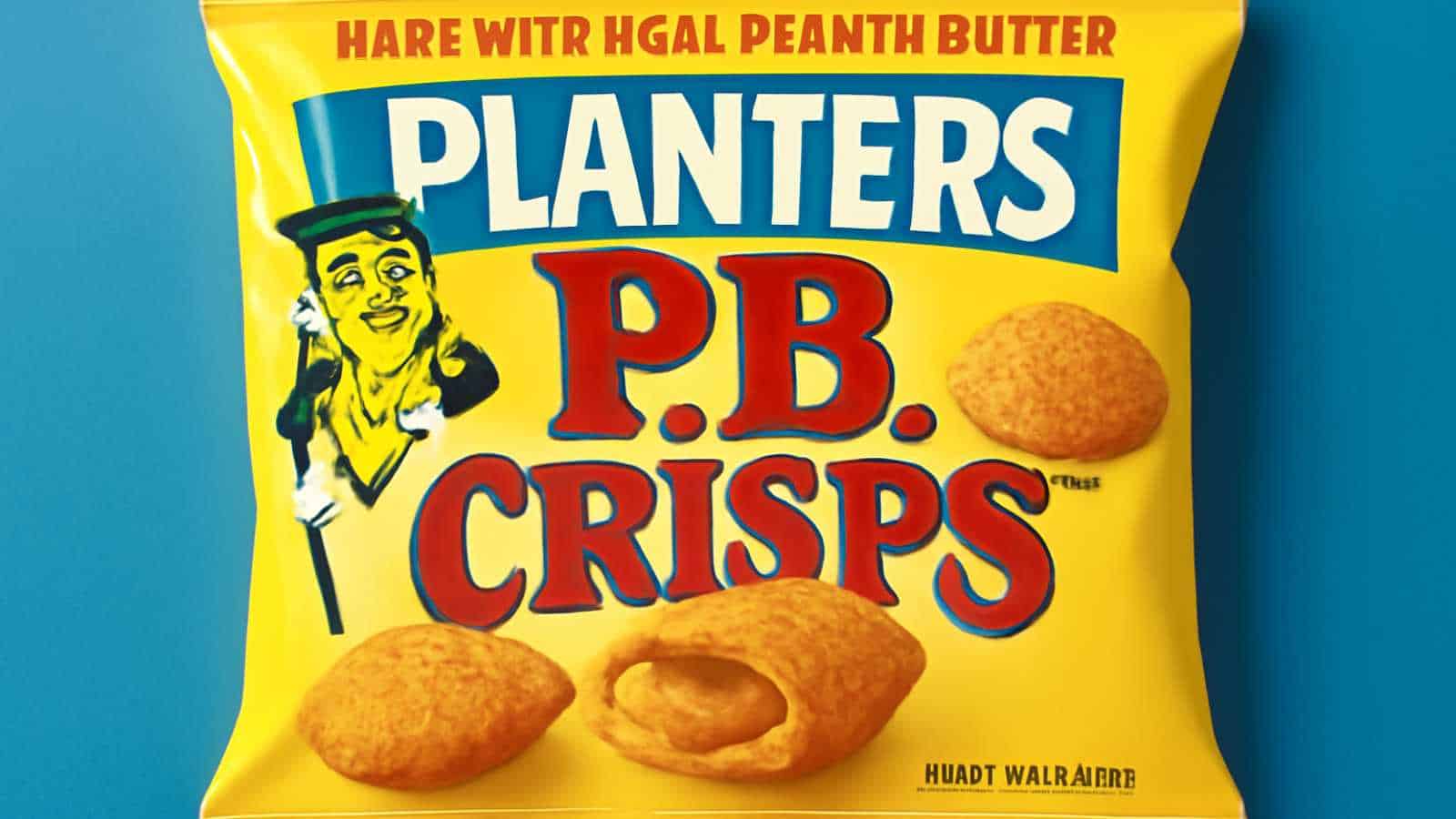
If you claim this wasn’t the most excellent peanut butter snack of all time, you are lying to yourself. Planters P.B. Crisps featured a graham-cracker-style shell shaped like a peanut, filled with a light, sweet peanut butter crème. The texture was a masterpiece of food engineering—crispy on the outside, cool and dissolving on the inside.
Sadly, Planters pulled the plug in 1995, citing “low sales,” which feels like gaslighting considering the cult following. A dedicated fan site, pbcrisps.com, still lobbies for their return, and vintage bags appear on eBay for up to $99.00 just for the empty packaging. The fragility of that perfect shell likely caused shipping nightmares (too much breakage), killing our dreams in the process.
Altoids Sours
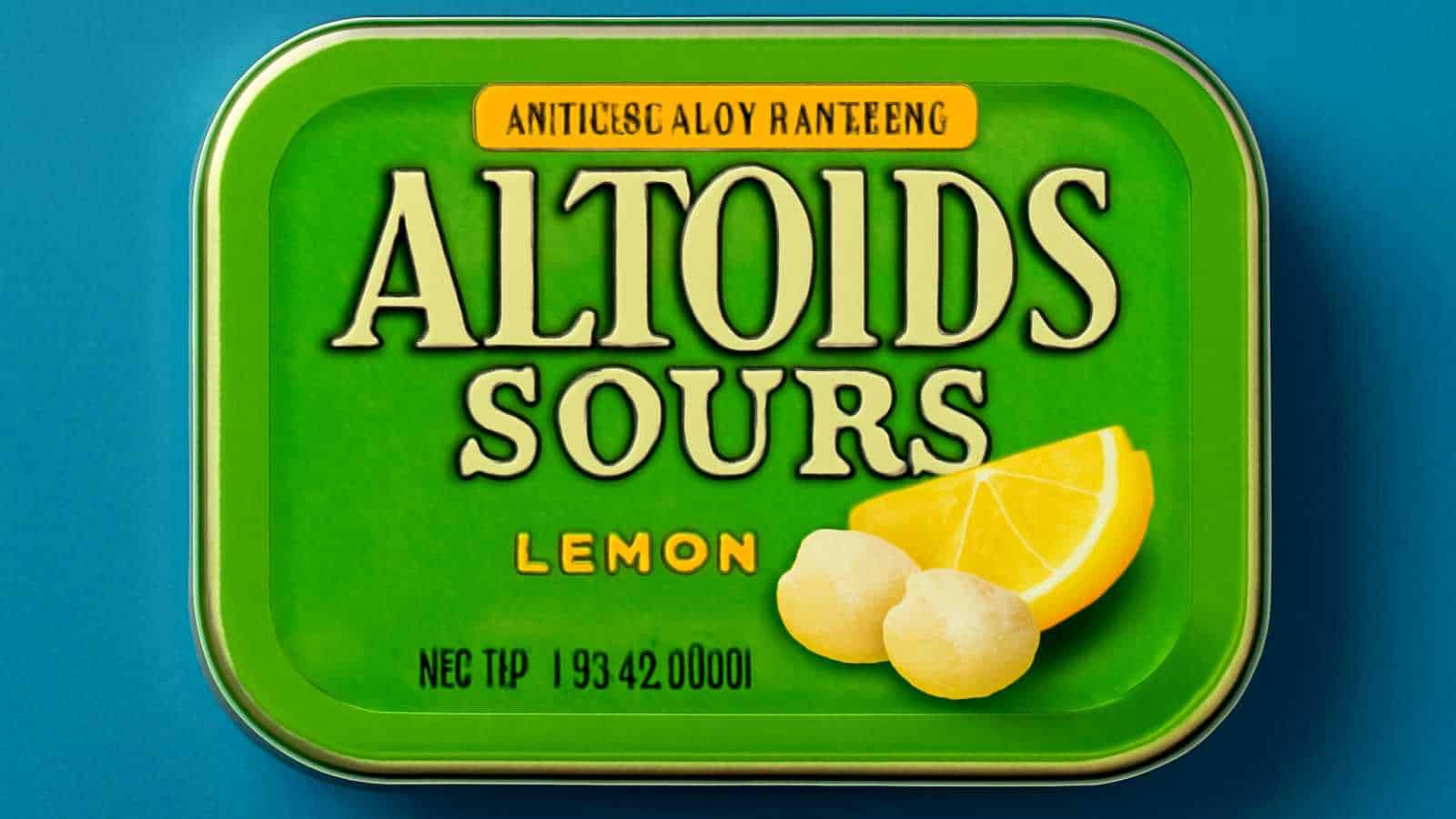
Remember when we willingly stripped the skin off our tongues for fun? Altoids Sours were essentially solidified citric acid designed to destroy your mouth in the most delicious way possible. Packaged in those classy round tins, they felt like a “grown-up” candy, even though we were just kids daring each other to eat five at once.
Mars discontinued them in 2010 due to “low national demand,” but the secondary market tells a different story. Sealed tins of the Tangerine flavor have sold for over $300 on eBay, which is absolute insanity for expired candy. IMO, the modern “sour” candy just doesn’t hurt enough to compete with these legends.
Butterfinger BB’s
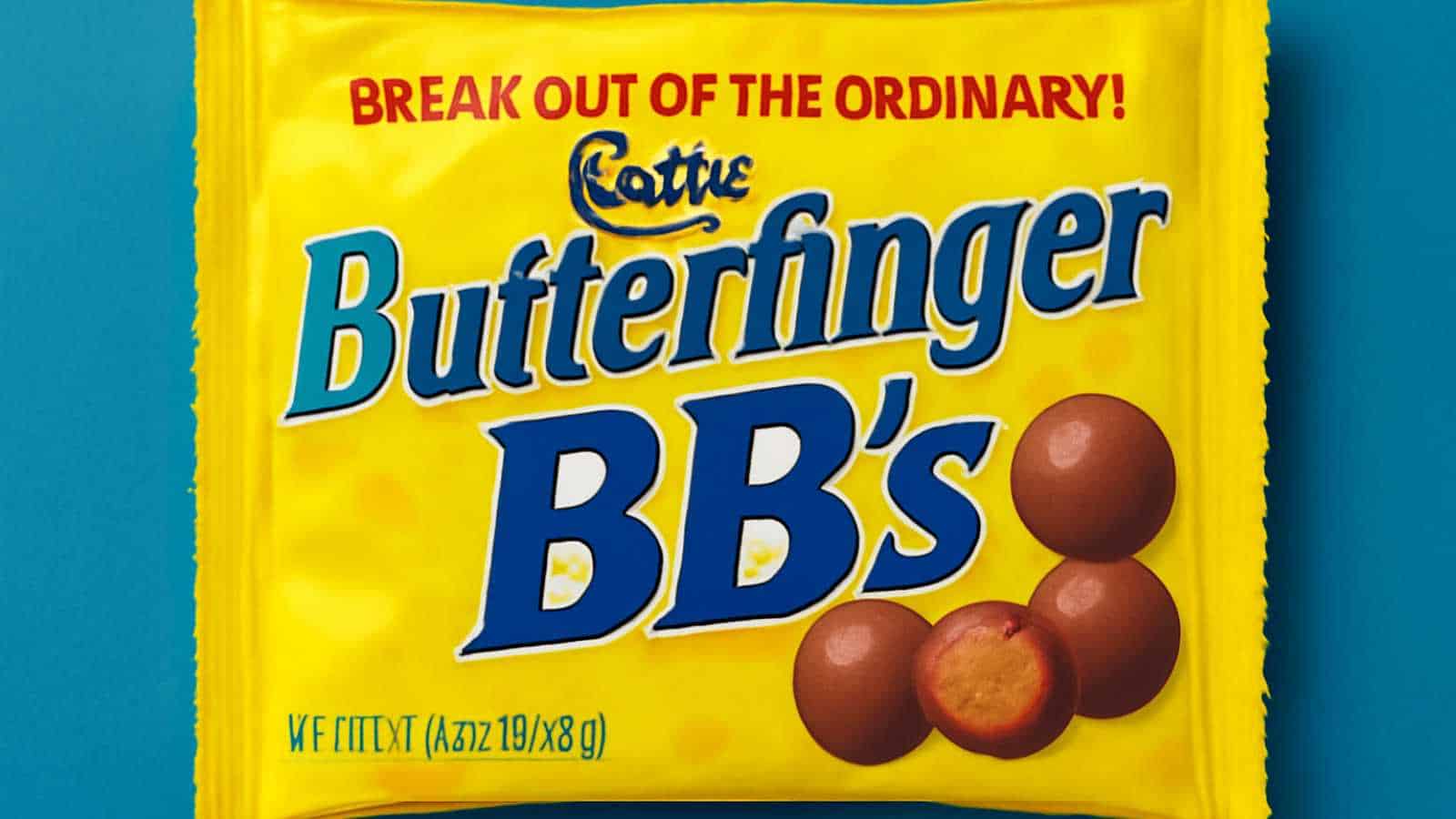
Bart Simpson sold these to us, and we bought them hook, line, and sinker. Butterfinger BB’s were marble-sized balls of that flaky, orange Butterfinger center, coated in chocolate. They were perfect for movie theaters because you could pop them without the mess of a full bar.
So, what happened? Thermal instability. The chocolate coating had a low melting point, meaning if you looked at the bag the wrong way, the BBs fused into a single, unappetizing clump. Nestlé replaced them with “Butterfinger Bites” in 2009, but the ratio of chocolate to center was all wrong. Marketing experts note that changing the “form factor” often alienates core fans, and they were right—we hate the new ones.
Philadelphia cheesecake snack bars
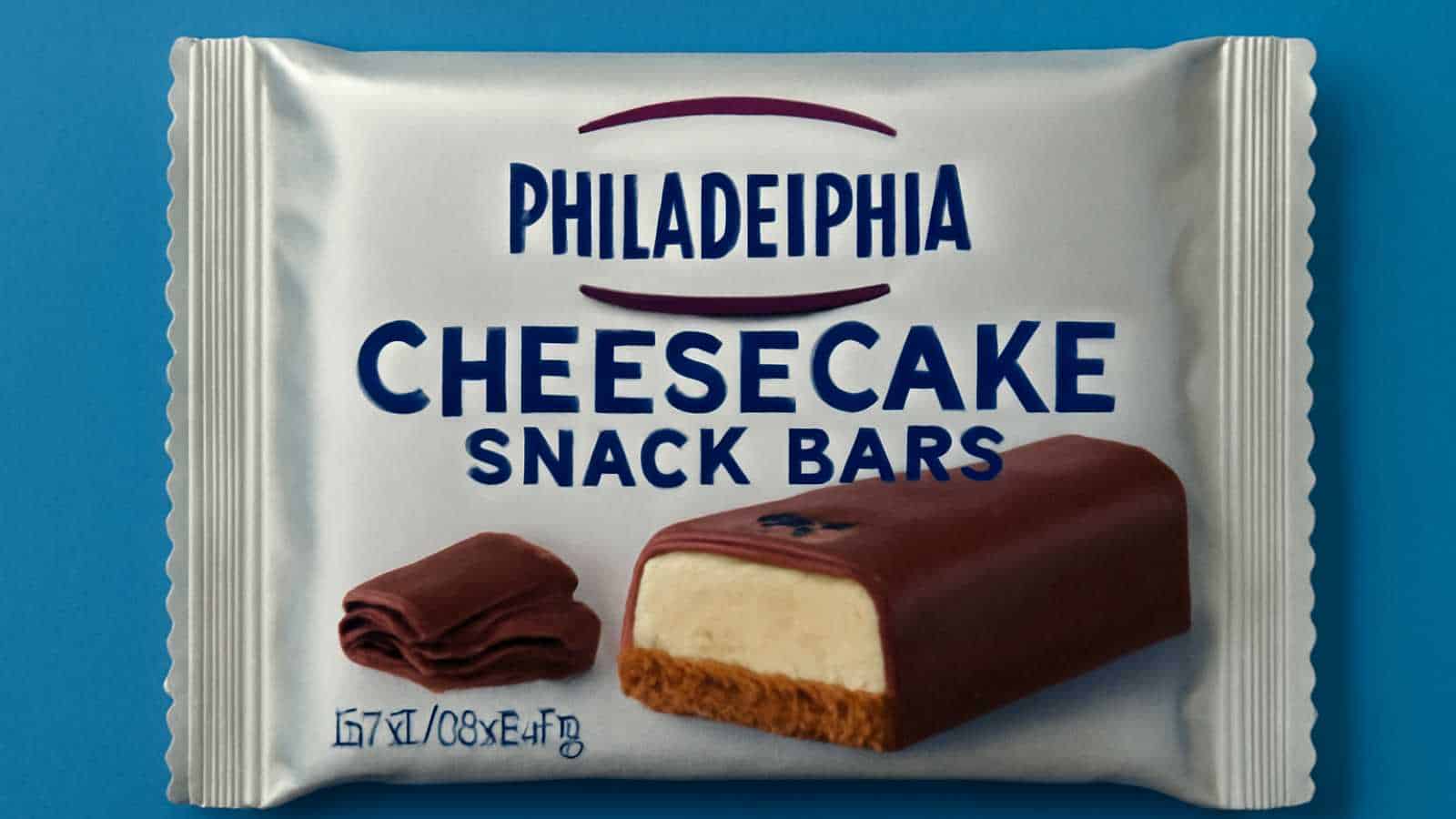
This was the peak of luxury in a lunchbox. These refrigerated bars featured a graham cracker crust, a layer of actual cheesecake, and a strawberry or chocolate drizzle. They tasted like real dessert, not just processed sugar, which was mind-blowing for a pre-teen in the early 2000s.
The problem wasn’t the taste; it was the logistics. These bars required a “cold chain”—they had to be refrigerated from the factory to the truck to the store shelf. That makes them exponentially more expensive to ship and stock than a shelf-stable Twinkie. Kraft admitted they were cut due to “manufacturing challenges,” which is corporate speak for “these cost too much to keep cold.”
Keebler magic middles
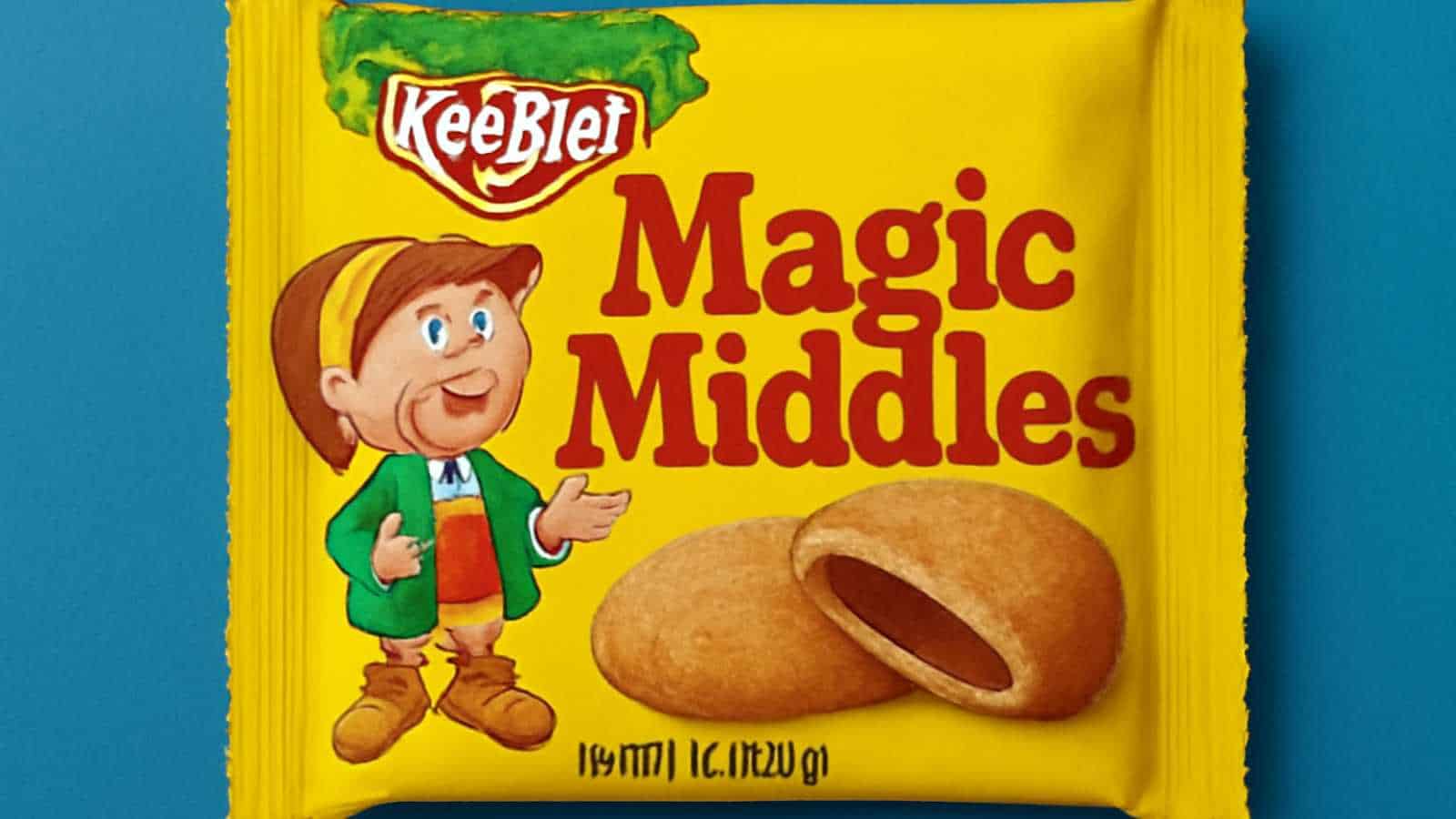
Before the Keebler Elves sold out to corporate consolidation, they baked actual magic. Magic Middles were simple shortbread cookies filled with a fudge or peanut butter center that stayed soft. Unlike other filled cookies, the inside wasn’t a dry paste; it was a gooey, truffle-like delight.
They quietly disappeared in 2012, likely a victim of “asset utilization.” When Kellogg’s bought Keebler, they likely needed the specialized encrusting machines for other, higher-volume products. Thousands of fans have signed petitions to bring them back, but unless Kellogg’s finds a spare factory line lying around, we’re out of luck.
Kudos granola bars
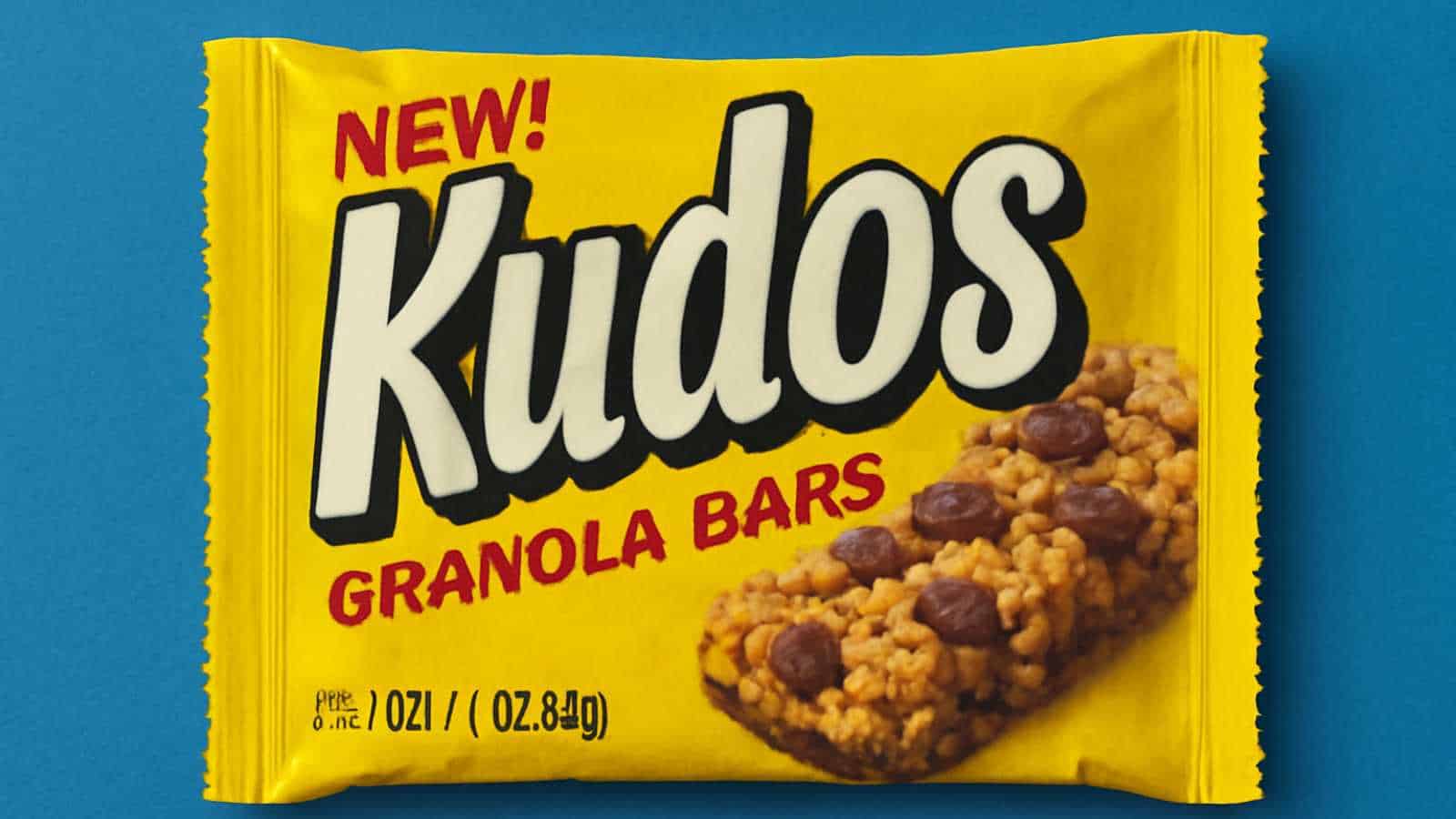
Let’s be real: Kudos were candy bars engaging in identity theft. They were “granola bars” topped with M&Ms, Snickers, or Dove chocolate, effectively bypassing our parents’ “no candy for breakfast” rule. They had the “health halo” of granola but the soul of a dessert.
Then, the health trends shifted. The Atkins and South Beach diets of the mid-2000s demonized sugar, and suddenly, a granola bar with a chocolate coating wasn’t fooling anyone. Mars tried to reformulate them to be healthier in 2011, but that just ruined the taste for the fans while failing to win over the health nuts. They died a slow death, officially axed in 2017.
Keebler Pizzarias
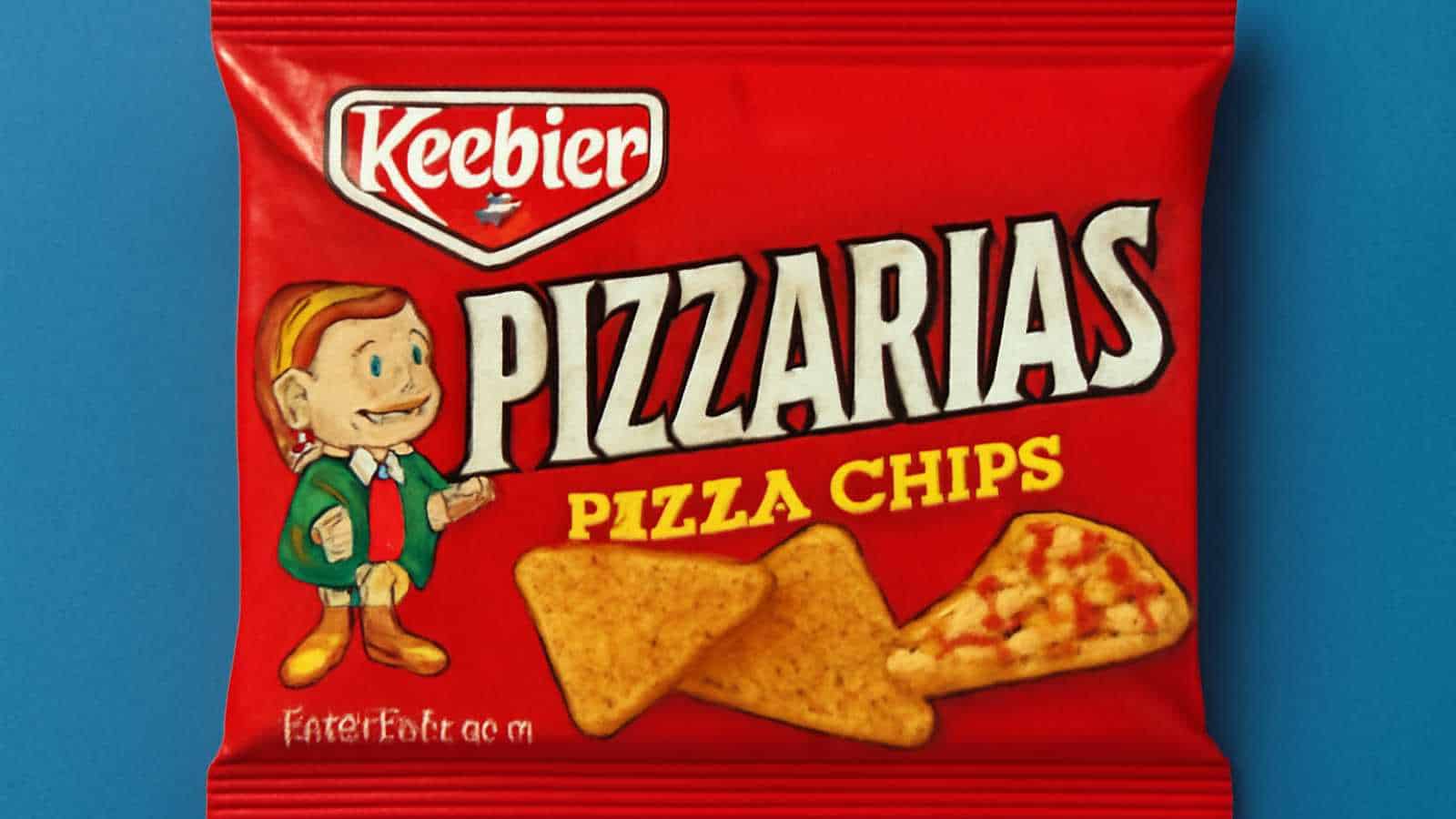
Ever wondered why pizza-flavored chips never taste like pizza? It’s because they use corn or potato flour. Keebler Pizzarias were revolutionary because they were made from actual pizza dough, giving them a dense, authentic crunch that tasted like a crispy crust.
They generated $75 million in their first year, a massive success, but were killed off when Keebler was broken up and sold in the late 90s. The new owners didn’t want to maintain the specialized equipment needed to turn pizza dough into chips. The trademark is currently in limbo (owned by Utz), and despite 10,000+ Facebook fans begging for a reboot, the ovens remain cold.
Hershey’s Swoops
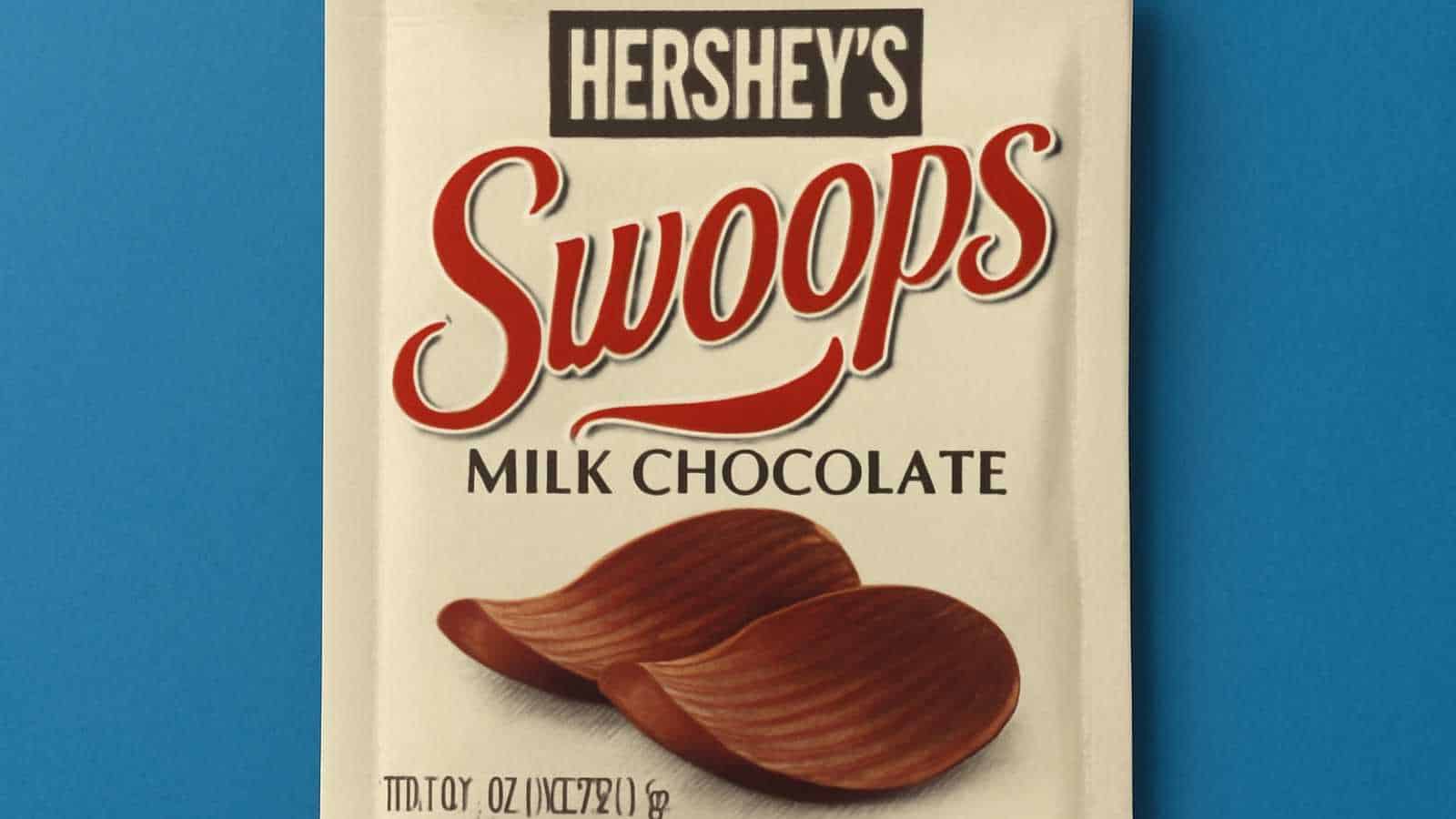
Who asked for chocolate shaped like Pringles? Nobody, but we loved them anyway. Swoops were thin, curved slices of solid chocolate packaged in a rigid cup. They were marketed as an “indulgent” snacking experience, perfect for satisfying a craving without eating a whole bar.
They flopped hard. Consumers felt ripped off for paying $4.00 for less than 4 ounces of chocolate, and the thin shape meant it melted instantly in their fingers. It was a classic case of style over substance. While the concept was cool, the “value proposition” just wasn’t there for the average shopper.
General Mills fruit string thing
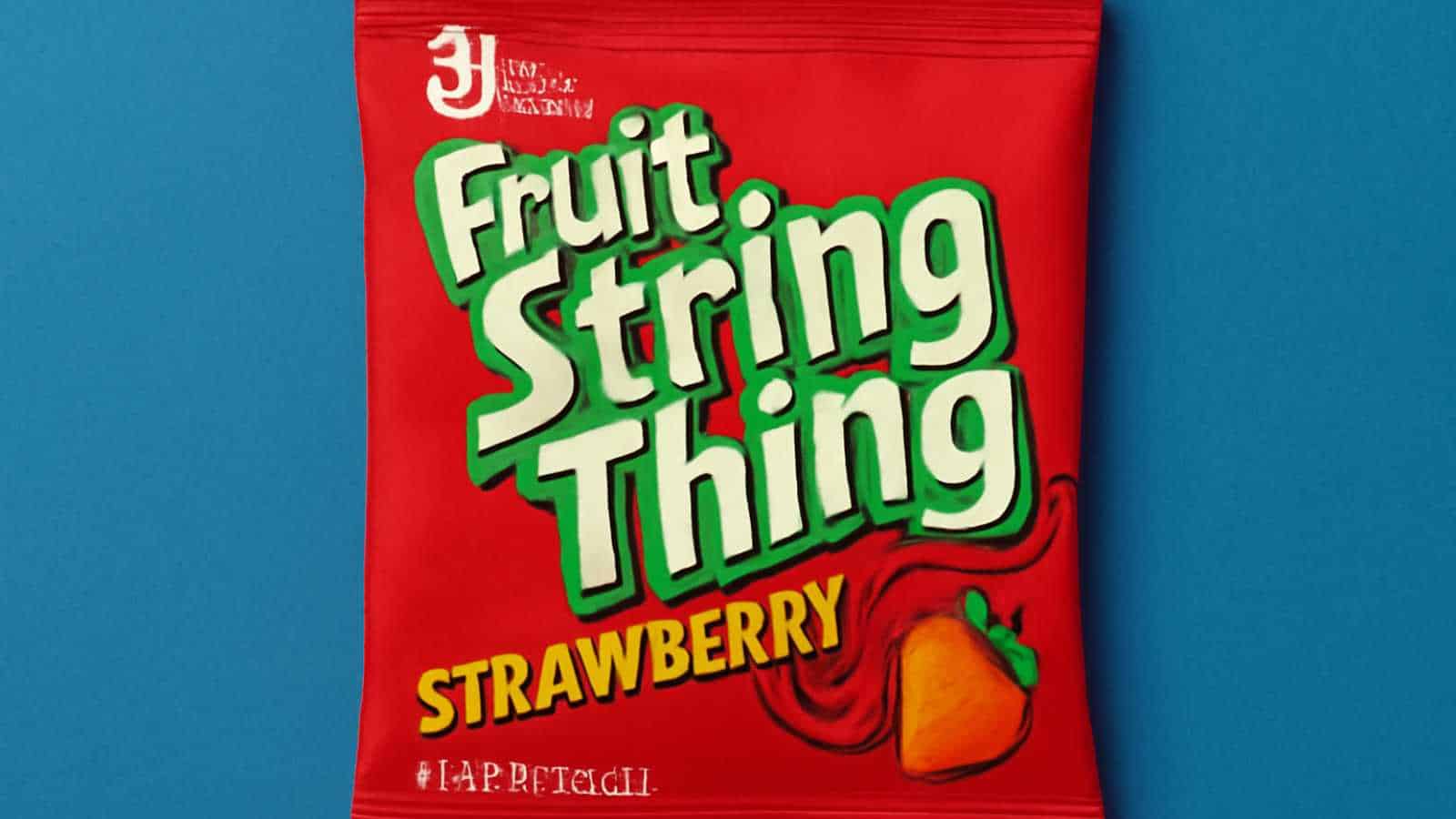
In the 90s, we didn’t just eat food; we played with it. Fruit String Thing was a continuous, fruity thread wound into a shape on a plastic card. You had to unspool it to eat it, turning snack time into a sticky, sugary activity.
But novelty has a shelf life. As the “latchkey kid” generation grew up, the effort of peeling a string off a card became annoying rather than fun. Competition from Gushers and Fruit by the Foot (which offered more immediate gratification) cannibalized sales. General Mills quietly retired the String Thing to focus on snacks that didn’t require a user manual.
Kellogg’s Yogos
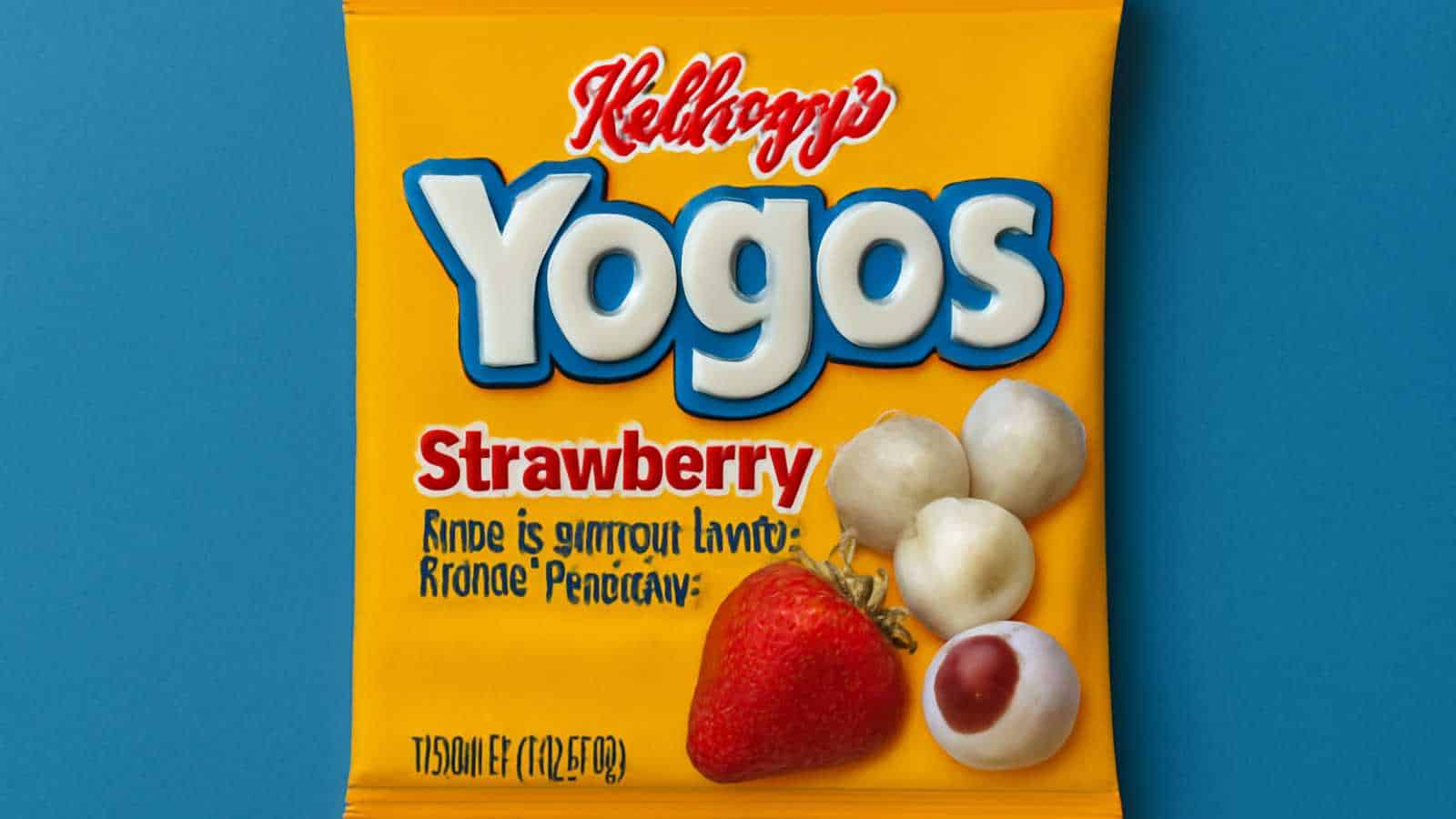
These were the holy grail of the mid-2000s “yogurt” craze. Yogos were fruit-flavored gummies coated in a yogurt-like shell. They hit shelves just as everyone thought yogurt was the ultimate health food, regardless of its sugar content.
So, why did they vanish? The government ruined the party. Following the 2007 Children’s Food and Beverage Advertising Initiative, companies promised to stop marketing unhealthy foods to kids. Yogos were basically sugar and oil, so Kellogg’s pulled them to avoid regulatory heat. According to Yahoo, over 18,000 people have signed petitions to bring them back, proving that Gen Z misses their sugar-coated youth.
Key Takeaway
While the “Nostalgia Economy” is robust, the harsh reality of supply chain costs and nutritional regulations keeps these legends in the grave. Corporations like Nestlé and Mars know we love these snacks, but unless they can figure out how to make them profitable and “clean label,” they aren’t coming back.
So, if you see a tin of Altoids Sours at a garage sale, buy it. It might be the best investment you make this year. Who knew our childhood hunger would turn into such a pricey collectible market?
Disclosure: This article was developed with the assistance of AI and was subsequently reviewed, revised, and approved by our editorial team.
20 Odd American Traditions That Confuse the Rest of the World
20 Odd American Traditions That Confuse the Rest of the World
It’s no surprise that cultures worldwide have their own unique customs and traditions, but some of America’s most beloved habits can seem downright strange to outsiders.
Many American traditions may seem odd or even bizarre to people from other countries. Here are twenty of the strangest American traditions that confuse the rest of the world.
20 of the Worst American Tourist Attractions, Ranked in Order

20 of the Worst American Tourist Attractions, Ranked in Order
If you’ve found yourself here, it’s likely because you’re on a noble quest for the worst of the worst—the crème de la crème of the most underwhelming and downright disappointing tourist traps America offers. Maybe you’re looking to avoid common pitfalls, or perhaps just a connoisseur of the hilariously bad.
Whatever the reason, here is a list that’s sure to entertain, if not educate. Hold onto the hats and explore the ranking, in sequential order, of the 20 worst American tourist attractions.