The new food pyramid would increase grocery expenses by 32%, making it unaffordable for half of all Americans
When eating “healthier” starts feeling like a financial risk, something about our food system stops making sense.
The federal government recently released the most significant overhaul to nutrition policy in decades. This fresh set of dietary guidelines flips the script on what a healthy plate should look like. People are now being told to load up on red meat, full-fat dairy, and fresh produce while ditching processed items. Unfortunately, this sudden pivot comes with a heavy price tag for families trying to keep up.
Tossing the old rules out the window sounds great until you reach the checkout register. Budgeting for this protein-heavy lifestyle feels almost impossible for regular folks trying to stretch a dollar. In fact, adapting to these latest recommendations could easily break the bank for the average household.
The Shift Away From Center Aisle Convenience
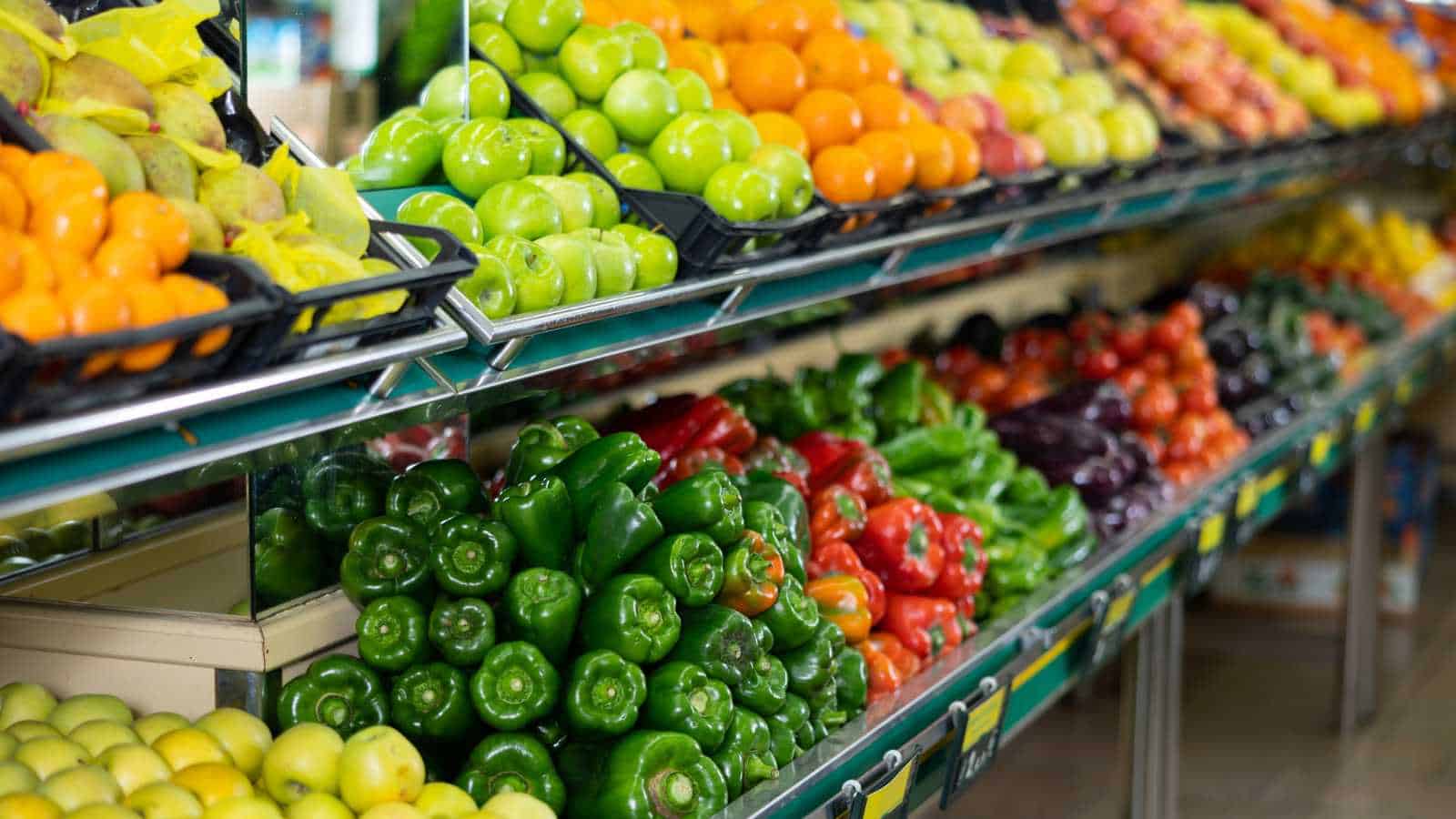
The new guidelines push shoppers to the outer edges of the supermarket where fresh foods live. This means leaving behind the inner aisles filled with affordable and shelf-stable boxed dinners. A recent Numerator report highlights that packaged goods in the center store still account for 49 percent of total grocery sales.
Transitioning from packaged goods to fresh ingredients requires a massive change in daily habits. Cooking from scratch demands time that many busy parents simply do not have after a long workday. Without the convenience of ready-to-eat options, families are left exhausted and financially drained.
Sticker Shock At The Meat And Dairy Counters
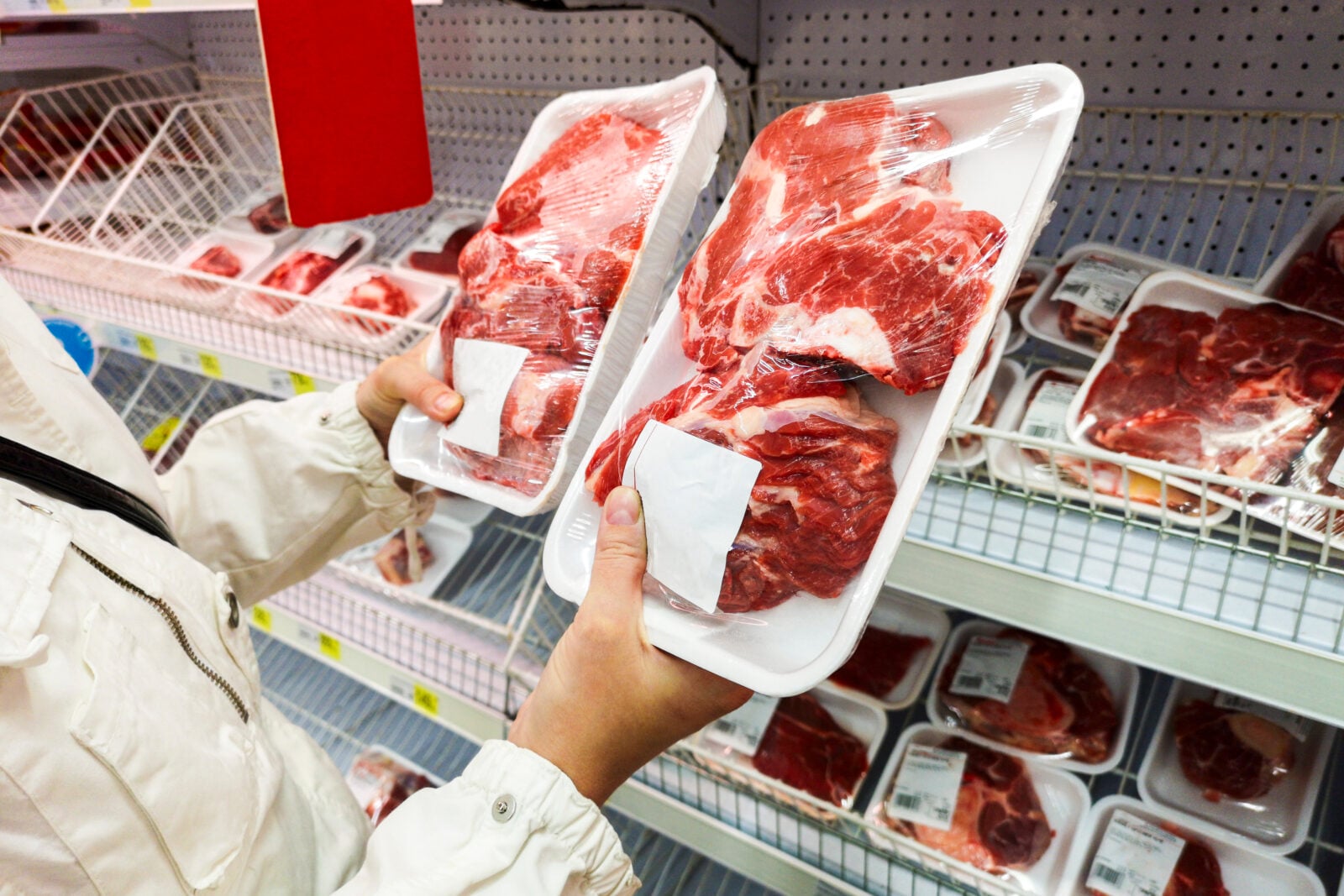
Loading up your cart with high-quality proteins and whole milk is an expensive endeavor. Meat and dairy prices have consistently stayed high over the last few years. Following these updated dietary rules would increase household grocery spending by 32 percent, translating to roughly an extra 1,012 dollars annually.
It is incredibly frustrating to see a single bag of groceries eat up so much of your weekly budget. A diet built on premium steaks and organic cheeses feels entirely out of touch with reality. For half of the country, this kind of premium shopping list is simply unattainable on a normal salary.
How Household Size Amplifies The Monthly Bill

Feeding one person a diet rich in fresh whole foods is hard enough. Try multiplying that cost by four or five when you have growing children at home. Families are quickly learning that bulk buying fresh produce often leads to spoilage before it can be eaten.
Bigger households traditionally rely on pantry staples to stretch their food dollars across the week. Swapping those cheap carbs for top-tier proteins forces parents to make impossible choices. Data actually show that single households spend 43 percent of their budgets on fresh foods, but this drops to 40 percent for families with five or more members.
Why Middle-Income Families Feel The Hardest Pinch

High earners can easily absorb a little extra cost at the checkout lane without breaking a sweat. Low-income households often have access to assistance programs that help soften the blow of rising prices. That leaves middle-income families stuck trying to balance the math without a safety net.
These middle-class shoppers face intense pressure to provide healthy meals while watching every penny. They want to do the right thing for their health, but literally cannot afford the premium price tags. Recent Numerator figures confirm that high-income households spend 44 percent of their budget on fresh foods, compared to a mere 40 percent for middle-income families.
The Trouble With Following Conflicting Nutrition Advice

Americans are completely exhausted by the constant flip-flopping of dietary recommendations from supposed experts. One decade tells you to avoid fats completely, and the next tells you to eat butter by the spoonful. This whiplash leaves people frustrated as they try to shop smart in the grocery aisles.
Shoppers hardly know who to believe when the rules change so drastically overnight. The lack of clear and consistent messaging makes budgeting for health feel like a guessing game. A recent Numerator survey reveals that only 42 percent of U.S. consumers actually recognize the new food pyramid as the current dietary guideline.
Rising Costs Of Fresh Produce And Whole Foods

Vegetables and fruits are undeniably good for you, but they are taking a bigger bite out of our wallets. You practically need a personal loan just to buy a decent basket of organic greens right now. The Consumer Price Index recently showed that food at home prices rose 2.4 percent over the 12 months ending in February.
Every time you visit the store, those avocados and apples seem to creep up just a few more cents. Spoiled produce feels like throwing literal cash straight into the garbage can. If the government wants us to eat more fresh items, they need to figure out how to make them affordable.
Online Grocery Shopping Adds Hidden Premiums
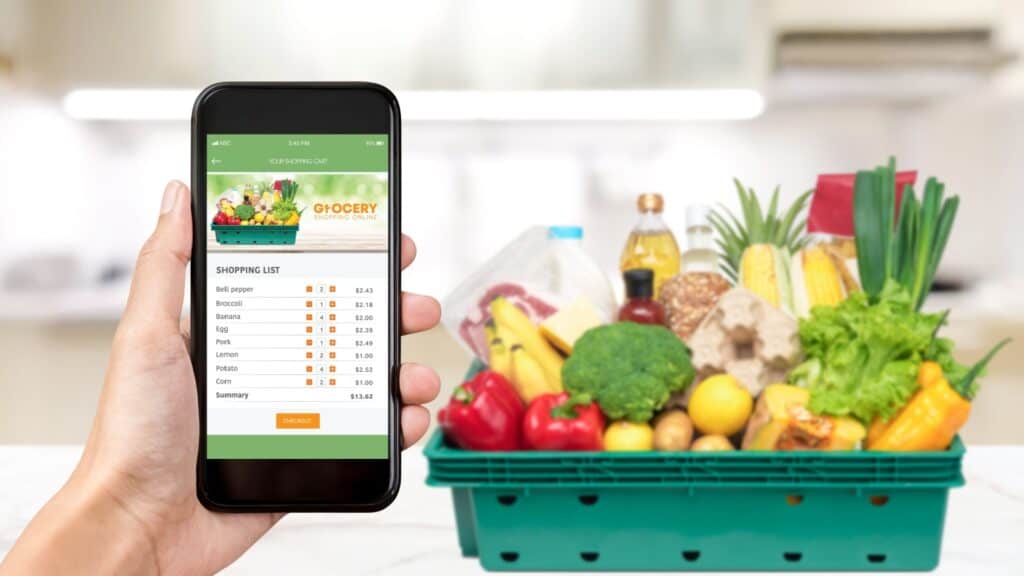
Many families use grocery delivery apps to save time during their hectic weeks. While picking items from your couch is fantastic, the convenience fees and digital markups pile up fast. These extra service charges make an already expensive shopping list completely unmanageable for the average person.
Adding premium meats and dairy to your virtual cart is a sure way to trigger a jaw-dropping subtotal. Shoppers often find themselves deleting items just to get the price down to a reasonable number. Opting for delivery might buy you an hour of free time, but it will definitely cost you heavily in the long run.
Trust Issues With Government Dietary Guidelines

It is hard to blindly follow advice from institutions that have changed their minds so many times. People are skeptical of mandates that push expensive items that coincidentally benefit massive agricultural corporations. There is a deep disconnect between what officials recommend from their desks and what real families can afford.
You cannot just wave a magic wand and expect every American to buy grass-fed beef. Trust requires policies that reflect the actual economic struggles happening in neighborhoods across the country. Until the guidelines match our bank accounts, shoppers will continue making their own independent choices at the register.
Rethinking Budget Strategies For A High Protein Diet

If you genuinely want to try this new eating style, you have to get incredibly creative with your money. Buying in bulk or hunting for clearance meat specials becomes an absolute necessity. Finding those hidden store discounts is the only way to keep your bank account somewhat intact.
Some shoppers are turning to local farmers’ markets right before closing time to score cheap produce. Others are freezing everything they find on sale to make those premium proteins last a little longer. You have to treat grocery shopping like a tactical mission to survive these soaring costs.
Making Cheaper Alternatives Fit The New Paradigm

We all know that eating steak every night is a pipe dream for most households. The secret is finding budget-friendly proteins like eggs or canned fish to hit those high-nutrition goals. Swapping out the most expensive recommendations for cheaper alternatives is a smart compromise.
You do not have to follow the pyramid perfectly to see real improvements in your health. Small changes make a big difference, even if you still buy frozen vegetables instead of fresh organic ones. Do what works best for your family budget and leave the unrealistic expectations behind.
Like our content? Be sure to follow us