12 Classic Foods Moms Forced on Baby Boomers
If you grew up in the 1950s or 1960s, chances are you’ve tasted some of the foods that moms served to their kids – whether they liked it or not! Baby boomers, those born between 1946 and 1964, grew up in a time when meals needed to be cheap, easy to prepare, and able to feed a family quickly.
Although some of these meals may have destroyed kids’ eyeballs today, they were a large part of growing up in those times. Indeed, according to Brookings, baby boomers constitute approximately 20 percent of the U.S. population today.
To this day, in 2026, these foods still elicit many memories. Most of them were prepared to conserve their finances and make the most of the limited food available to families in those years.
Liver and onions
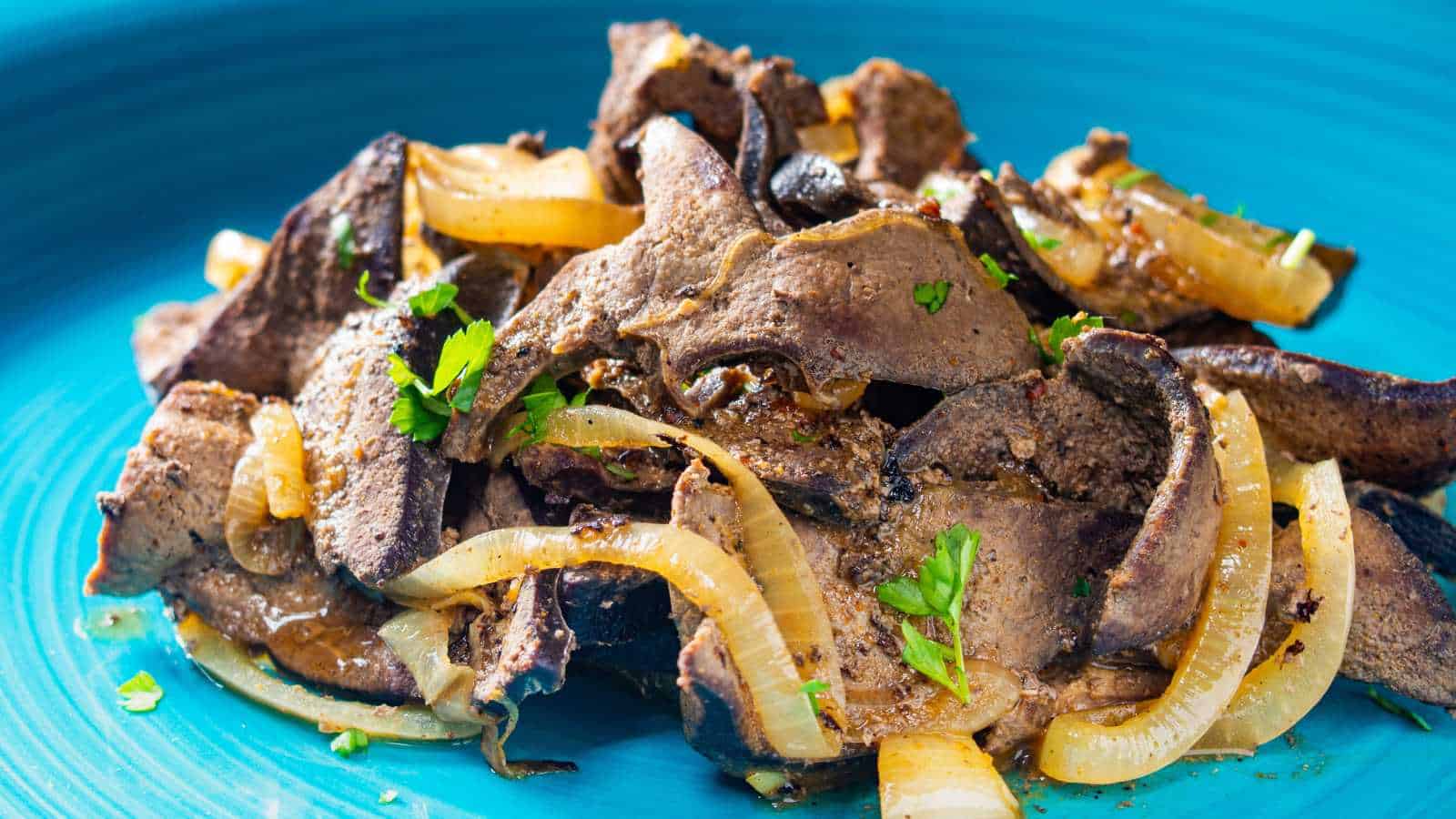
Many boomer tables had liver and onions, as moms considered it an energy-giving meal rather than a punishment. The mid-century years were characterized by health advice advocating organ meat for its iron and vitamins, and that reasoning holds.
A March 2025 WebMD report indicates that a 3-ounce serving of cooked beef liver contains approximately 70.7 micrograms of vitamin B12, and the NIH reports that vitamin B12 helps keep blood and nerve cells healthy and prevents megaloblastic anemia.
The nutrient punch was more convincing to moms than to kids. Boomers continue to make fun of the metallic flavor and the steam of onions, yet parsimonious mothers continued to dish it since it seemed intelligent, satiating, and conscientious.
Casseroles
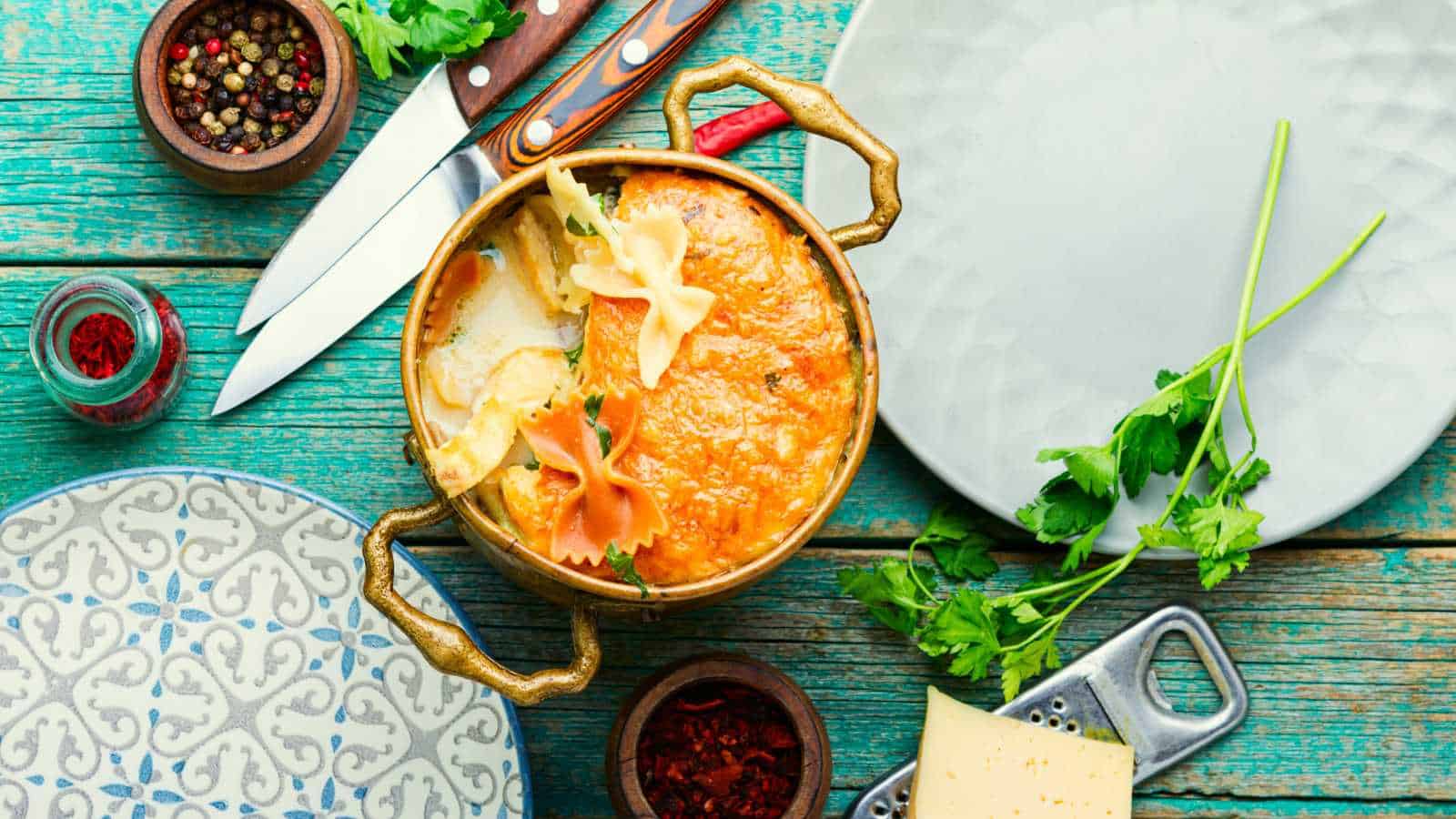
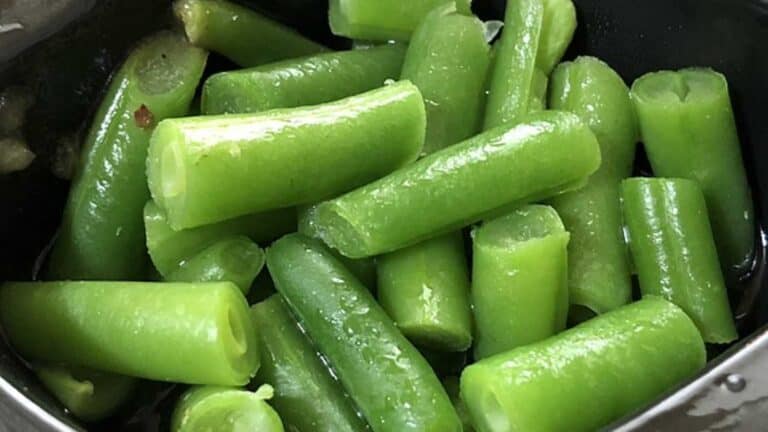
Casseroles dominated boomer kitchens because one pan was all you needed to feed a crowd, stretch a paycheck, and save a weary mom the hassle of washing a stack of pots. According to Campbell, its test kitchen developed Green bean casserole in 1955, and it has been served on American tables for over 60 years.
The brand continues to refer to tuna noodle casserole as a pantry-ready classic, made with noodles, canned tuna, soup, and a crunchy top. It is just that basic recipe that made so many boomers grow up under a canopy of cream of mushroom sauce.
Children had fit to shut their eyes at the sloppy feel, yet moms were also pleased by the low price, the time saving, and the fact that a single casserole could feed an entire table.
Spam
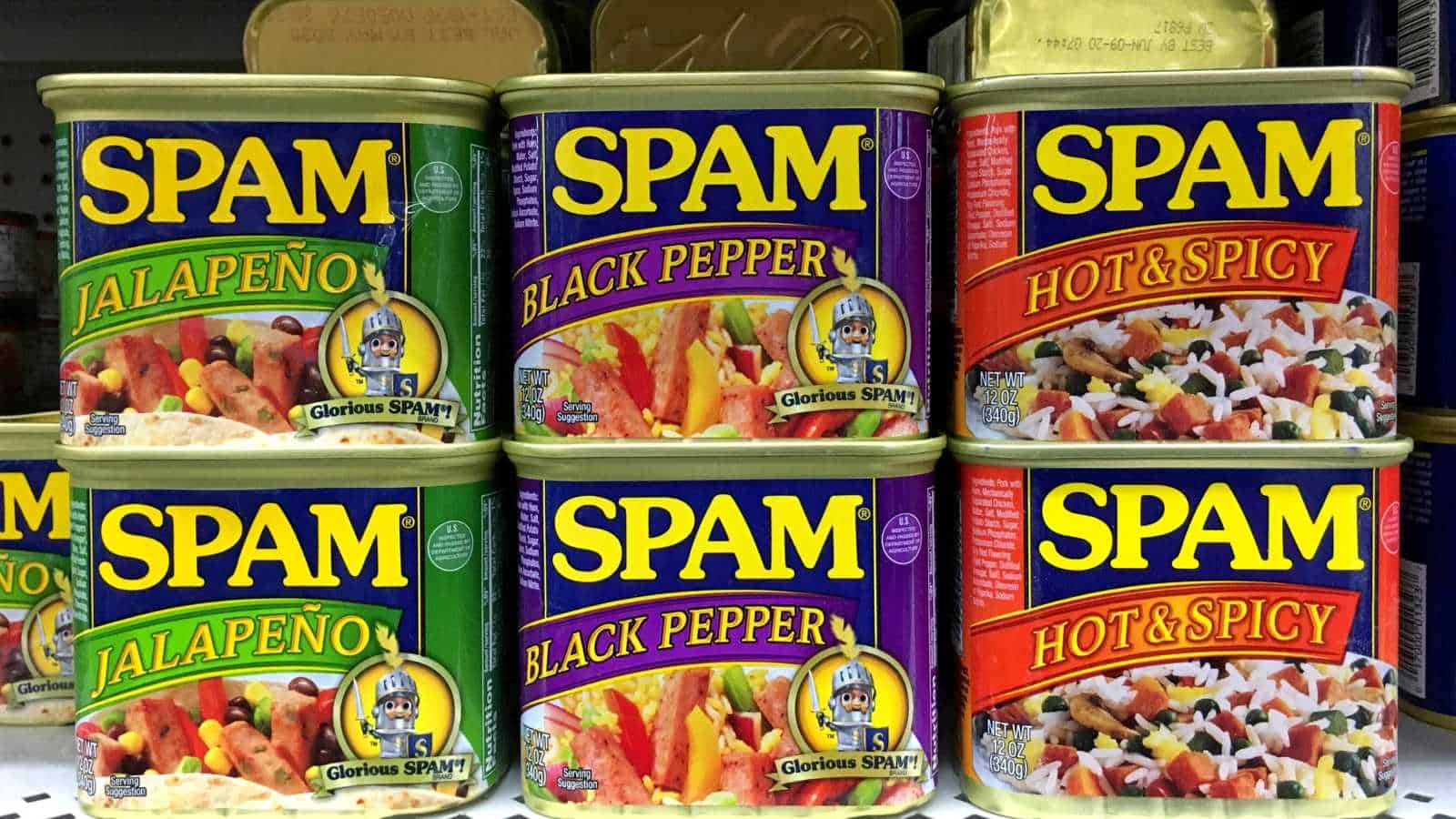
Spam was an attractive ingredient during the Boomer era because it addressed three issues simultaneously: price, shelf life, and protein content. Hormel Foods Corporation states that the SPAM brand was launched in 1937 and that the SPAM family of products contributed to net sales growth in fiscal 2025. It does not imply that all children were fond of seeing that pink block slide on the can.
The product did not actually leave American kitchens. Boomer moms fried it, baked it, or put it in sandwiches, since it could stay in the pantry longer than fresh meat. Children were usually suspicious of it, but moms found it convenient for tight budgets at the store and hectic Tuesdays.
Meatloaf
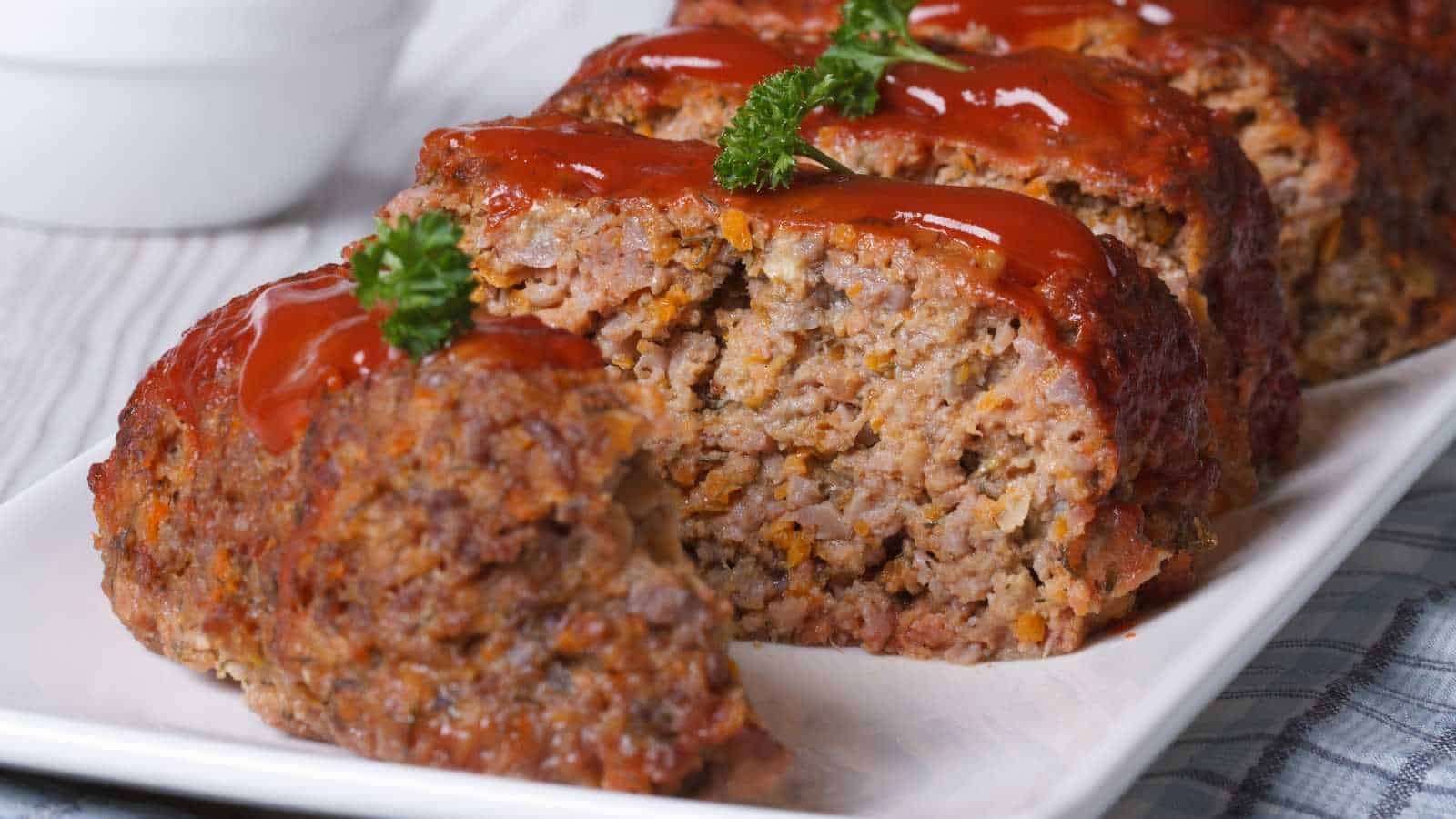
Meatloaf became part of the boomer childhood because it stretched a small amount of beef and lasted a long time. The dish’s history traces its ascent from Depression- and Wartime-thrifty to more recent food-trend statistics that label meatloaf as a comfort pick of the past.
According to the 2025 meatloaf trend page on Tastewise, the dish is still used by brands and cooks to evoke memories of good old times, suggesting it still has that powerful memory-bite.
Mothers filled it with crumbs, onions, and even oats to make it seem filling without being slimming. The ketchup glaze served to promote the idea. The dry slices, however, elicited much boomer side-eye, which remains at family tables.
TV dinners

TV dinners were seen as the future for boomer families, and moms could not get enough of the promise of a complete meal with virtually no preparation. According to Smithsonian Magazine, Swanson sold 10 million trays in the first full year of production in 1954. The number helps explain how virulent the concept became in suburban America.
The food was tidy, up to date, and on time, suited to a culture obsessed with convenience and television. Children preferred the new idea of eating in small portions. They did not like the wet peas so much. The trays were still purchased by moms who only reduced the labor, fitted into their time, and made dinner a simple affair on busy evenings.
Powdered milk
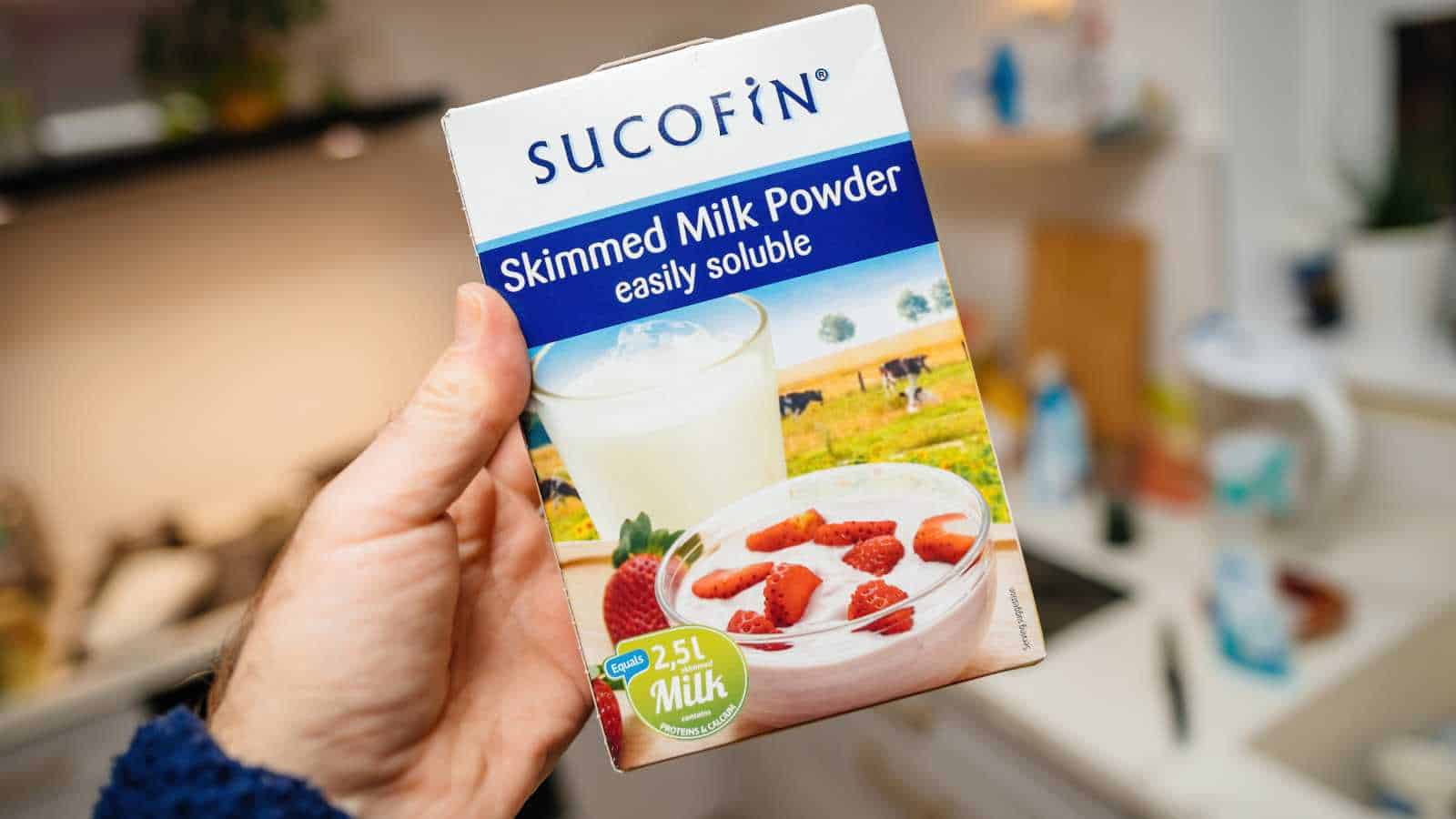
The cheaper milk was available in boomer glasses because it was powdered milk, which was more affordable but spoiled easily and did not always last through a week-long family.
A less expensive shelf-stable backup would make sense to most moms in that environment. They blended it, cooled it, and hoped the children would not be able to taste it. The children noticed. The boomers still recall the soothing sip and the strange aroma, though their mothers continued using it for its economy and because it was in the cupboard, ready.
Jell-O salads
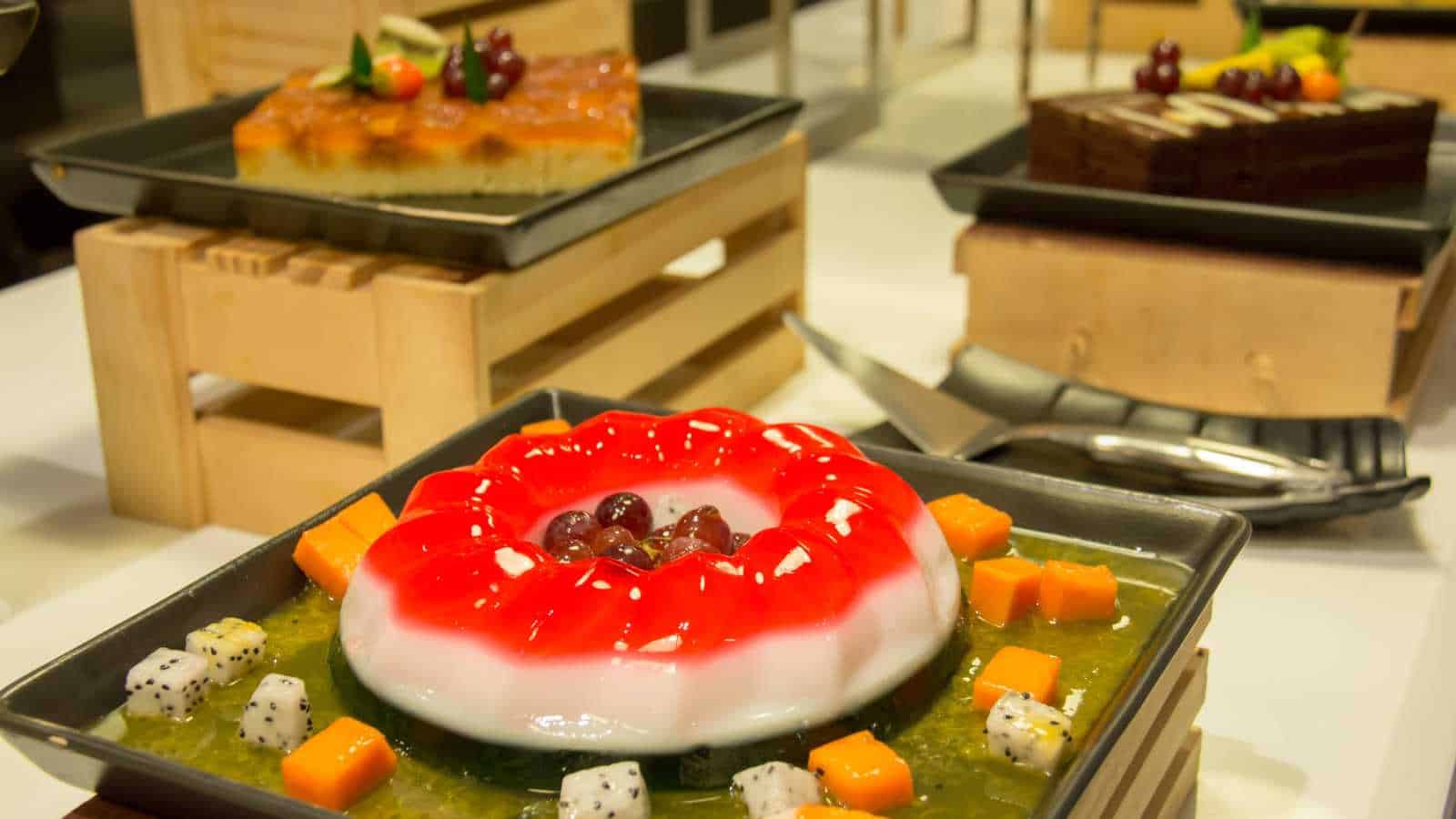
Jell-O salads came to boomer childhood with colorful, strange add-ins and mid-century confidence. In January 2026, Better Homes & Gardens announced that Jell-O salads had once again made an unexpected comeback, confirming that the old wobbles remain of interest to people.
At that time, moms would use gelatin to display cans of fruit, marshmallows, shredded carrots, or even mayonnaise. Children did not realize what each spoonful contained. The wobble was fun; however, the mystery texture made too many young boomers lifelong skeptics.
Cabbage dishes
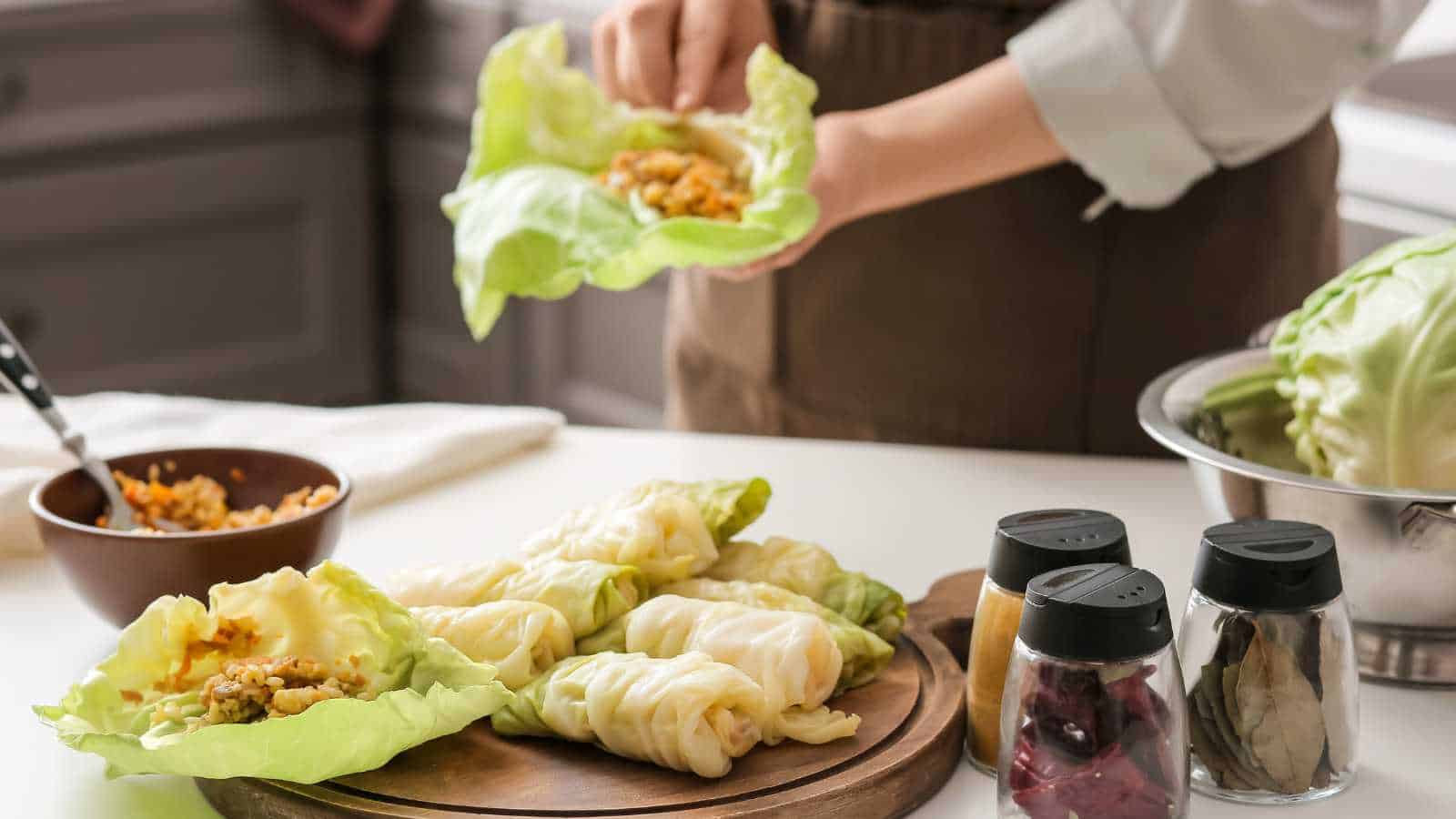
Cabbage reappeared across the boomer plates because it could fill bellies at a very low cost. There are still USDA resources that update the prices and availability of cabbage in the market in 2025, and market reports indicate that cabbage availability is creeping up despite most other vegetables taking a hit. It is reasonable to have that staying power.
One head might be made into slaw, soup, boiled wedges, or a pan of fried cabbage and onions. Mothers preferred the price and the vitamins. Children were aware of the sulfur smell, which permeated the house and clung to the kitchen curtains.
Nevertheless, cabbage continued to make a comeback, as it nourished large families at low cost and transformed scraps into a side dish that could serve as a complete meal.
Hot dogs and bologna
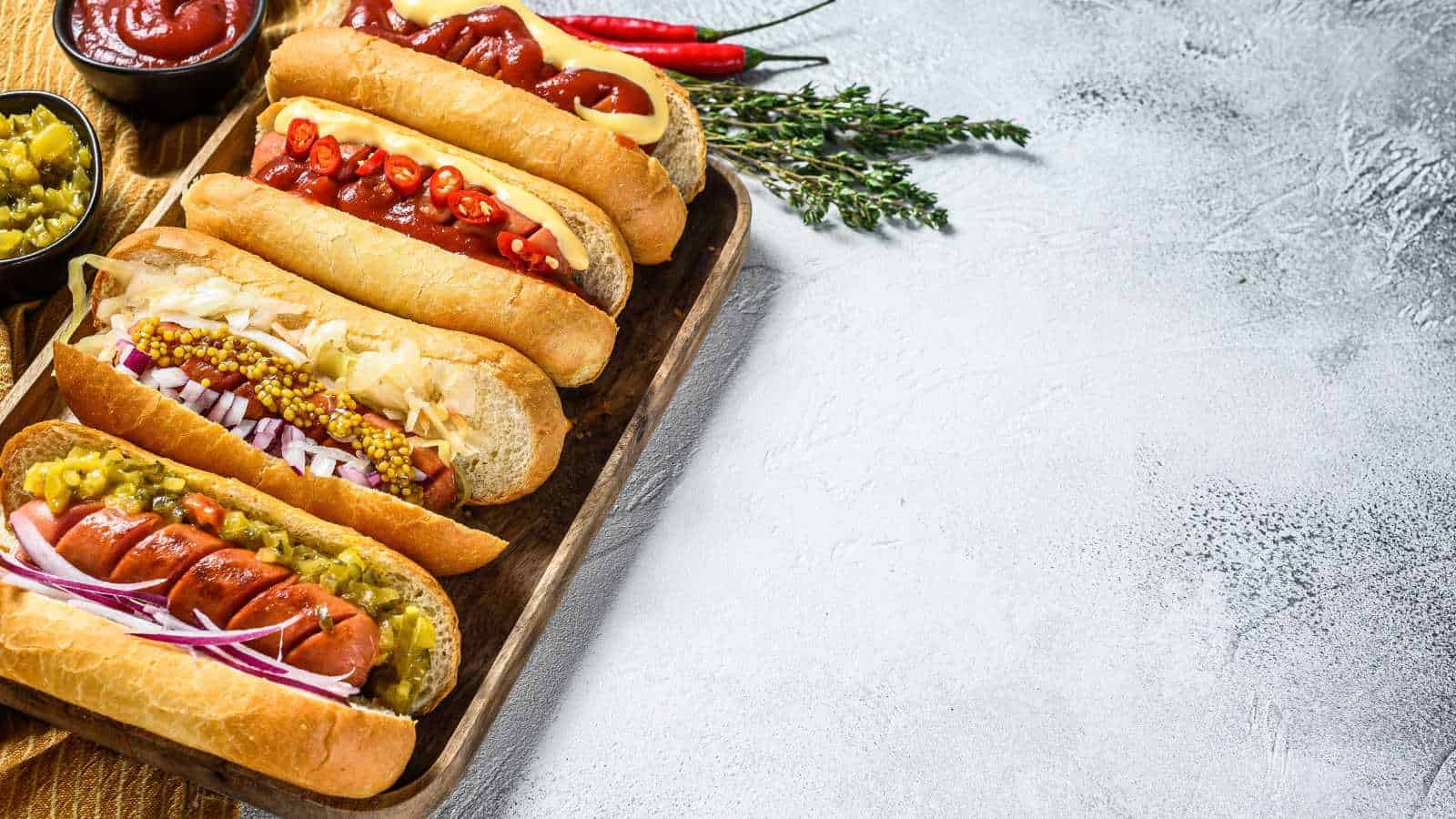
Hot dogs and bologna were the new kings of the lunchbox in boomer households, as they were cheap, quick, and easily sliced, fried, or packed. According to the National Hot Dog and Sausage Council, Americans spent over $11 billion on hot dogs and sausages at supermarkets nationwide in 2025.
Such expenditure reflects the extent to which such a category is embedded in the culture. Boomer moms relied on processed meat at picnics, in school cafeterias, and in fast meals after hectic days.
Children were initially fond of them because they seemed entertaining and recognizable. Then came the burnout. A fried bologna sandwich would become a personal assault after repeated consumption.
Canned vegetables
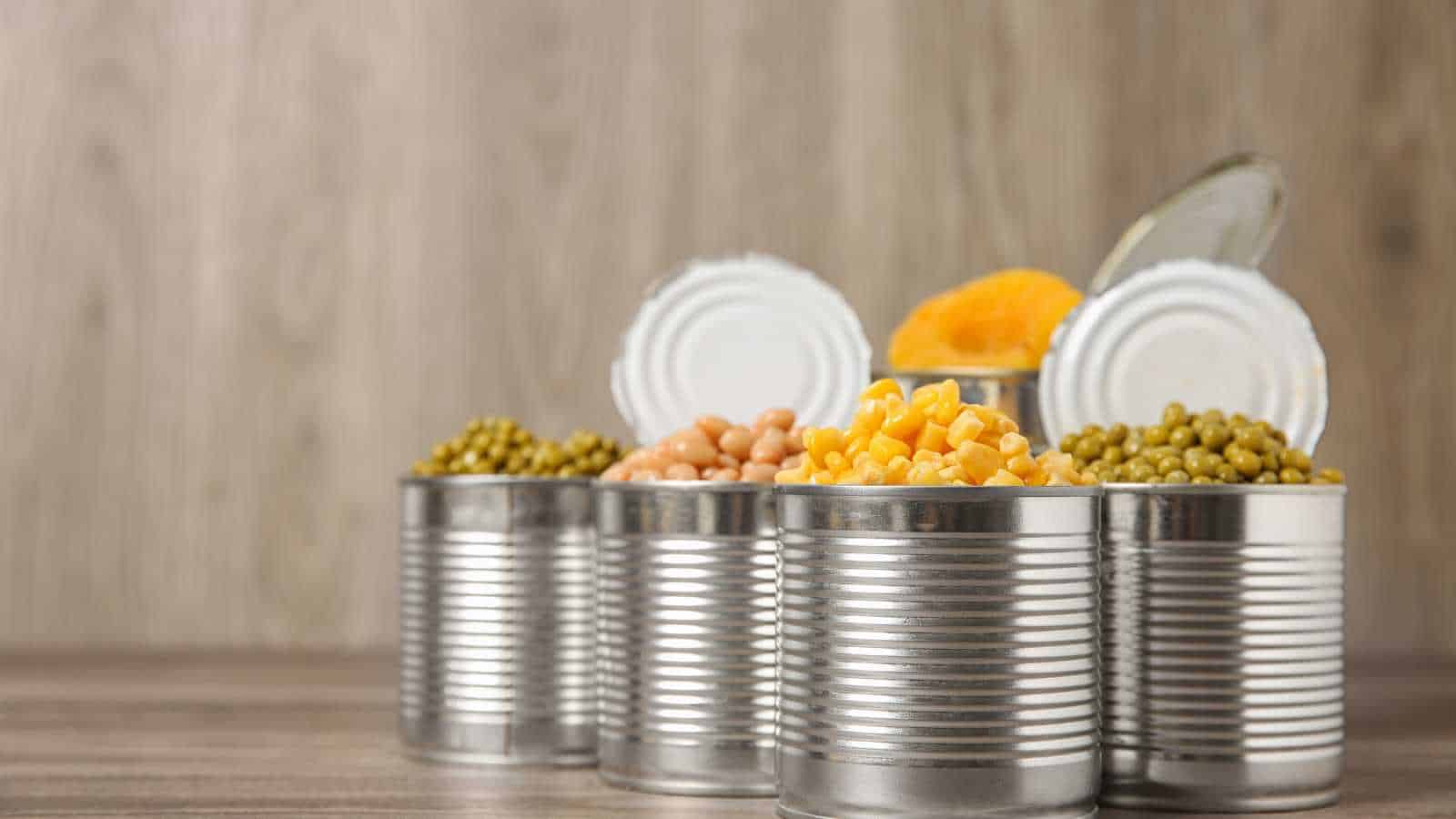
Canned vegetables were practical for the boomer generation because they were durable, neatly stacked, and did not require peeling or chopping, nor did they require worry about spoilage.
The USDA reported that U.S. vegetable and pulse availability dropped to 376 pounds per person in 2024, the lowest level in over 35 years, but the Canned Food Alliance continues to describe canned produce as affordable, safe, and available year-round.
The combination of those tells a common tale. Shelf-stable vegetables are also not wasted since convenience is not ignored. At the time, canned peas, corn, and green beans became one-can-opener side dishes. Children grew accustomed to soft textures and dull flavors, and mothers preferred quick, affordable food, with a shelf always at the ready.
Tang
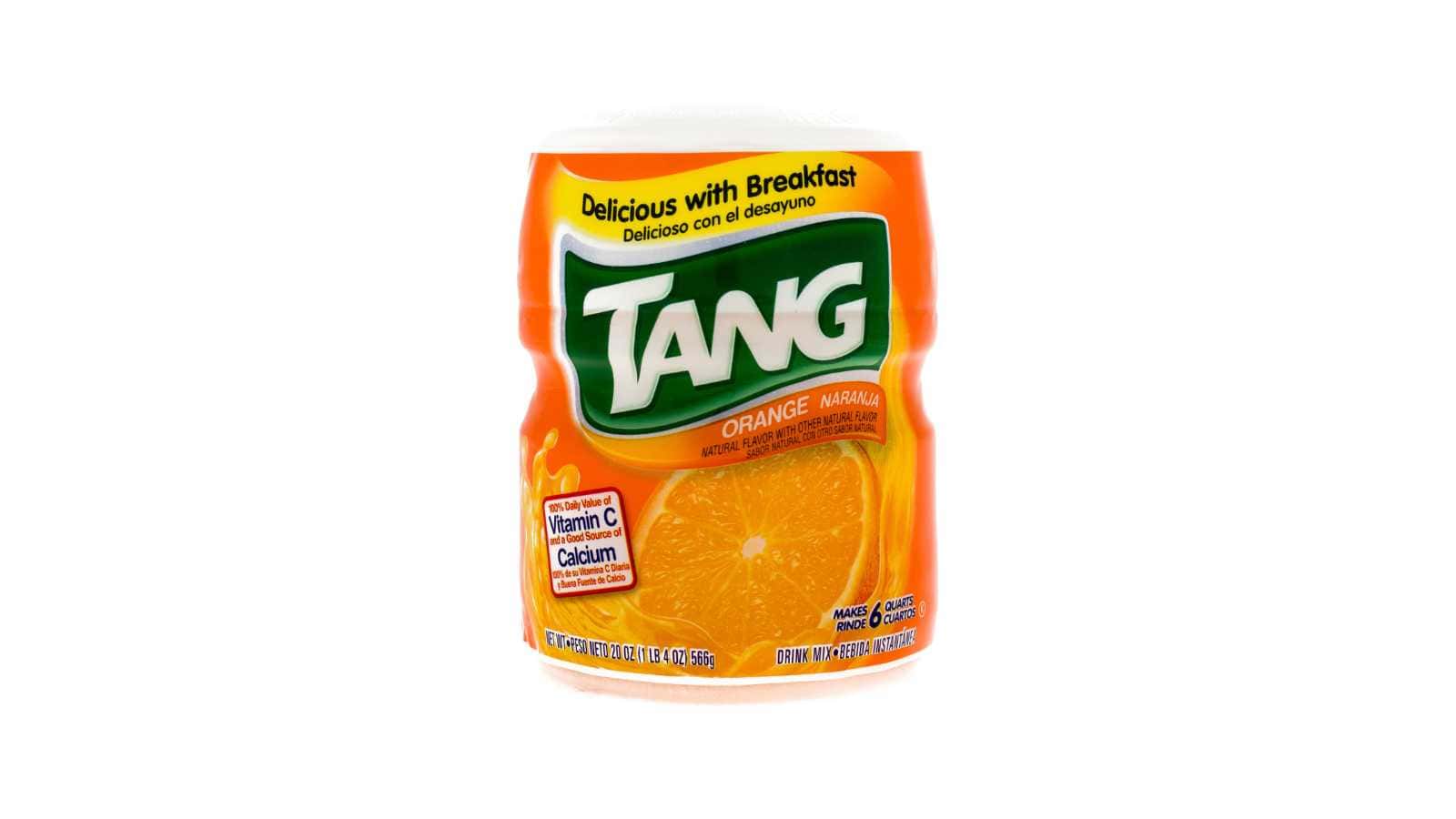
Tang struck the boomer kitchens at the right time. It smelled of the future and stole Space Age radiance. According to NASA, Tang was developed in 1957 by General Foods and used as the food system for the Mercury mission; it is still included in the list of food used in space today.
NASA also claims that Tang was not an agency invention but the spaceflight that gave the powder its true star power. Mothers were fond of the convenient vitamin C pitch and the inexpensive shelf-stable type.
Children were fond of the warm colour and the sugar rush. This flavor did not last long, but the astronaut image made Tang one of the most new drink images of the boomer childhood pantry.
Fish sticks
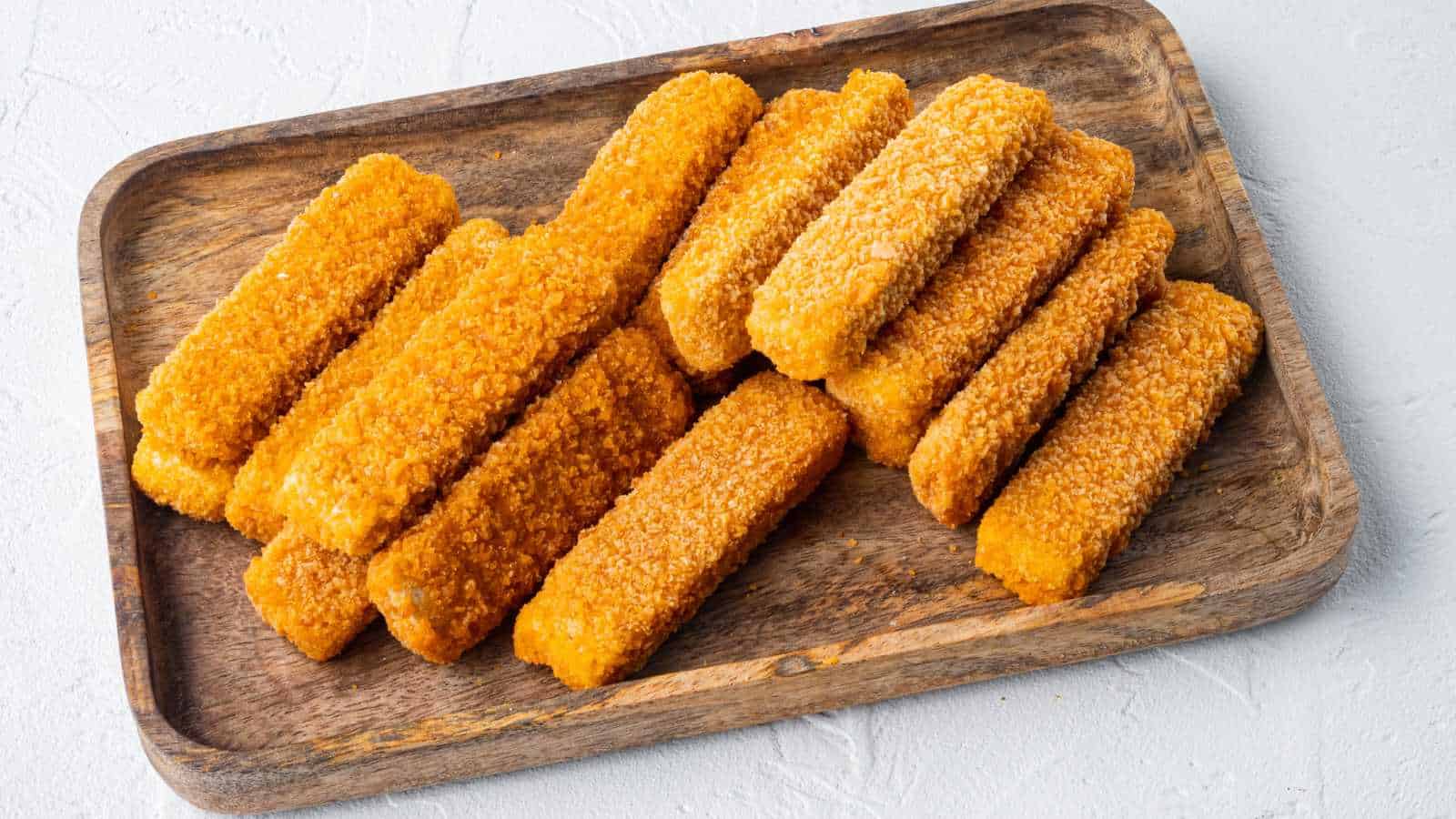
The boomer kids made seafood safe by inventing fish sticks, since breading, shaping, and ease of freezing made the entire concept stickier. According to Gorton, its frozen, ready-to-cook fish stick was launched in 1953, making it the first. That seal was important at a time when moms desired modern foods that did not appear irresponsible.
The sticks were supposed to contain protein without bones, mess, and a lot of preparation. Busy mothers dragged them out of the freezer, and dinner was fast on its way. The crispy coating and ketchup option were appreciated by kids, despite the centers occasionally going soft. That sacrifice kept fish sticks in unremitting circulation in millions of postwar households.
Key takeaway

These were not just foods that would fill boomer stomachs. They educated an entire generation on how American moms juggled price, nutrition, speed, and the necessity to feed the entire family. Liver and onions were supposed to be nutritious.
Small budgets were stretched using casseroles, meatloaf, canned vegetables, and powdered milk. TV dinners, Tang, Spam, and fish sticks were sold with a wink to the modern.
The modern trend toward comfort food suggests that even things people once feared can unexpectedly enhance memory. It is why these classics continue to reappear in discussions, cookbooks, and on retro menus, even though the initial complaints have long been forgotten.
Like our content? Be sure to follow us.