12 older tech items that remain popular today
You might not give it much thought, but some old-school tech is still going strong, and honestly, it’s kind of amazing.
According to Pew Research Centre, 98% of people in the U.S. now own a cellphone of some kind, and retro tech is making a huge comeback! The gadgets that used to sit in your attic, collecting dust, are suddenly the hottest thing again.
These vintage devices are still holding their own, thanks to the sweet memories they bring back, their rock-solid durability, and their simplicity and reliability. Let’s take a fun, techy trip down memory lane and explore why some classic gadgets continue to reign supreme in the 2020s.
Classic Cellphones

Remember when cellphones were just phones? No endless scrolling, no app overload, just a simple device for calls and texts. Classic cellphones, with their basic design and sturdy build, have stood the test of time, and here’s why: they’re reliable, easy to use, and their battery life is still unbeatable. These phones were built to last, and they don’t need to be plugged in every night to keep going.
In today’s tech-saturated world, many people are rediscovering the charm of these retro devices. If it’s to take a break from constant notifications or to seek a more straightforward experience, classic cellphones are making a surprising comeback. It turns out that sometimes less really is more—these simple, no-frills phones are still doing their job and doing it well.
The Sony Walkman

Let’s talk about the Walkman, a revolutionary piece of tech that changed the way we listen to music. When Sony released it in 1979, it made music portable in a way people had never imagined. No more listening to the radio or static-filled records. Now, you could carry around your favorite mixtape or album, pop in some headphones, and tune out the world.
Today, the Walkman is a collector’s item, especially among audiophiles who prefer analog sound over digital music. Vintage models sell for hundreds of dollars on eBay, and the Walkman’s cultural significance lives on, even though digital music players and streaming services now rule. So, if you happen to find one in your parents’ attic, consider holding onto it—you might have a small fortune on your hands.
The Commodore 64

Before Windows, before Mac, there was the Commodore 64. Released in 1982, this early personal computer was a game-changer for home computing. It was affordable, accessible, and came with a ton of games (who could forget Pac-Man on the C64?).
Fast forward to today, and you’ll find retro enthusiasts and developers still using and celebrating the Commodore 64. Its 8-bit graphics and simple interface make it a great choice for retro gaming, and some still argue that its design is the perfect antidote to today’s overwhelming tech landscape. In fact, many modern indie games take inspiration from the pixelated charm of 1980s computing.
The Polaroid Instant Camera

The Polaroid instant camera wasn’t just a gadget; it was a cultural phenomenon. First released in the 1970s, these cameras let you snap a photo and, poof, a print appeared in your hand. For years, it was the ultimate way to capture memories, especially before everyone started carrying smartphones with built-in cameras.
While Polaroid eventually faced stiff competition from digital photography, the brand has made a massive comeback in recent years, as noted by Cognitive Market Research. There’s something undeniably magical about holding a physical photo that develops in real-time. In fact, in 2020, Polaroid released a new version of its iconic camera, the Polaroid Now.
It quickly became a hit with a new generation of photography lovers. Instant photography is now a trendy, nostalgic way to make memories stick—literally.
The Apple iPod Classic

Before smartphones, the iPod was the king of portable music. The first iPod, released in 2001, allowed people to carry thousands of songs in their pockets—truly a revolutionary idea at the time. Remember when you thought the 160GB iPod Classic was the epitome of luxury? It was.
Although the iPod was officially discontinued in 2017, it hasn’t totally disappeared. Many people still cherish their iPod Classics for their user-friendly interface, massive storage, and the simplicity of a device dedicated to just music. Plus, let’s face it, the click wheel was pretty satisfying to use. While streaming services like Spotify dominate now, there’s still a soft spot in many hearts for the iPod, and it remains a collectible for music lovers everywhere.
The Game Boy
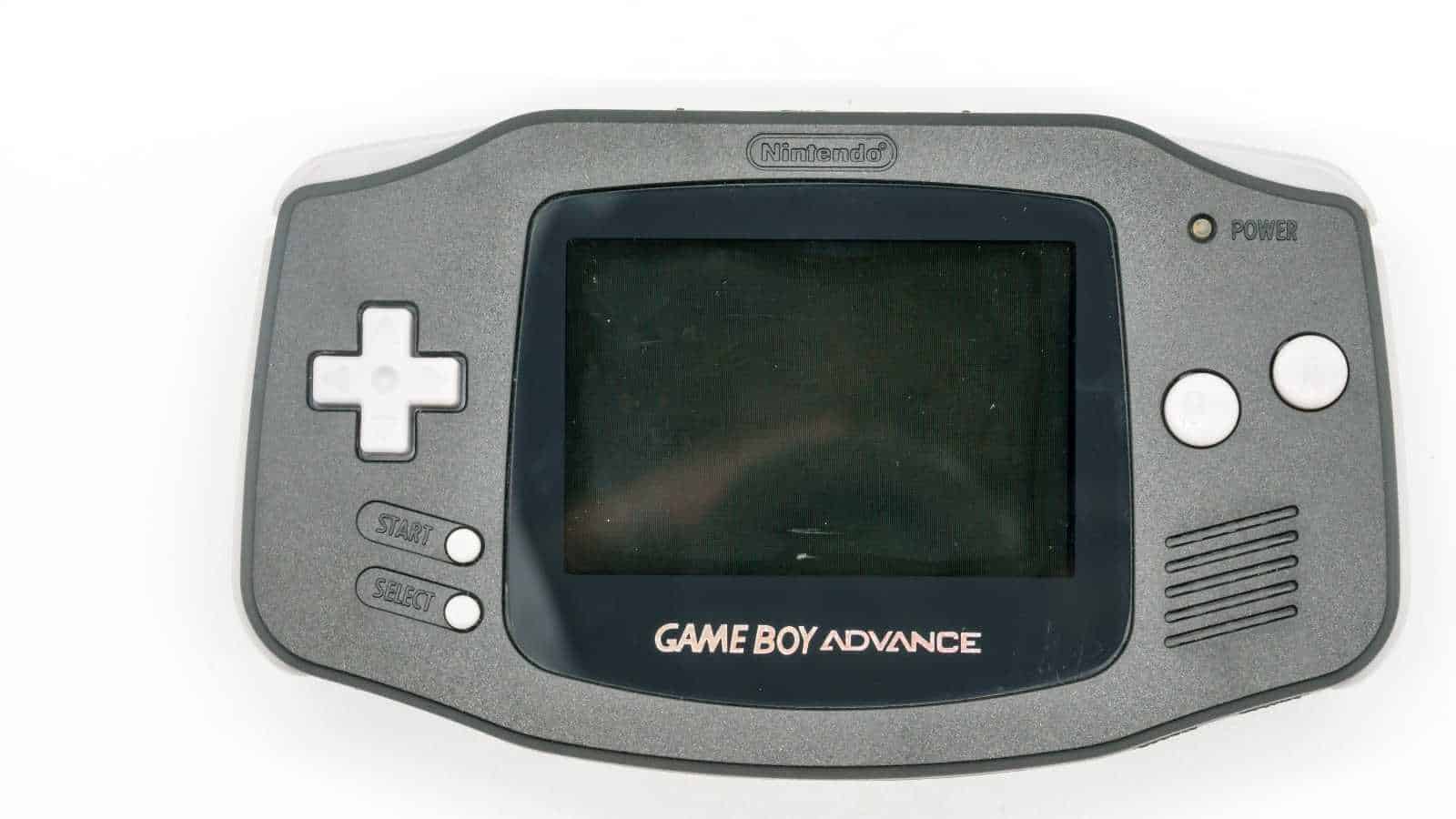
When the Nintendo Game Boy arrived in 1989, it completely reshaped the world of portable play. It didn’t have the power of today’s consoles, but it offered something far more exciting at the time—the freedom to take your games anywhere. Tetris became a global hit, and Mario’s handheld adventures opened the door to a whole new era of on-the-go entertainment.
These days, collectors and retro fans scour online marketplaces and specialty shops looking for working units and cartridges. Its charm hasn’t faded, and people still enjoy diving back into those simple 8-bit worlds. The Game Boy has also become a symbol of the ’90s, a decade currently having a major pop-culture revival. If you still have one tucked away, this might be the perfect moment to pull it out again; it’s much more sought-after than you might expect.
The CRT Television

You remember the chunky, boxy CRT (cathode ray tube) televisions, right? Before flat screens became the norm, these were the it TV sets. While they’ve been largely replaced by sleek, modern LED TVs, they are still the choice for many retro gamers, according to the BBC.
Why? CRTs handle older video game consoles better than modern TVs, providing a more authentic gaming experience. There’s also a certain nostalgia tied to it, making it a favorite among those looking to relive their childhood. So if you’re still rocking a CRT, know that you’re not alone—there’s an entire community out there who still love these vintage televisions.
The Microsoft Windows XP

Ah, Windows XP, the operating system that just wouldn’t die. Released in 2001, XP was beloved for its stability, user-friendliness, and widespread compatibility. Even after Microsoft officially ended support in 2014, many businesses and tech enthusiasts continued using it because of its simplicity and reliability.
To this day, there are people who swear by it for certain tasks, especially if they’re working with legacy software. According to Forbes, one in three companies still runs at least one Windows XP machine in its network. It’s reliable in a world where everything seems to change constantly. If you happen to be one of the few still using it, not to worry, there’s a whole community of die-hards who still cling to the past for its dependable, straightforward interface.
The Nintendo Super NES

The Super Nintendo Entertainment System (SNES) is the console that defined the 1990s, laying the groundwork for generations of gamers. Released in 1989, it shaped the way we think about adventure and platform games. These classics set the standard for gameplay and storytelling, creating a legacy that continues to influence modern games.
Even now, it remains beloved by retro gaming enthusiasts. Its original games are as cherished as ever, and the console is regularly re-released in mini versions packed with fan-favorite titles. Collectors still seek out the original systems, sometimes paying hundreds of dollars for a good-conditioned one. The SNES isn’t just a nostalgic relic; it’s a permanent fixture in gaming history, continuing to inspire and influence both players and developers alike.
The BlackBerry Bold

The BlackBerry Bold was a staple for business professionals in the 2000s. Known for its secure email service and physical keyboard, it was a device you could rely on for productivity, no distractions, no apps to scroll through, just emails and calls. In fact, according to the Pew Research Centre, 98% of people in the U.S. now own a cellphone.
Although BlackBerry phones have been phased out for some time, there are still diehard fans who swear by the Bold. There’s something to be said about the simplicity and focus of these devices, and in a world full of apps and notifications, many users still find the BlackBerry Bold’s stripped-back nature appealing.
The Atari 2600

Released in 1972, it’s often credited with popularizing home video gaming. Sure, the graphics were rudimentary, and the gameplay was simple, but that’s what made it so captivating. It marked the beginning of the gaming industry we know today.
Though it’s far from modern, the Atari 2600 remains a beloved relic in the world of gaming. Vintage gaming communities still flock to it to play iconic games. The influence is undeniable; it was the foundation for the thriving gaming industry we have now.
The IBM Model M Keyboard

Let’s talk about the IBM Model M keyboard, released in 1984. It’s often regarded as the best keyboard ever made, known for its tactile switches, clicky sound, and durability. If you’ve ever used a mechanical keyboard, you know the type.
Despite the rise of slim, chiclet-style keyboards, the IBM Model M has earned a loyal following. People love its solid build, excellent feedback, and satisfying typing experience. It’s often a favorite for programmers, typists, and anyone who enjoys a high-quality keyboard. If you ever get the chance to type on one, trust me, you’ll never want to go back to a regular keyboard.
Key Takeaways

Older tech is still thriving because people value its durability, simplicity, and nostalgic charm. Classic gadgets like early cellphones, Walkmans, Game Boys, and iPods continue to attract fans who appreciate their unique designs and reliable performance.
Retro gaming and instant cameras have sparked major revivals, while older systems like CRT TVs and Windows XP still serve niche communities. Altogether, these enduring favorites prove that great tech isn’t always the newest—it’s the tech that keeps working and brings a little happiness with it.
Disclosure line: This article was developed with the assistance of AI and was subsequently reviewed, revised, and approved by our editorial team.
20 Odd American Traditions That Confuse the Rest of the World

20 Odd American Traditions That Confuse the Rest of the World
It’s no surprise that cultures worldwide have their own unique customs and traditions, but some of America’s most beloved habits can seem downright strange to outsiders.
Many American traditions may seem odd or even bizarre to people from other countries. Here are twenty of the strangest American traditions that confuse the rest of the world.
20 of the Worst American Tourist Attractions, Ranked in Order

20 of the Worst American Tourist Attractions, Ranked in Order
If you’ve found yourself here, it’s likely because you’re on a noble quest for the worst of the worst—the crème de la crème of the most underwhelming and downright disappointing tourist traps America offers. Maybe you’re looking to avoid common pitfalls, or perhaps just a connoisseur of the hilariously bad.
Whatever the reason, here is a list that’s sure to entertain, if not educate. Hold onto the hats and explore the ranking, in sequential order, of the 20 worst American tourist attractions.