12 ways neighborly help can turn into an unspoken obligation
A neighborly favor can turn into unpaid labor so quietly that you may not notice until you’re already on the schedule.
It starts small. One package pulled from the rain. One spare key held “just in case.” One quick favor that feels warm, decent, almost old-fashioned in the best way. Then the favor comes back. And back again. Somewhere between the second task and the fifth, kindness puts on a work shirt and starts calling itself duty.
Pew Research Center found in 2025 that 76% of U.S. adults would bring in mail or water plants for a neighbor who was away, 67% would bring a meal to a sick neighbor or friend, and 59% have a neighbor they’d trust with emergency keys. That sounds like the kind of community people say they miss.
But the same Pew data shows Americans feel less sure that help would come back their way, with only 52% expecting help in return, and 42% expecting a meal if they were sick. That gap is where resentment slips in, quiet as a cat crossing the fence.
The urge to help is still alive, too. The World Happiness Report 2025 found that benevolent acts in 2024 stayed more than 10% above pre-pandemic levels, while helping strangers stayed 18% above 2017 to 2019 levels.
People still want to be kind. They still want to show up. But good neighbors need more than a generous heart. They need limits, because a favor without boundaries can become a job nobody agreed to take on.
When a One-Time Favor Becomes the Default
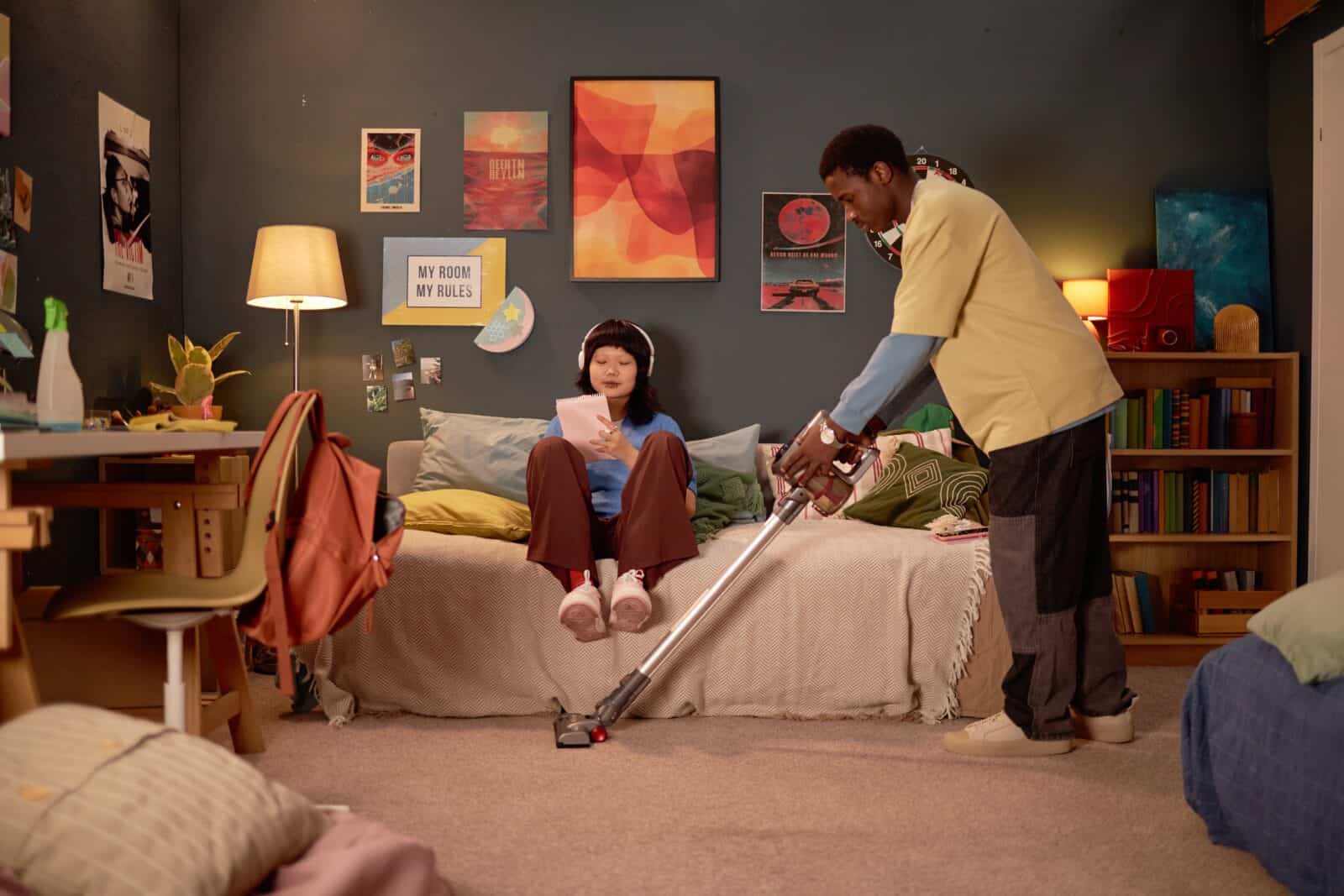
You say yes once, and somehow the whole block learns your name in the language of convenience. Maybe you brought in mail during one vacation, fixed one jammed gate, or helped carry groceries after one rough afternoon.
Pew Research Center found that 76% of Americans say they would bring in mail or water plants for a neighbor, yet only 52% think a neighbor would do the same for them, suggesting how easy it is for generous people to overestimate the balance of give and take.
This is how the “one-time favor” becomes the default setting. The neighbor stops asking, “Can you?” and starts assuming, “You will.” The first time, it feels like kindness. The fifth time, it feels like being drafted.
Robert Cialdini’s Influence at Work site explains the reciprocity principle this way: “people are obliged to give back” after receiving a behavior, gift, or service. That invisible pull can keep you saying yes long after your schedule, patience, and energy have already said no.
“You’re So Good With…” Becomes Emotional Blackmail

Compliments can be sugar with a hook inside. “You’re so good with tools.” “You’re amazing with kids.” “You always know what to do with tech.” At first, it sounds sweet, and maybe it is. But when praise becomes the opening line before every request, it can push you into a role you never agreed to play.
Candid’s 2025 coverage of an AP-NORC survey found that informal community help is common across income groups. 36% of people earning under $50,000 provide non-financial support, such as meals, free childcare, or rides, compared with 34% of those earning $50,000 to $99,000 and 37% of those earning $100,000 or more.
That means ordinary people are already doing a lot of quiet support work. Add flattery to that, and the ask can feel harder to refuse. You’re no longer just saying no to a favor. You feel like you’re rejecting the identity they handed you. That’s how “you’re so good with this” becomes “you owe me this.”
When “Just This Once” Turns Into a Schedule

“Just this once” is one of the slipperiest phrases in neighborhood life. You take out someone’s trash bins one Tuesday, water the garden during one hot spell, or walk the dog because your neighbor got stuck at work. Then the favor returns next week, and the week after that, until it grows roots in your calendar.
The World Happiness Report 2025 found that helping boosts well-being most when it comes with caring connections, choice, and a clear positive impact. Choice is the magic word here. Help feels good when you choose it; it starts to sour when people quietly claim your Tuesdays.
Brené Brown’s line fits perfectly here: “Clear is kind. Unclear is unkind.” If the favor has become regular, it needs a clear talk. You can say, “I can help once this week, but I can’t make this a routine.” That one sentence may feel awkward for 30 seconds, but silence can cost you months of resentment.
“Nice Neighbor” Reputation Makes Saying No Feel Rude

Once the neighborhood decides you’re “the nice one,” saying no can feel like stepping on your own halo. Pew Research Center found that older adults are especially likely to help, with 74% of Americans ages 50 and older saying they would bring a meal to a sick neighbor or friend, compared with 65% of adults ages 30 to 49 and 55% of adults under 30.
Pew also found that people ages 50 and older, rural and suburban residents, upper-income adults, and those attending religious services at least monthly are more likely to know and trust their neighbors. In those close social circles, reputation carries weight.
You may worry that one person will become driveway gossip by sunset. So you keep helping, smiling, nodding, and pretending it’s fine. The problem is that a “nice neighbor” mask can get heavy. At some point, kindness stops feeling like who you are and becomes the rent you pay to avoid being called difficult.
Help Becomes a Way to Avoid Conflict Until It Causes

Sometimes the favor is not the real problem. The fear of awkwardness is. Pew Research Center found that 44% of U.S. adults trust all or most people in their neighborhood, while 46% trust only some and 9% trust none.
That means many people live in a middle zone: friendly enough to wave, cautious enough to avoid tension. So they say yes to avoid a cold look at the mailbox or a weird silence near the fence. The trouble is that swallowed resentment rarely stays swallowed.
It leaks out through shorter replies, closed blinds, petty complaints about parking, or one giant blowup over something tiny. You were trying to keep the peace, but the unpaid favor kept collecting interest.
Neighbor relationships are tricky because you can’t easily break up with the person next door. You still share walls, sidewalks, noise, trees, trash days, and that strange little theater of being polite in public while annoyed in private.
Emotional Support Starts to Feel Like a 24/7 Job

Neighborly help is not always about tools, trash bins, and packages. Sometimes it’s emotional. A neighbor knocks to vent about their marriage, their adult child, their job, their landlord, and their loneliness. You care, so you listen. Then it happens again. And again.
The U.S. Surgeon General’s 2023 advisory found that social connection can increase the odds of survival by 50% across 148 studies, underscoring the importance of real support. Pew also found that 67% of Americans would bring a meal to a sick neighbor or friend, proof that many people still want to care for the people close to them.
But being supportive is different from becoming someone’s whole emotional shelter. You can be kind without becoming the only person who absorbs every crisis. A porch chat can be human.
A constant stream of late-night confessions can become a second shift, especially when you have your own bills, grief, kids, deadlines, body aches, and private storms to carry.
“You Help Me, I Help You” Turns Into a Ledger

Mutual help can be beautiful until someone pulls out an invisible scoreboard. One day, they watered your plants. Three months later, they expect you to support their HOA complaint, ignore their noisy guests, vote their way, lend your ladder, or watch their dog because “after all I’ve done for you.”
Pew Research Center found that 50% of Americans say they would loan money to a friend in an emergency, while 45% think a friend would loan them money, suggesting that help can carry quiet expectations of return. Cialdini’s reciprocity principle helps explain why this gets sticky: people often feel a social pull to give back after receiving help.
That pull can be healthy when both people respect each other’s choices. It becomes manipulative when a favor turns into a coupon someone tries to redeem whenever they want. A true gift should not arrive later dressed as a bill. If a neighbor keeps reminding you what they did, they may have given you a transaction, not kindness.
Safety and Security Help Creep Beyond Comfort

A spare key can feel like trust made metal. Pew Research Center found that 59% of U.S. adults have a neighbor they would feel comfortable asking to keep emergency keys, and that kind of trust can make a neighborhood feel less lonely and less fragile. But safety arrangements need clear edges.
A neighbor keeping a key for emergencies is one thing. A neighbor letting themselves in because the repair person came early, checking your porch without asking, or assuming you’ll always be home for their deliveries is something else. The line between “we look out for each other” and “I feel watched” can be thin. It also changes by person.
Some people love an open-door street. Others need firm privacy to feel safe. Neither side is wrong. The point is control. If someone has access to your space, your alarm code, or your emergency contacts, you need shared rules, not vague comfort. Trust should feel like a porch light, not a camera pointed at your window.
Child and Pet Help Becomes Free Labor

Kids and pets make saying no feel extra loaded. Nobody wants to be the neighbor who “wouldn’t help” a child get home safely or leave a dog stuck inside too long. That emotional pressure is exactly why casual help can become free labor.
Candid’s 2025 AP-NORC-based report found that community members often provide non-financial support, such as meals, free childcare, and rides. 36% of lower-income respondents, and similar shares among middle- and higher-income respondents, reported providing this support.
That shows how normal these informal safety nets have become. But “can you watch him for 20 minutes?” can turn into three afternoons a week. “Can you let the dog out once?” can become a standing pet-care shift.
There’s also a risk that people forget to discuss. If a child falls, a dog bites, or a pet runs out, the friendly favor can turn into panic in a flash. Care is precious, but open-ended care needs rules, time limits, and honesty.
Group Norms Make Opting Out Awkward

A whole block can create pressure without anyone meaning to. Pew Research Center found that 72% of Americans say they would conserve water or electricity if public officials asked during an emergency, yet only 42% think people where they live would do the same.
That gap says a lot about public-minded behavior: many people want to believe they’ll step up, but they are less sure the group will carry equal weight. In a neighborhood text thread, that pressure can feel even sharper. Everyone sees the request. Everyone sees who responds. Everyone sees who stays quiet.
A few helpful people may become the permanent volunteers for meal trains, cleanup days, package watch, rides, yard help, storm prep, or HOA errands. Meanwhile, others benefit from the shared culture without giving much back.
The awkward part is that opting out can look cold, even when you are tired, overbooked, sick, broke, grieving, or just done. The community should not run on the same three exhausted names every time.
Cultural and Religious Expectations Get Mixed In

For many people, helping a neighbor is tied to faith, family upbringing, culture, or a deep sense of duty. That can be beautiful. It can also become heavy if the message turns into “a good person never says no.”
Candid’s 2025 report found that 72% of Americans said helping friends and family in need is extremely or very important, while 46% said the same about helping neighbors and people in their community. Pew also found that Americans who attend in-person religious services at least monthly are more likely to know and trust their neighbors.
Those values can build strong streets, caring apartments, and communities where people don’t fall through the cracks. But guilt is not the same as generosity. If you are always helping out of fear of judgment, you are not living your values. You are being cornered by them.
Boundaries can protect the very goodness that makes you want to help. A burned-out neighbor is not a better neighbor. They are just tired people with no room left for joy.
Digital Neighborhoods Blur Into Your Private Life

The modern neighborhood no longer stops at the fence. It follows you into your phone, your lunch break, your couch, your Sunday morning, and that one tired hour when you finally wanted peace.
Nextdoor reported 45.9 million weekly active users in the fourth quarter of 2024, up 10% year over year, and said it passed 100 million verified neighbors by the end of 2024. That is a lot of local life living on screens. The upside is lost pets get found, safety alerts spread, tools get borrowed, meals get organized, and neighbors can rally fast. The downside is constant access.
A request posted at 9 p.m. can make you feel rude for not answering. A “seen” receipt can turn silence into a statement. A group chat can make every need feel public and urgent. For introverts, remote workers, caregivers, and people already stretched thin, digital neighborliness can feel louder than a leaf blower at 7 a.m. Help should still have an off switch.
A Short Reflective Close

Neighborly help still matters. Pew’s 2025 data shows most Americans would bring in mail, water plants, bring meals, conserve resources in an emergency, or trust a neighbor with keys.
That is not small. That is the soft architecture of a community. But kindness needs breathing room. It needs choice, timing, honesty, and the freedom to say, “I can’t this time,” without turning into the villain of the block.
The best neighbors are not the ones who say yes until they disappear inside their own resentment. They are the ones who keep the gate open without tearing down their whole fence.
Key Takeaways
- Neighborly help works best when it stays voluntary, clear, and fair.
- Pew Research Center found that Americans are more likely to say they would help neighbors than to expect the same help back.
- Repeated favors need new conversations, especially when they become weekly, costly, emotional, or risky.
- Praise, guilt, group chats, safety access, children, pets, faith, and local reputation can all turn a simple favor into pressure.
- Saying no does not make you a bad neighbor. It can protect the warmth that made you willing to help in the first place.
Disclaimer – This list is solely the author’s opinion based on research and publicly available information. It is not intended to be professional advice.
Like our content? Be sure to follow us